Milan Forest Stadium

The Wald­sta­dion in Milan

The new San Siro


Stefano Boeri Archi­tetti

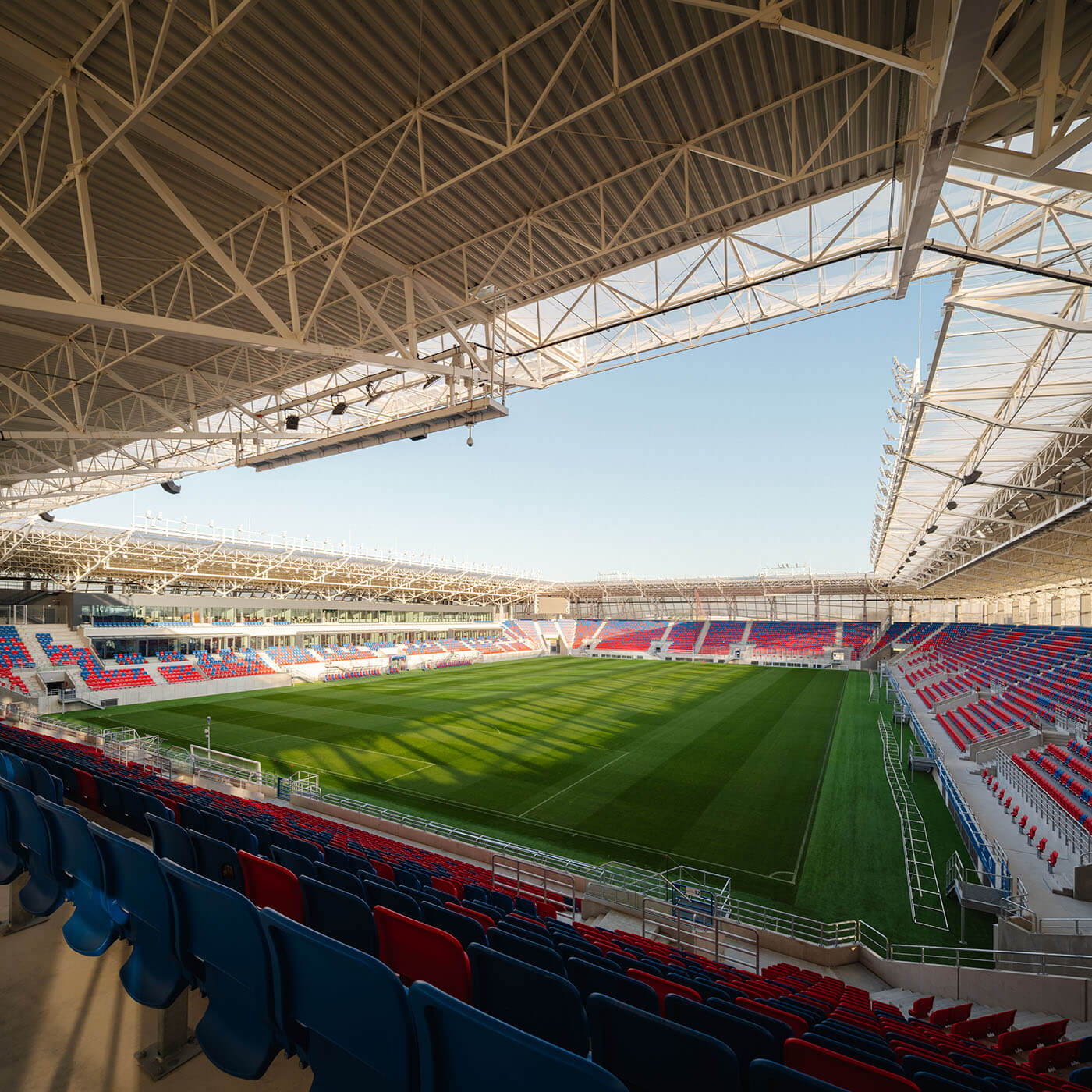
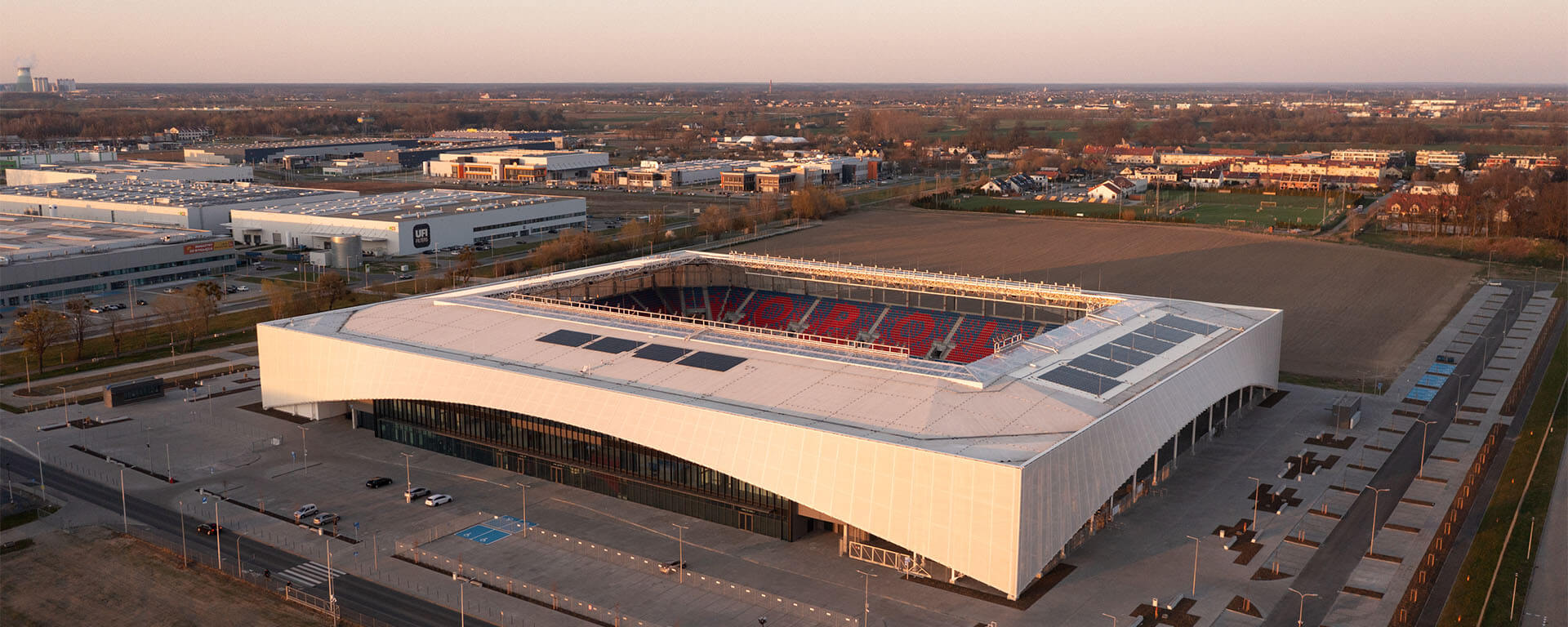
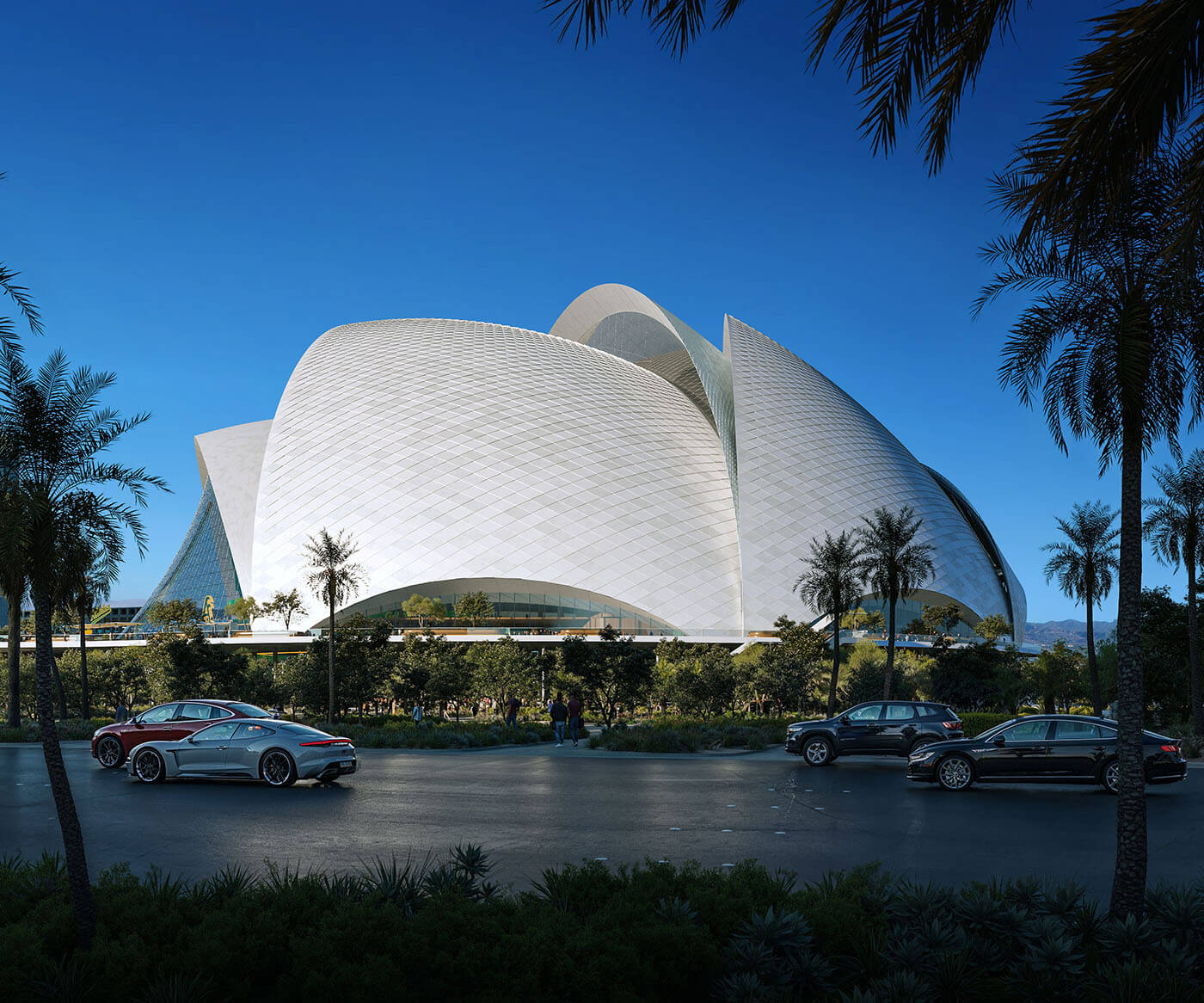
The “new San Siro” also wants to become a Milan land­mark, but appar­ently for diffe­rent reasons than its prede­cessor. What makes the design special is the visibly green approach, the running track on the top level and the “tower of light”.

Stefano Boeri Archi­tetti

Guiseppe Meazza

The discus­sion about the new stadium for the two city rivals Inter and AC Milan has kept the inte­rested public busy for quite some time. The debate is now also being fueled by archi­tects who are presen­ting their own designs – for example Stefano Boeri Archi­tetti with the “Stadio-Bosco per Milano” (Milan Forest Stadium).

The plan­ners submitted the project toge­ther with ARUP, Fabio Novembre and Balich Wonder Studio back in 2019 as part of the compe­ti­tion orga­nized by the clubs Inter and Milan and have since revised it.

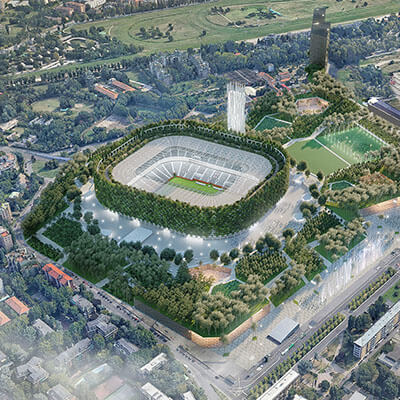
Milan’s Wald­sta­dion is to be built on the exact spot where the world-famous Guiseppe Meazza Stadium, built for the 1990 World Cup, curr­ently stands.

emis­sions

The new stadium also aims to become a land­mark in Milan’s San Siro district, but appar­ently for comple­tely diffe­rent reasons than its prede­cessor.

The aim of the project is to reduce emis­sions and energy consump­tion. Thanks to the use of large photo­vol­taic surfaces and careful plan­ning of water and waste manage­ment, the Milan Forest Stadium is set to become an energy self-suffi­cient arena.

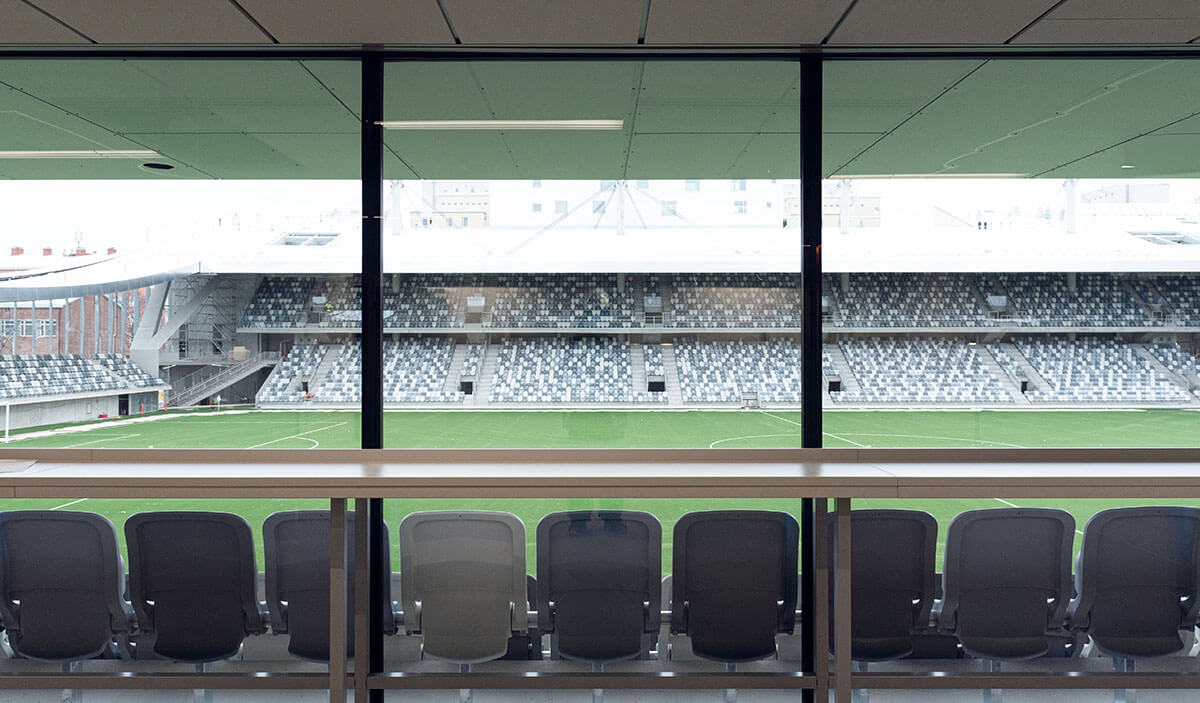
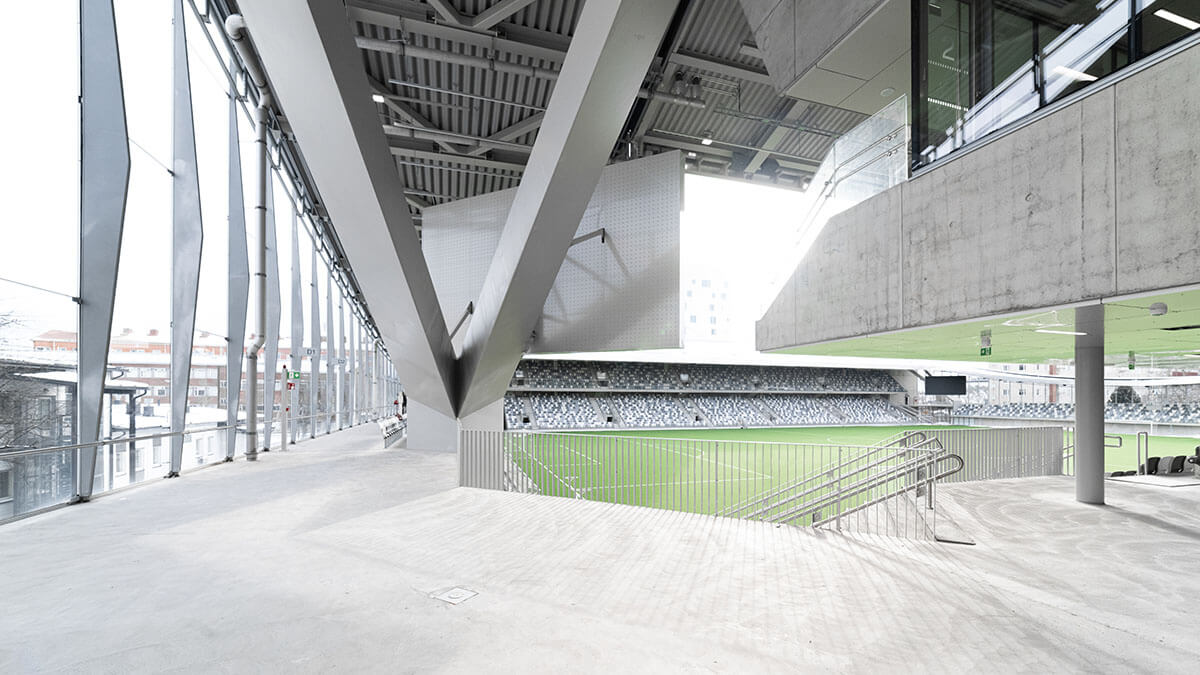
The Wald­sta­dion Milan inte­grates the commer­cial areas that are important for both clubs, such as a museum, a sports hall, press and VIP areas as well as bars and restau­rants. There will also be a running track on the top level and the “Tower of Light”, a shining land­mark for both clubs. As it is a “one stadium for two”, the illu­mi­na­tion of this tower in the colors red (Milan) and blue (Inter) can make the respec­tive host clearly visible. There is already a parti­cu­larly dazz­ling lighting design for the “Derby della Madon­nina”.

Tower of light

What makes the design special is the visibly very green approach.

The Wald­sta­dion has 5,700 m² of hori­zontal green roofs and 7,000 m² of green facades. This includes 3,300 trees and 56,300 shrubs from 70 diffe­rent species, which absorb 162 tons ofCO2 every year.

The result is a green lung for the metro­polis and a green link in the urban fabric that helps to clean the air, absorb parti­cu­late matter and mode­rate the tempe­ra­ture in the neigh­bor­hood.

The Tower of Light houses the museums of both clubs, and statues of great foot­bal­lers and coaches from the city are to be installed at the top of the tower.  A memo­rial to the current Meazza Stadium is also to be built in the park next to the new stadium.

The discus­sion will continue.

Project data

Archi­tect

Stefano Boeri Archi­tetti
Via G. Doni­zetti 4
ITA – 20122 Milano

Buil­ding owner
Text

Johannes Bühl­be­cker
More Sports Media

Address

Guisepe-Meazza-Staion
Piaz­zale Angelo Moratti
ITA – 20151 Milano MI

Video

More projects like this?
Your project here.

DO YOU WANT TO PUBLISH YOUR PROJECT OR PRODUCT?
Your stage

fall protection.now

Plan­ning, instal­la­tion and main­ten­ance

absturzsicherung.JETZT

Membranbau Sieber GmbH
(Adver­to­rial)

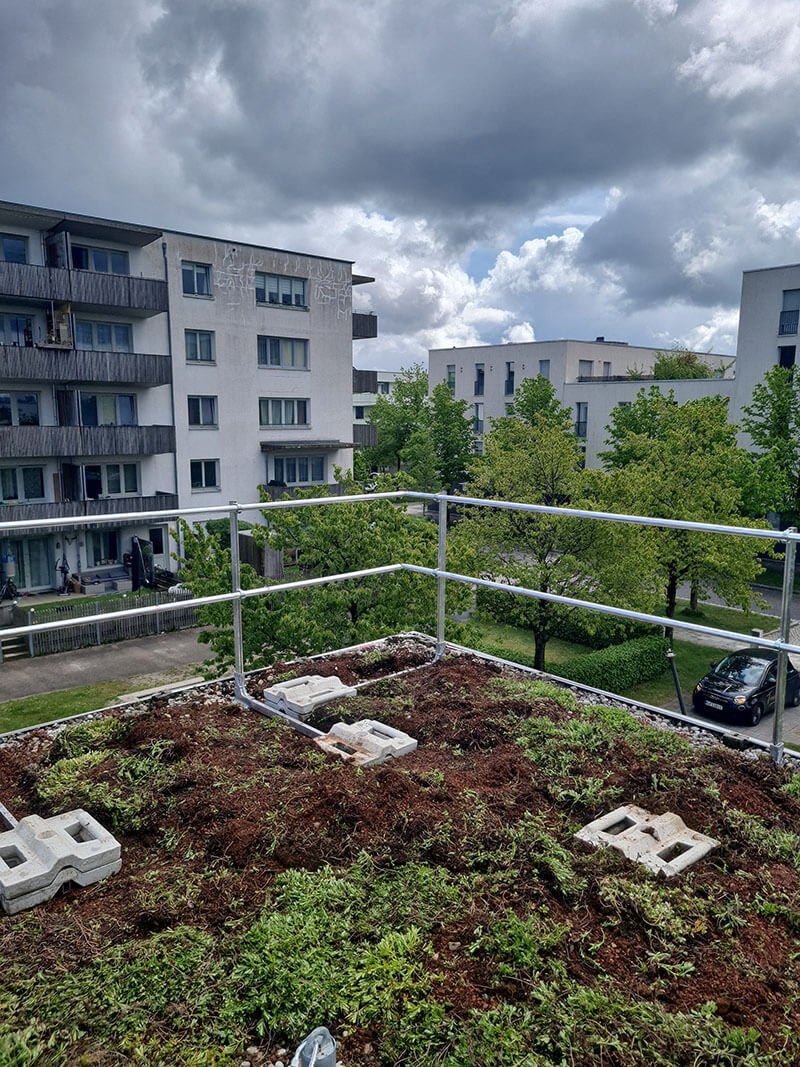
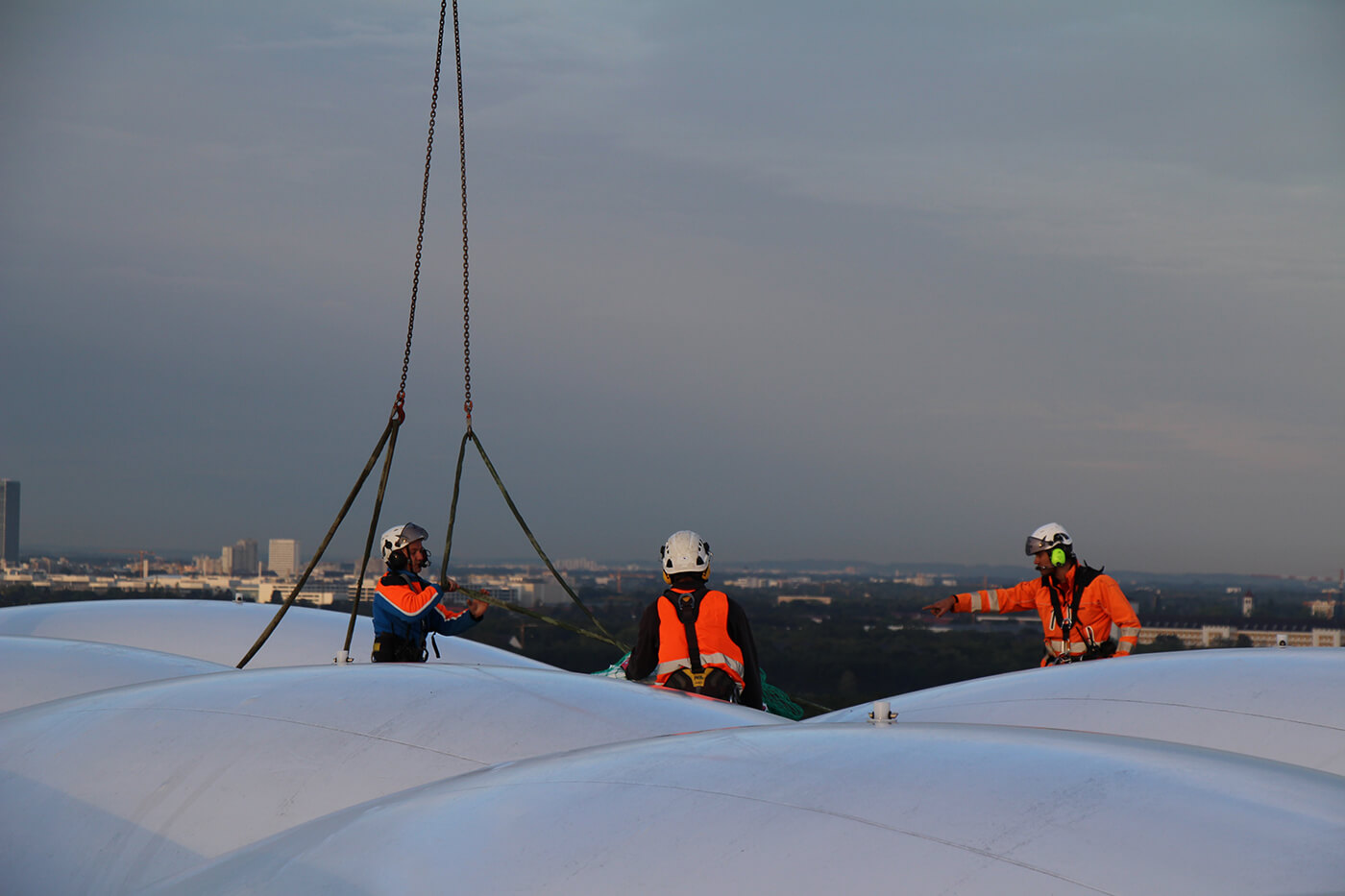
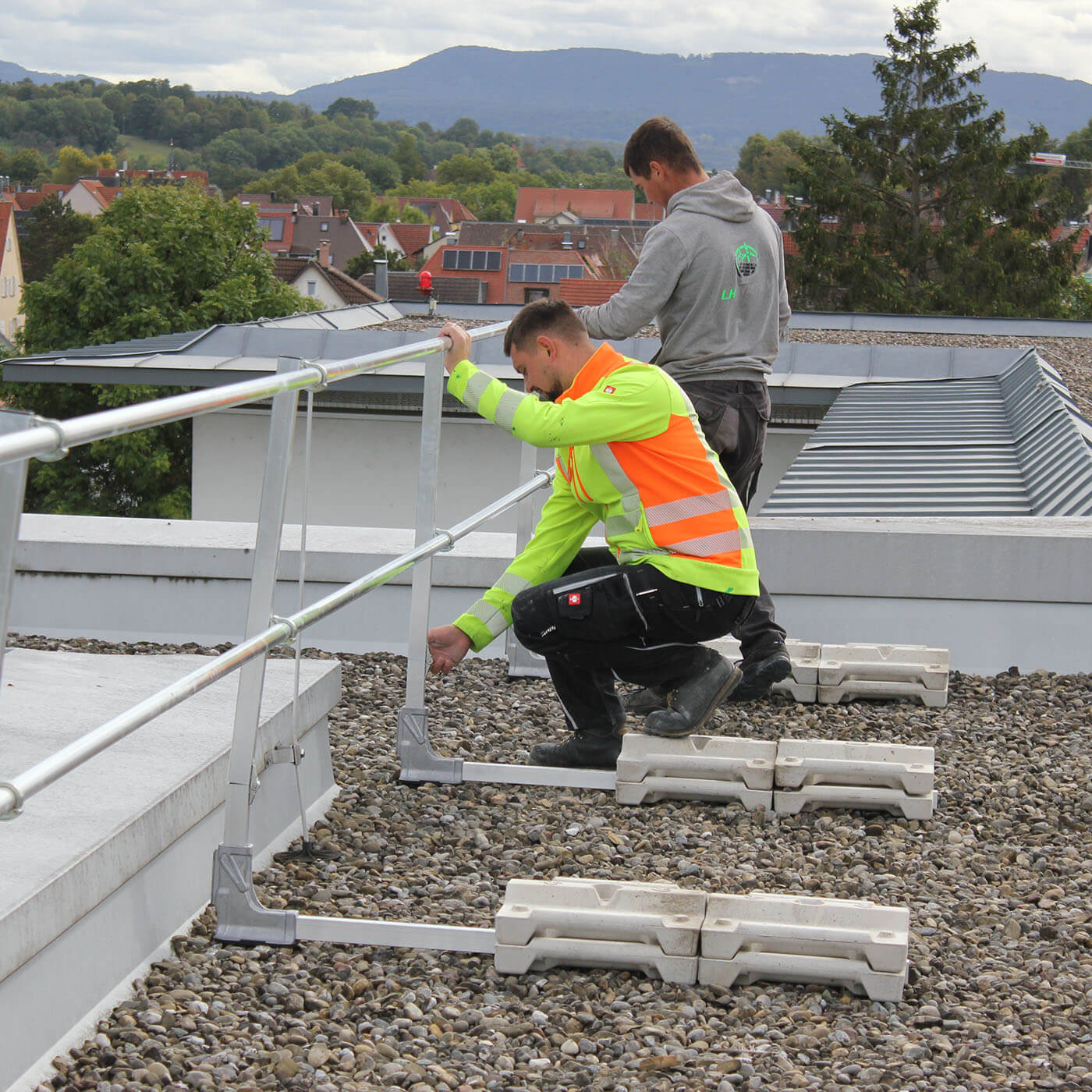
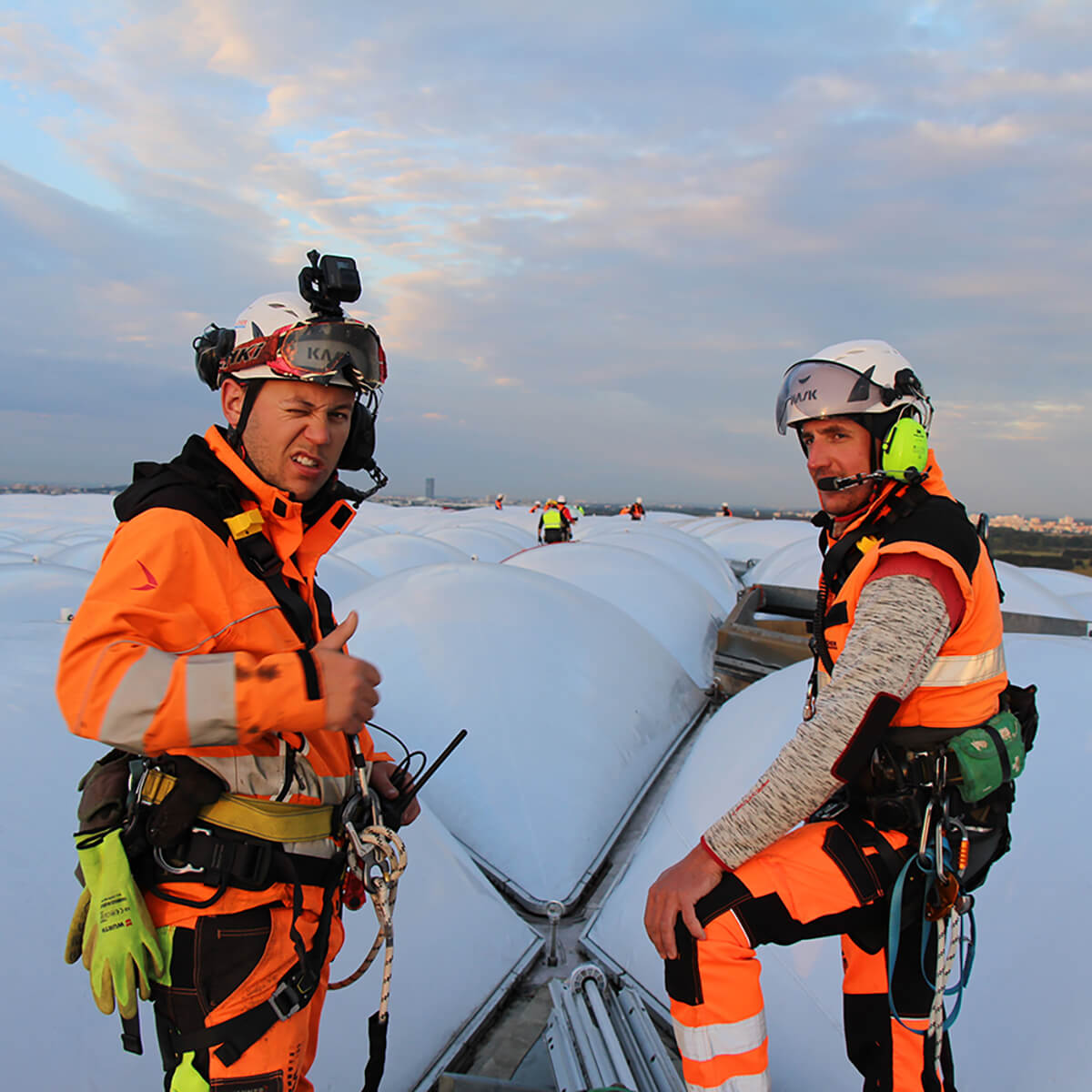
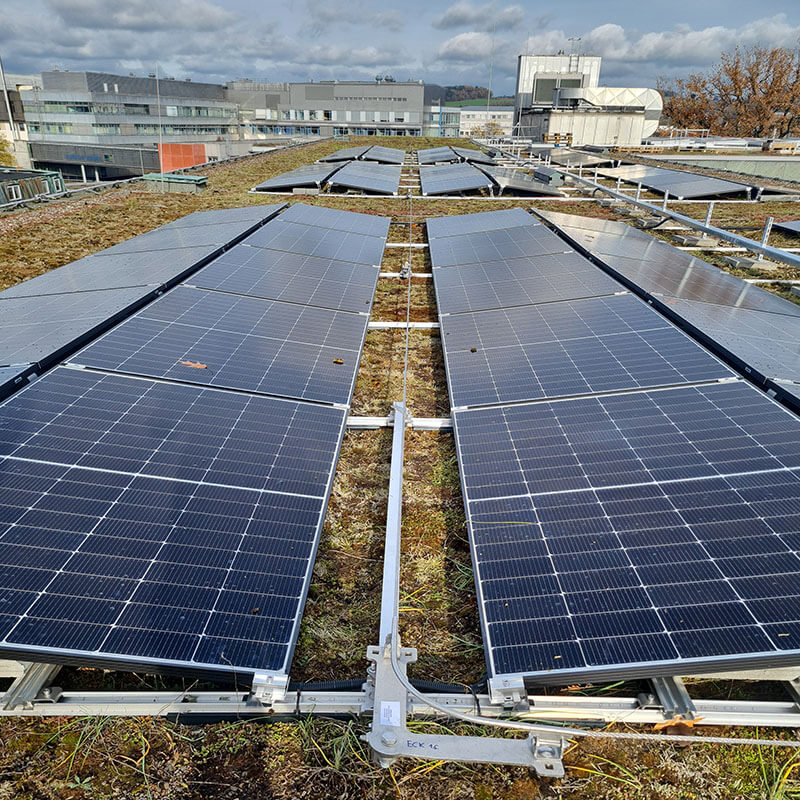
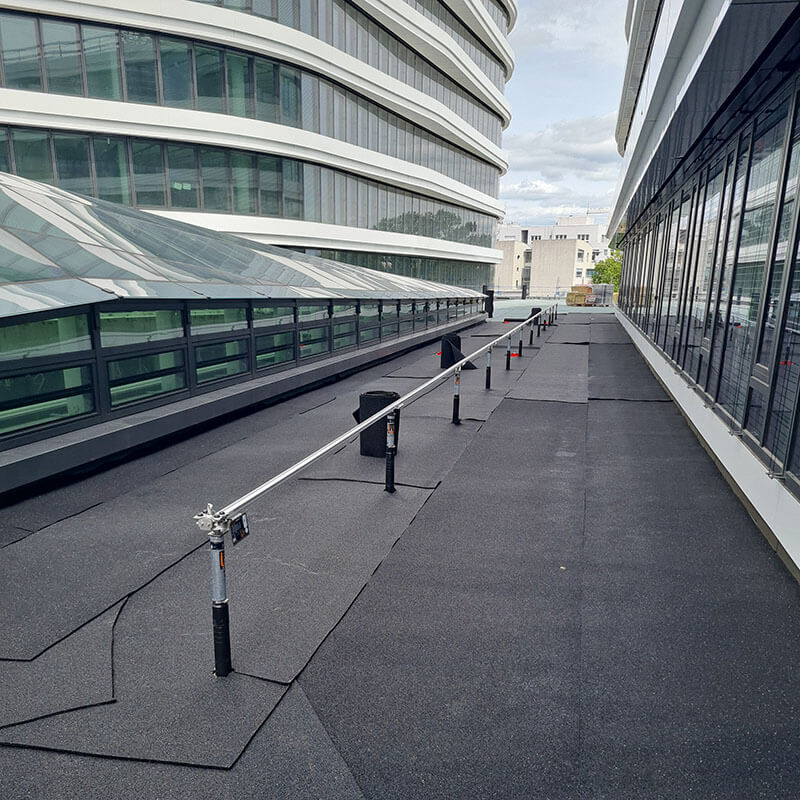
The roofs of our sports and leisure faci­li­ties offer huge areas, for example for the instal­la­tion and use of rene­wable ener­gies. However, cons­truc­tion and main­ten­ance work on the roof is dange­rous.

The brand new website “absturzsicherung.jetzt” offers important infor­ma­tion on the plan­ning, instal­la­tion and main­ten­ance of fall protec­tion systems. And contact.

Huge poten­tial

The roofs of our sports and leisure faci­li­ties offer huge areas, for example for the instal­la­tion and use of rene­wable ener­gies. There is still huge untapped poten­tial here that should be exploited.

However, cons­truc­tion and main­ten­ance work on the roof is dange­rous. For this reason, fall protec­tion is required from a fall height of two meters to prevent falls from the roof, through the roof or through a roof opening.

Membranbau Sieber GmbH has now laun­ched absturzsicherung.jetzt. Here you will find important basics and further infor­ma­tion on the plan­ning, instal­la­tion and main­ten­ance of fall protec­tion systems.

Systems

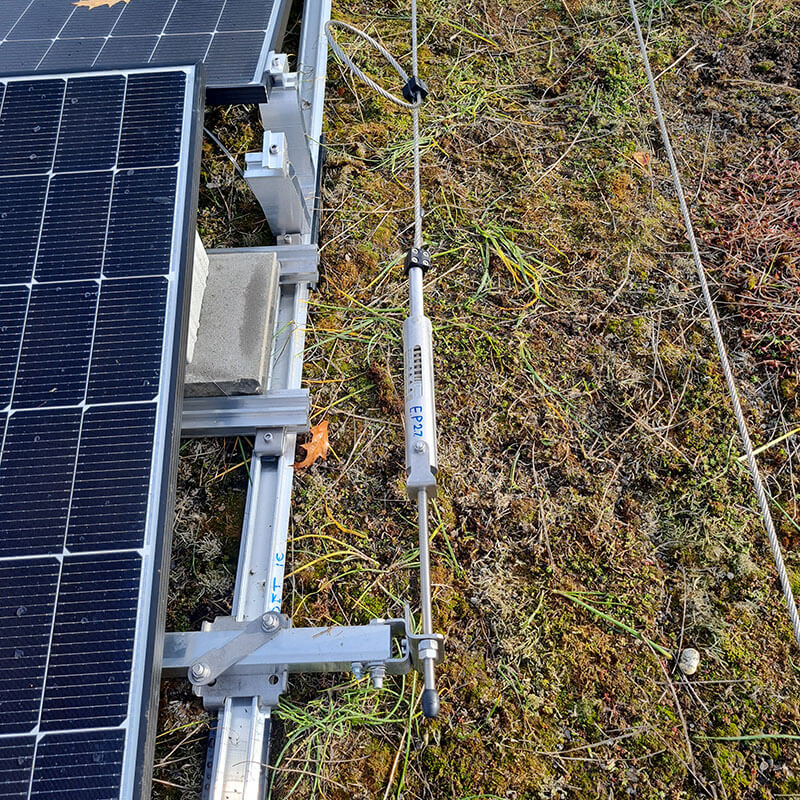
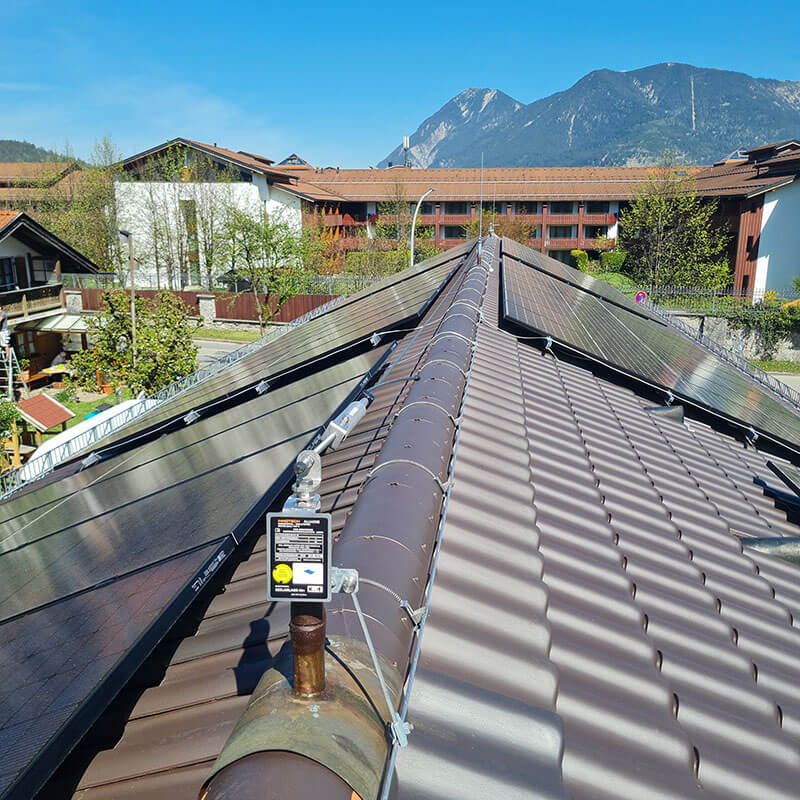
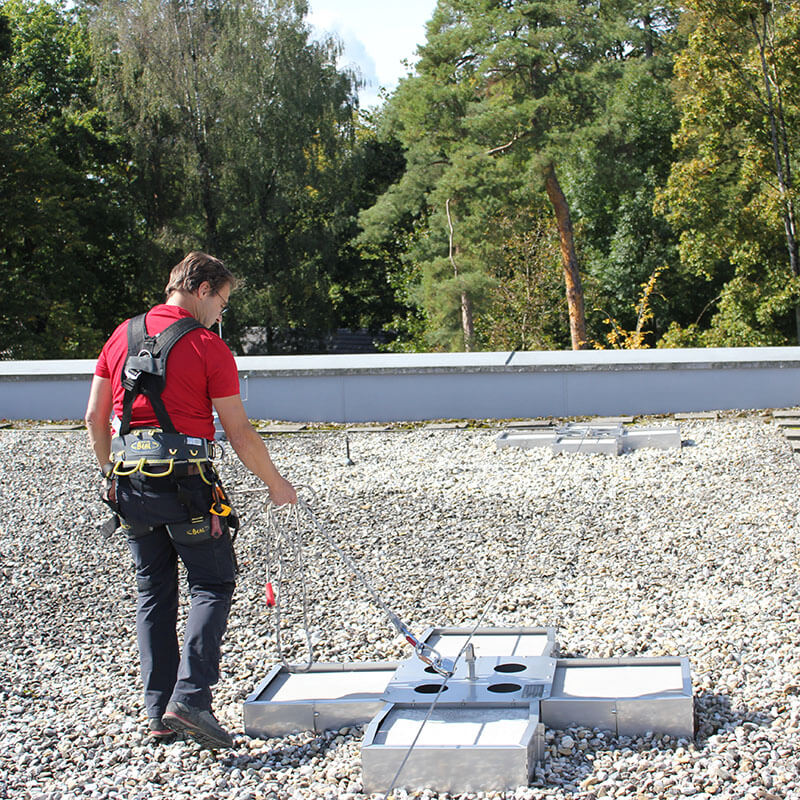
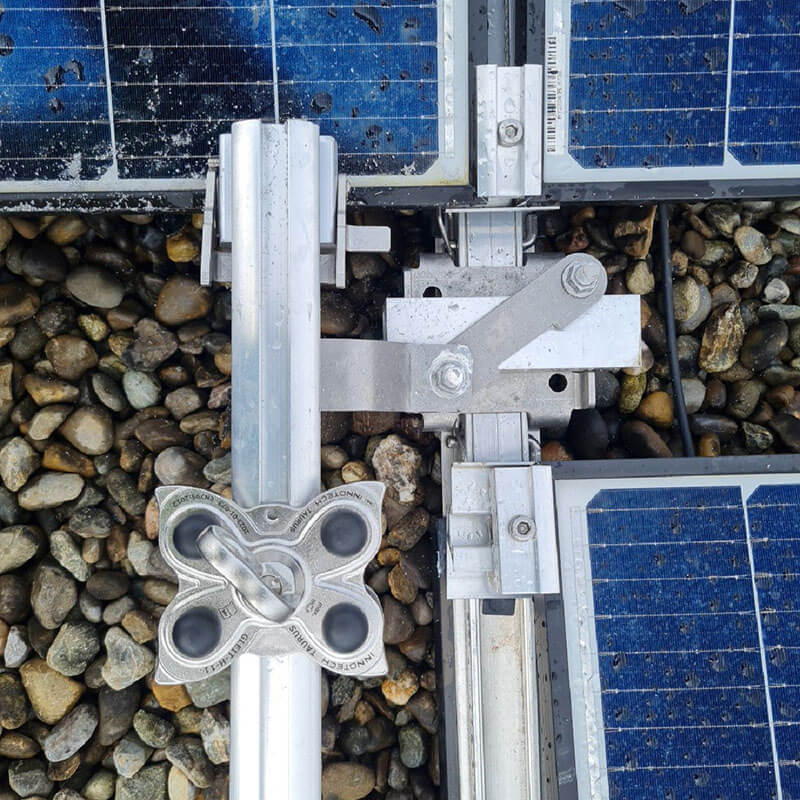
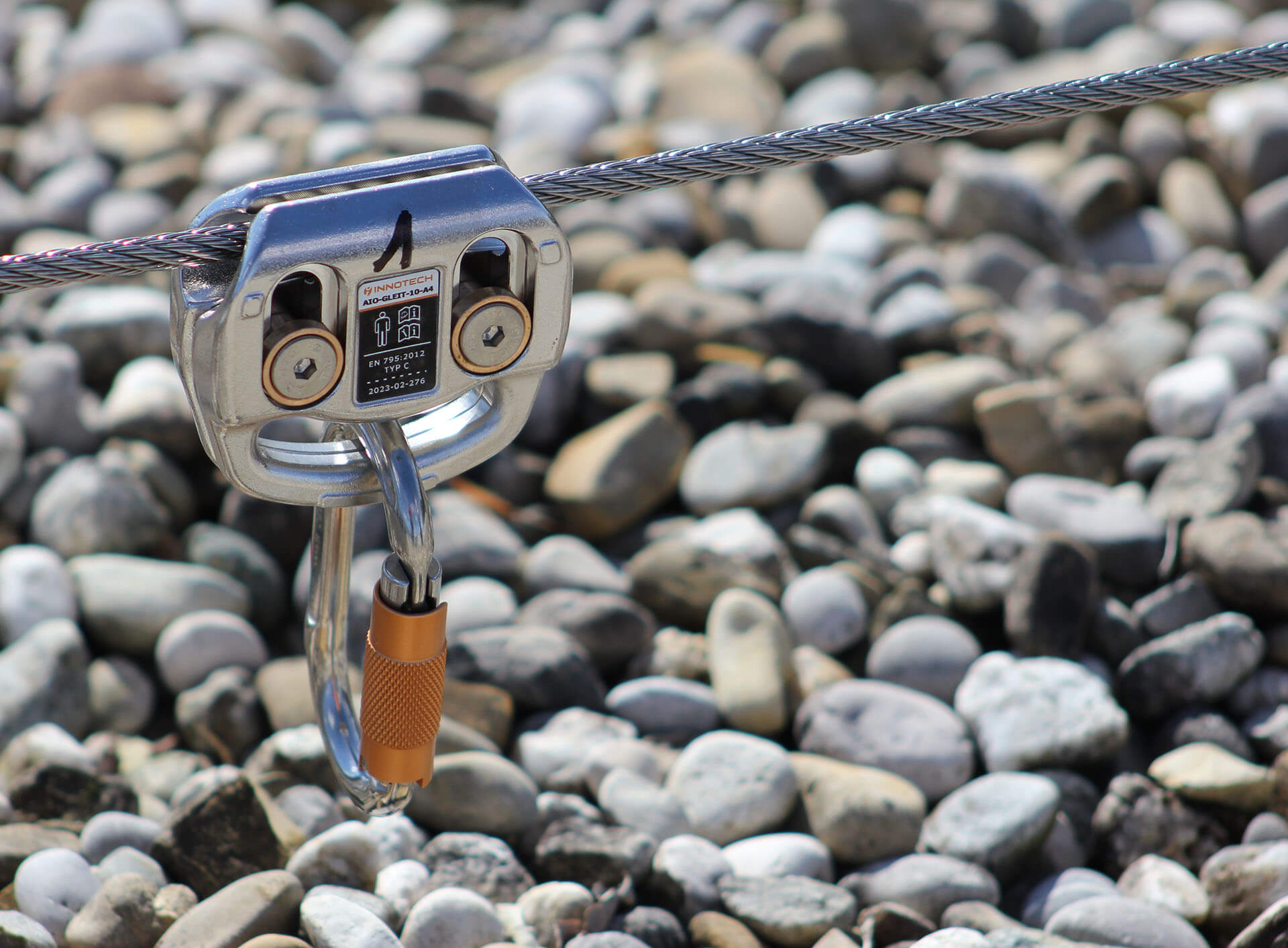
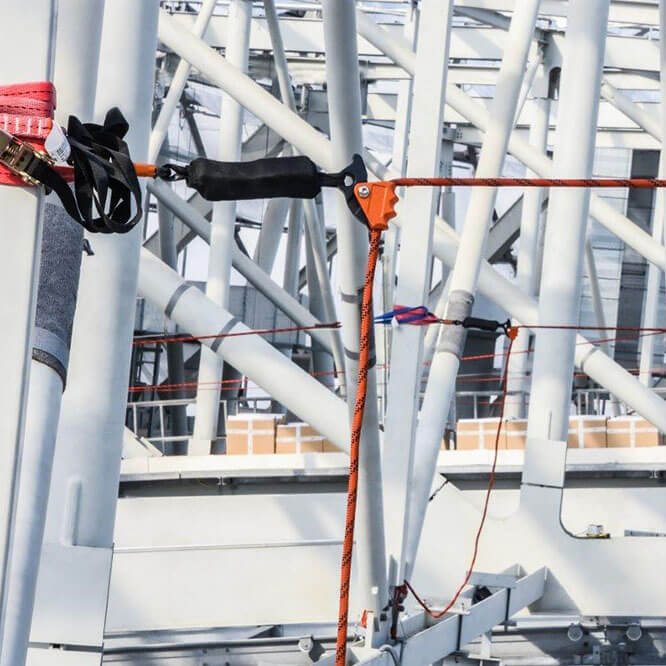
An ancho­rage device is a system for fall protec­tion when working on roofs, facades or in industry. It provides one or more anchor points and is usually perma­nently connected to struc­tures or machines. In combi­na­tion with personal fall protec­tion equip­ment (PPE), anchor devices are used as a restraint or fall arrest system during work.

The rele­vant DIN EN 795 stan­dard distin­gu­ishes between five types of ancho­rage devices: Single ancho­rage points, tempo­rary single ancho­rage points, life­line systems, rail life­line systems and mobile ancho­rage points with dead weight.

Plan­ning

When working on the roof, any wrong move­ment can have fatal conse­quences.

Roofs must ther­e­fore be planned in such a way that people are perma­nently secured during subse­quent main­ten­ance and servicing work. Struc­tural measures include railings or balust­rades, while mobile safety systems include personal protec­tive equip­ment and ancho­rage devices.

Assembly

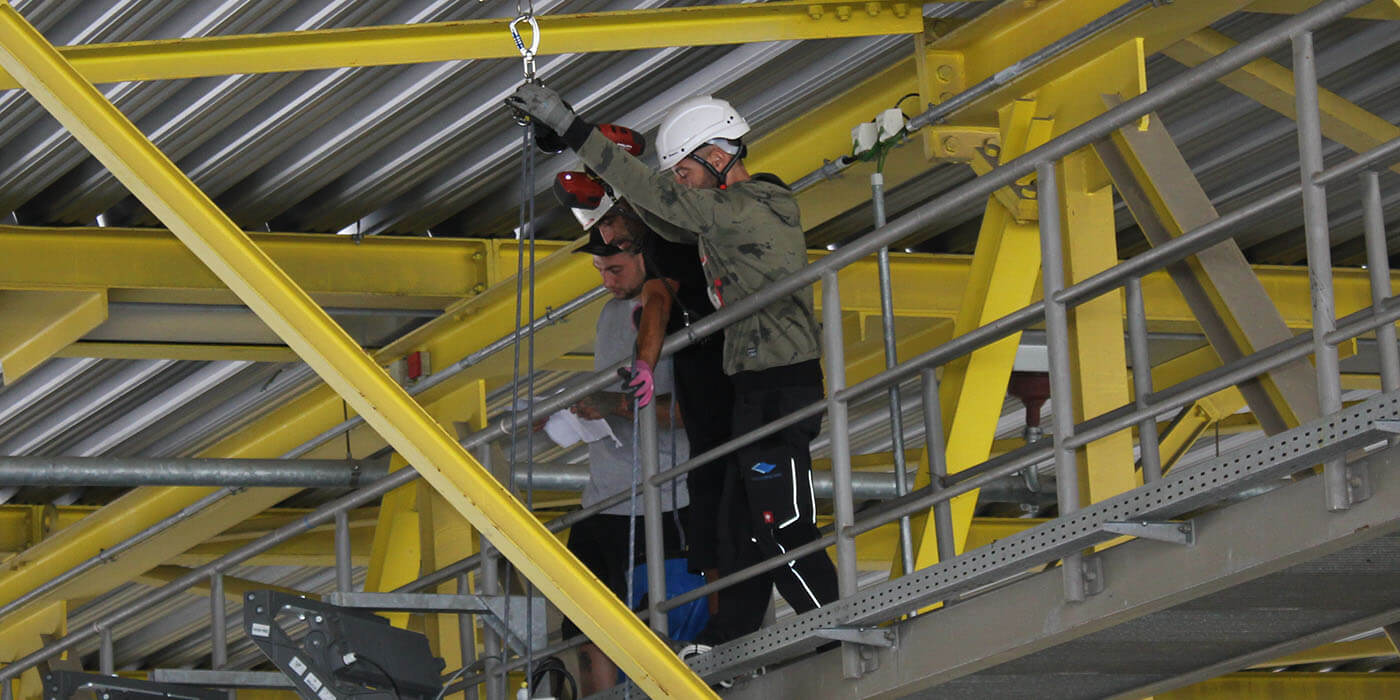
The profes­sional instal­la­tion of fall protec­tion systems is the decisive basis for the long-term safety of work­places at height. Whether on roofs, façades or in industry: fall protec­tion systems must be carefully planned, precisely installed and compre­hen­si­vely docu­mented in order to prevent acci­dents and comply with legal requi­re­ments.

Main­ten­ance

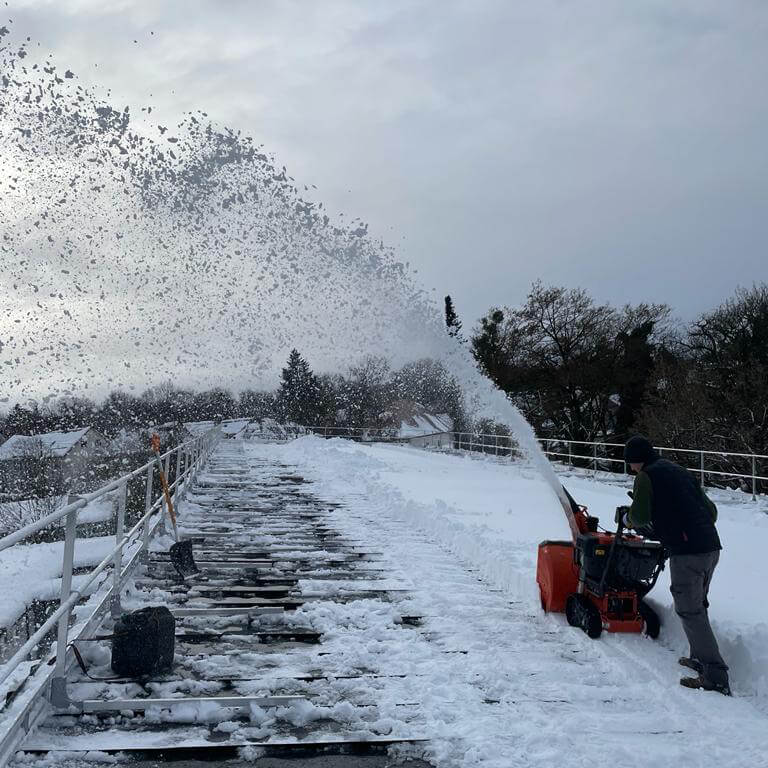
Safety barriers are subject to constant stress and the effects of the weather. Without regular main­ten­ance, they can lose their protec­tive func­tion, resul­ting in incal­culable risks. Syste­matic main­ten­ance allows defects to be detected and recti­fied at an early stage, preven­ting acci­dents and exten­ding the service life of the fall protec­tion systems.

In addi­tion, the main­ten­ance of fall protec­tion systems is a manda­tory task.

Ask us

Ask us

Membranbau Sieber GmbH deals with

  • the instal­la­tion, main­ten­ance and servicing of membrane roofs, facades and fall protec­tion systems
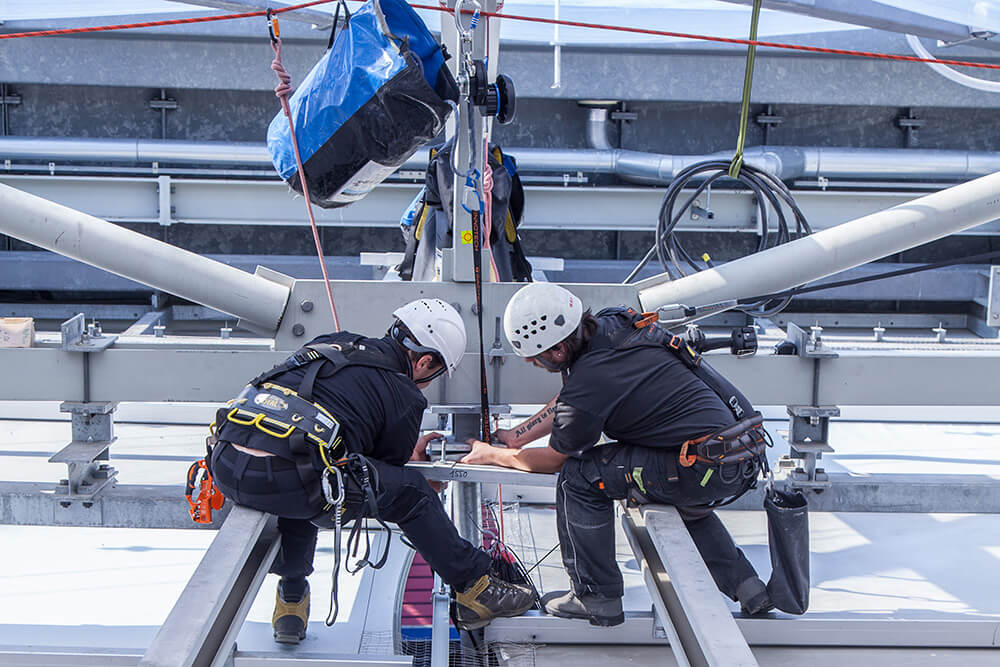
  • Working at heights and indus­trial clim­bing using rope access tech­no­logy
  • the plan­ning and instal­la­tion of perma­nent life­line systems
  • Trai­ning and instruc­tion of PPE users in accordance with DGUV (regu­la­tions 112–198 and 112–199)
  • the testing of PPE equip­ment in accordance with DGIV (Prin­ciple 312–906)

Our part­ners include the Allianz Arena in Munich, the Signal Iduna Park in Dort­mund (Borussia Dort­mund’s stadium), ABS, Inno­tech and many more.

Membranbau Sieber GmbH is a highly expe­ri­enced and know­led­geable service provider in the most important specia­list areas rela­ting to working at height.

We plan, install, main­tain, repair, test and train.

Contact

Domain

fall protection.now

Consul­ting

absturzsicherungen.jetzt
c/o Membranbau Sieber GmbH
Tauben­seeweg 10
D – 83119 Obing

Our news­letter

Your stage

Publish your project or product here!

Tammela Stadium

Tammela Stadium in Tampere

Hattu­temppu!


JKMM Archi­tects

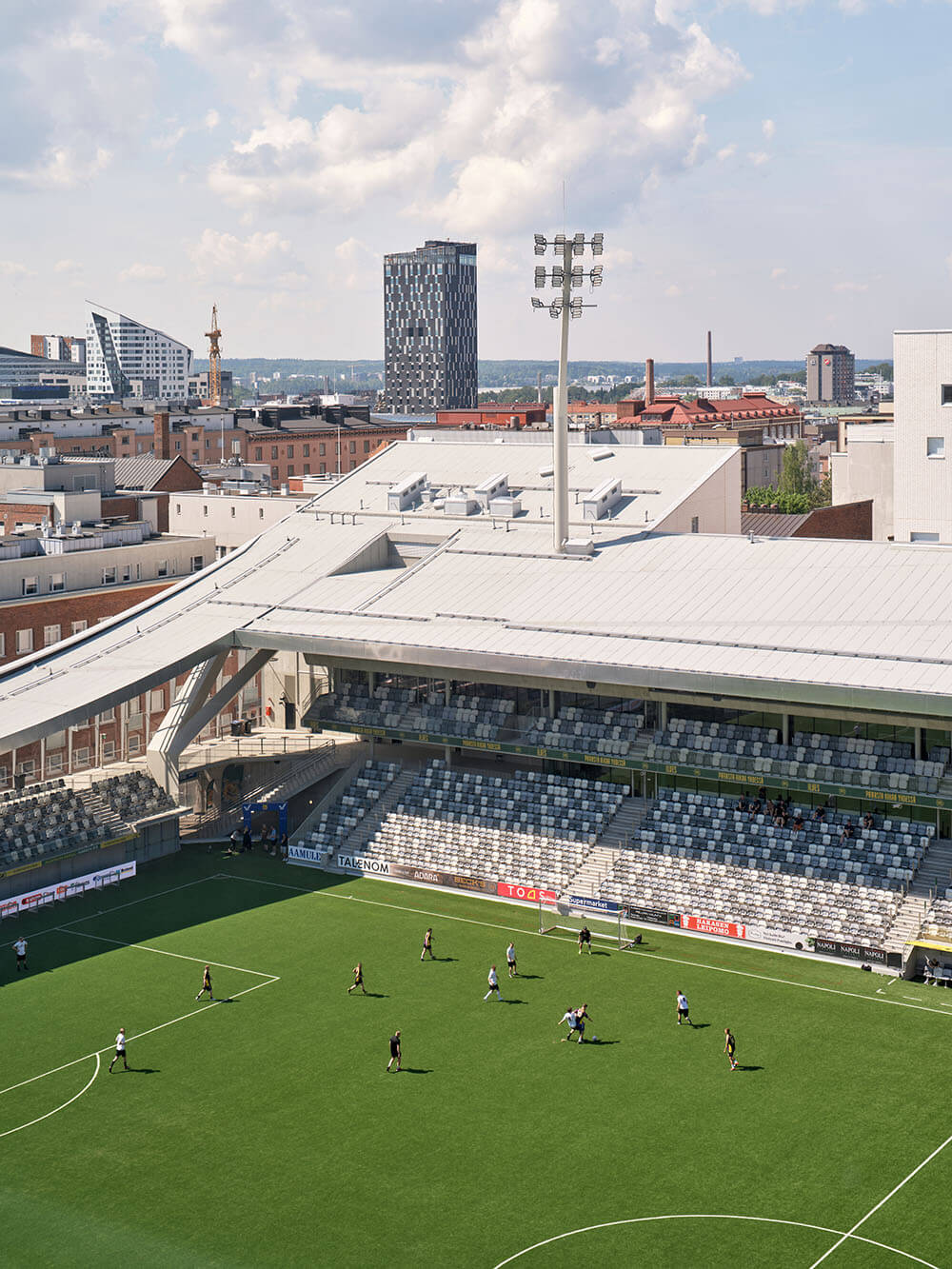
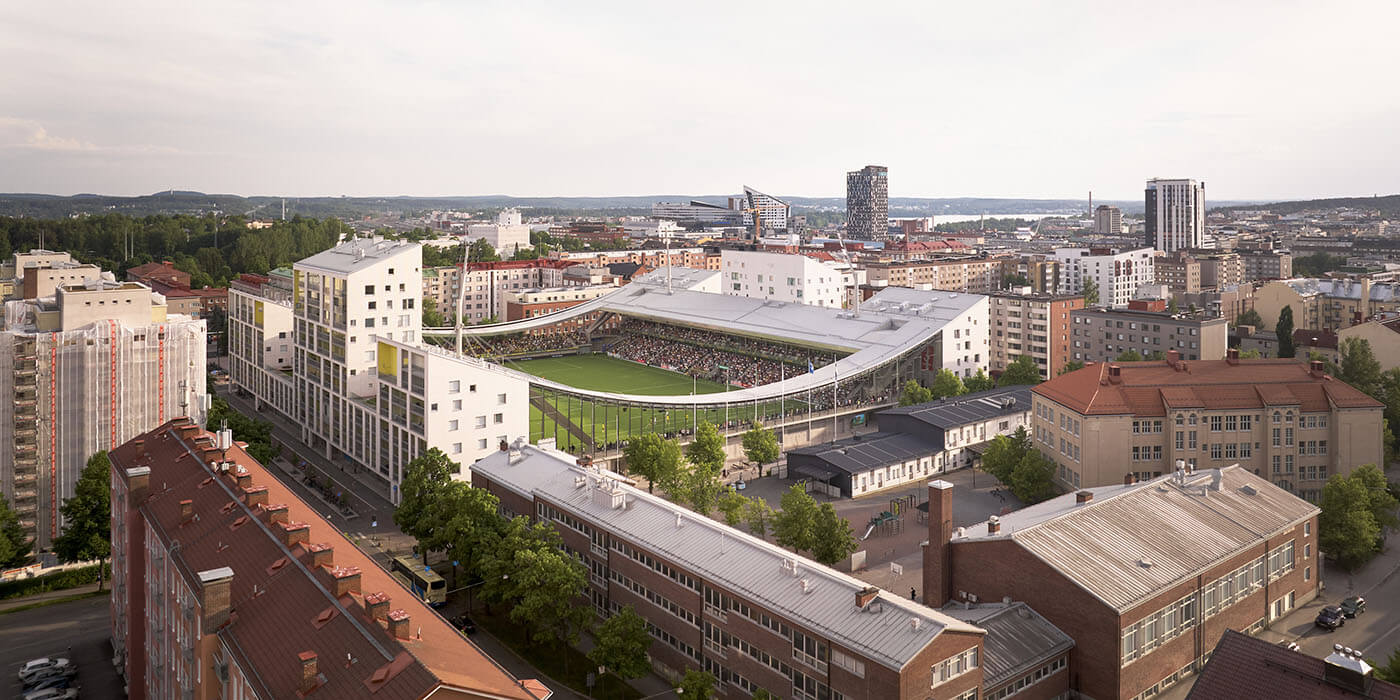
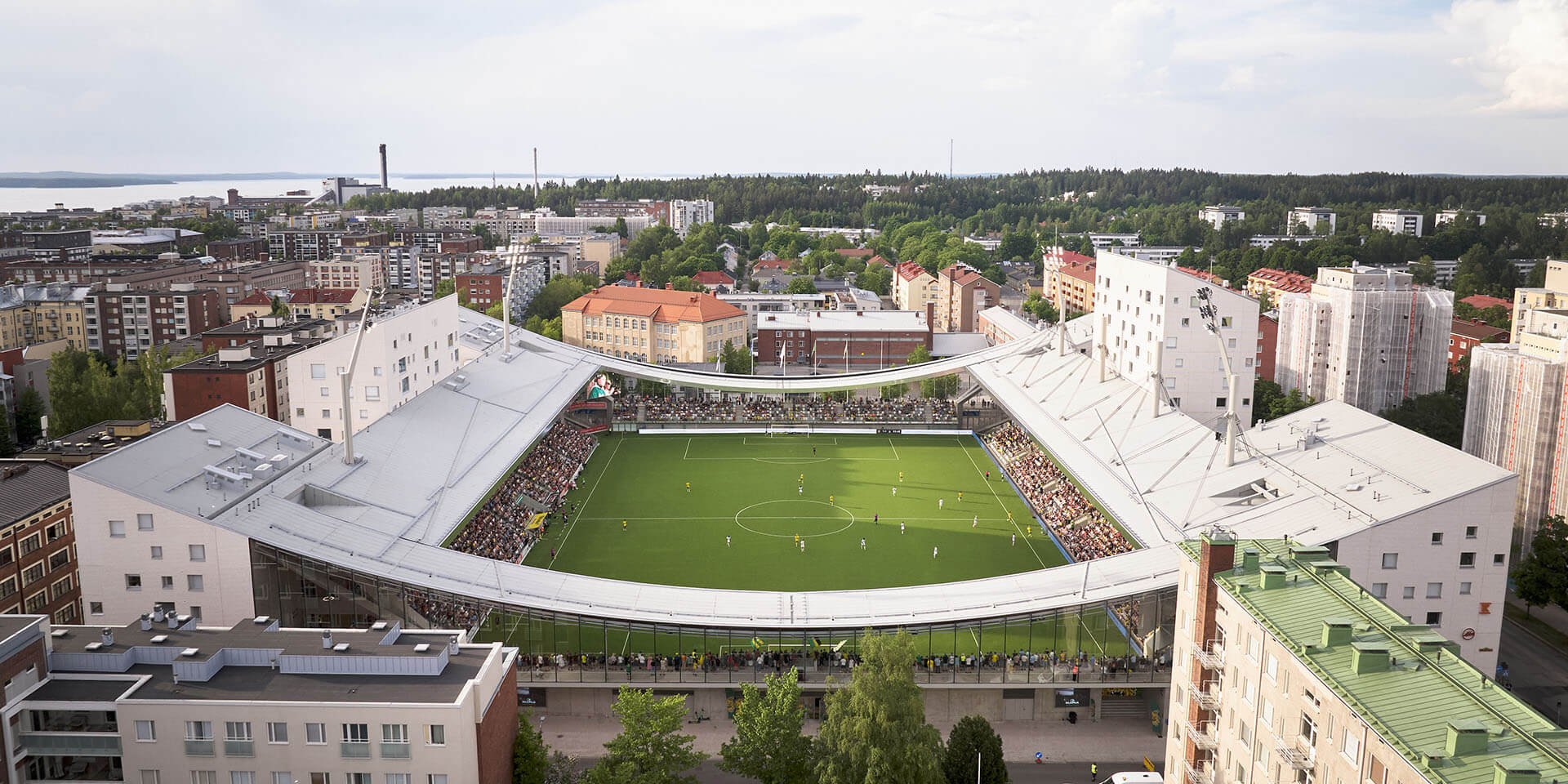
The Tammela Stadium in Tampere is a hybrid of a high-quality soccer stadium, resi­den­tial buil­dings, stores and parking areas.

Loca­tion

The Tammela Stadium in the epony­mous district of the Finnish city of Tampere (popu­la­tion 249,000) is a hybrid of a high-quality soccer stadium, resi­den­tial buil­dings, stores and parking areas.

The new buil­ding replaces one of Finland’s most tradi­tional stadiums from the 1930s on the same site. Despite the need for urban densi­fi­ca­tion, the city of Tampere decided to preserve this loca­tion for sport.

The realized design “Hattu­temppu ” (Hattrick) by JKMM Archi­tects had already emerged as the winner of an invited compe­ti­tion in 2014. It was opened in spring 2024.

Europa League

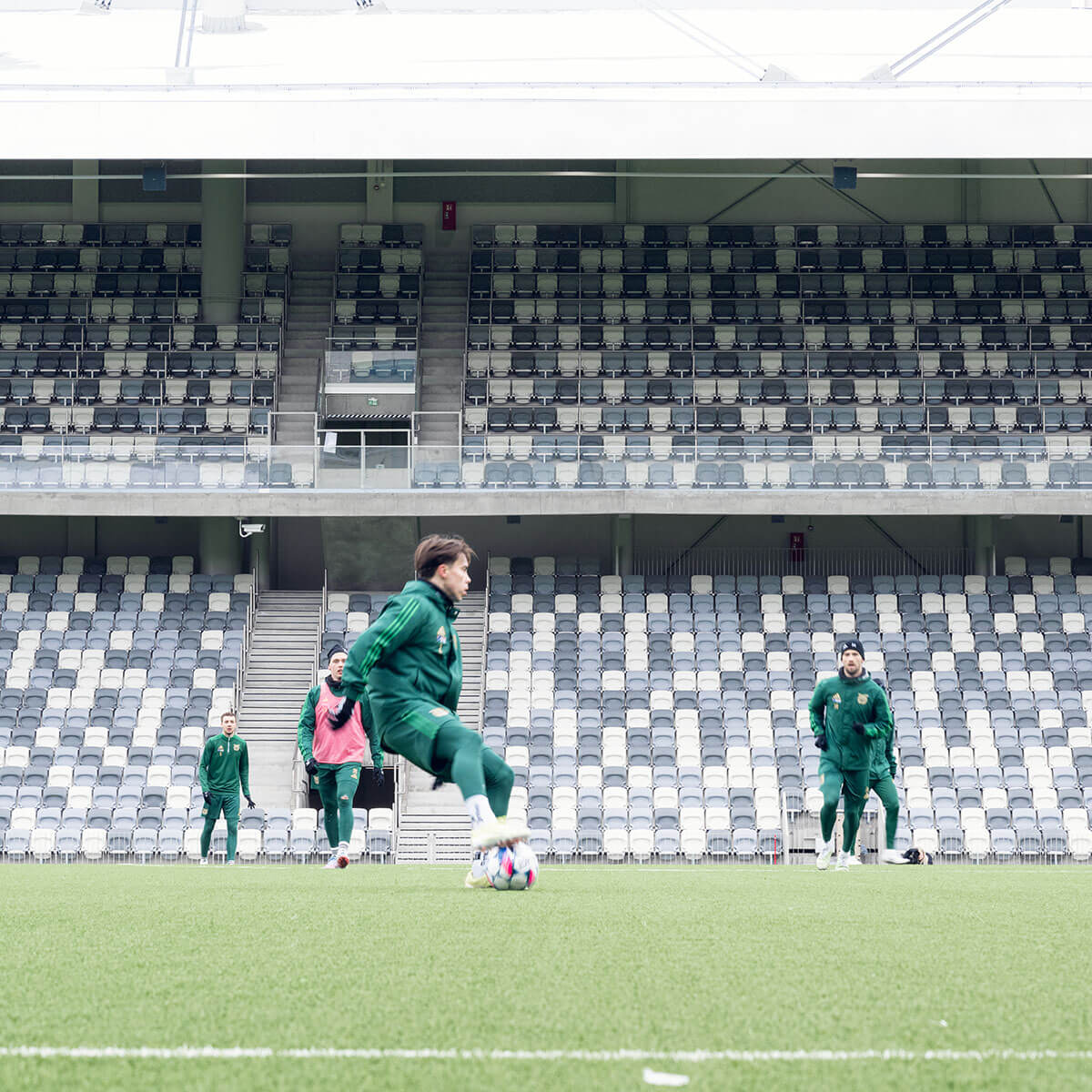
The Tammela Stadium offers both top-class soccer expe­ri­ences for 8,000 spec­ta­tors and first-class sports faci­li­ties for local resi­dents. With a total area of 13,500 m², it meets the requi­re­ments for inter­na­tional compe­ti­tions such as the UEFA Europa League or inter­na­tional matches. For concerts and major events, the capa­city can be expanded to 15,000 visi­tors.

Hybrid

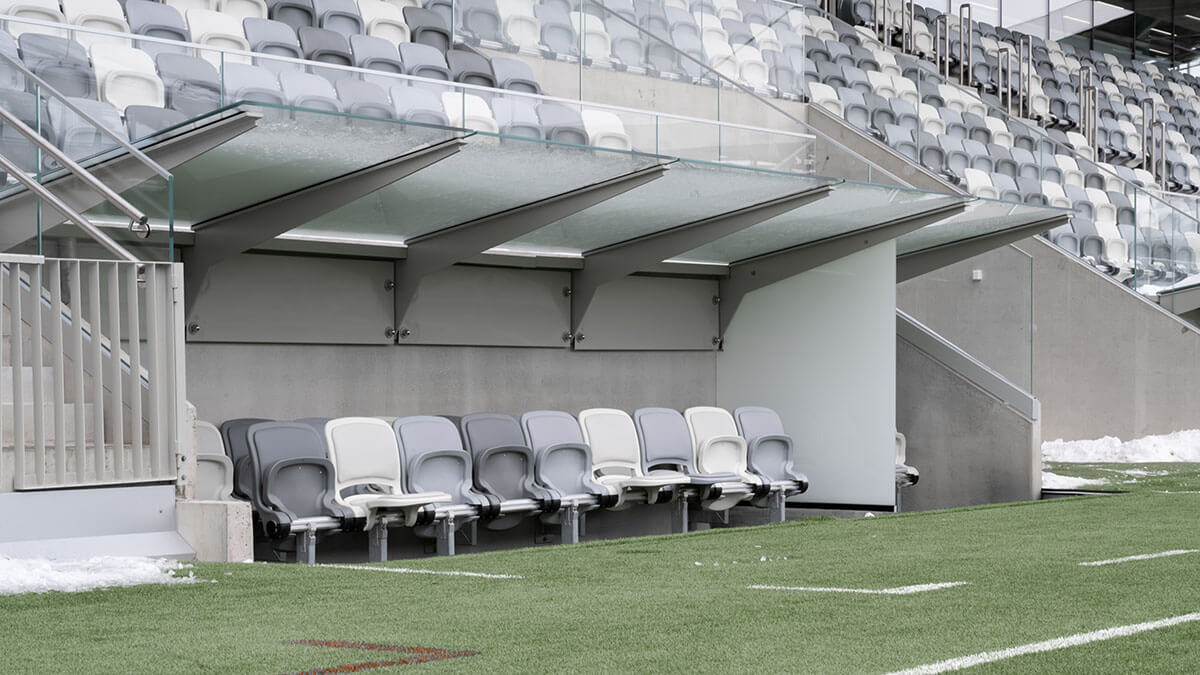
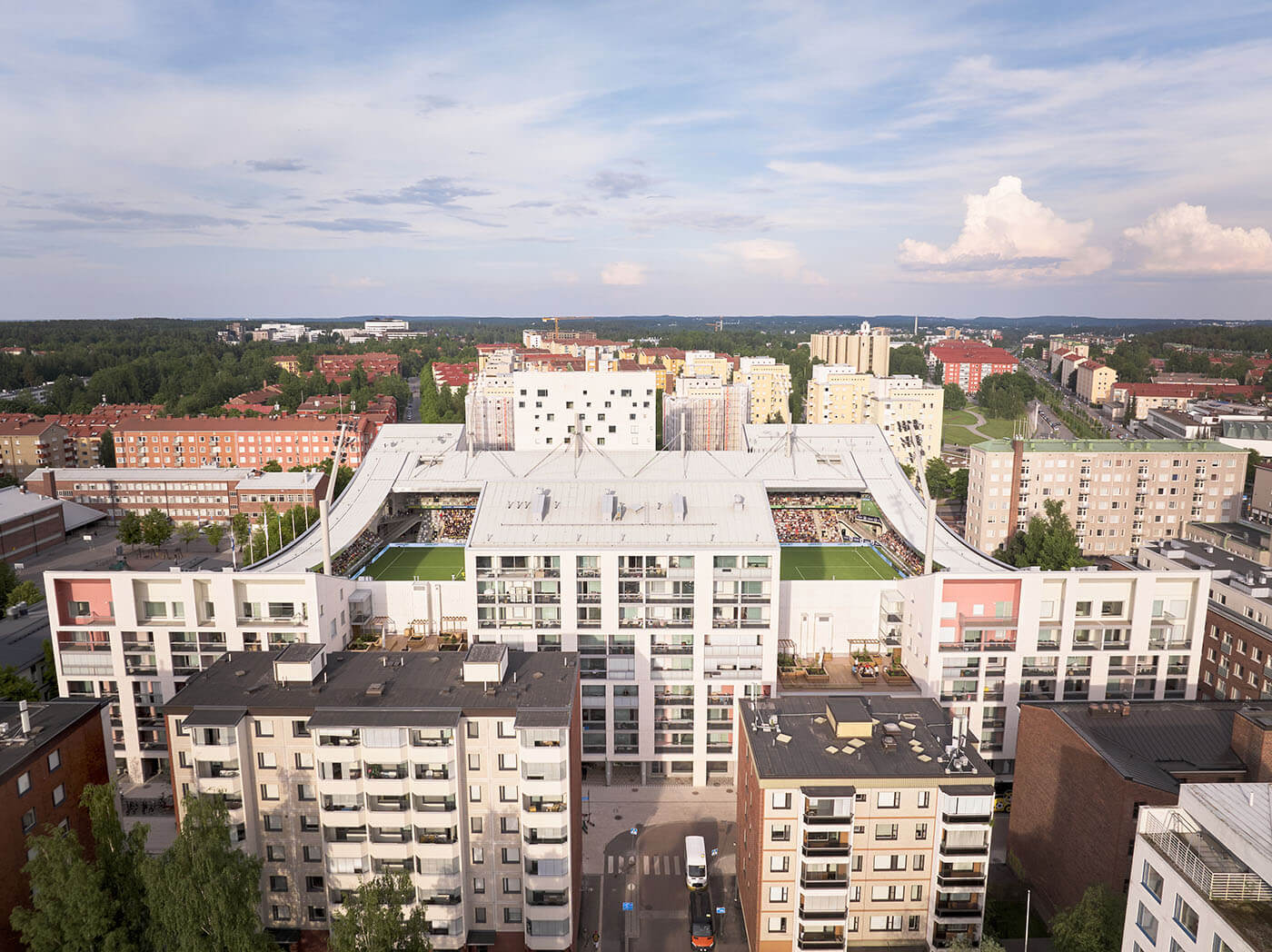
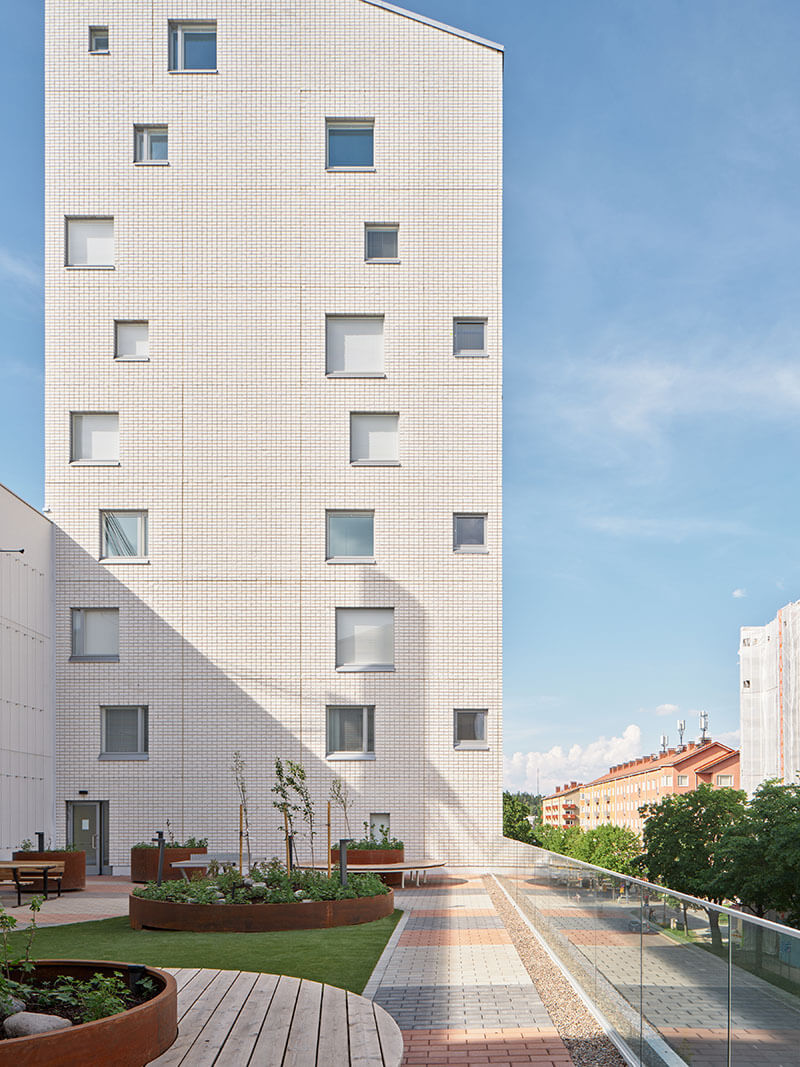
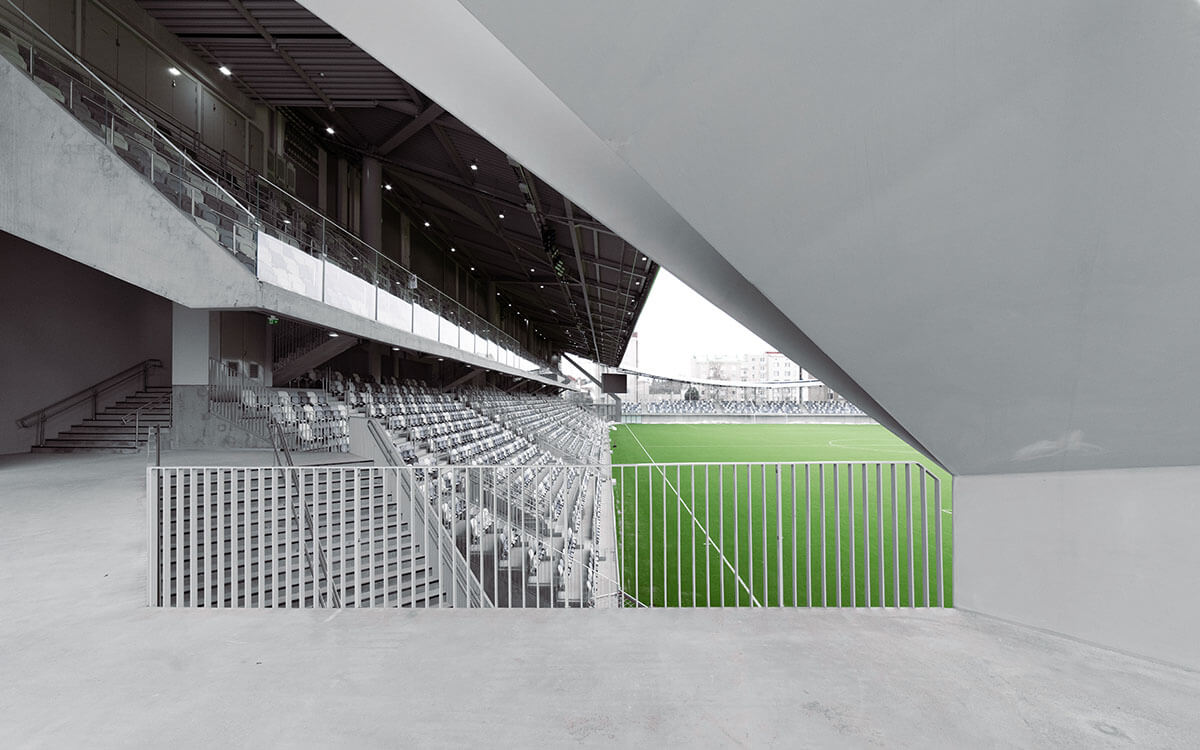
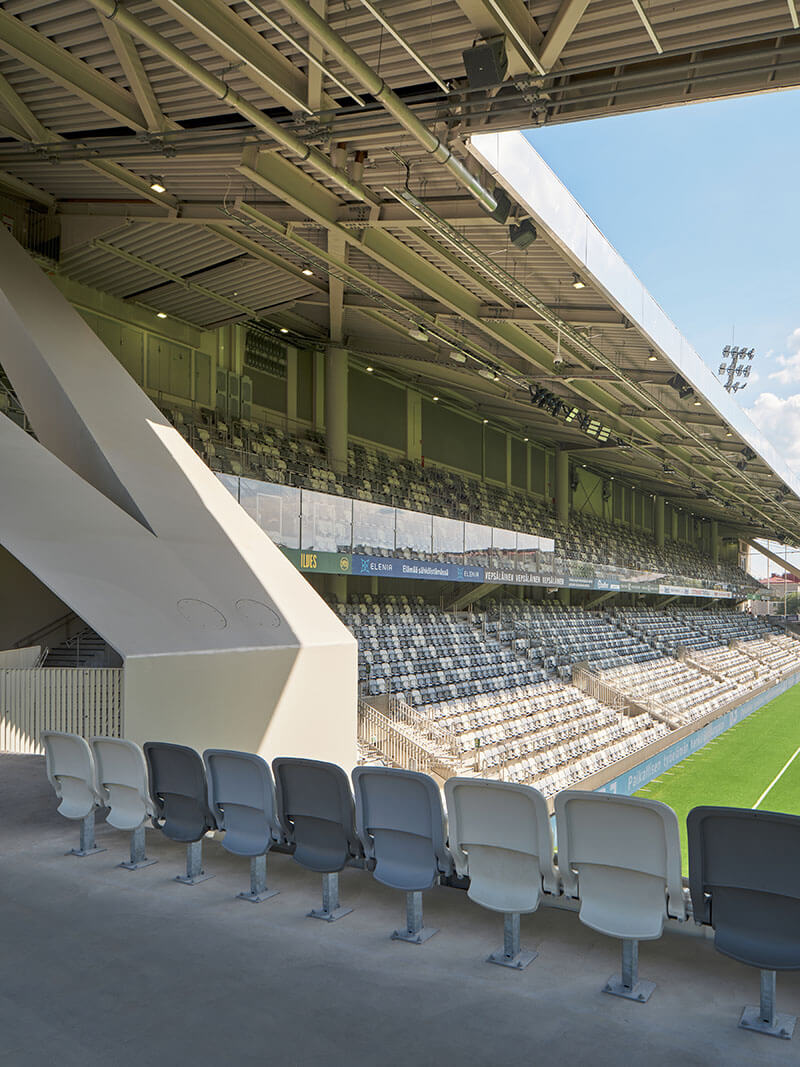
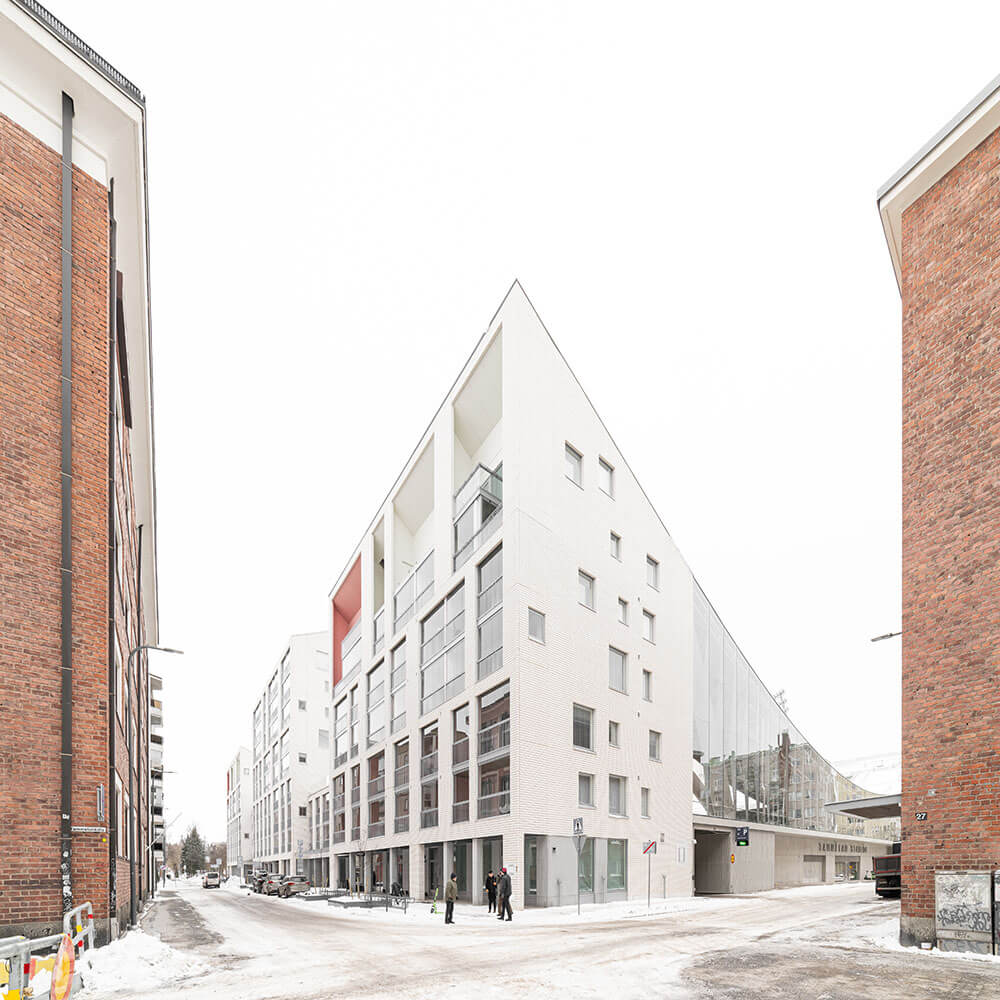
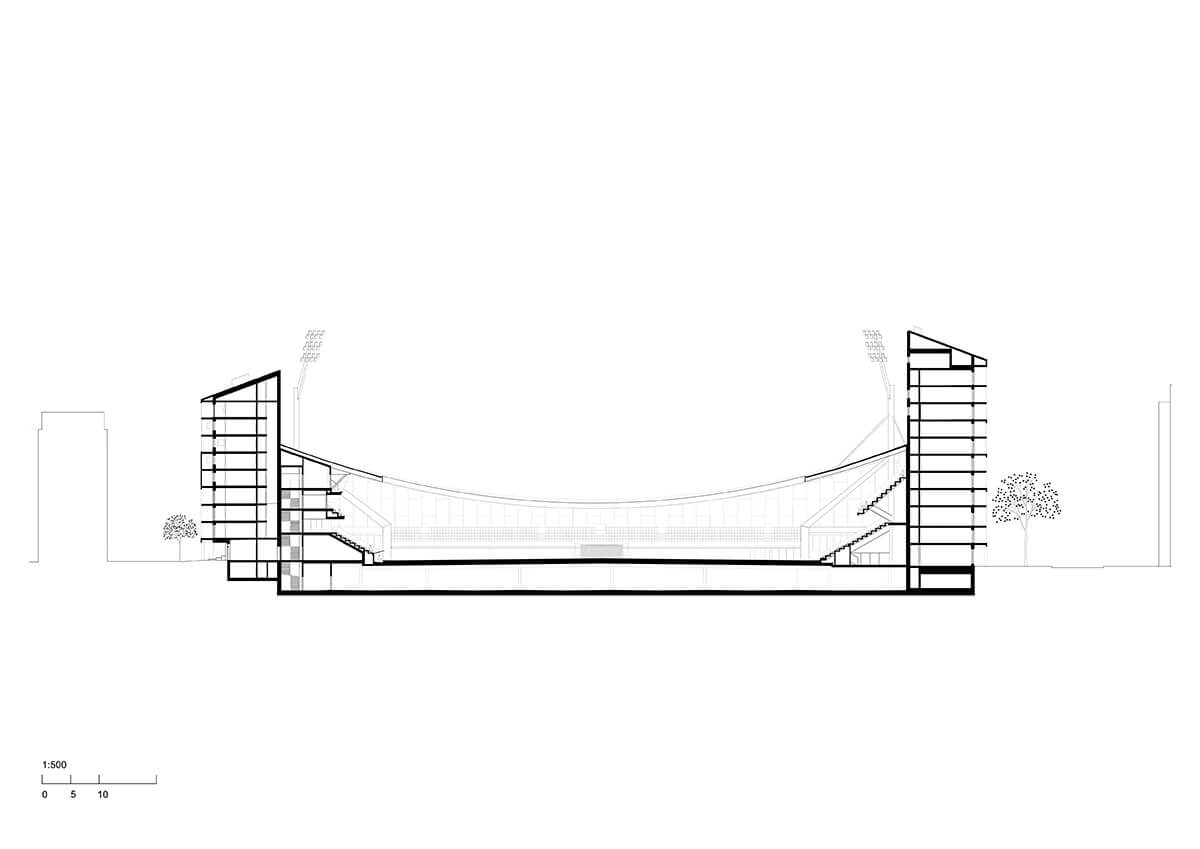
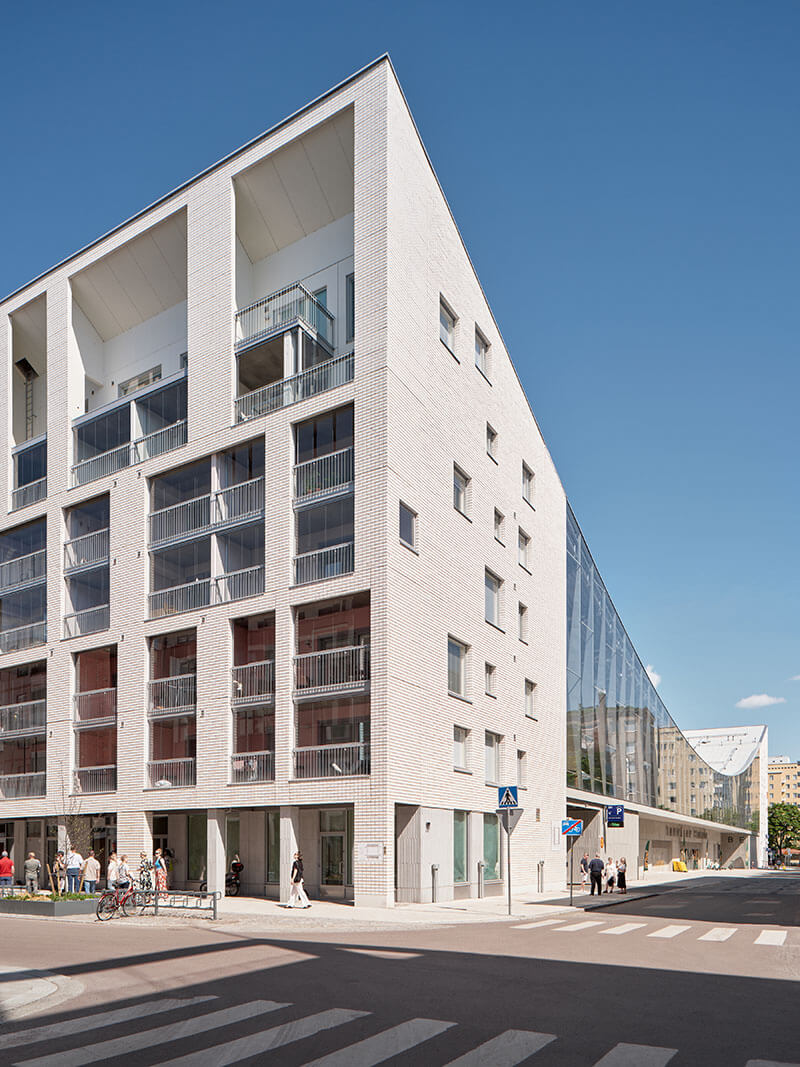
The design by JKMM Archi­tects creates a link between urban design, archi­tec­ture, struc­ture and traffic plan­ning. The stadium was inte­grated into an almost 50,000 m² block that includes five resi­den­tial buil­dings, a busi­ness center and parking areas in addi­tion to the stadium. The brick-clad resi­den­tial buil­dings are oriented towards the streets, while their inner cour­ty­ards are raised to the level of the stadium roofs. The stands rise directly from the edges of the pitch. The glazed entrances provide protec­tion from the weather without inter­rupting the connec­tion to the surroun­dings.

The most striking archi­tec­tural feature is the arched roof that spans the stadium from east to west. This over­han­ging steel struc­ture conti­nues over the roofs of the resi­den­tial buil­dings and visually inte­grates the stadium into its surroun­dings.

Orga­niza­tion

Tampere is one of the most dynamic cities in Finland and is focu­sing on sustainable densi­fi­ca­tion of the city center. Instead of demo­li­shing buil­dings, old stands, lighting and pitch struc­tures were reused at other loca­tions in the city.

Tammela Stadium can be used all year round. In addi­tion to soccer, there is a wide range of sports on offer. The combi­na­tion of housing, retail and sport creates a lively urban culture that blends harmo­niously into the surroun­dings. The resi­den­tial buil­dings are oriented towards the park roads.

Deve­lo­p­ment

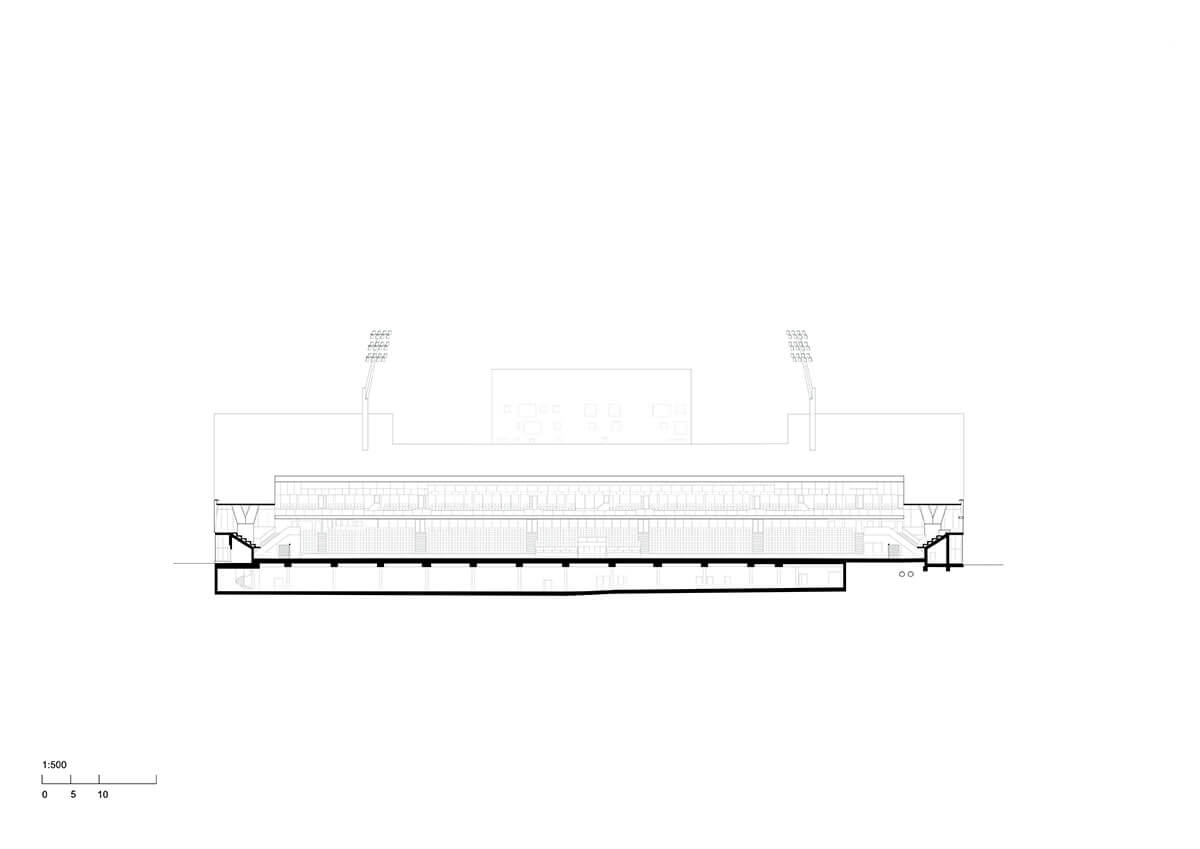
Spec­ta­tors enter the stadium via seats to the south and north, while visi­ting fans use a sepa­rate entrance to the north-east. The areas for athletes, VIPs and media are located in the west stand, with the main stand on the oppo­site side. Commer­cial areas and parking spaces are located under­neath the stadium.

The concept of the resi­den­tial buil­dings focuses on diver­sity. On some of the upper floors, tenants even have an unob­s­tructed view of the pitch.

High quality

The design by JKMM Archi­tects creates a link between urban design, archi­tec­ture, struc­ture and traffic plan­ning. The stadium was inte­grated into an almost 50,000 m² block, which includes five resi­den­tial buil­dings, a busi­ness center and parking areas next to the stadium. The stands rise directly from the edges of the pitch. The glazed entrances provide protec­tion from the weather without inter­rupting the connec­tion to the surroun­ding area.

The most striking archi­tec­tural feature is the arched roof that spans the stadium from east to west. This over­han­ging steel struc­ture conti­nues over the roofs of the resi­den­tial buil­dings and visually inte­grates the stadium into its surroun­dings.

Tammela Stadium combines high-quality sports infra­struc­ture with urban living space and creates a new form of hybrid stadium use


Project data

Archi­tect

JKMM Archi­tects

Buil­ding owner

City of Tampere

Users

FC Ilves Tampere

Address

Tammela Sadium
Tammel­an­katu 25
33500 Tampere
Finland

Opening

2024

Photos

Hannu Rytky, Tuomas Uusheimo (photos)
Tapio Snellman (video)

Text

Johannes Bühl­be­cker
More Sports Media

Videos

Our news­letter

Your stage

Publish your project or product here!

Super Stadium

Super Stadium in Durrës

City center


MVRDV

“The Super Stadium takes an inno­va­tive approach to inte­gra­ting a stadium into the city.”

MVRDV

Link

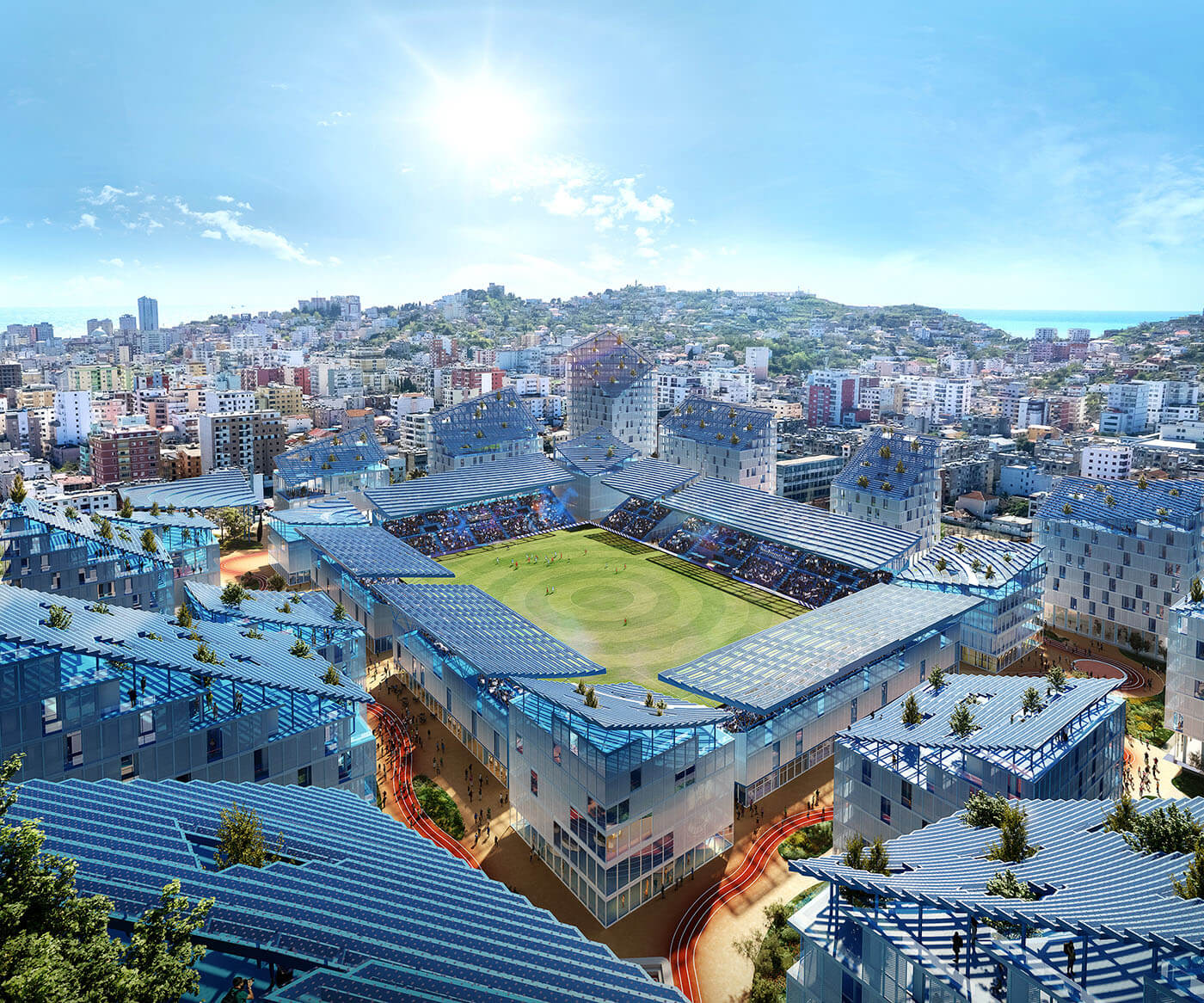
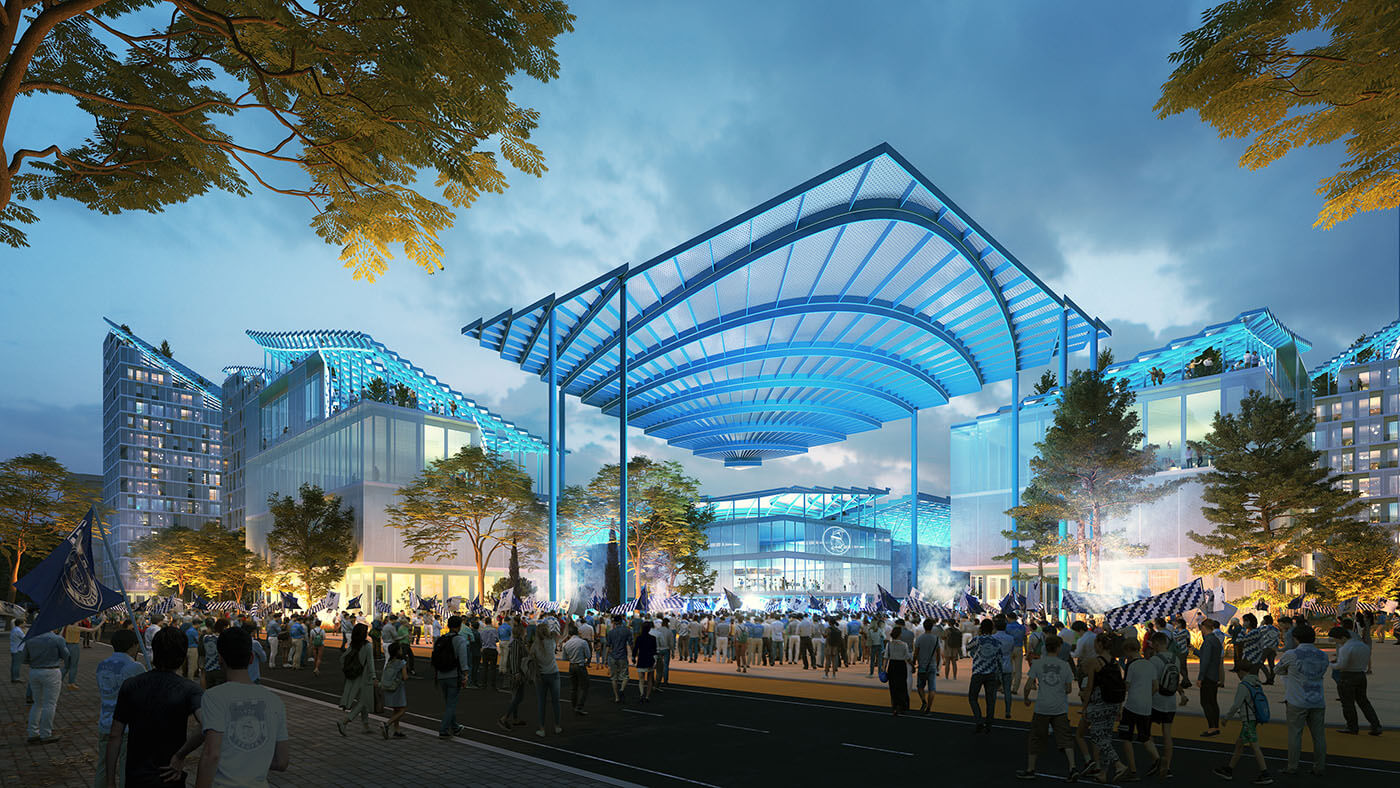
The design for the Super Stadium in Durrës not only aims to preserve the loca­tion in the city, but also to seam­lessly link the stadium and the city. A bowl-shaped exten­sion of the entire district with grand­stand-like roof areas turns the stadium into an open, invi­ting place where the neigh­bor­hood becomes part of the action.

The concept aims to create a vibrant, inclu­sive and sustainable envi­ron­ment that gives the Alba­nian city (popu­la­tion 100,000) a new, dynamic iden­tity.

The design comes from MVRDV.

Park

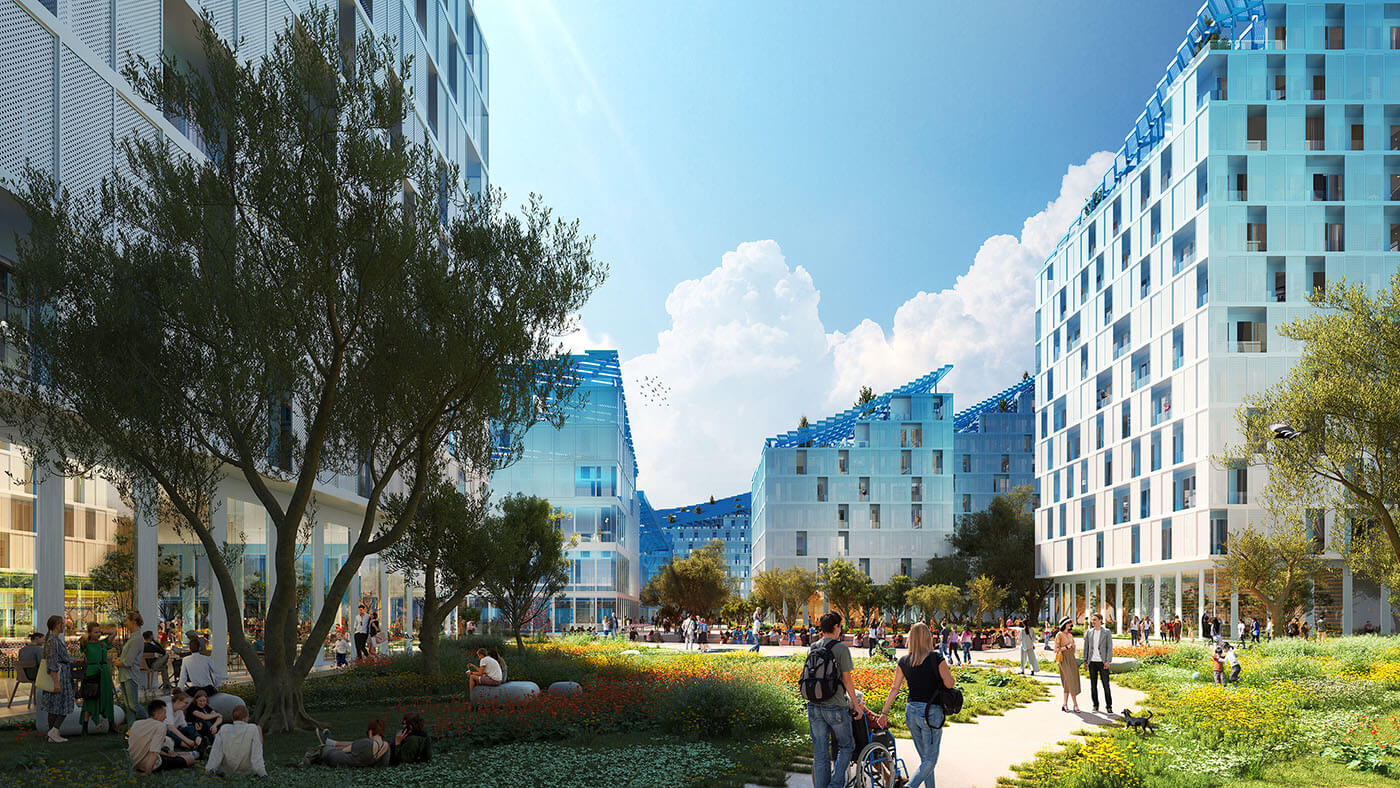
The Super Stadium will be built on the site of the exis­ting Niko Dovana Stadium, which is located in a predo­mi­nantly resi­den­tial area in the north of the city center. This area is curr­ently one of the few green spaces in the surroun­ding area, and MVRDV wants to preserve and develop it.

An essen­tial part of the plan­ning is ther­e­fore the relo­ca­tion of the previously adja­cent trai­ning pitches to another loca­tion within the city. This measure will create space for a wooded park that surrounds the stadium in a ring.

Here, native Alba­nian tree species are planted around the playing field, so to speak. A sports loop, a conti­nuous circular path, winds its way through the park and connects a variety of sports and leisure areas.

The area remains largely car-free – only two access roads lead to a parking lot located below the new stands.

Buil­ding

Twenty buil­dings will be inte­grated into the park, harmo­niously inter­wea­ving the stadium complex with its surroun­dings.

The use of the buil­dings is clearly struc­tured: In the north, resi­den­tial buil­dings adjoin the exis­ting resi­den­tial area. Educa­tional and cultural faci­li­ties are located to the south-east, adjoi­ning the schools to the east. In the south-west, in the imme­diate vici­nity of the city center, offices, hotels and retail space are being built.

All buil­dings are posi­tioned in such a way that they offer visual contact with the inside of the stadium, i.e. towards the pitch. Their stag­gered heights follow a well thought-out struc­ture: the tallest buil­dings are on the outer edge of the quarter, while the lower ones are directly adja­cent to the stadium. Their stepped roofs slope towards the playing surface and visually and func­tion­ally extend the stadium stands.

This allows the atmo­sphere of the sporting events to radiate into the surroun­ding area and involve the entire neigh­bor­hood.

Iden­tity

The archi­tec­ture combines aesthetic and func­tional aspects: The façade colors are based on the first divi­sion club KF Teuta Durrës, which is at home in both the old and the new stadium. At ground level, the buil­dings begin in white and gradu­ally change to a deep blue – in keeping with the club’s colors.

To make the district sustainable, the Super Stadium relies on a wide range of envi­ron­men­tally friendly tech­no­lo­gies: solar panels on the roofs gene­rate rene­wable energy and at the same time provide shade for green roof areas.

Over­han­ging storey ceilings and shading façade panels reduce the energy required for cooling. A water reser­voir under­neath the pitch stores rain­water to serve as a resource during dry periods.

Sport Loop

The Super Stadium is not only desi­gned for major events, but remains a lively place all year round. The Sport Loop, which runs through the park, serves as a wide prome­nade and access route for stadium visi­tors on match days. In addi­tion, one of the sports areas can be used as a logi­stics zone for major events. This multiple use of diffe­rent elements keeps the area active and lively even on non-match days.

The design shows how a stadium can not only exist as an isolated venue, but also estab­lish itself as an active, inte­gra­tive part of the urban land­scape.

If it were realized.

Project data

Archi­tect

MVRDV
Winy Maas, Stefan de Koning, Valen­tina Chiappa Nunez, José Garcia Garcia, Stijn Lanters, Fran­cisco Polo, Dirco Kok, Alberto Lorenzo, Fernandez Sastre

Buil­ding owner

Bashkia Durrës

Draft

2023

Address

Niko Dovana Stadium
Rruga Paskal Prodani 1761
Durrës
Albania

Visua­liza­tion

Antonio Luca Coco, Angelo La Delfa, Luana La Martina,Marco Fabri

Text

Johannes Bühl­be­cker
More Sports Media

Our news­letter

Your stage

Publish your project or product here!

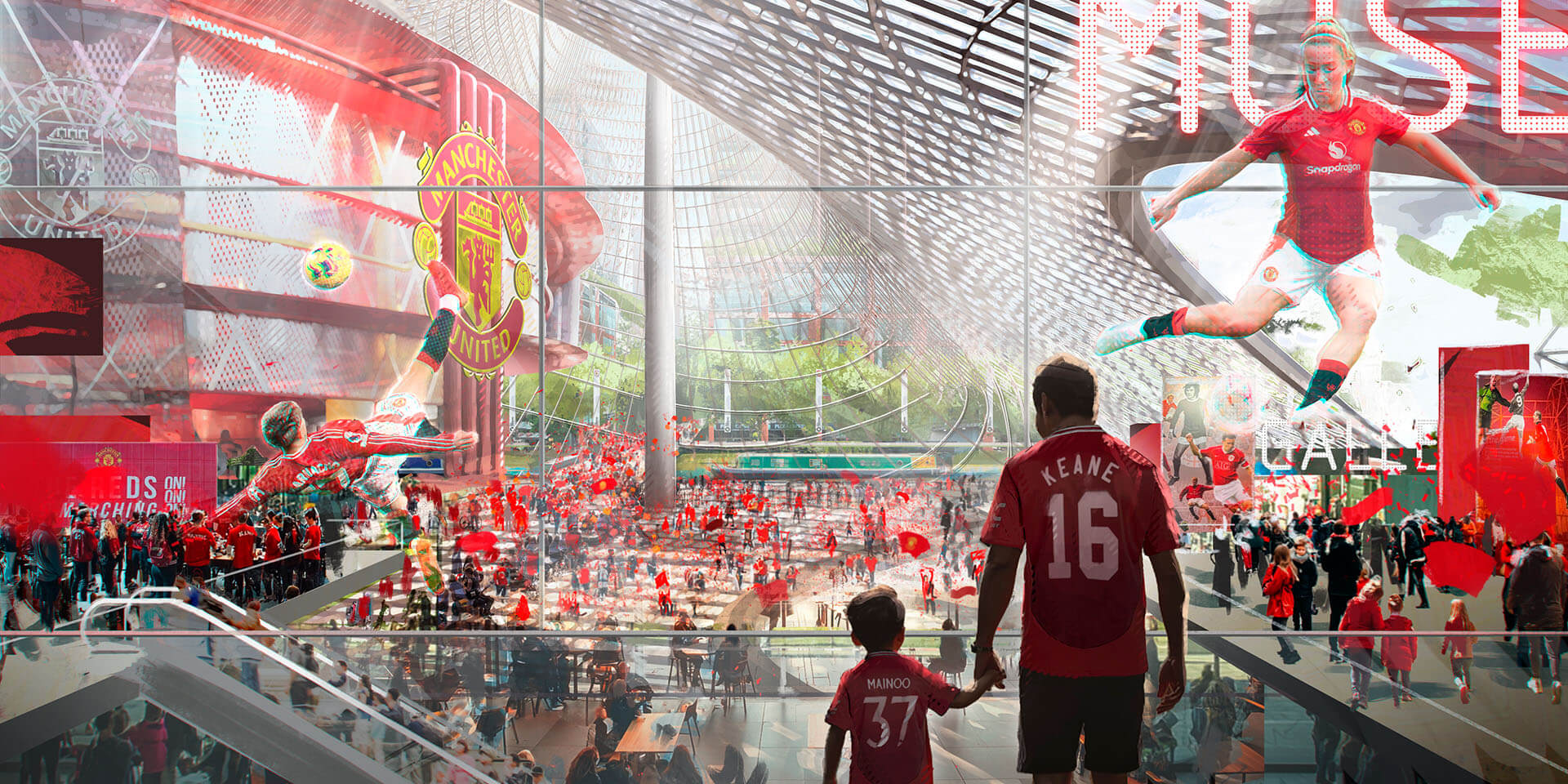
New Old Traf­ford Stadium

New Old Traf­ford Stadium

If only, then already


Foster + Part­ners

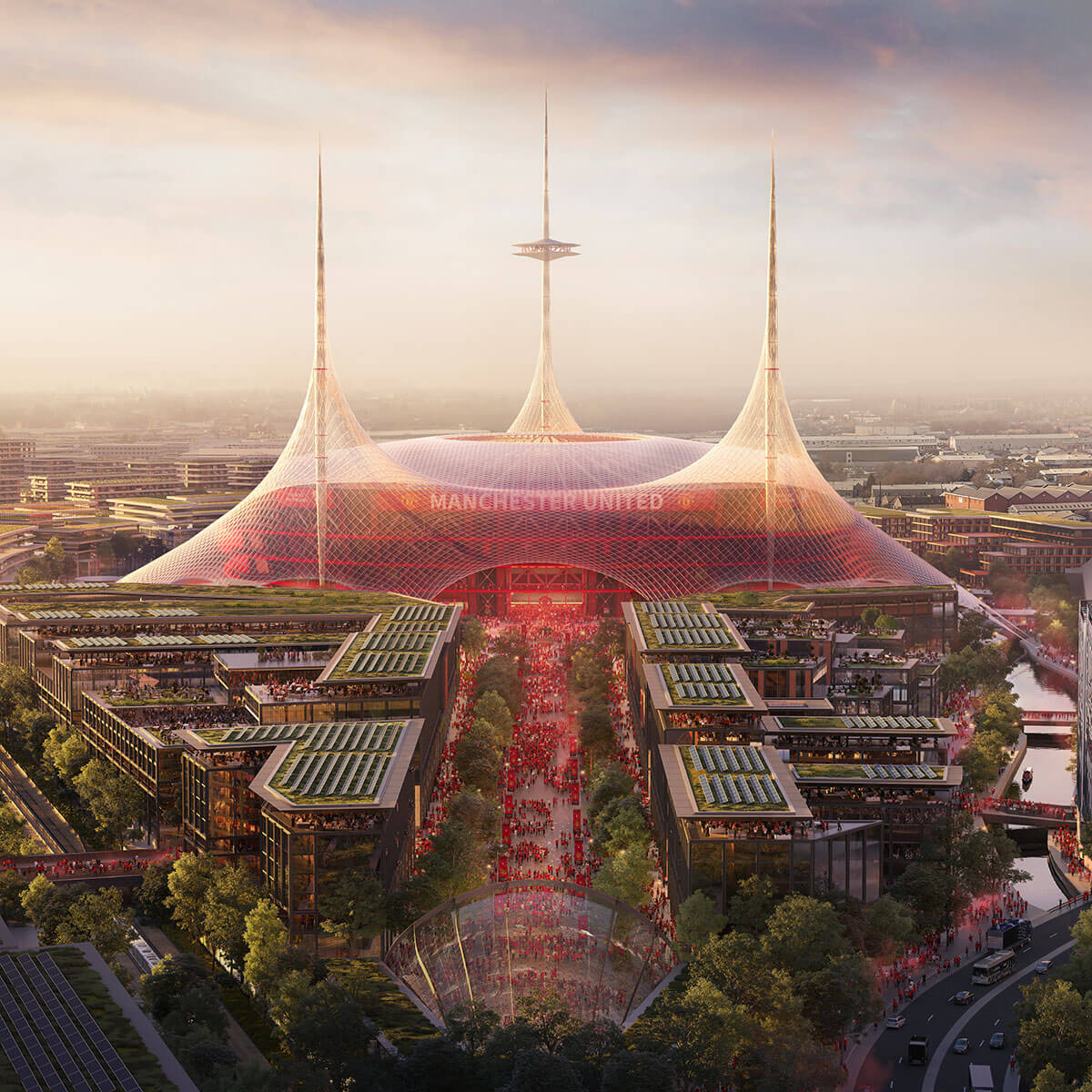
The archi­tec­ture firm Foster + Part­ners has presented a master plan for the New Old Traf­ford Stadium District, the center­piece of which is a new stadium for Manchester United. The concept envi­sages a compre­hen­sive mix of sport, housing and leisure, with the stadium being the driving force behind the urban renewal.

The client is Manchester United FC.

MUFC

Manchester United Foot­ball Club was founded in 1878, is the English record cham­pion with 20 league titles, has won every Euro­pean club title and is one of the most popular clubs in the world. MUFC has been at home at Old Traf­ford stadium since 1910.

In recent years, however, the club has only enjoyed mode­rate sporting success and is curr­ently langu­is­hing in the lower midfield of the Premier League. Although the stadium is a cult site for the fans, it no longer meets today’s commer­cial requi­re­ments despite nume­rous moder­niza­tions and expan­sions.

Perhaps this deve­lo­p­ment was one more reason for the club’s owners to reno­vate the entire district with the new stadium.

Plaza of dreams

Old Traf­ford was called the “theater of dreams” because it was a secluded space outside of the ever­yday life outside – a world of its own.

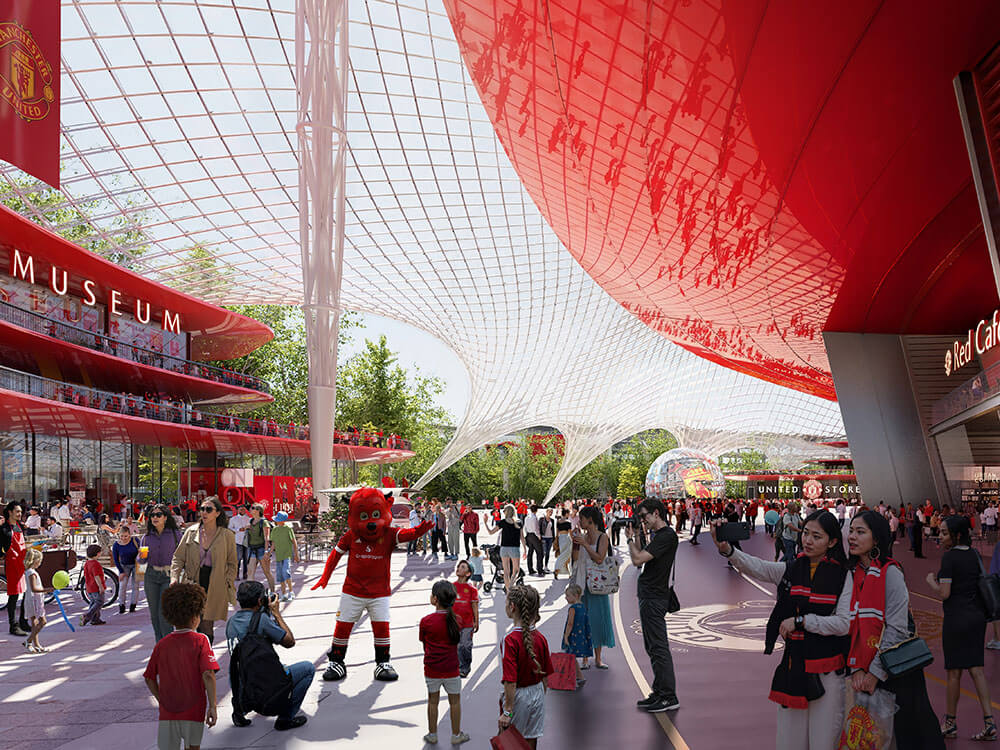
The design for the New Old Traf­ford Stadium now breaks with such tradi­tional stadium concepts: instead of a closed arena, an open, invi­ting design is proposed that opens up to the surroun­ding area. Circum­fe­ren­tial “balco­nies” offer views into the new district and make the stadium an inte­gral part of the city.

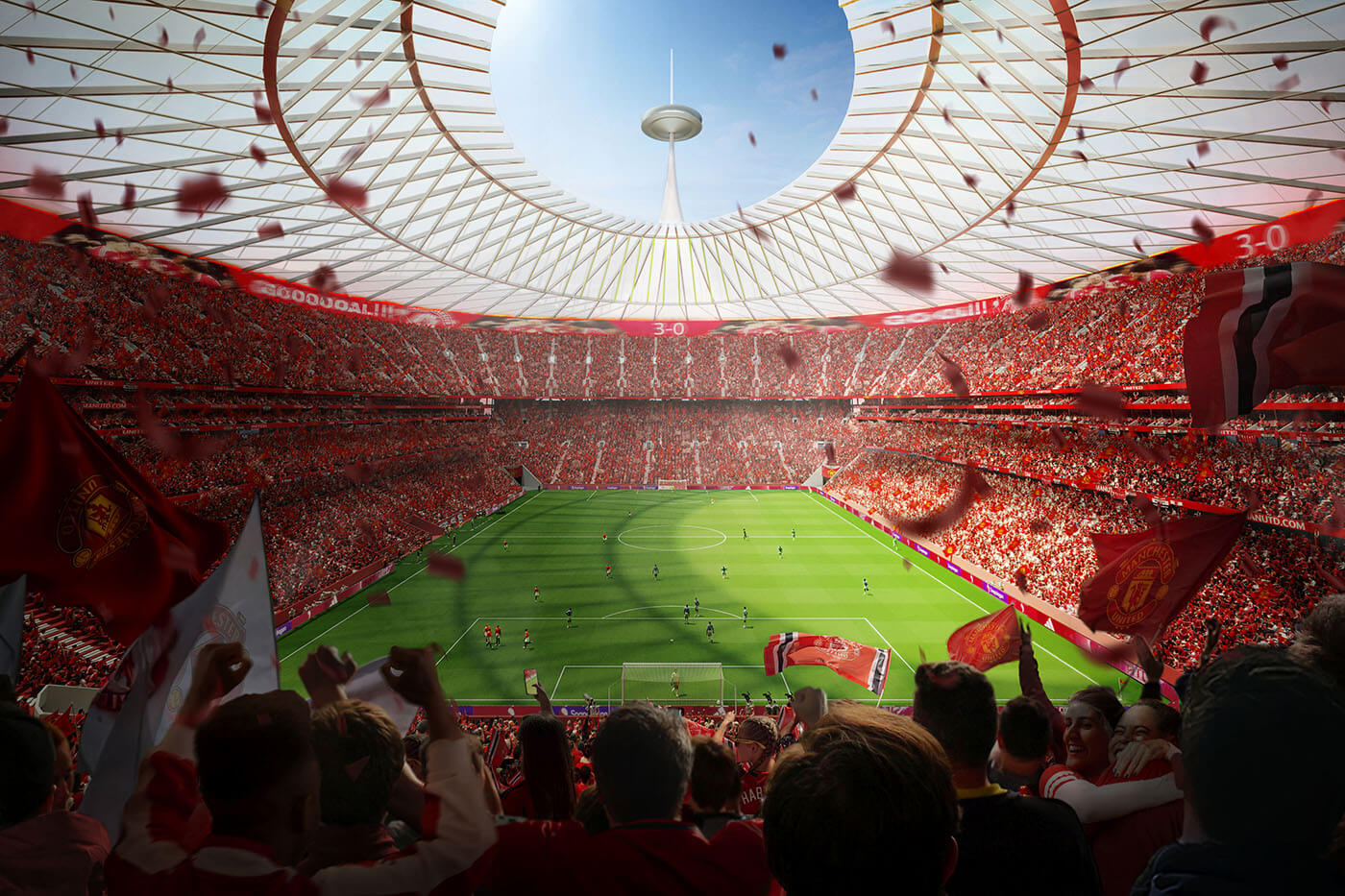
The new Stas­dion offers space for 100,000 spec­ta­tors. It is spanned by an exten­sive roof that coll­ects energy and rain­water and at the same time protects a huge public plaza. This plaza is to become a meeting place, not just on match days. The aim is to create a sustainable, pede­strian-friendly stadium land­scape that is easily acces­sible thanks to the expan­sion of public trans­por­ta­tion.

The archi­tec­tural concept picks up on the history of Manchester United and also aims to offer fans a sense of iden­ti­fi­ca­tion. Three striking masts, inspired by the club’s trident emblem, support the roof and create a new silhou­ette in the Manchester skyline.

Theatre of dreams

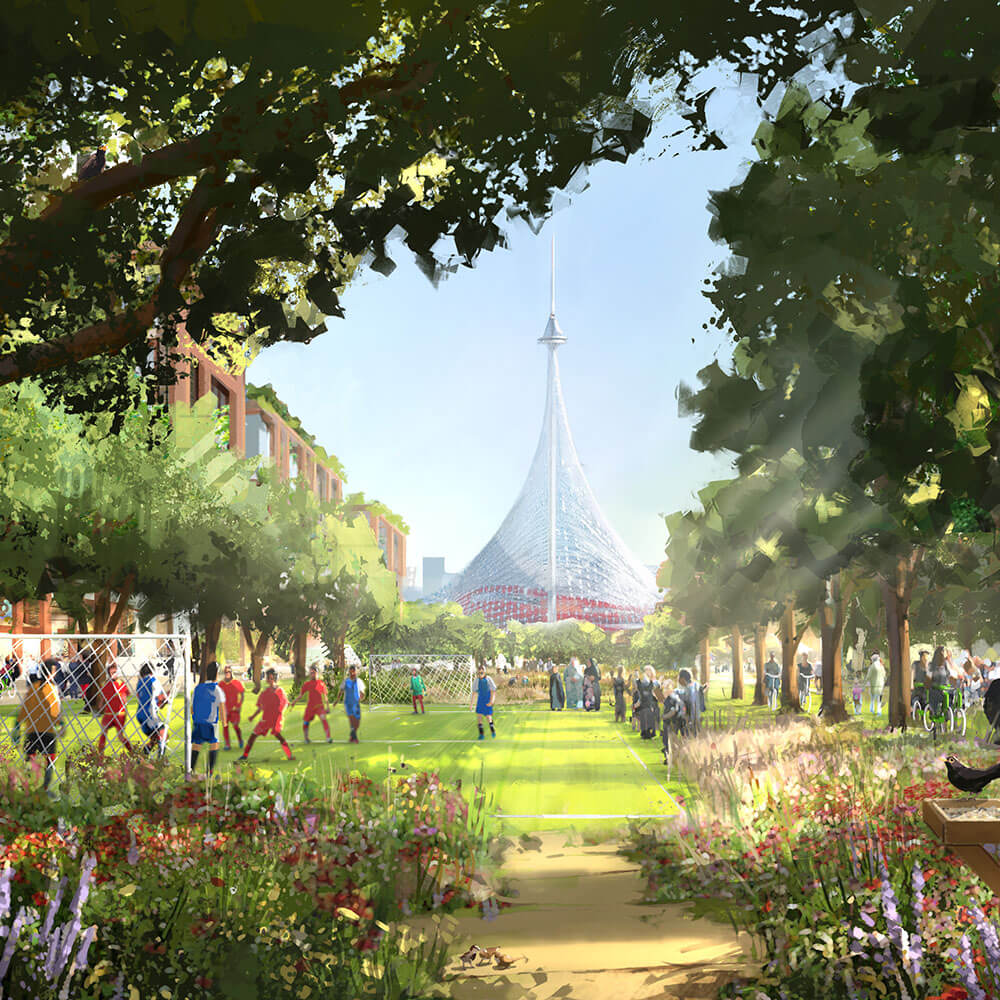
The entire New Old Traf­ford Stadium district is part of a gigantic urban deve­lo­p­ment project. It includes a network of public green spaces, roads, bridges and water features along the Manchester Ship Canal. The sustainable design provides for direct connec­tions to exis­ting city districts and trans­port networks. Rene­wable ener­gies, rain­water harve­s­ting and inno­va­tive cons­truc­tion methods are to play a central role.

There is not yet a time­table for the imple­men­ta­tion of the project.


Project data

Desi­gner

Foster + Part­ners
River­side
22 Hester Road
London
SW11 4AN
United Kingdom

Buil­ding owner

Manchester United FC

Illus­tra­tions

Foster + Part­ners

Text

Johannes Bühl­be­cker
More Sports Media

Address

Old Traf­ford
Stret­ford
Manchester M16 0RA
United Kingdom

Videos

Our news­letter

Your stage

Publish your project or product here!

Laje Foot­ball Field

Laje Foot­ball Field

Form follows site

Miguel Marce­lino

The Laje Foot­ball Field is “actually” “just” a sports field on diffi­cult terrain in Portugal. However, its embed­ding in the topo­graphy makes the project an important part of modern sports archi­tec­ture, some­thing like the little brother of the Estádio Muni­cipal de Braga by Eduardo Souto de Moura.

Retai­ning wall

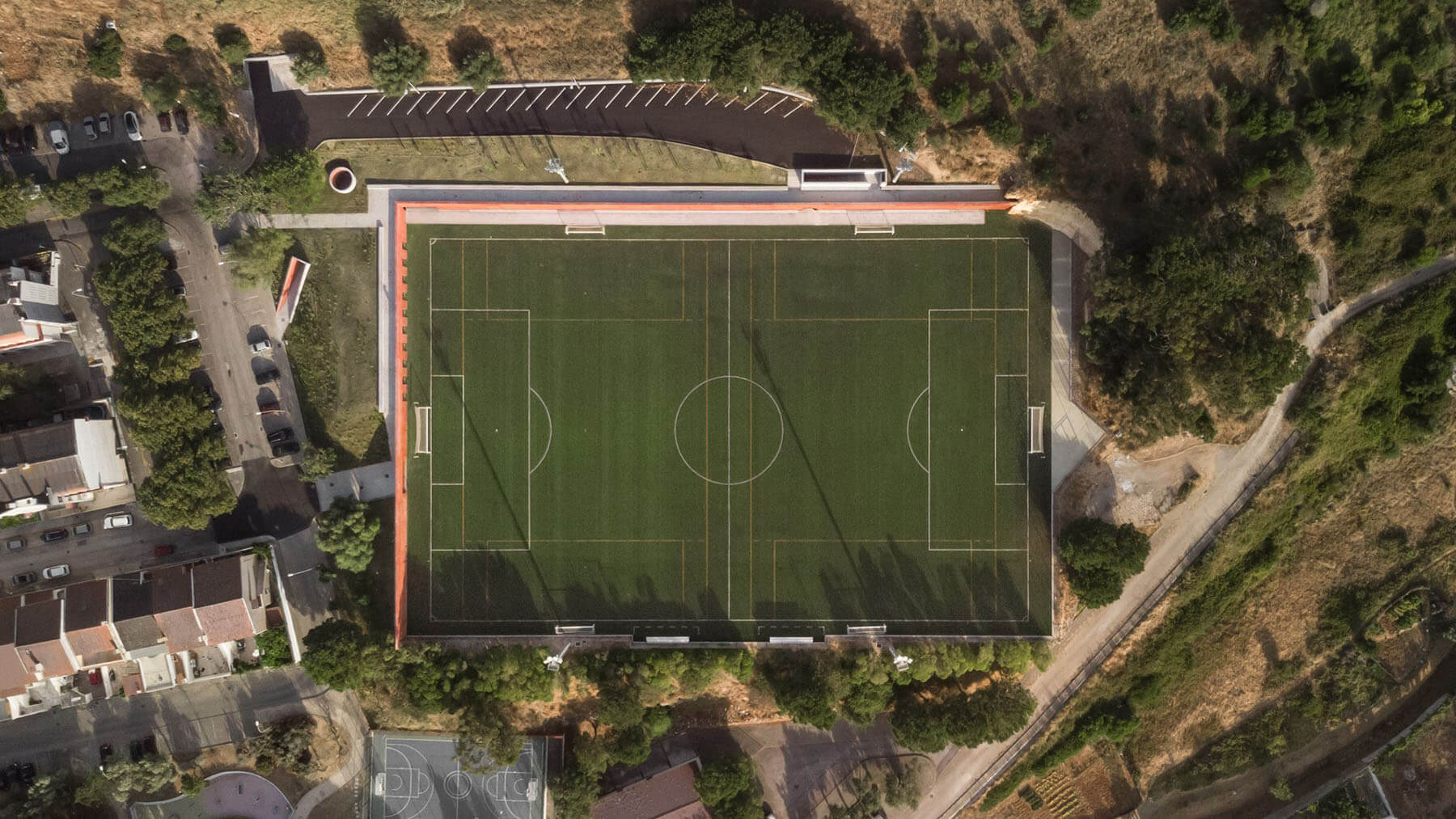
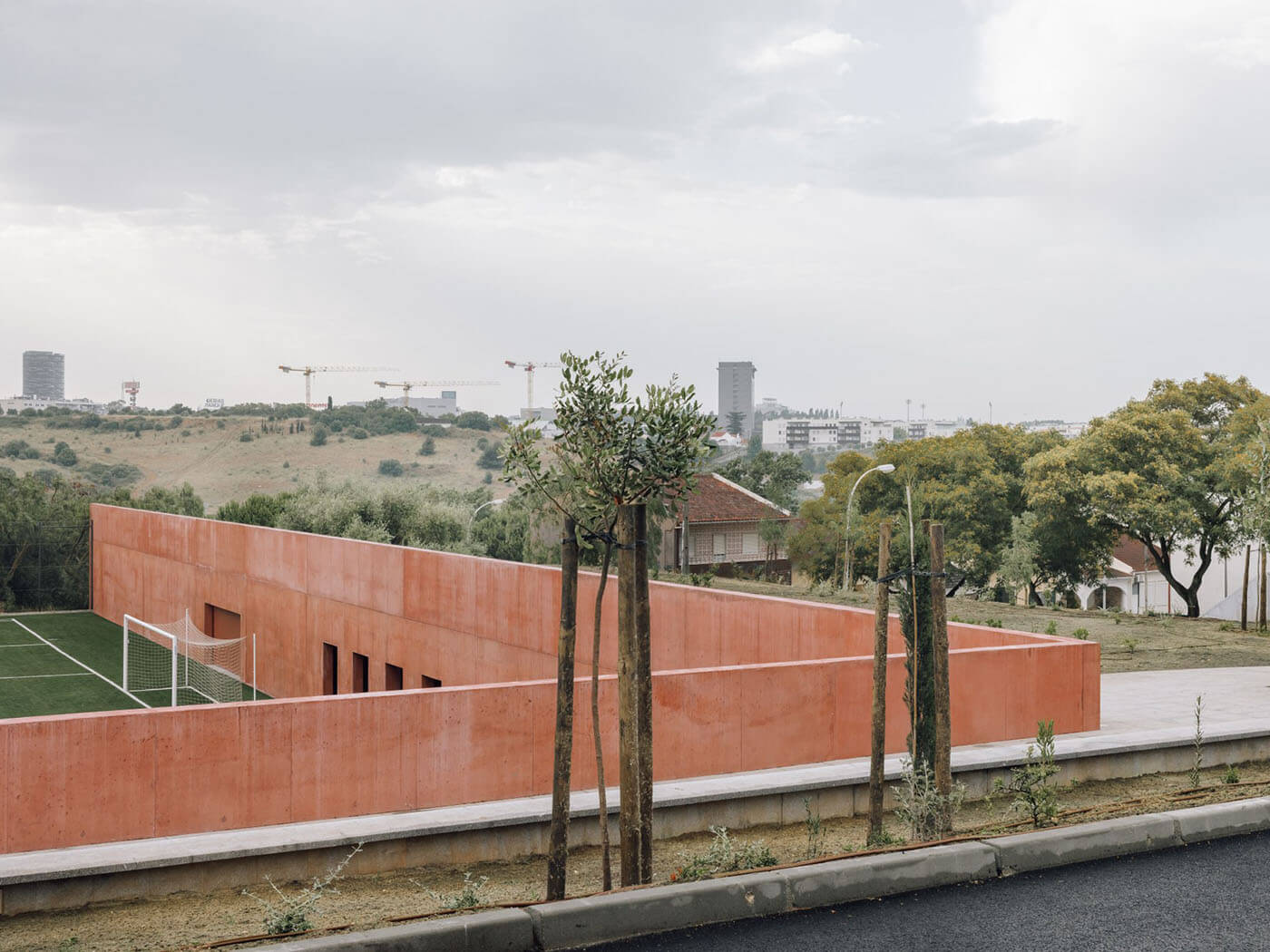
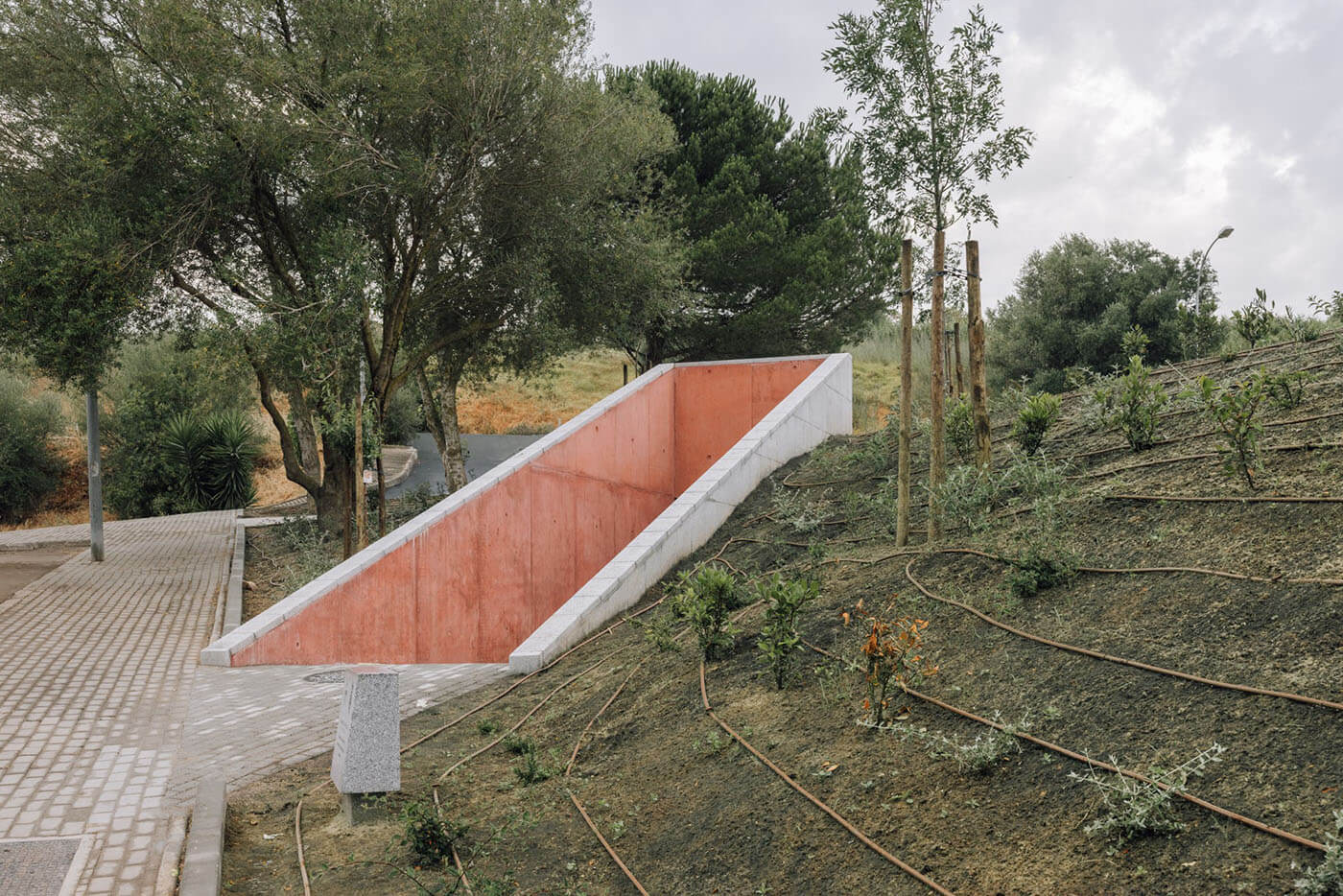
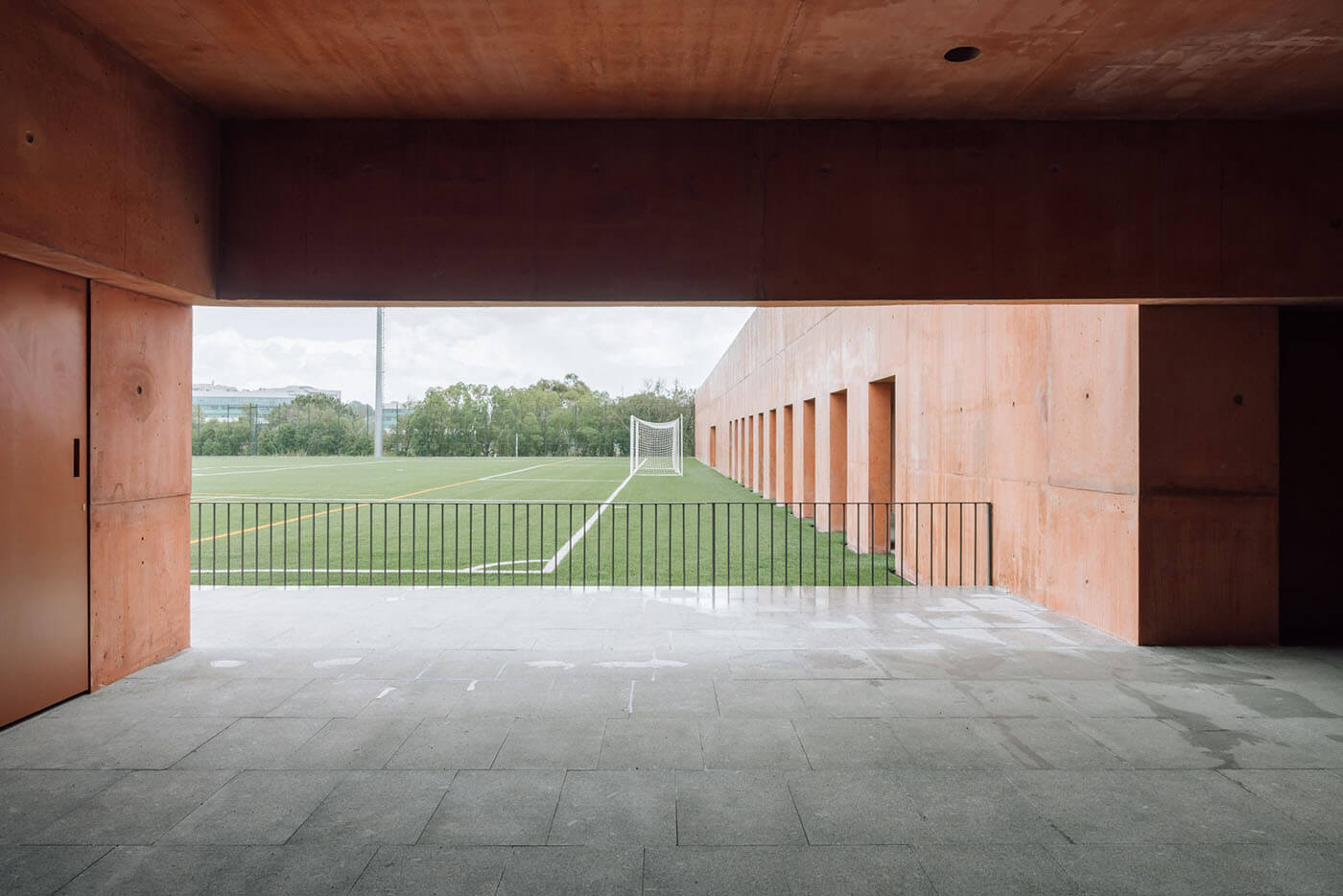
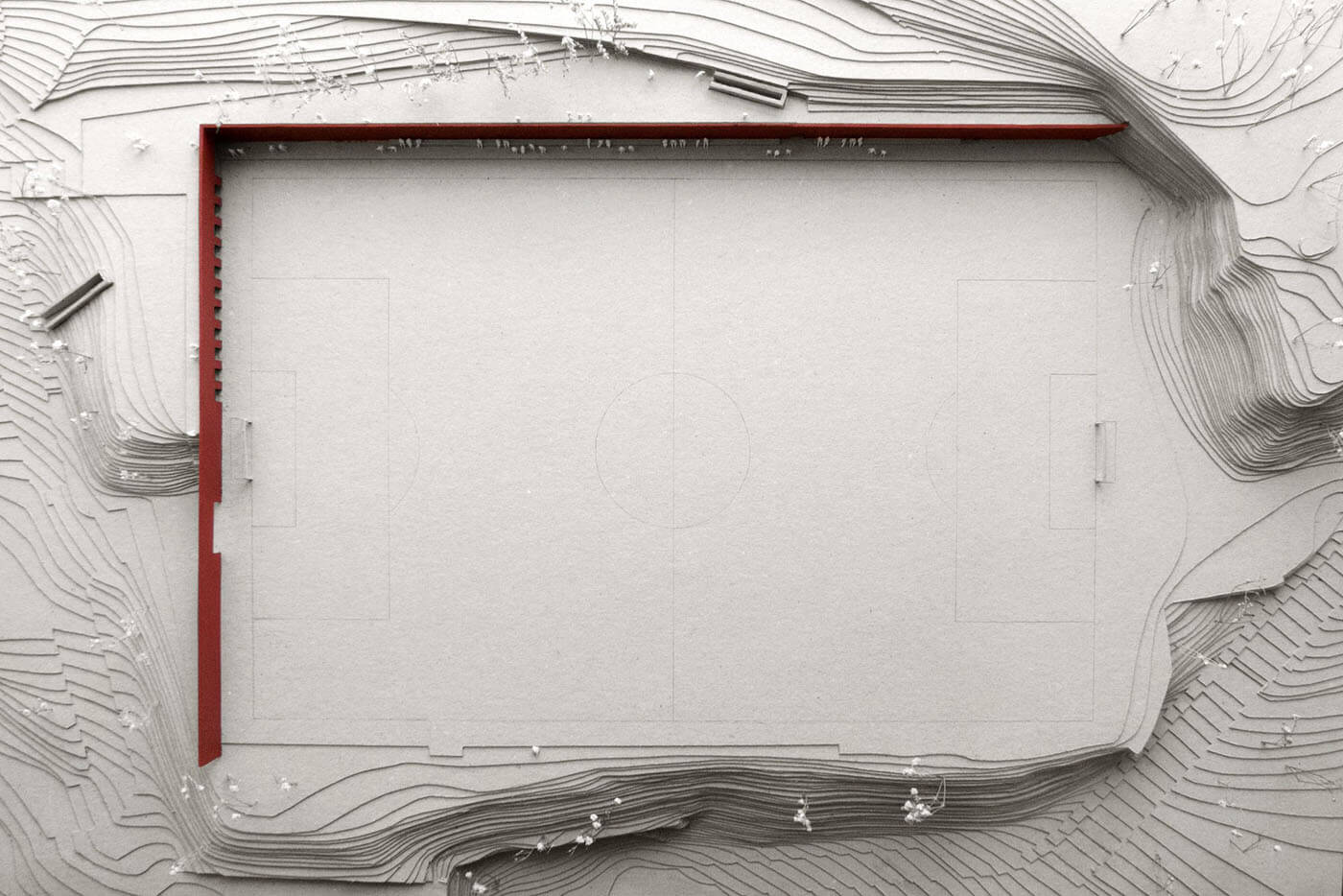
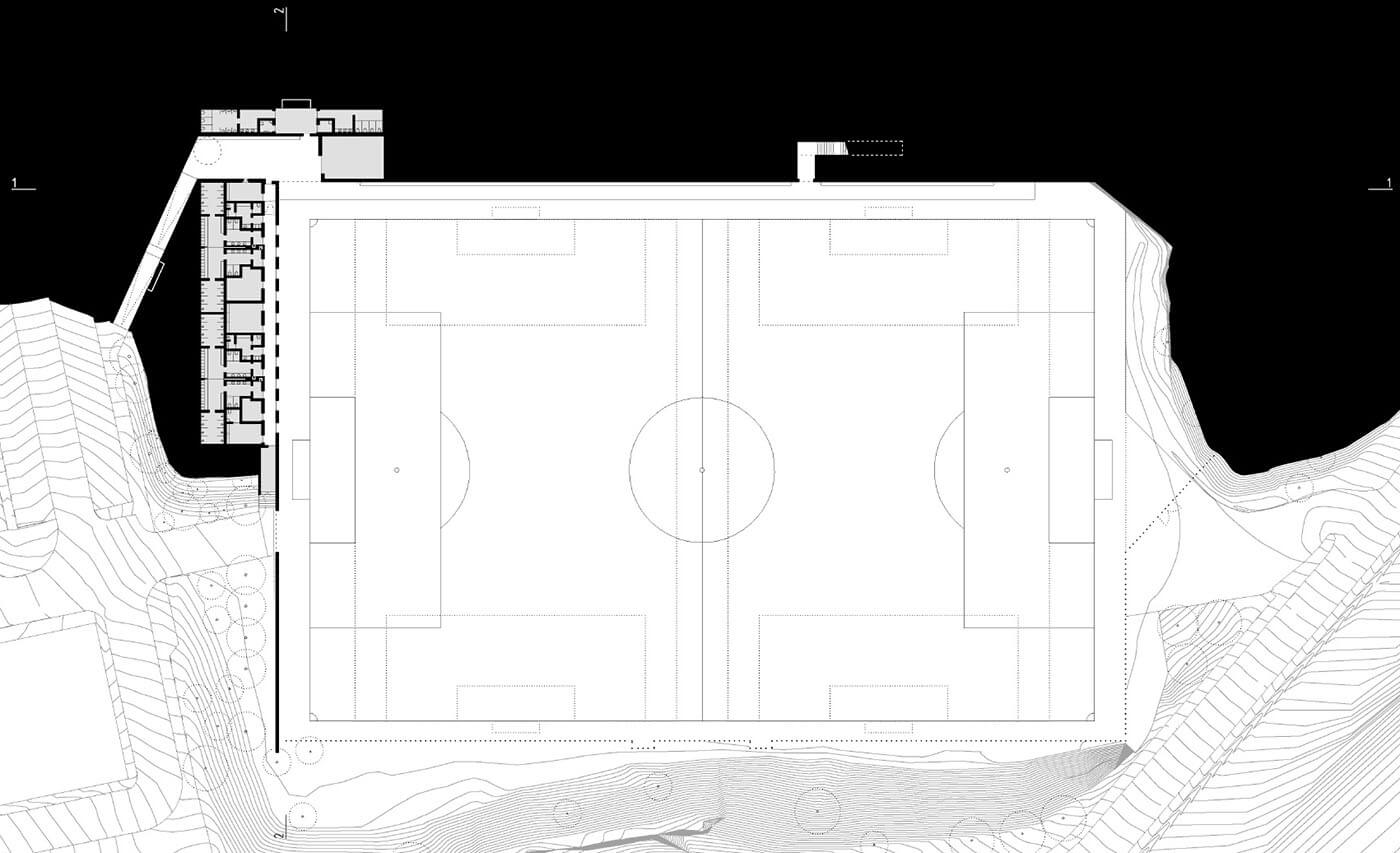
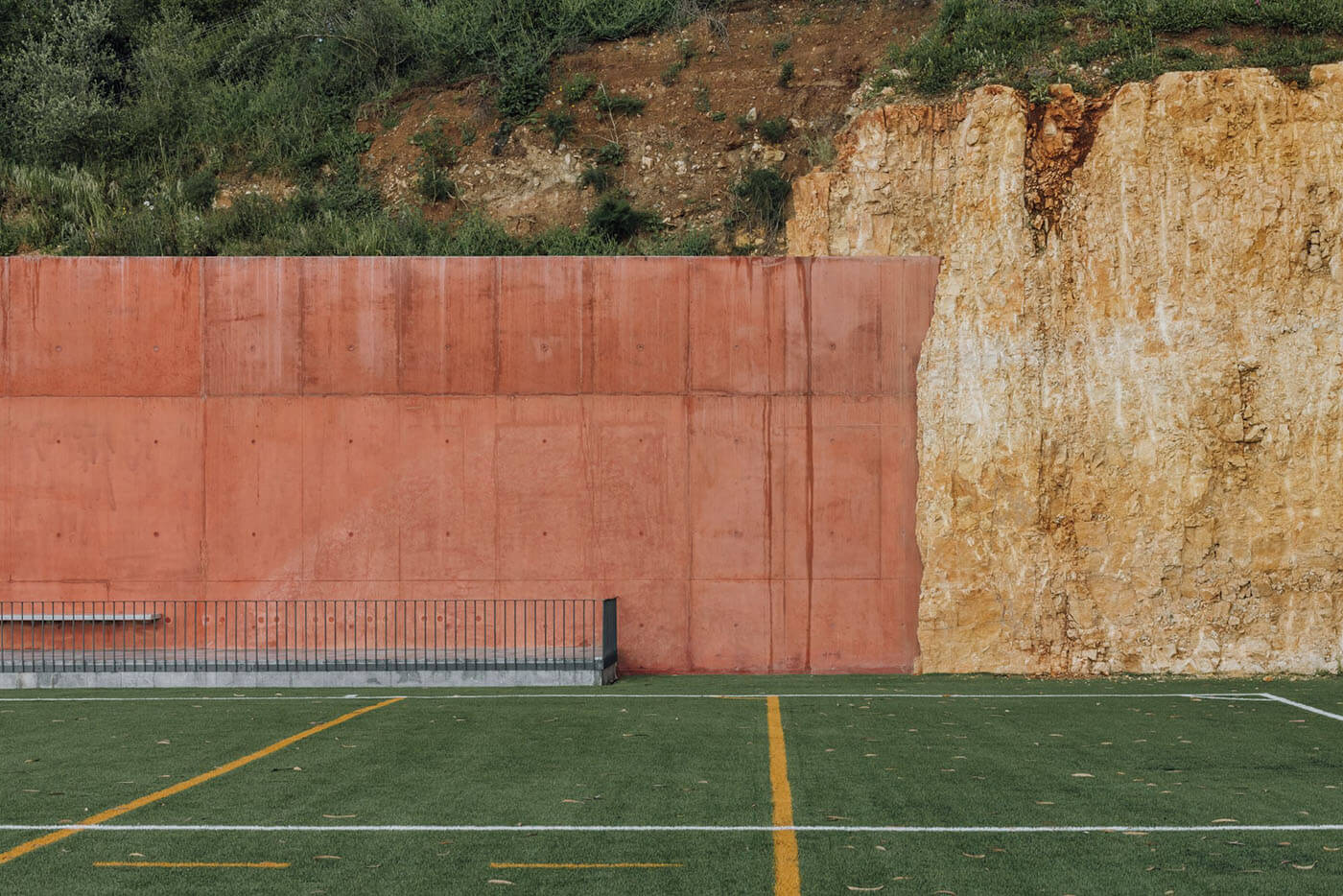
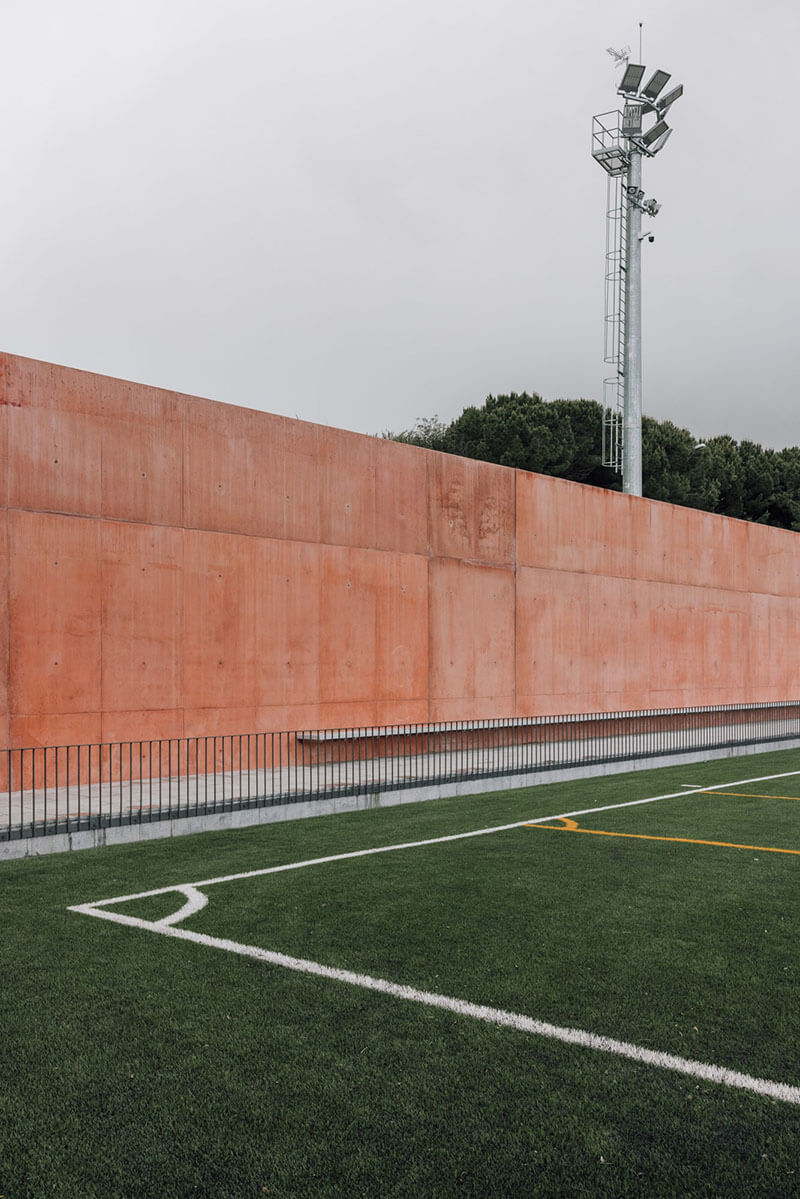
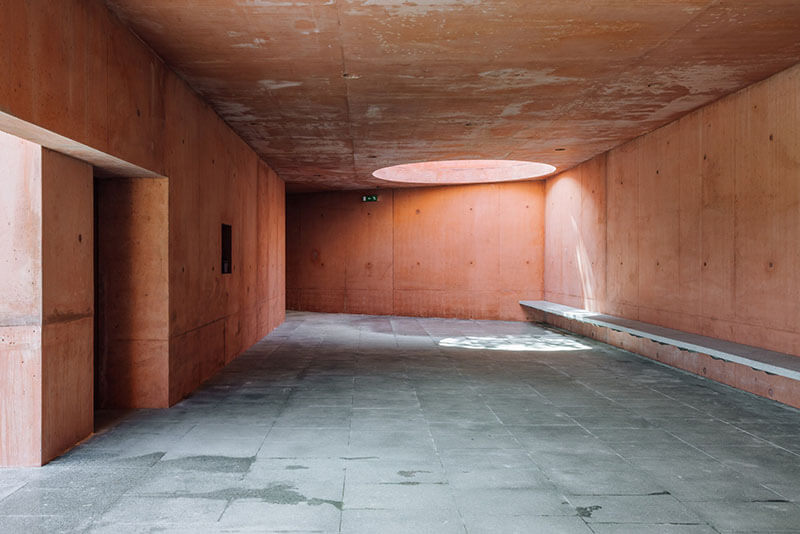
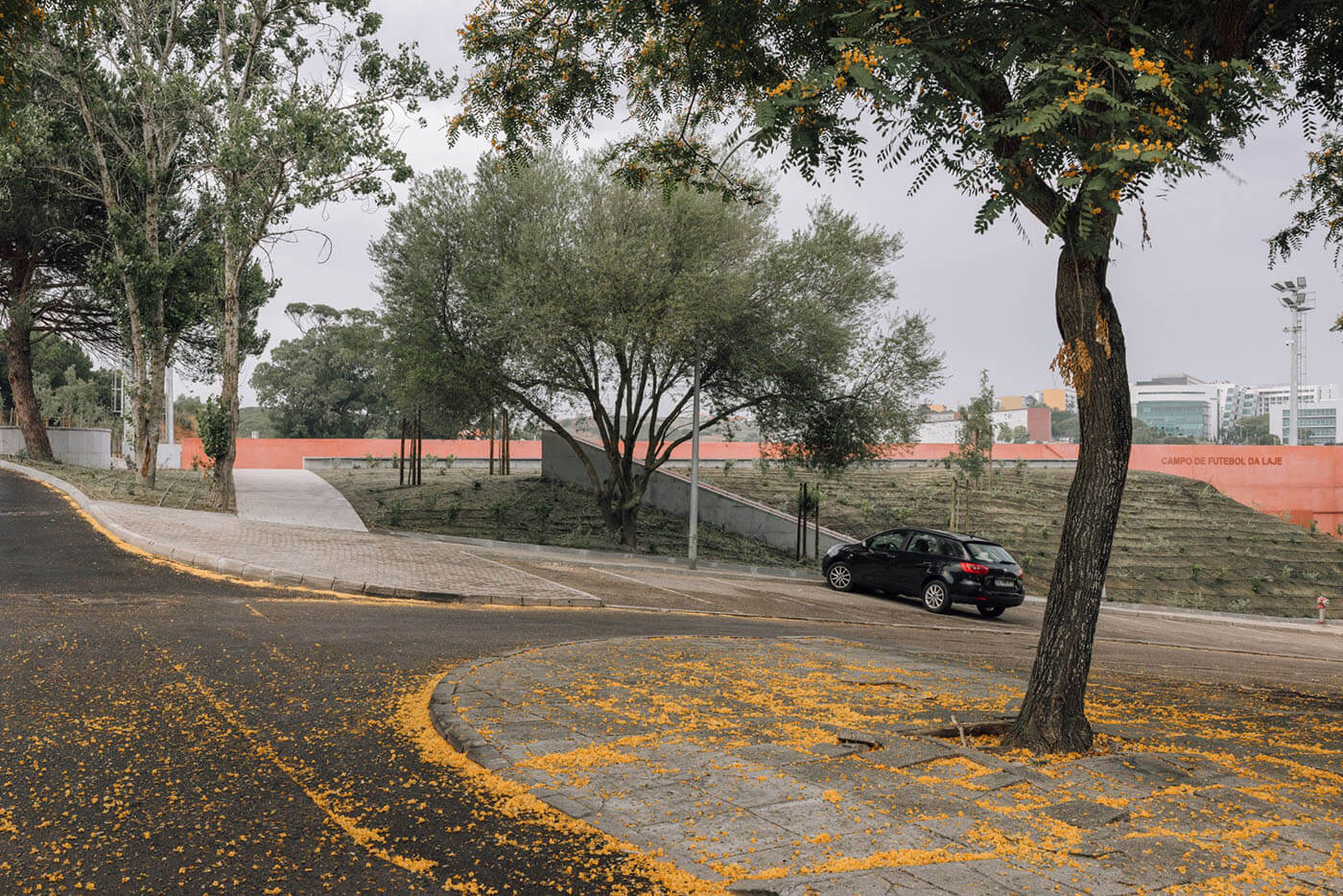
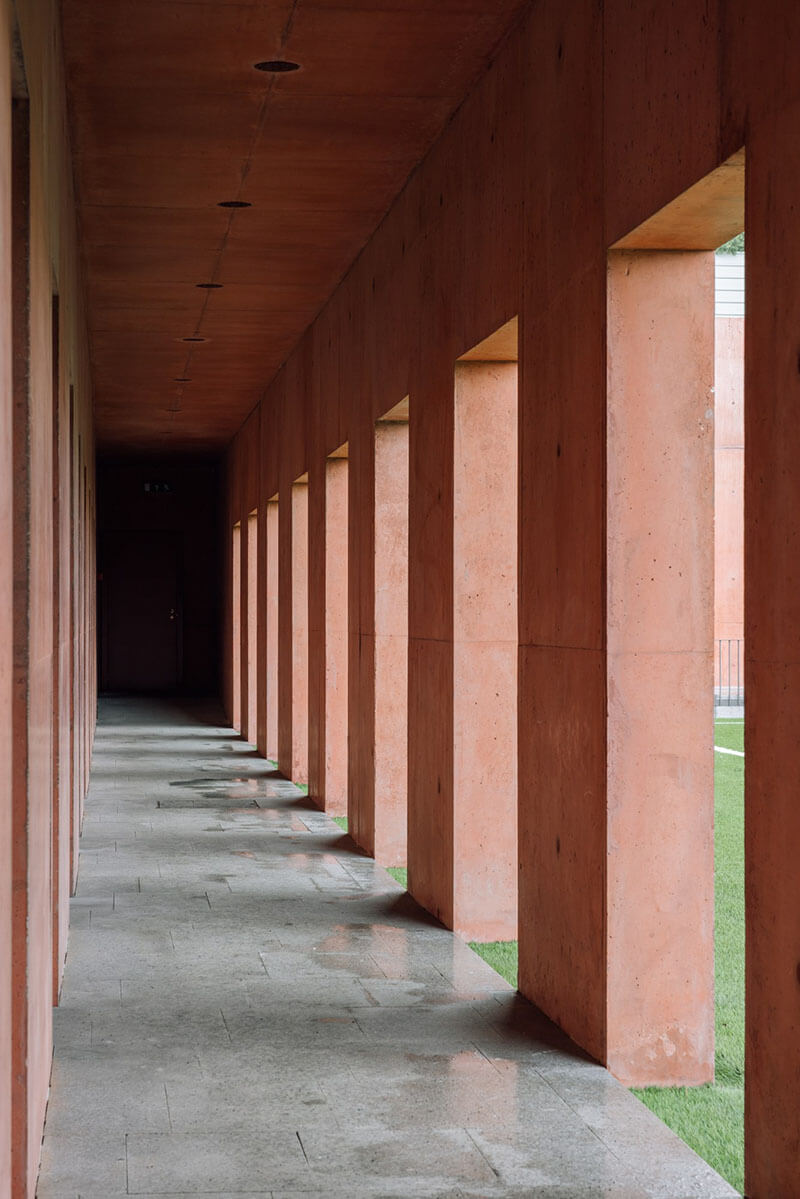
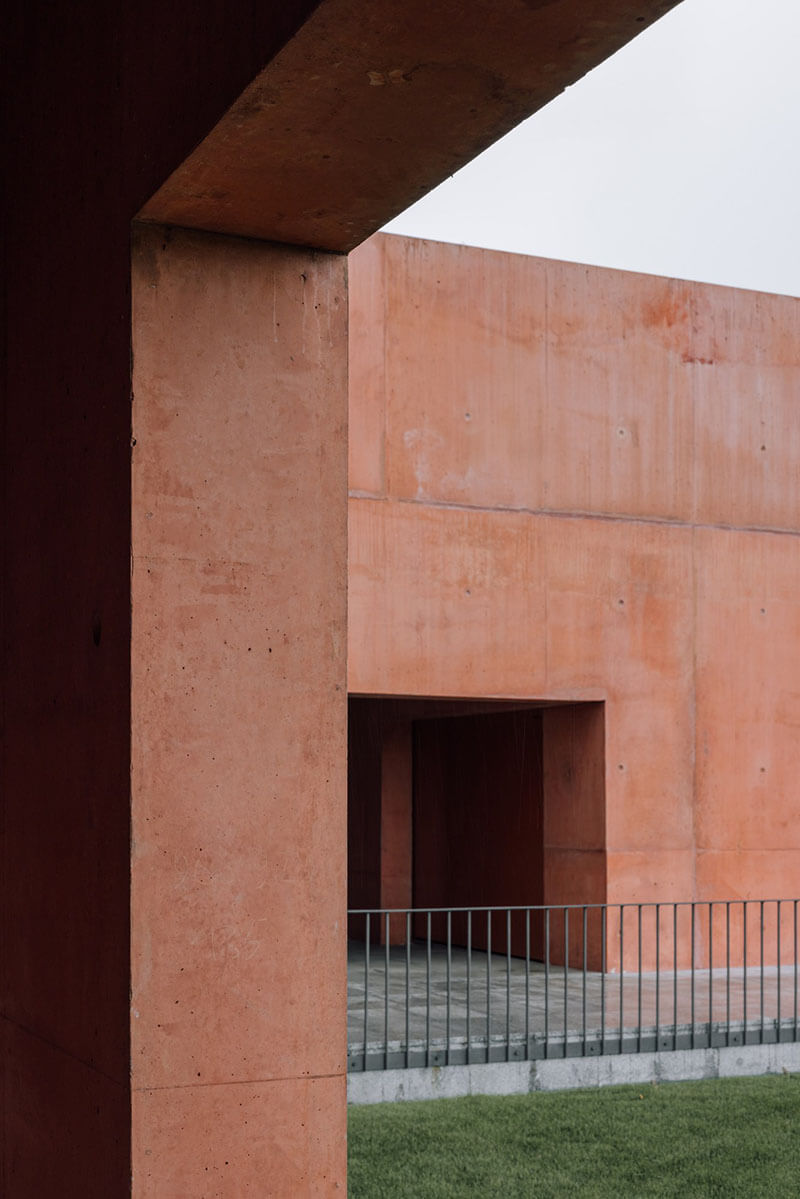
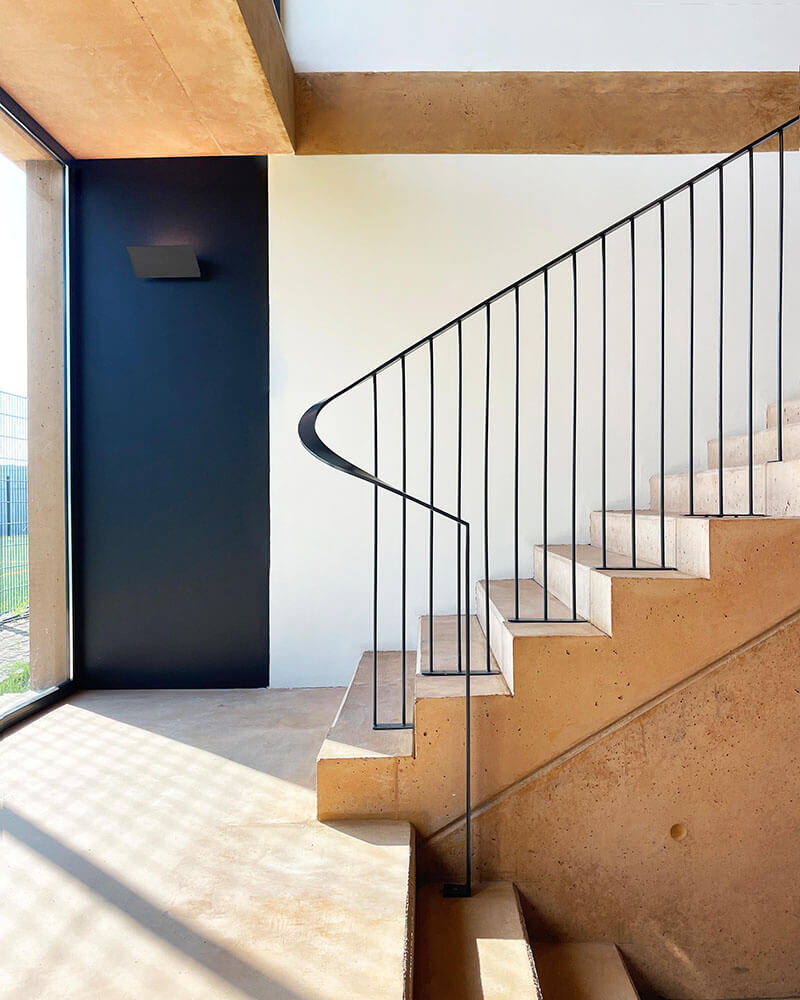
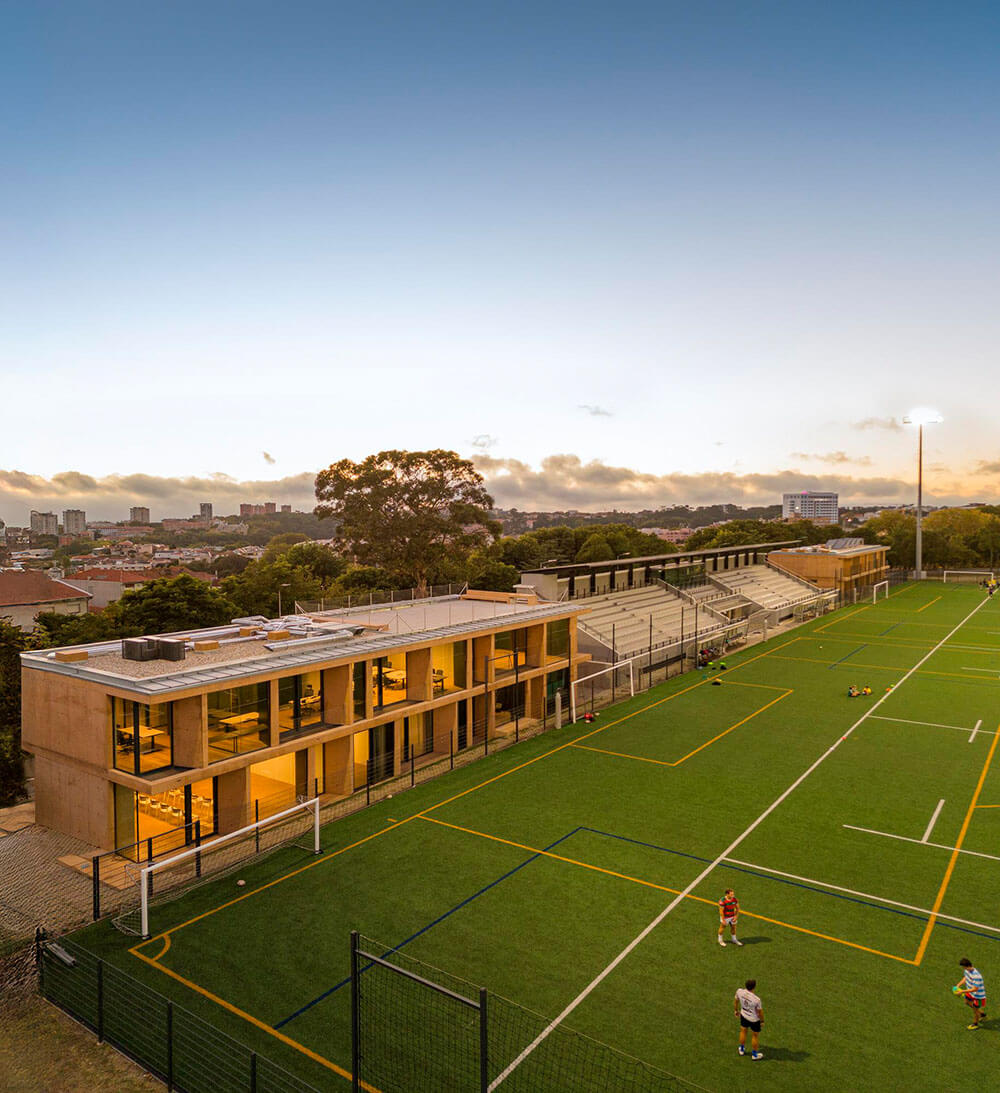
The Laje Foot­ball Field (Campo de futebol da Lage) trans­forms a steep slope in Porto Salvo (Portugal) into a unique sports field through a striking act of topo­gra­phical precision. The inter­ven­tion is defined by an L‑shaped retai­ning wall made of pigmented concrete, which both stabi­lizes the terrain and shapes the project’s enormous archi­tec­tural iden­tity.

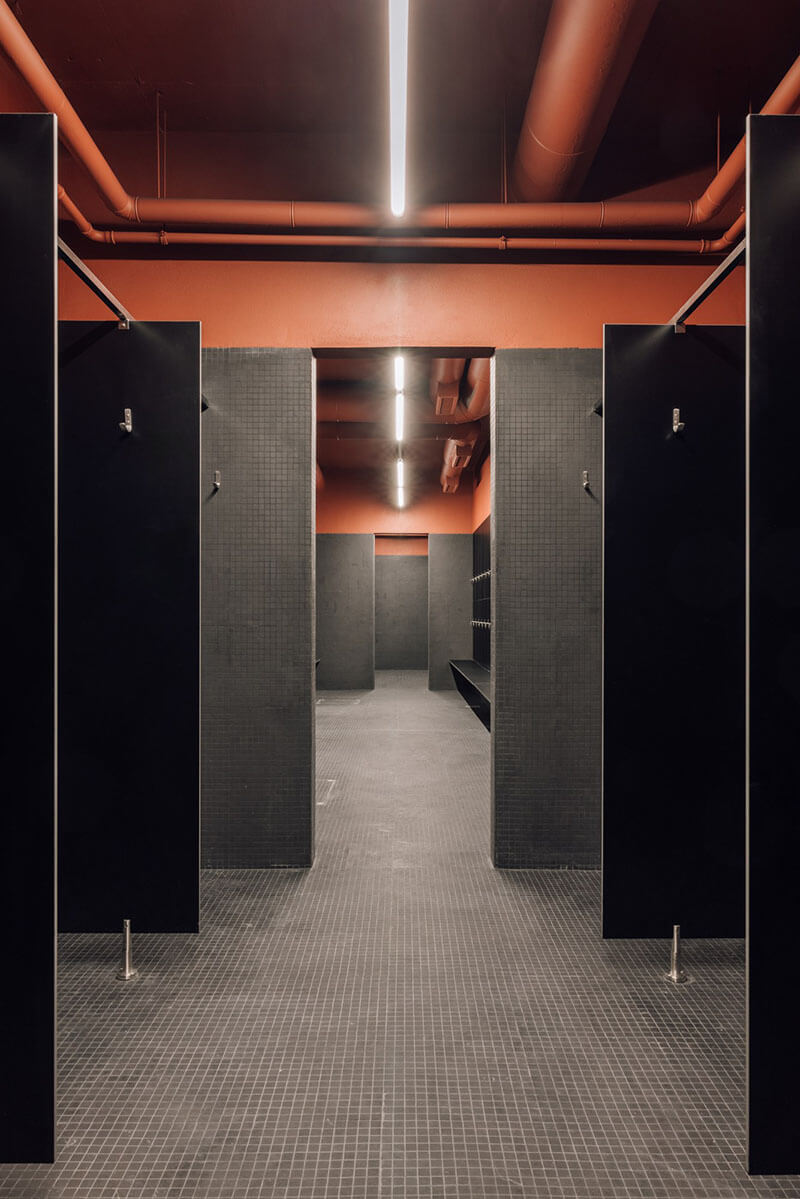
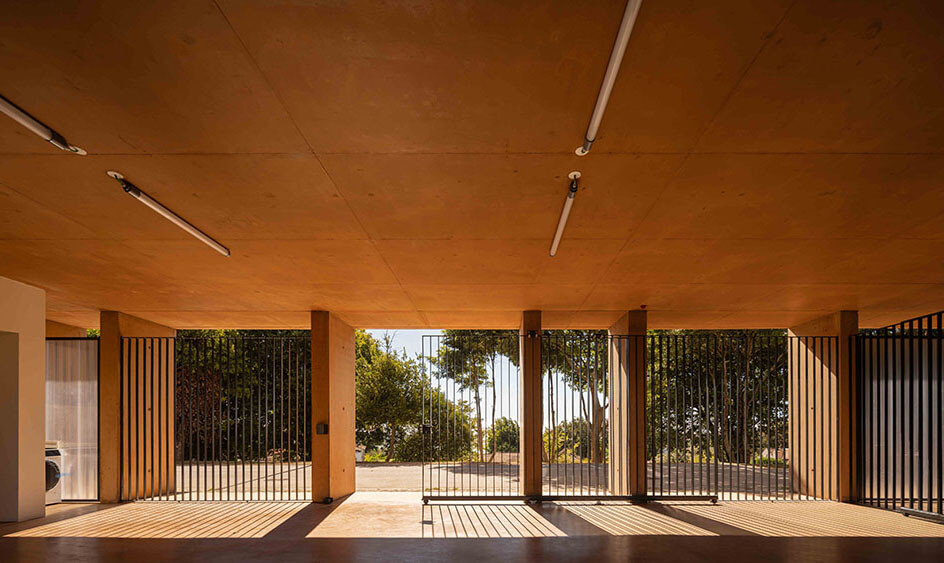
The geometry of the wall encloses the pitch and forms a covered arcade that accom­mo­dates the soccer faci­li­ties below.

The design was created by Miguel Marce­lino.

Ramp

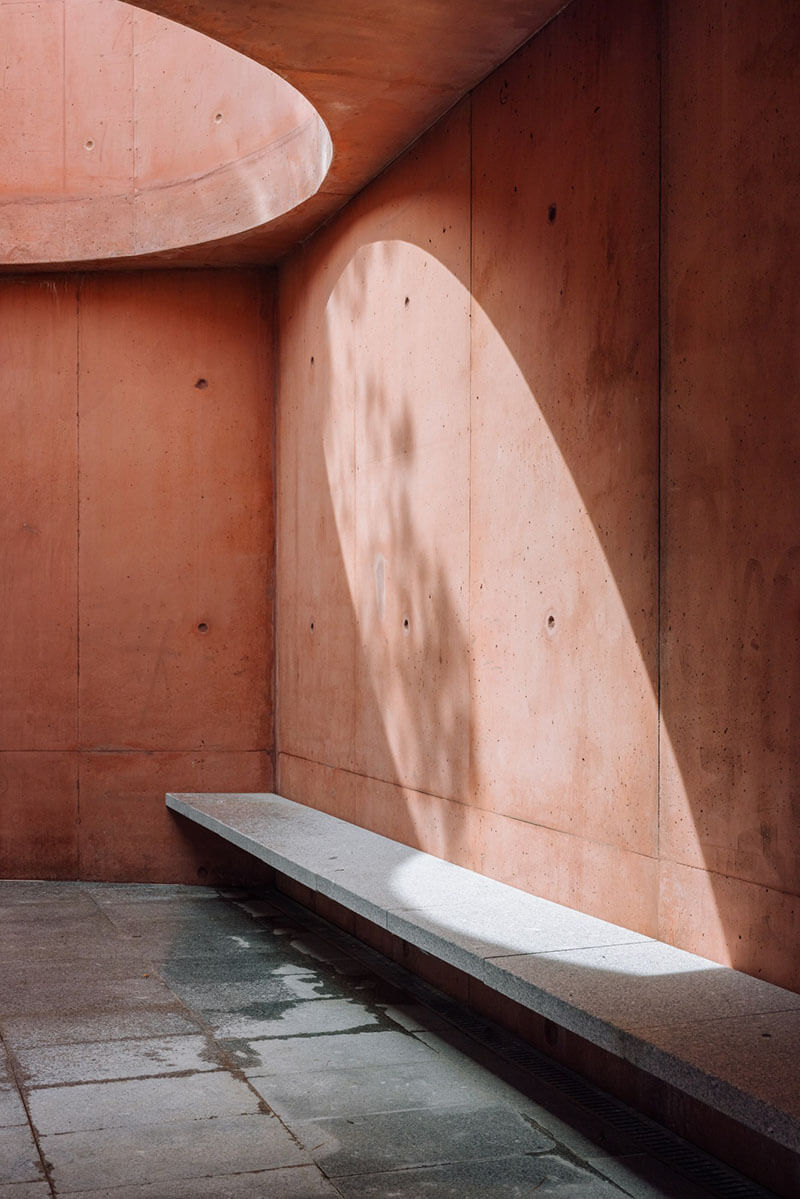
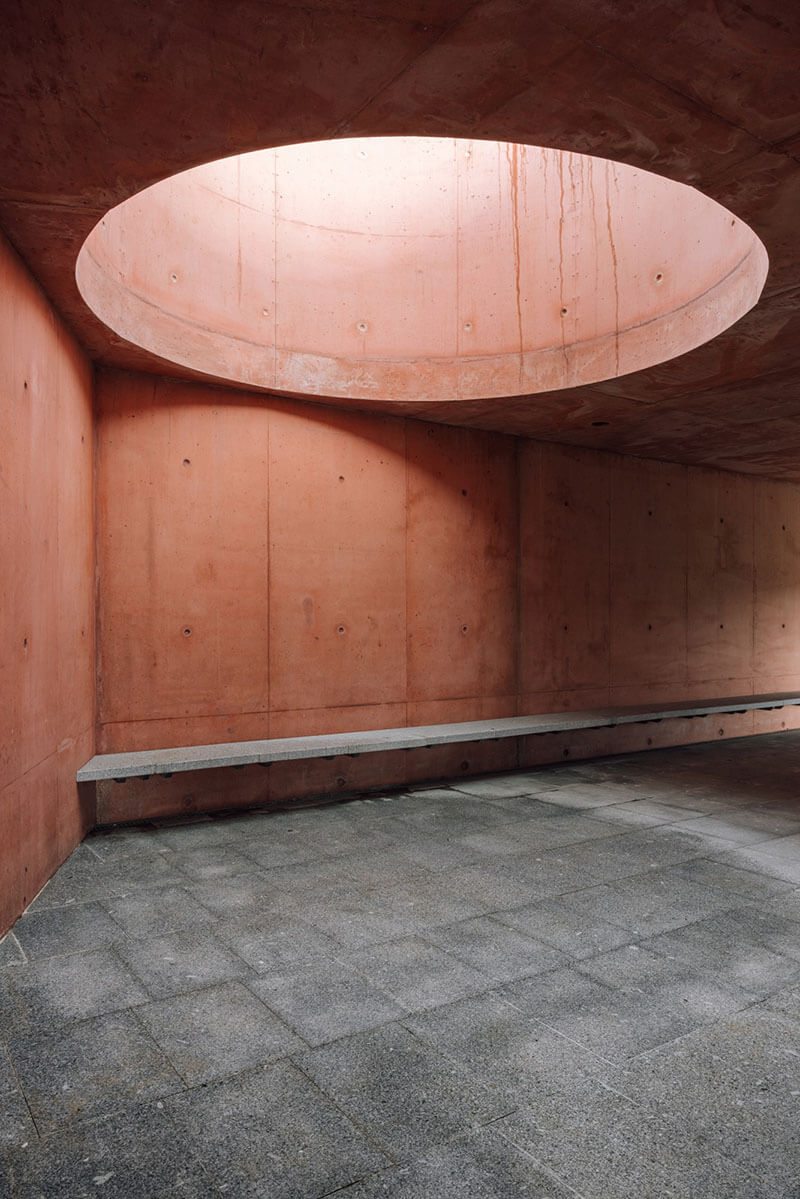
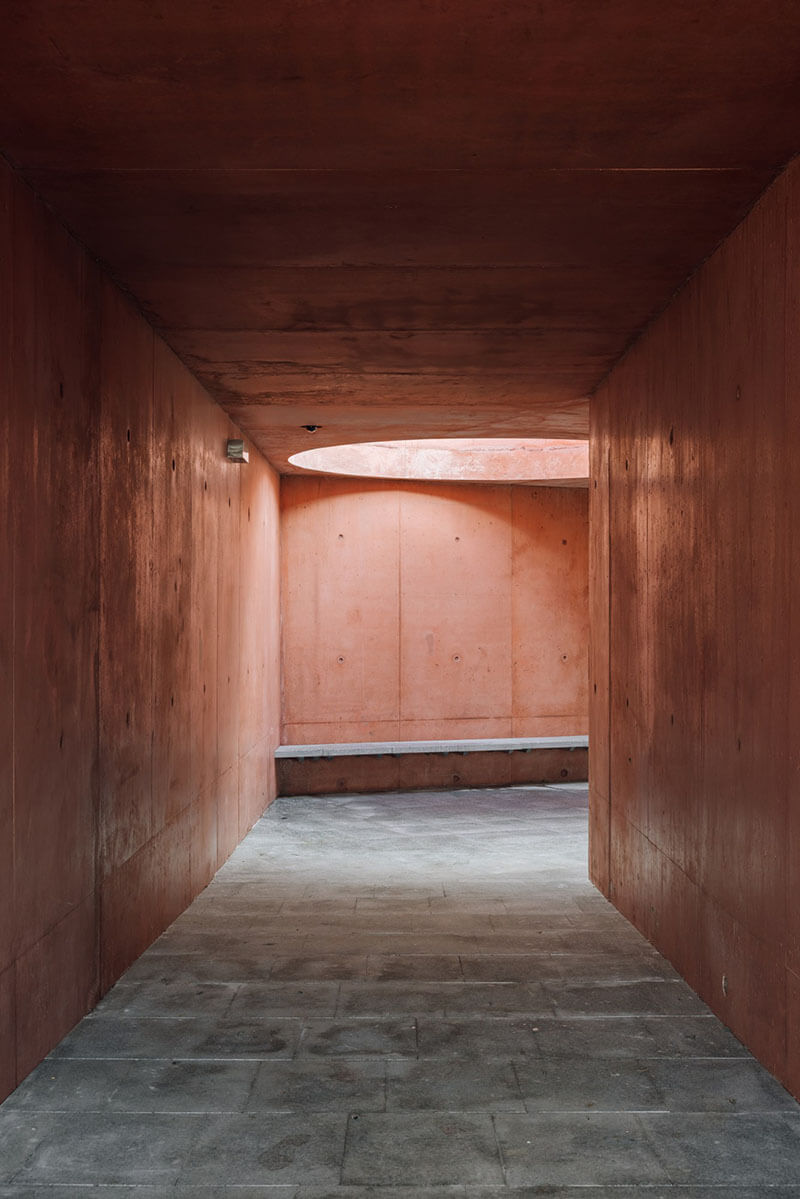
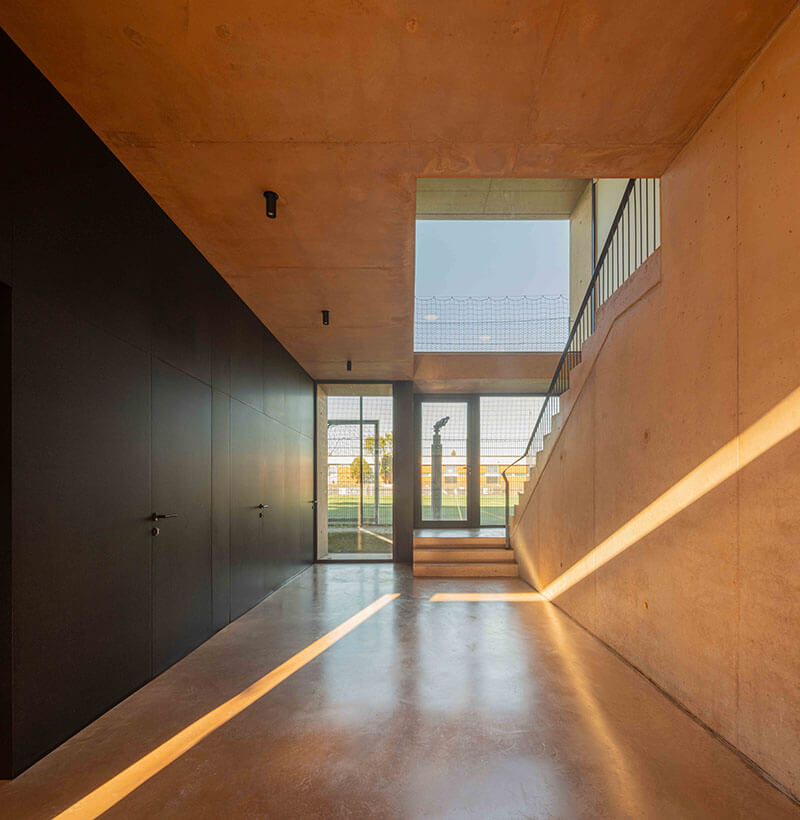
A ramp cuts into the hill and leads athletes and spec­ta­tors to a covered atrium that opens onto the playing field. This sequence of descent creates a deli­be­rate rela­ti­onship between move­ment and enclo­sure, in which the archi­tec­ture simul­ta­neously embeds itself in the surroun­dings and opens up to them.

The conti­nuous bench seating at the edge of the pitch elimi­nates any hier­archy among the spec­ta­tors, empha­si­zing equa­lity and proxi­mity in the viewing expe­ri­ence. Above this, the newly formed upper plateau func­tions as an informal terrace (or upper tier) that extends the public space and offers fanta­stic pano­r­amic views of the pitch and the land­scape.

Concrete

Set against the rugged topo­graphy of Porto Salvo, the Campo de futebol da Lage is carved directly into the land­scape. Instead of impo­sing a foreign object on the site, the project emerges from the hillside itself.

The L‑shaped retai­ning wall is both a struc­tural neces­sity and an archi­tec­tural state­ment. The wall is made of iron oxide pigmented rein­forced concrete, with the color and texture of the concrete reflec­ting the rocky ground – and blen­ding with the natural layers of the terrain.

Merger

By merging archi­tec­ture, engi­nee­ring and land­scape design, Miguel Marce­lino reduces the Laje Foot­ball Field to its essen­tial elements: earth, concrete and geometry. The project is less an object than an adapt­a­tion of the terrain, where form and func­tion emerge natu­rally from the physical condi­tions of the site. The result is a public space that recon­ciles struc­tural precision with ecolo­gical harmony and inte­grates contem­po­rary design into the endu­ring character of the Portu­guese land­scape.

And how.

Project data

Desi­gner

MIGUEL MARCELINO, ARQ. LDA.

Miguel Coutinho, João Neto, Martina Cappel­lini,
Mariana Almeida

Buil­ding owner

Município de Oeiras

Users

Clube GBES
Benfica Escolas de Futebol Oeiras

Address

Campo de futebol da Lage
Leões de Porto Salvo
Portugal

Opening

2025

Photos

© Archive Miguel Marce­lino

Text

Johannes Bühl­be­cker
More Sports Media

Video

Unser News­letter

Ihre Bühne

Publi­zieren Sie Ihr Projekt oder Ihr Produkt hier!

Stade Jean-Dauger

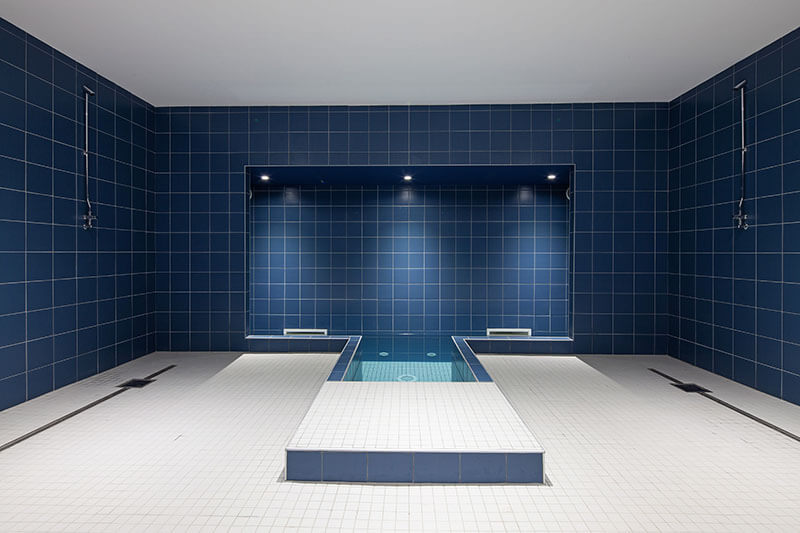
Stade Jean-Dauger in Bayonne

New inti­macy

Patrick Arotcharen Agence d’Ar­chi­tec­ture

The moder­nized Stade Jean-Dauger in Bayonne combines rugby tradi­tion with contem­po­rary archi­tec­ture. The careful trans­for­ma­tion brings the pitch, stands and city closer toge­ther and trans­forms the historic stadium into an urban buil­ding in the city’s green belt.

From trai­ning ground to rugby stadium

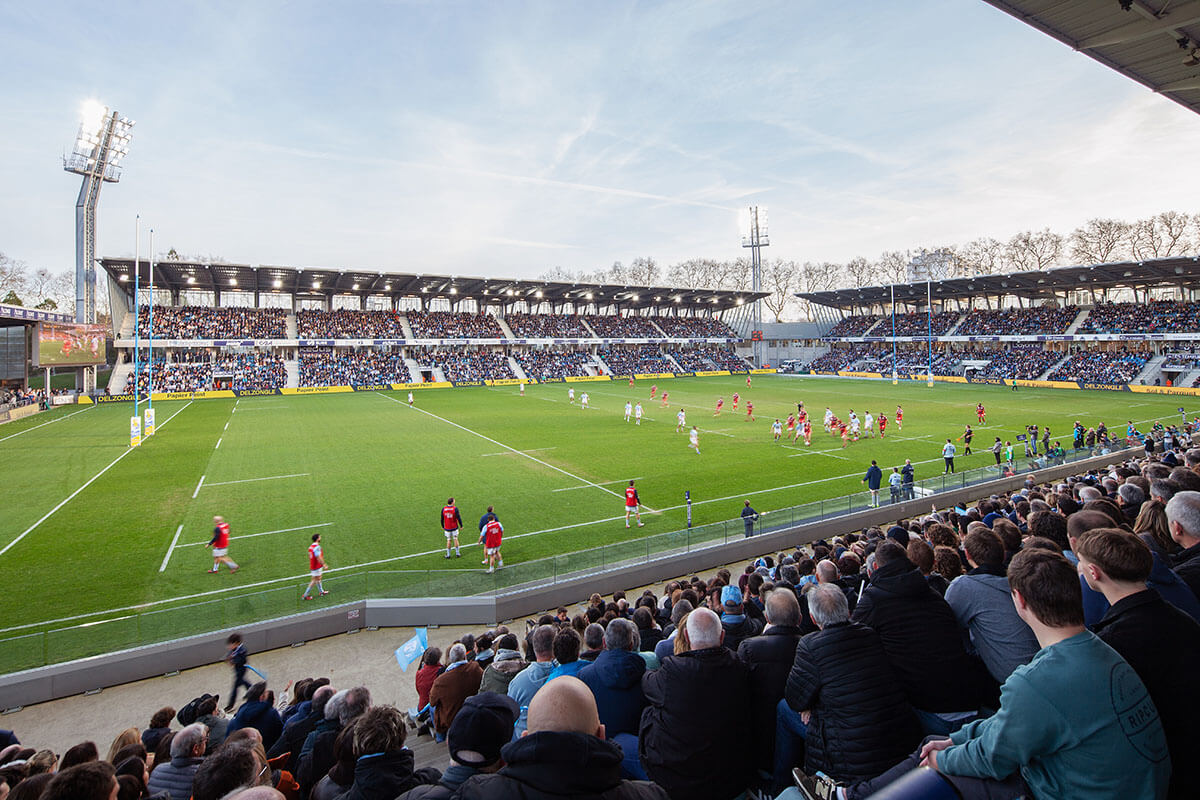
The Stade Jean-Dauger is a central part of the history, iden­tity and urban culture of Bayonne, a city in the French part of the Basque Country (53,000 inha­bi­tants). And a moder­nized rugby stadium.

Its origins date back to 1897, when student Pierre Fabre brought rugby to the region between the Nive and Adour rivers. The first games played by young Bayonne players at Camp Saint-Léon gave rise to the Stade Bayon­nais club in 1905, which later became Aviron Bayon­nais and is now one of the most tradi­tional rugby clubs in France.

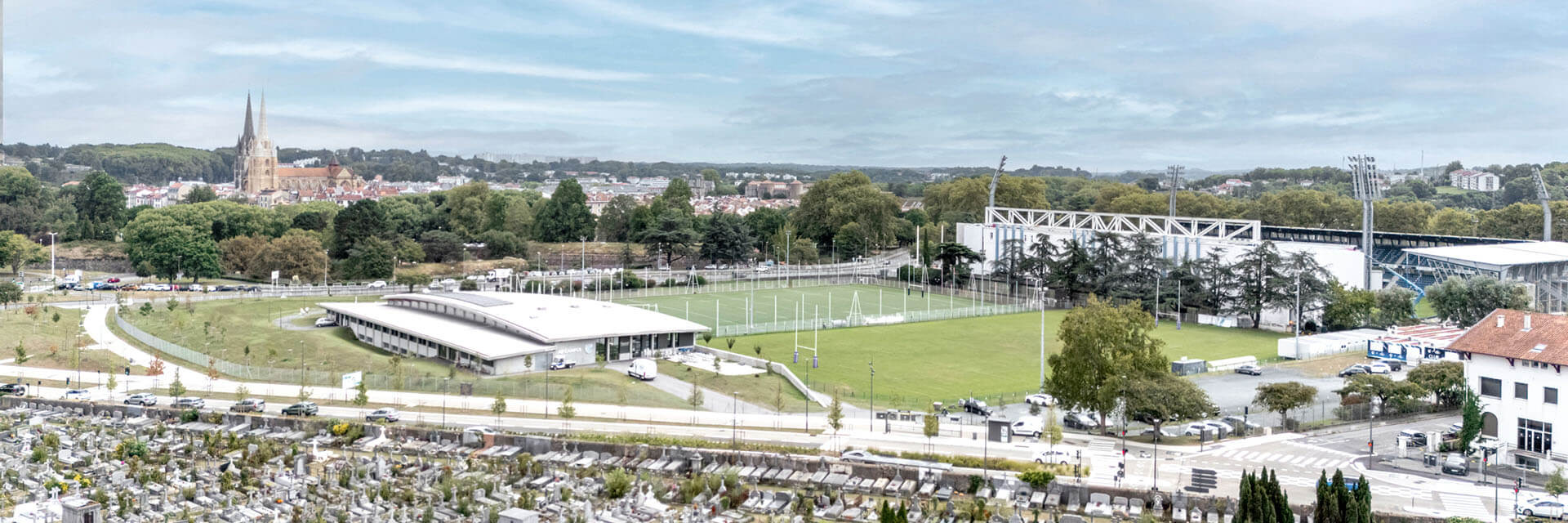
The original stadium was built in 1937 on the southern edge of the old town – embedded in Bayon­ne’s historic green belt, which was origi­nally used for mili­tary purposes and later served as a park and sports land­scape. In its early phase, the stadium combined rugby, athle­tics and cycling; the cycling track was even the finish line of several stages of the Tour de France. Over time, however, the area deve­loped into a pure rugby venue, whose emotional signi­fi­cance for the region grew steadily. Follo­wing its reno­va­tion, the Stade Jean-Dauger, home to Top 14 club Aviron Bayon­nais, now has a capa­city of around 16,900 spec­ta­tors.

The design was created by Patrick Arotcharen Agence d’Ar­chi­tec­ture.

14 meters west

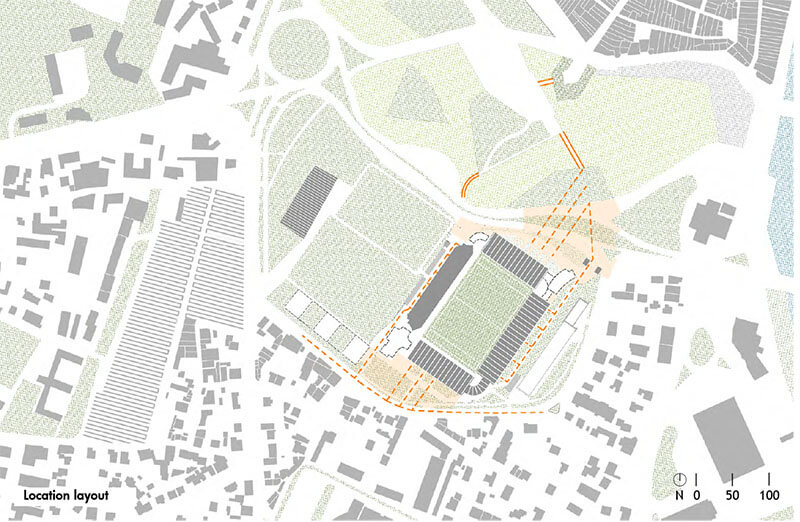
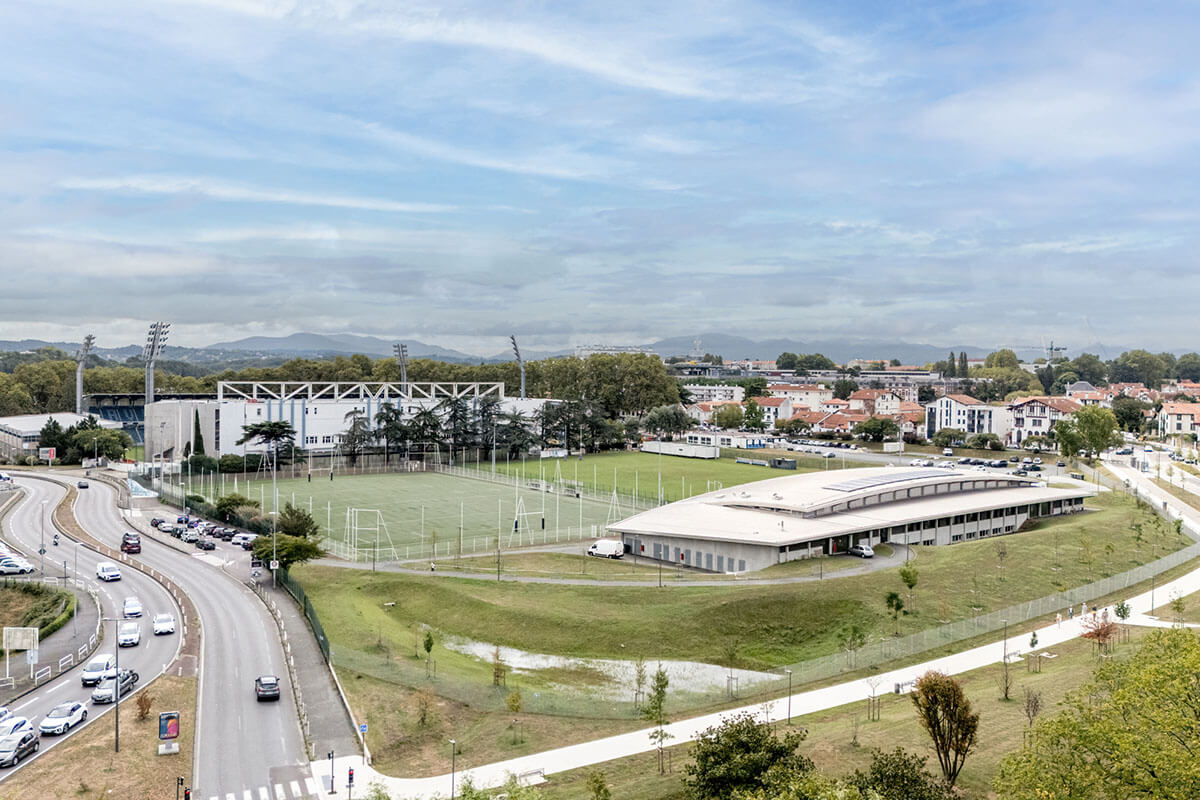
The recent conver­sion and rede­sign of the sports complex is part of an over­ar­ching urban deve­lo­p­ment stra­tegy that streng­thens Bayon­ne’s historic green belt and at the same time opens it up to contem­po­rary mobi­lity, quality of stay and multiple uses. The aim was to see the stadium not as an isolated sports faci­lity, but as an inte­gral part of the urban open space.

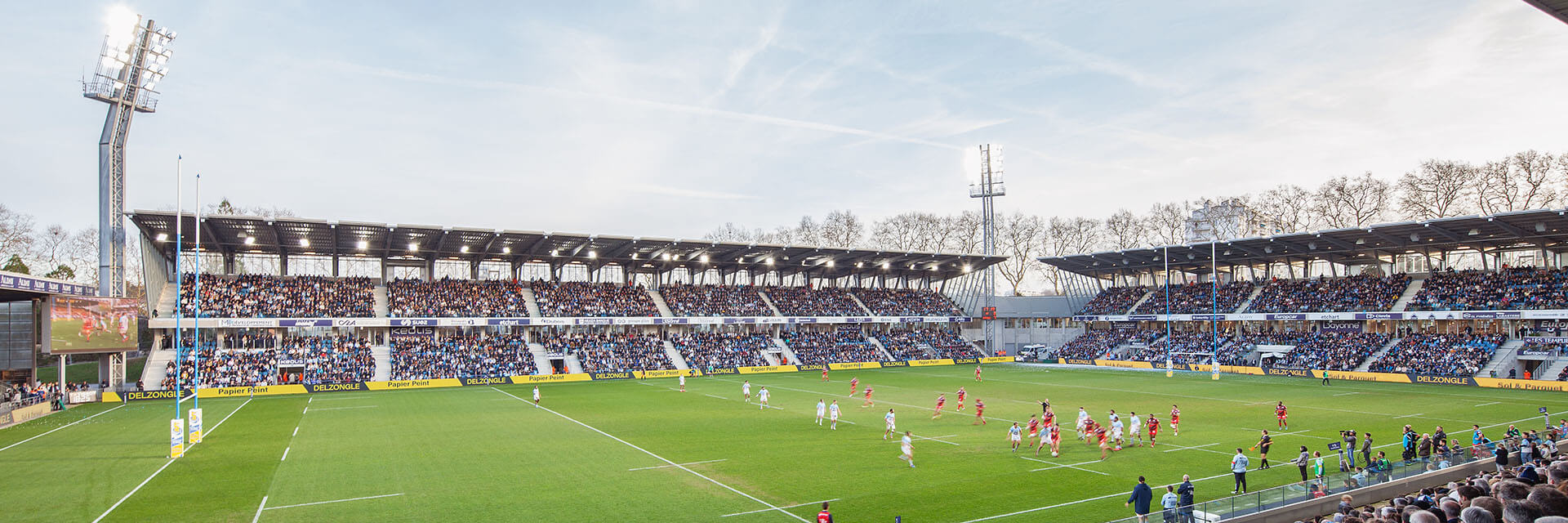
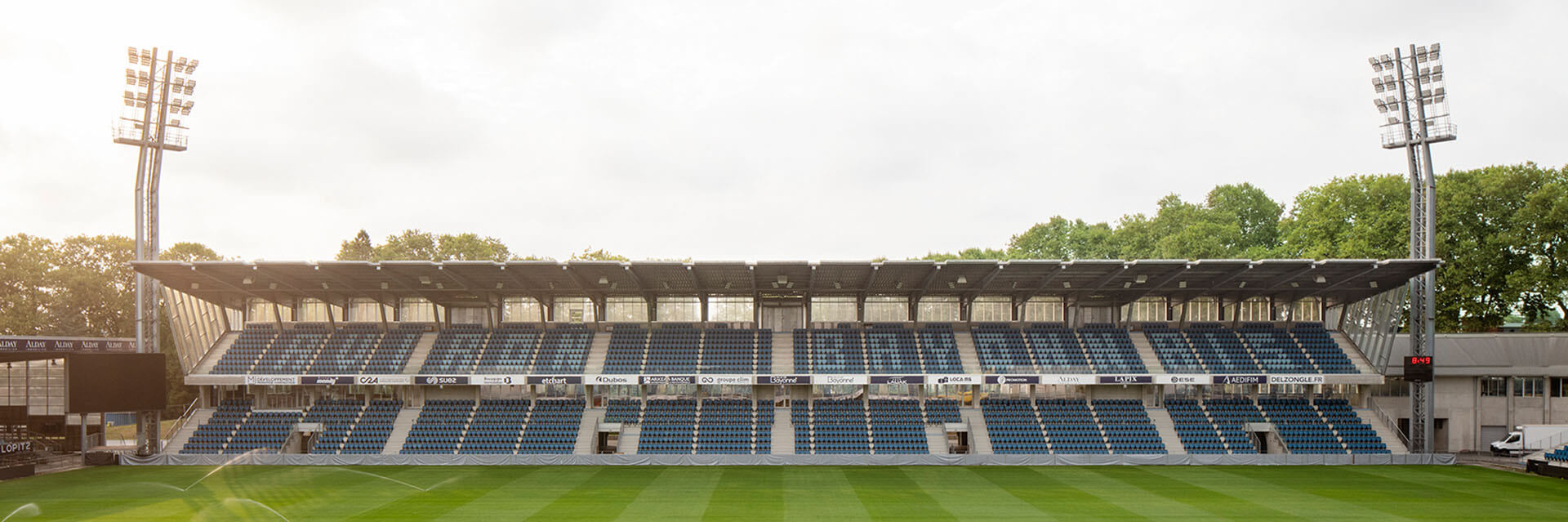
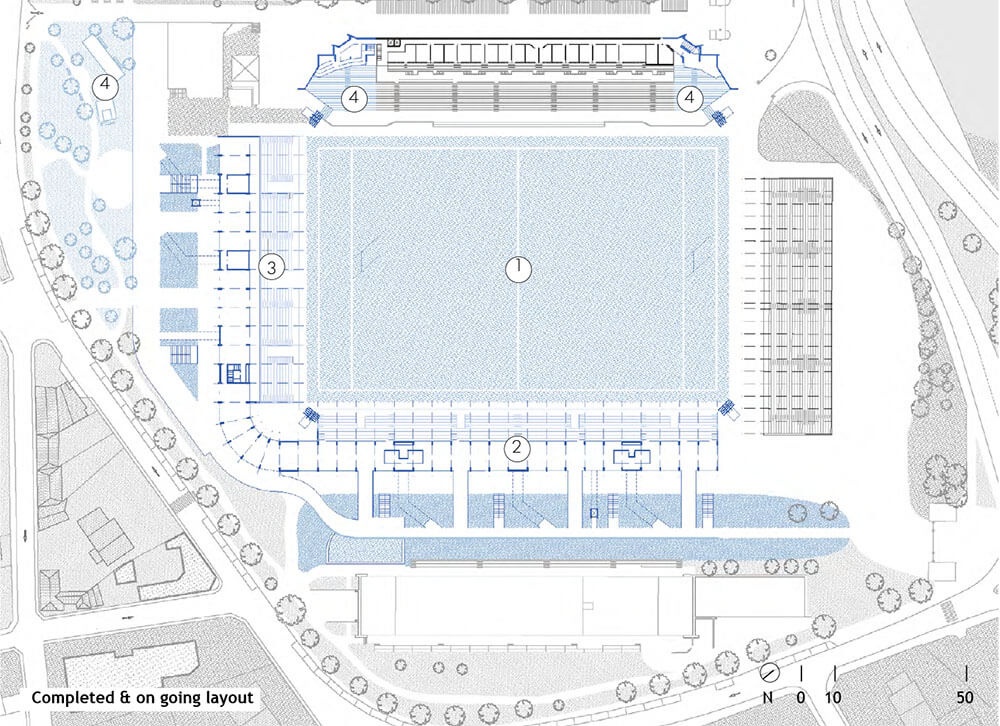
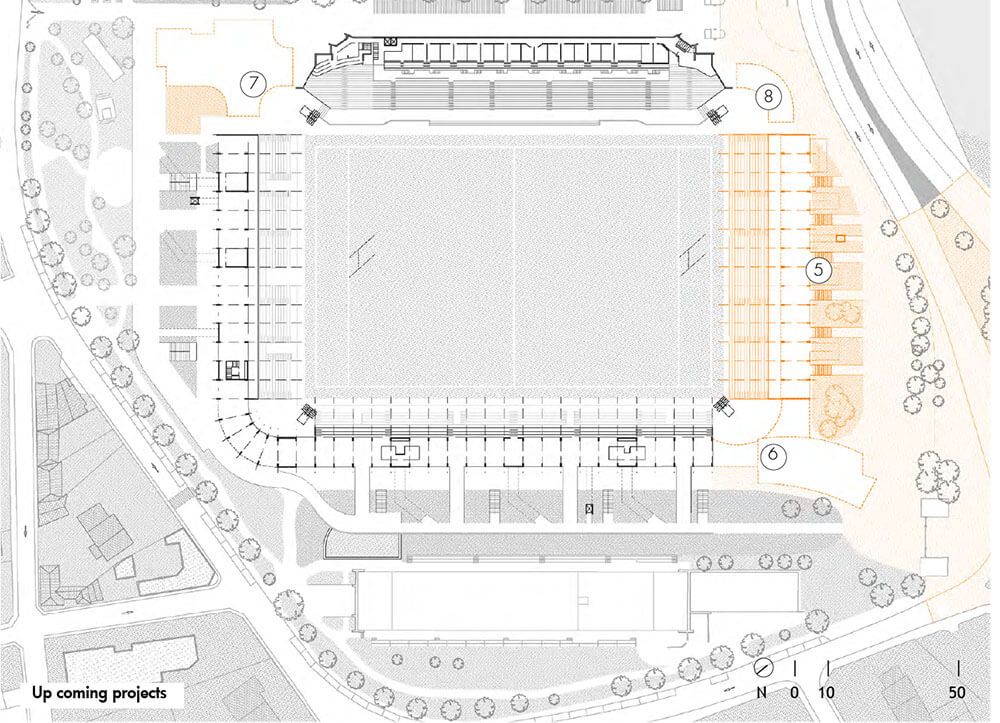
The funda­mental change consisted of moving the pitch 14 meters to the west. This allowed the stands to move much closer to the pitch – a deli­be­rate move away from the previous geometry of an athle­tics or cycling stadium towards a compact caul­dron for rugby. This new proxi­mity between the audi­ence and the pitch inten­si­fies the atmo­sphere, acou­stics and iden­ti­fi­ca­tion.

Archi­tec­ture and land­scape

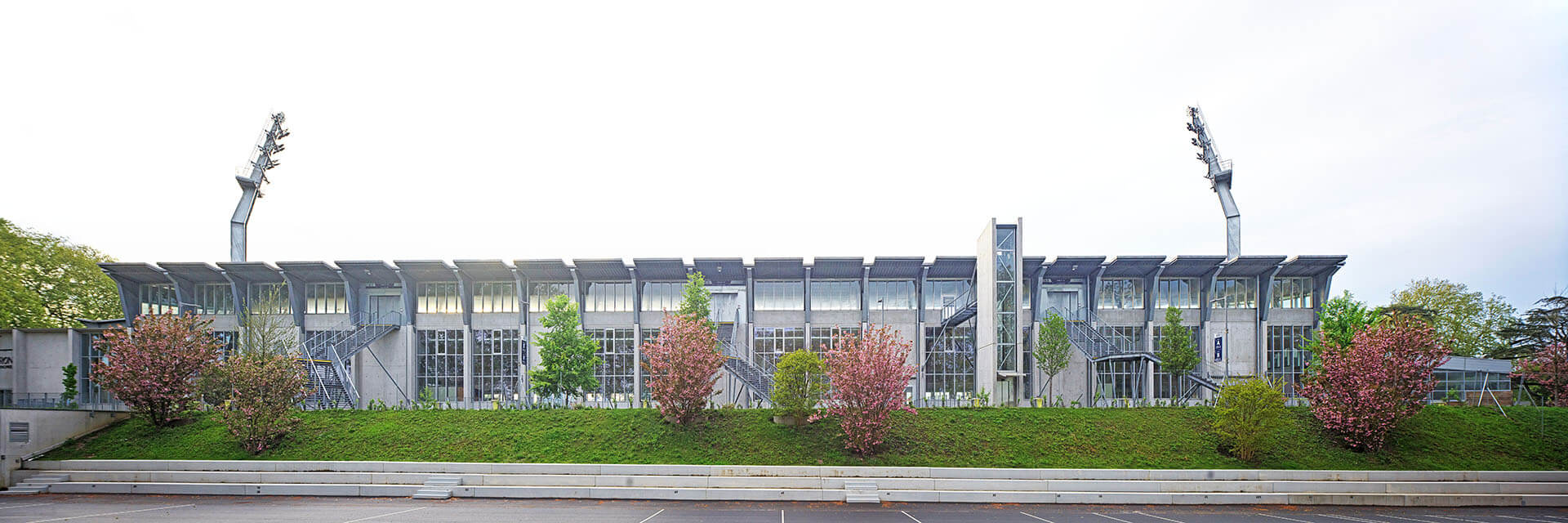
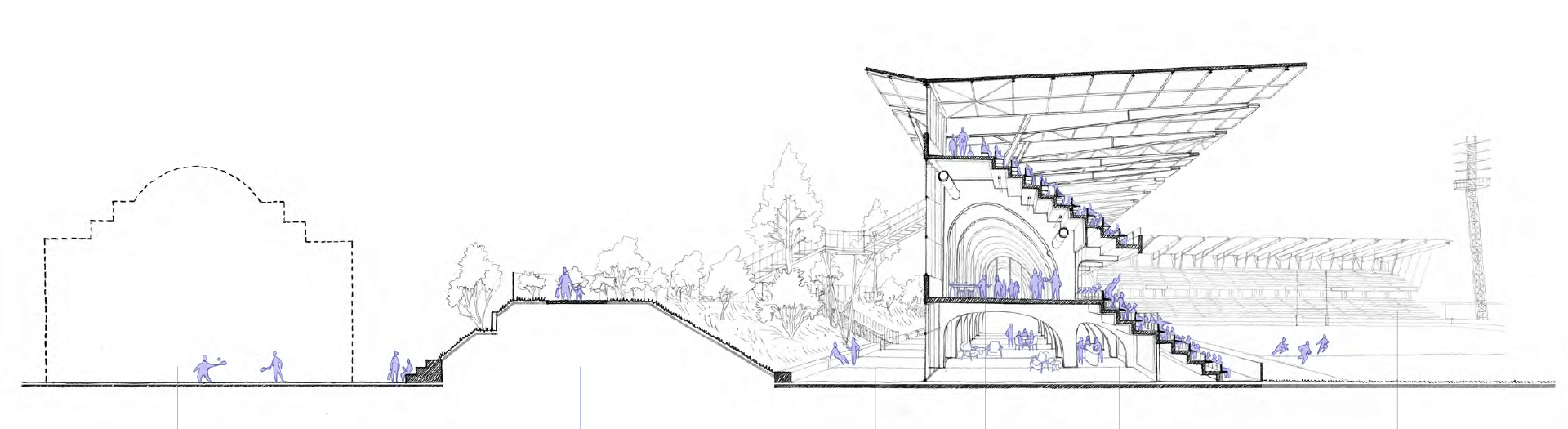
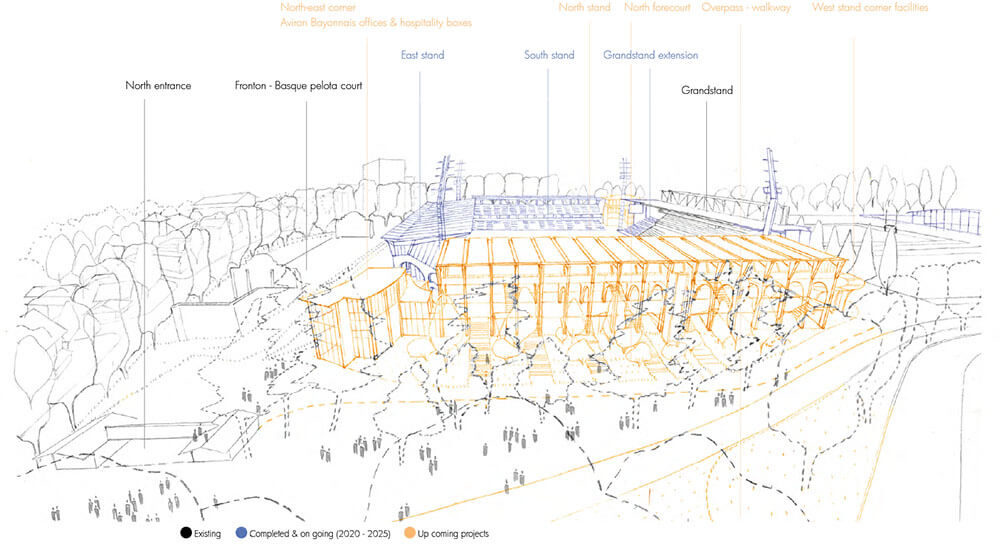
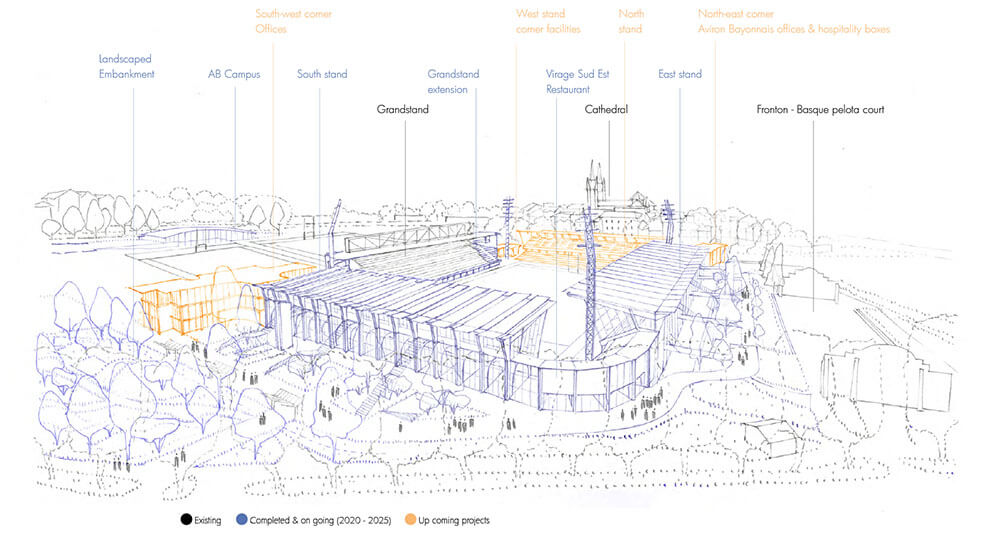
A key feature of the project is the close inte­gra­tion of archi­tec­ture and land­scape. The new grand­stands are orga­nized in two tiers, with gene­rous surroun­ding areas and a widely projec­ting roof. From the east and from the street, the struc­ture appears to disap­pear in part into the greened terrain – its massi­ve­ness is deli­bera­tely reduced by embank­ments, vege­ta­tion and stag­gered heights.

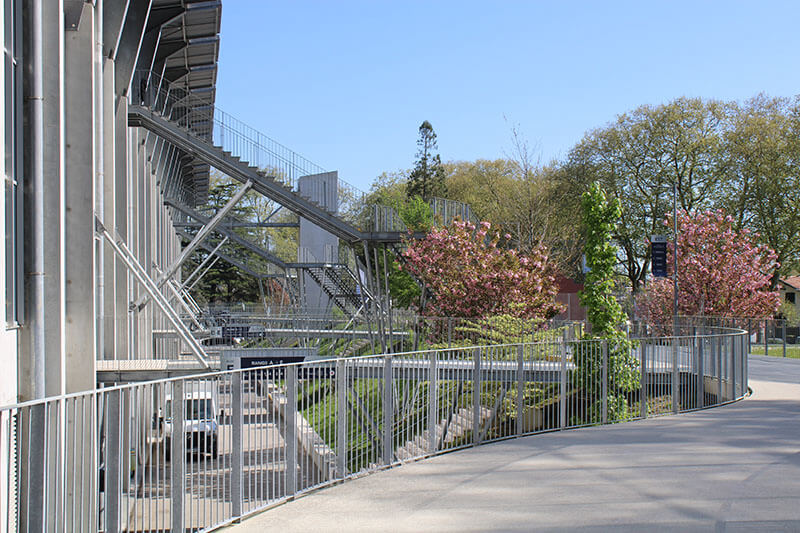
The access is unusual for stadium buil­dings of this size: stairs, walk­ways and circu­la­tion routes are located outside the stands and virtually lead visi­tors through the park. Filigree steel struc­tures, views through the tree­tops and glim­pses into the inte­rior of the stands create a multi-layered spatial expe­ri­ence between the city, park and stadium.

The squares, embank­ments and prome­nades in front of the stadium are not only func­tional access areas, but also urban places to spend time. They connect the stadium and the city and also make the area usable outside of match days – as a public space, meeting point and event loca­tion.

Diver­sity and atmo­sphere

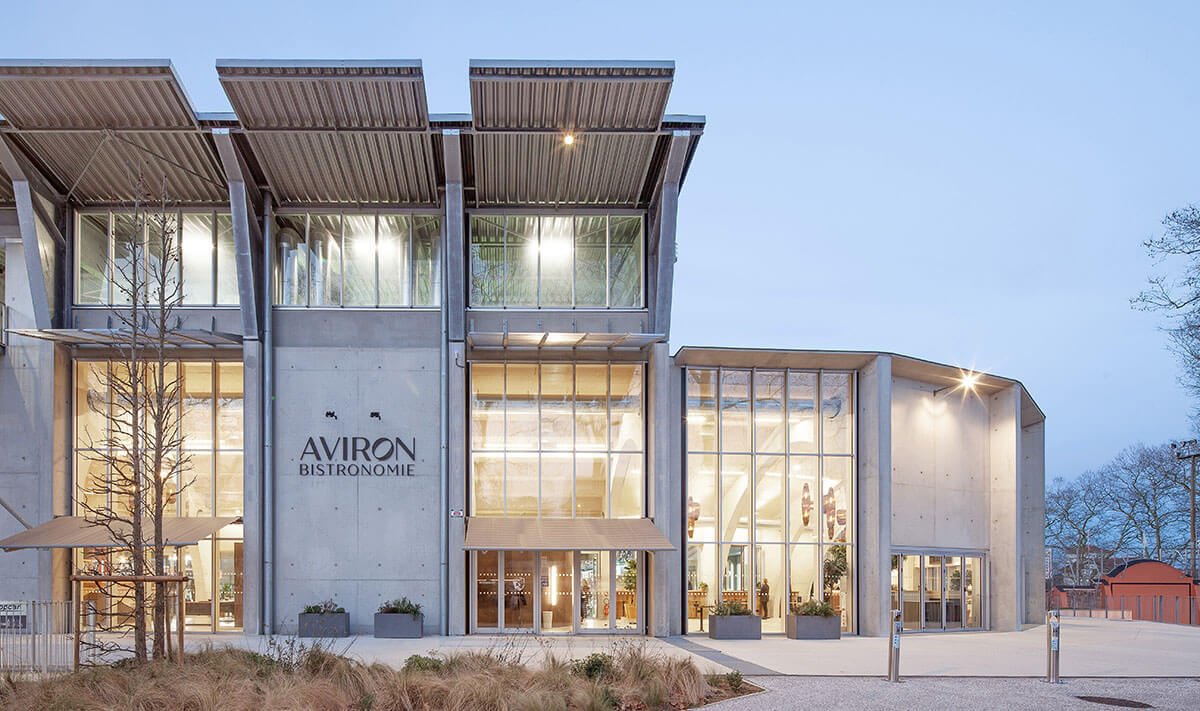
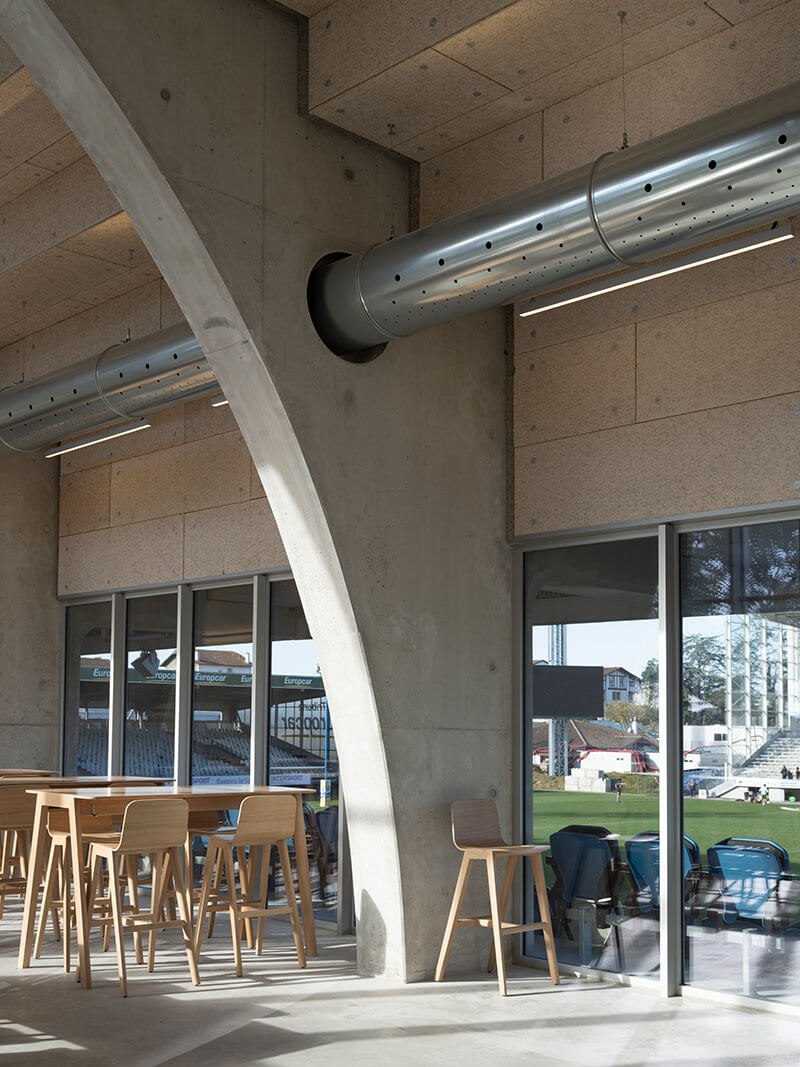
Another key project objec­tive was to open up the stadium for a variety of uses beyond match opera­tions. The new stands incor­po­rate cate­ring faci­li­ties, lounges, confe­rence and event rooms as well as various sports faci­li­ties. The east stand in parti­cular houses spacious inte­rior spaces with a very unusual and warm atmo­sphere.

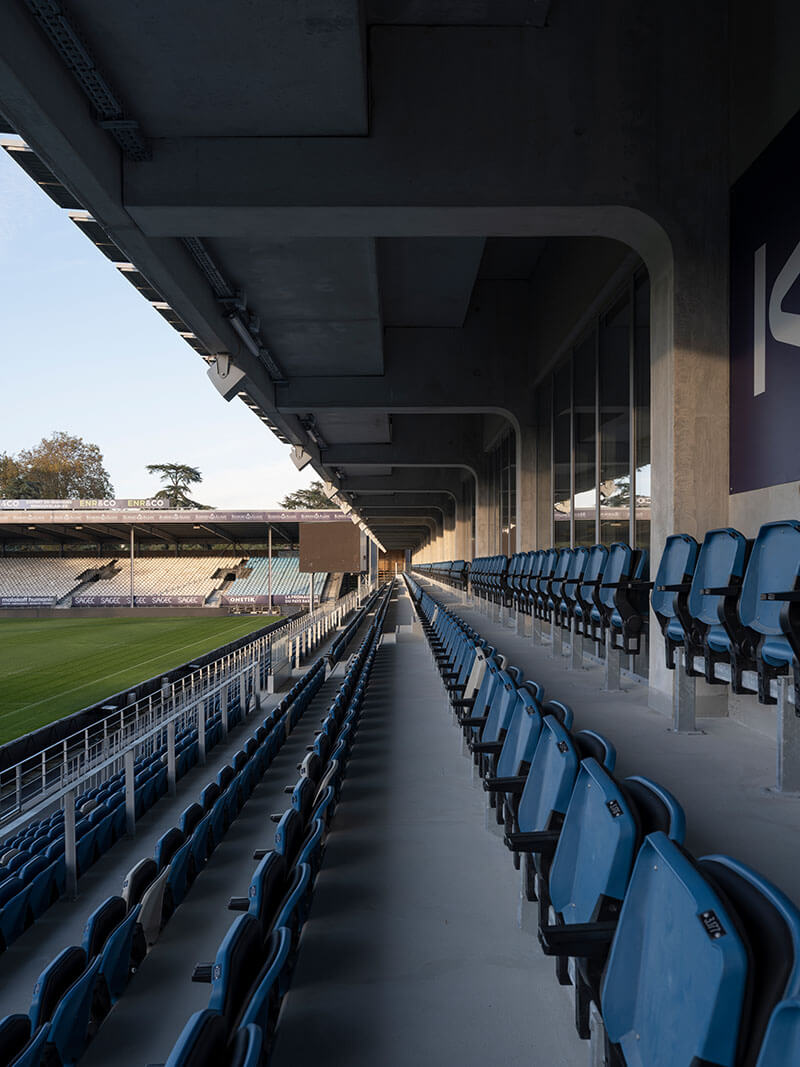
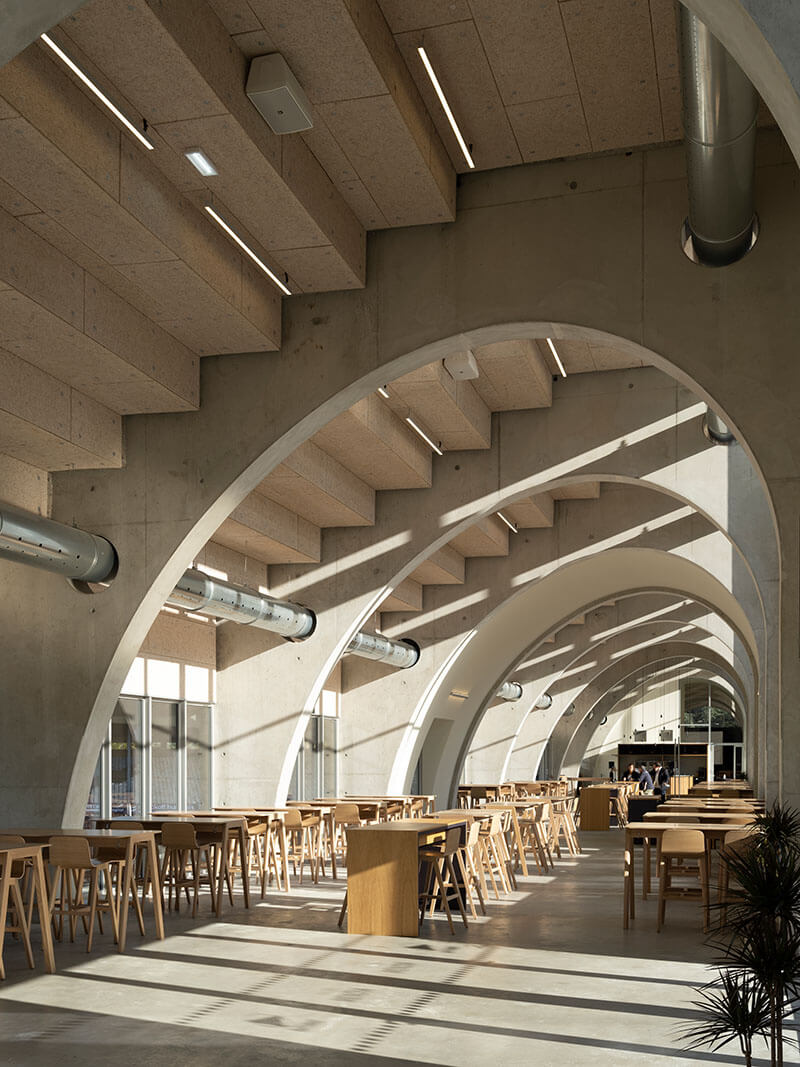
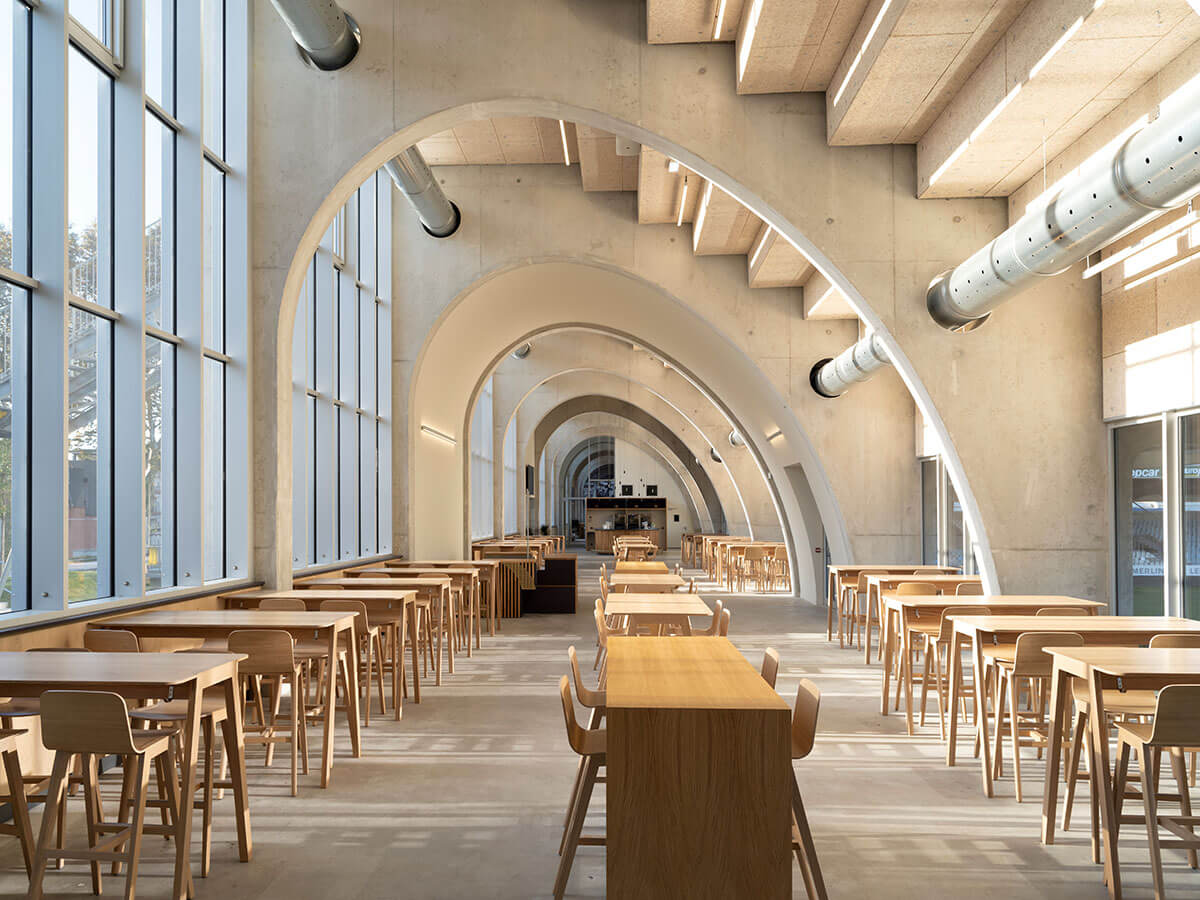
The rooms are deli­bera­tely glazed and can be seen from both the park and the playing field. Massive concrete arches struc­ture the inte­rior areas and give them a strong archi­tec­tural iden­tity. This visi­bi­lity of the “inside” – cons­truc­tion, use, move­ment – also makes the stadium legible and lively in ever­yday life.

The South Stand plays a special role. Its lower tiers are parti­ally dug into the ground, while the hospi­ta­lity areas are directly adja­cent to the street level. The result is an urban scenario consis­ting of a fore­court, lounge, arcades and a view of the pitch – which can also be seen from the outside.

The rounded corner in the south-east connects the two grand­stands and houses a restau­rant, whose vaulted room conti­nues the archi­tec­tural line of the arcades and at the same time allows for trans­pa­rency at the ends.

AB Campus

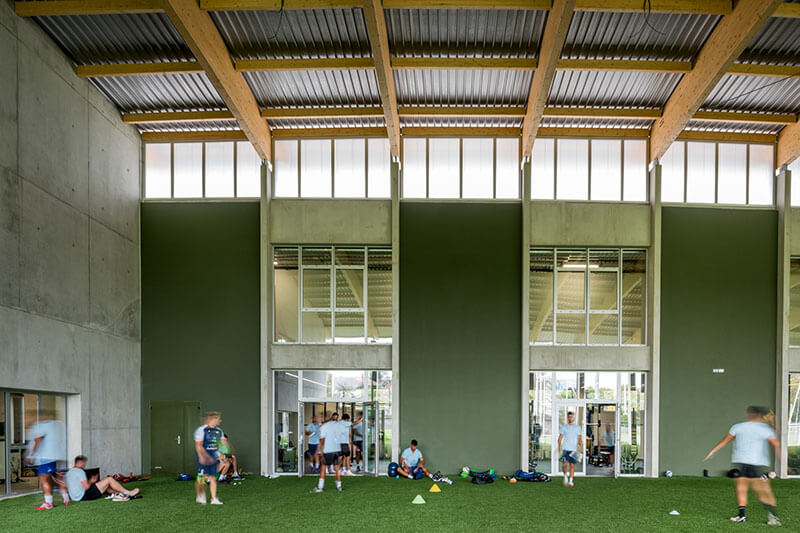
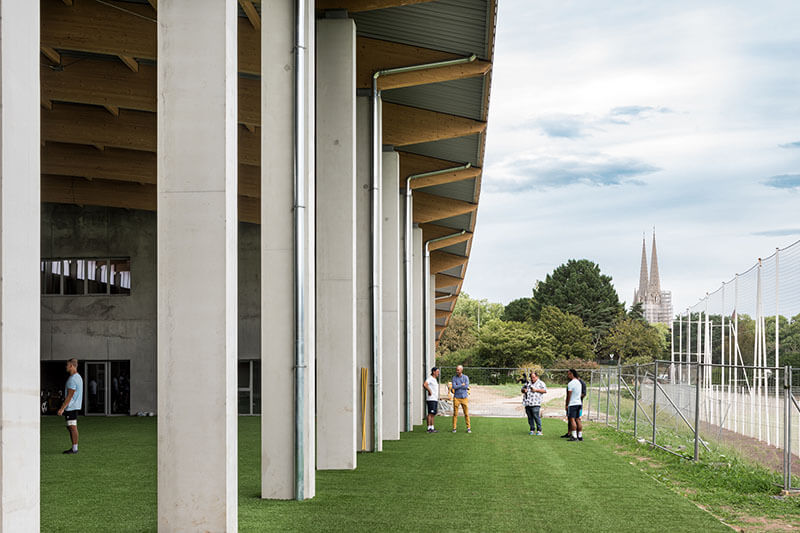
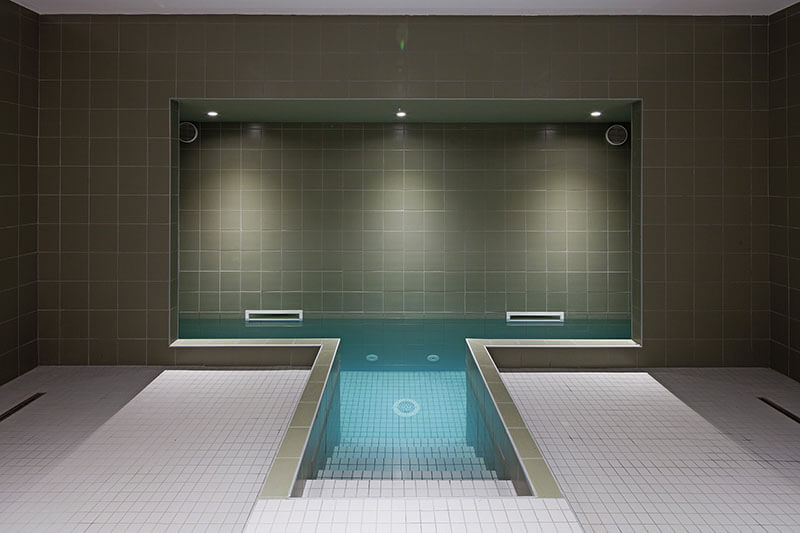
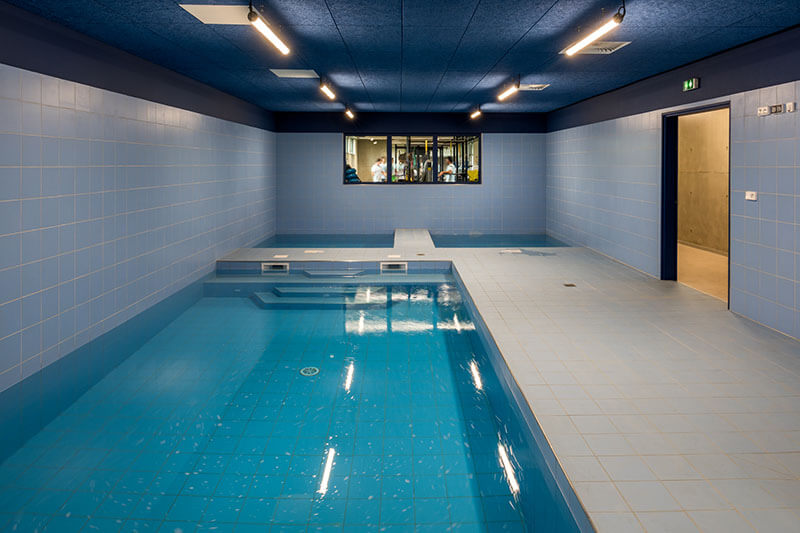
The stadium ensemble is comple­mented by the AB Campus on the west side of the site. This trai­ning and perfor­mance center combines amateur and profes­sional sport under one roof and offers trai­ning halls, fitness and rege­ne­ra­tion areas, medical faci­li­ties, offices and a canteen.

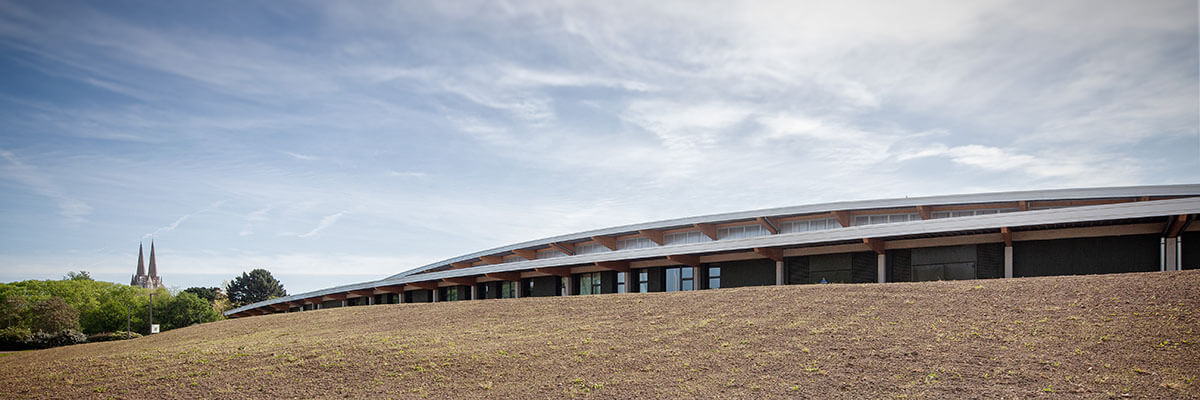
Archi­tec­tu­rally, the buil­ding deli­bera­tely takes a back seat: its curved shape follows the topo­graphy and the newly created land­scape hills along the bus lane. Instead of a domi­nant soli­tary struc­ture, a buil­ding has been created that blends into the green belt and visually detaches the historic grand­stand. The mate­rials and language are reduced – exposed concrete, wood, dark green masonry and a large aluminum roof – to allow the land­scape and the exis­ting struc­ture to take effect.

Park, Olympia and commu­nity

As the rede­sign of the Stade Jean-Dauger would take several years, the overall project was deli­bera­tely divided into cons­truc­tion phases. This made it possible to gradu­ally increase the capa­city from the original 13,500 to the current 16,500 seats without jeopar­di­zing the sustaina­bi­lity of the overall concept. This stra­tegy makes it possible to react flexibly to finan­cial, sporting and urban deve­lo­p­ments.

Today, the Stade Jean-Dauger is a modern rugby stadium of inter­na­tional stan­dards, which served as a trai­ning venue for the 2024 Olympic Games in Paris. At the same time, it remains a place that creates iden­tity for Bayonne – a stadium in the park, an urban buil­ding in the coun­try­side and a lively meeting place for sport, the city and the commu­nity.

Project data

Desi­gner

Patrick Arotcharen
Agence d’ar­chi­tec­ture
4 Rue Monréjau
F- 64 100 Bayonne

Buil­ding owner

SASP Aviron Bayon­nais Rugby Pro

Opening
Opening
Address

Stade Jean-Dauger
8 Av. Fernand Forgues
F‑64100 Bayonne

Drawings

Videos

Abon­nieren Sie unseren News­letter.

Wir infor­mieren alle drei Wochen über neue und beispiel­hafte Projekte und Produkte. Mit Herz und Schwung und Sach­ver­stand.

Univer­sity Stadium Porto

Univer­sity Stadium Porto

Back to life

CREA Arqui­tetos

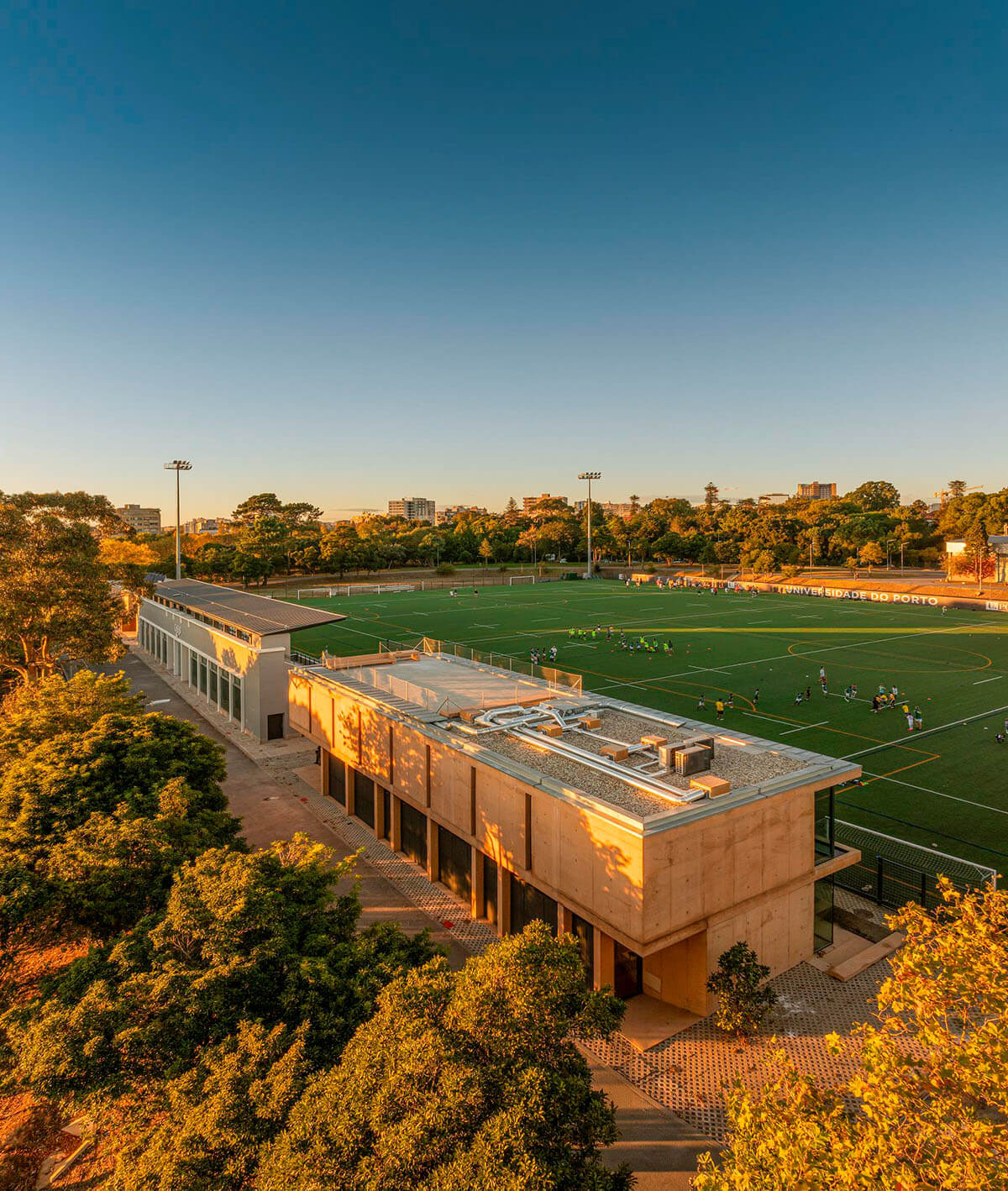
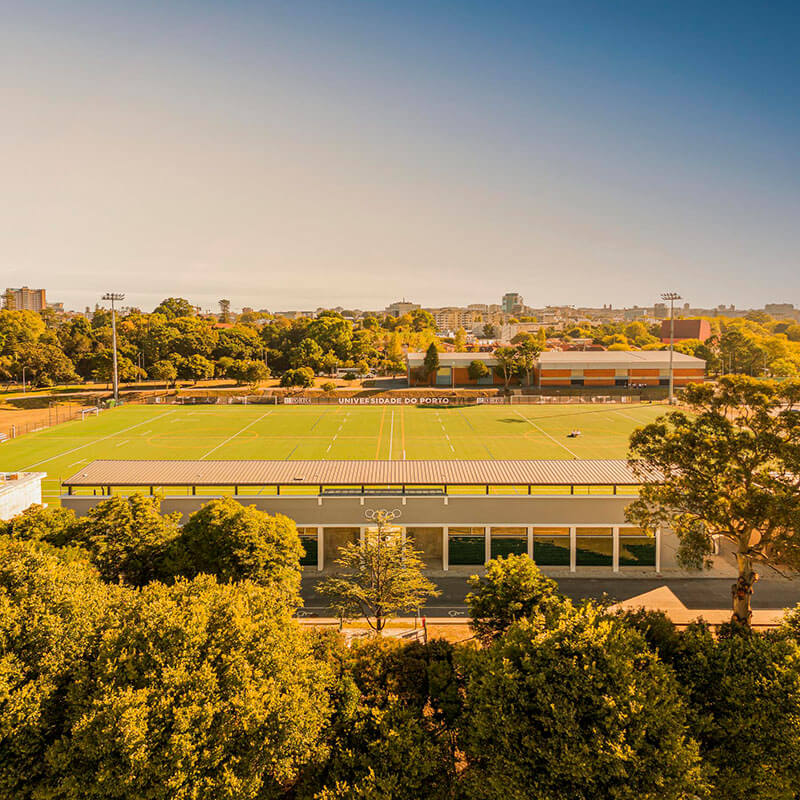
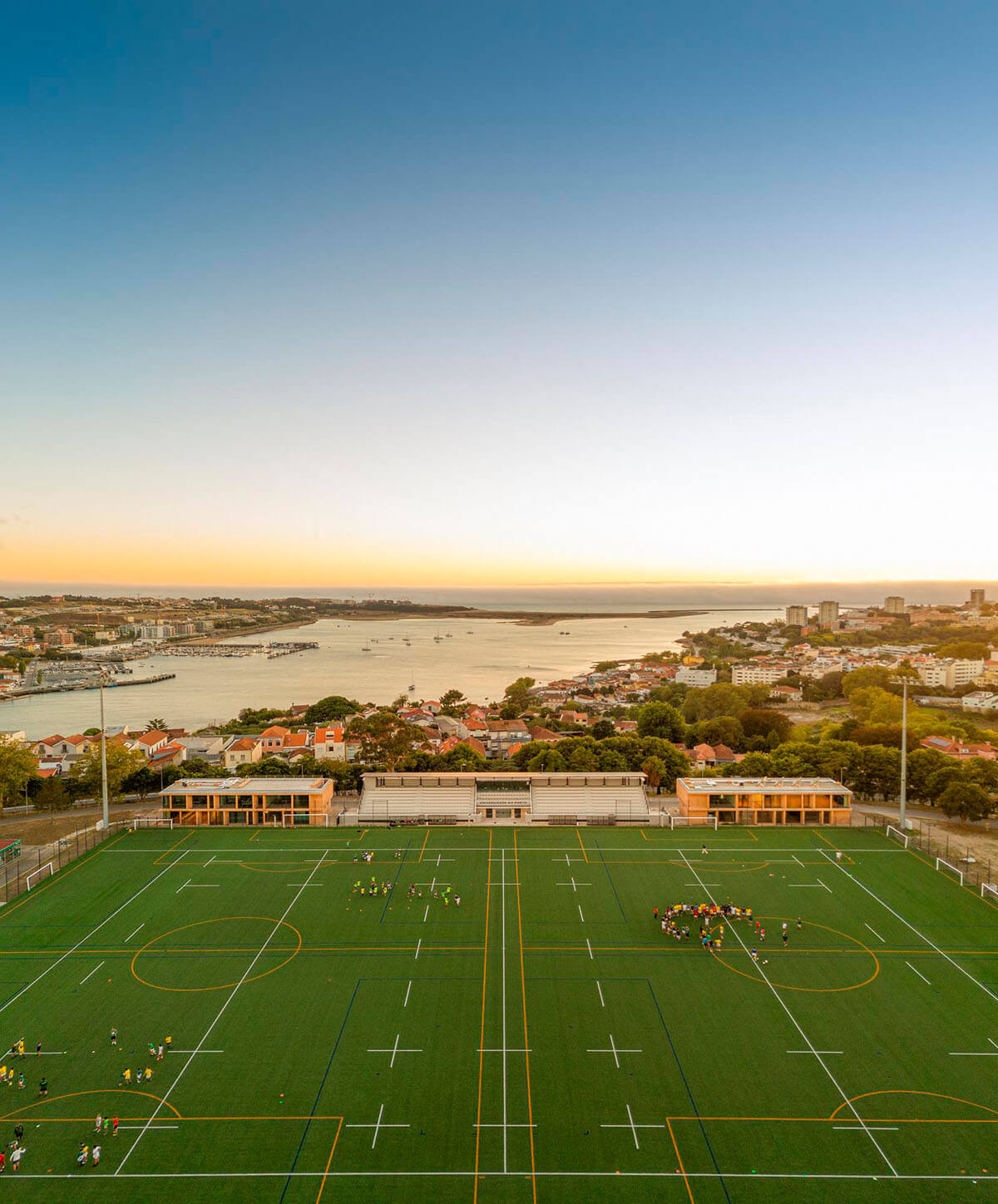
The Univer­sity Stadium of the Univer­sity of Porto was opened in 1953 in the green surroun­dings of the Quinta do Campo Alegre and has been one of the city’s most important sporting and social meeting places for decades. Now the tradi­tional sports complex has under­gone a remar­kable trans­for­ma­tion through exten­sive reno­va­tion and expan­sion. The archi­tec­tural heri­tage of the ratio­na­list-influenced exis­ting buil­ding has been preserved, while at the same time a sustainable infra­struc­ture has been created.

From CREA Arqui­tetos.

Reno­va­tion of the historic grand­stand

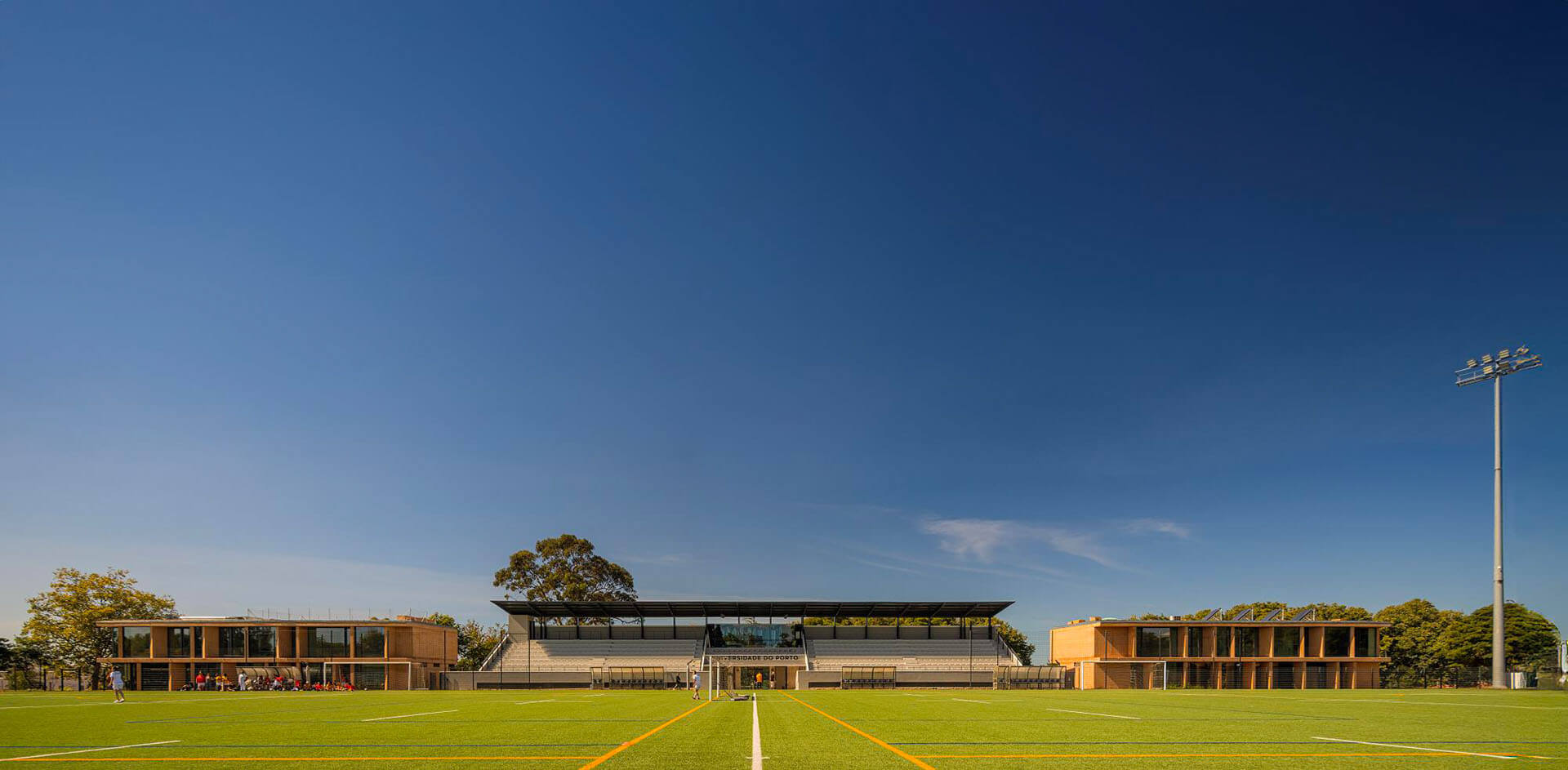
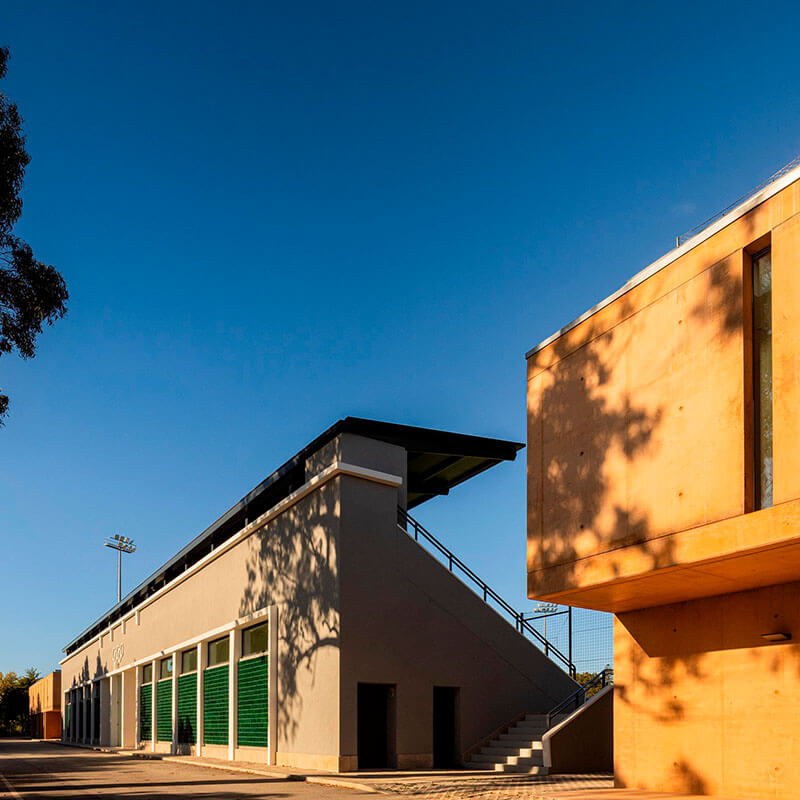
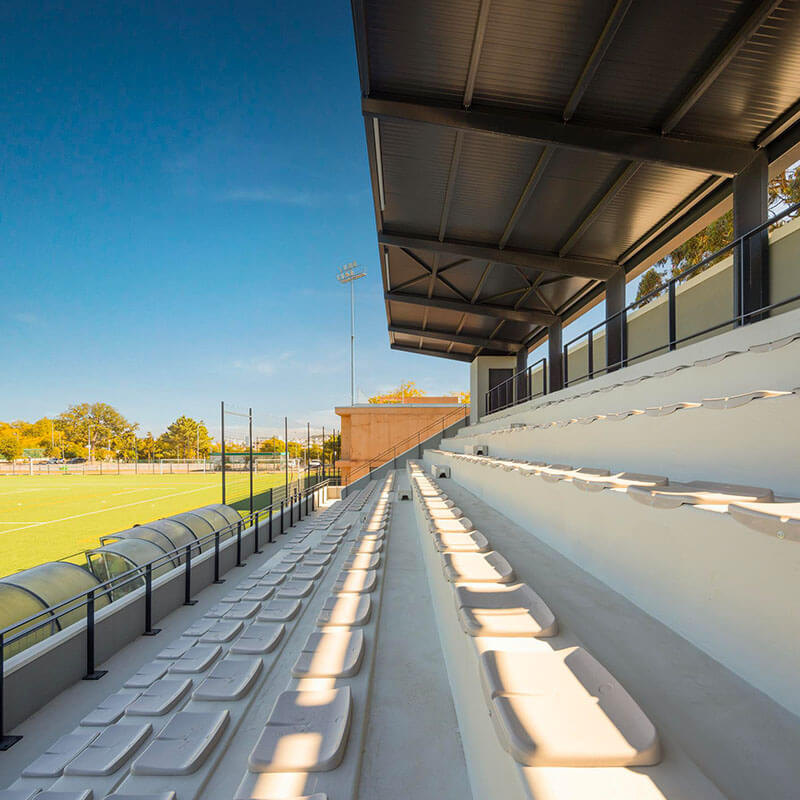
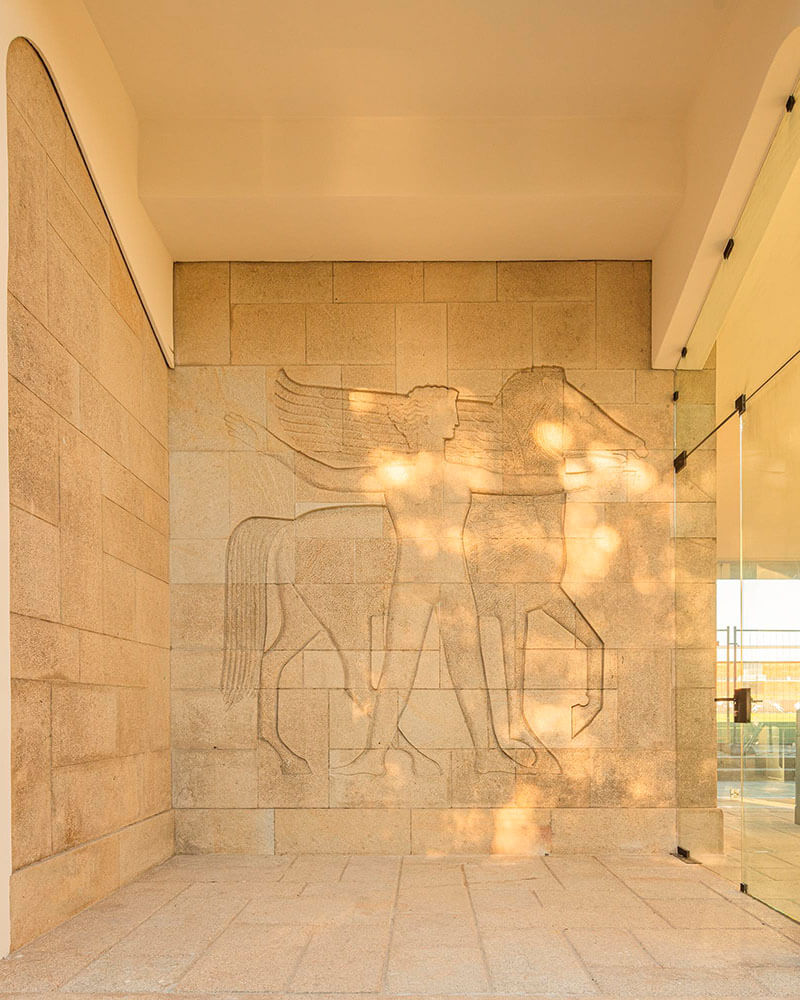
The focus of the inter­ven­tion was the sensi­tive reha­bi­li­ta­tion of the grand­stand, whose strictly symme­trical façade design and rhyth­mi­cally arranged columns are a typical example of post-war moder­nism. The portico-like main entrance, which leads visi­tors into the stadium through a loggia, and the bas-reliefs carved in granite with motifs from clas­sical mytho­logy were carefully preserved and restored.

At the same time, the inner struc­ture was comple­tely rede­si­gned: New func­tional areas for athletes and visi­tors were created, entrances were moder­nized and the grand­stand roof was rede­si­gned to signi­fi­cantly increase the covered area – a noti­ceable gain in comfort.

Expan­sion with two new CDUP buil­dings

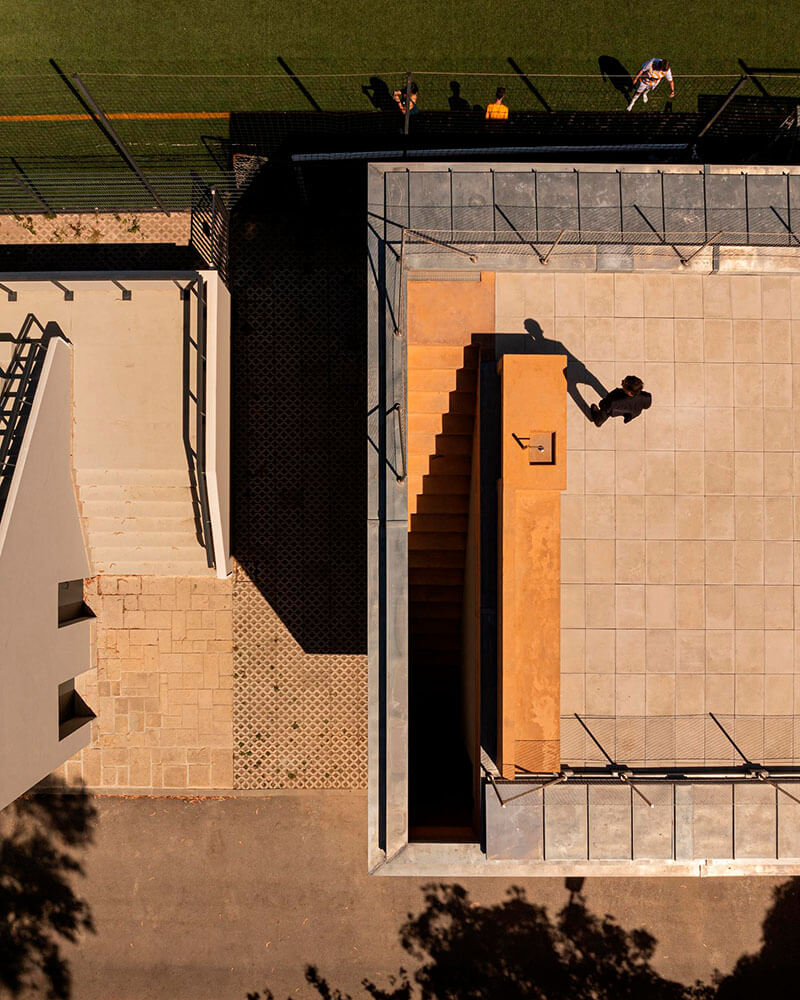
Along the longi­tu­dinal axis of the grand­stand, two new buil­dings now complete the Univer­sity Stadium Porto complex. They house the new head­quar­ters of the CDUP (Centro de Desporto da Univer­si­dade do Porto) and offer versa­tile spaces such as offices, meeting rooms and work areas for students and staff.

While the new buil­dings refer to the monu­mental austerity of the exis­ting grand­stand in terms of scale and struc­ture, they inter­pret its compo­si­tional rules quite dyna­mi­cally, for example through large openings towards the sports fields.

Terra­cotta as a connec­ting element

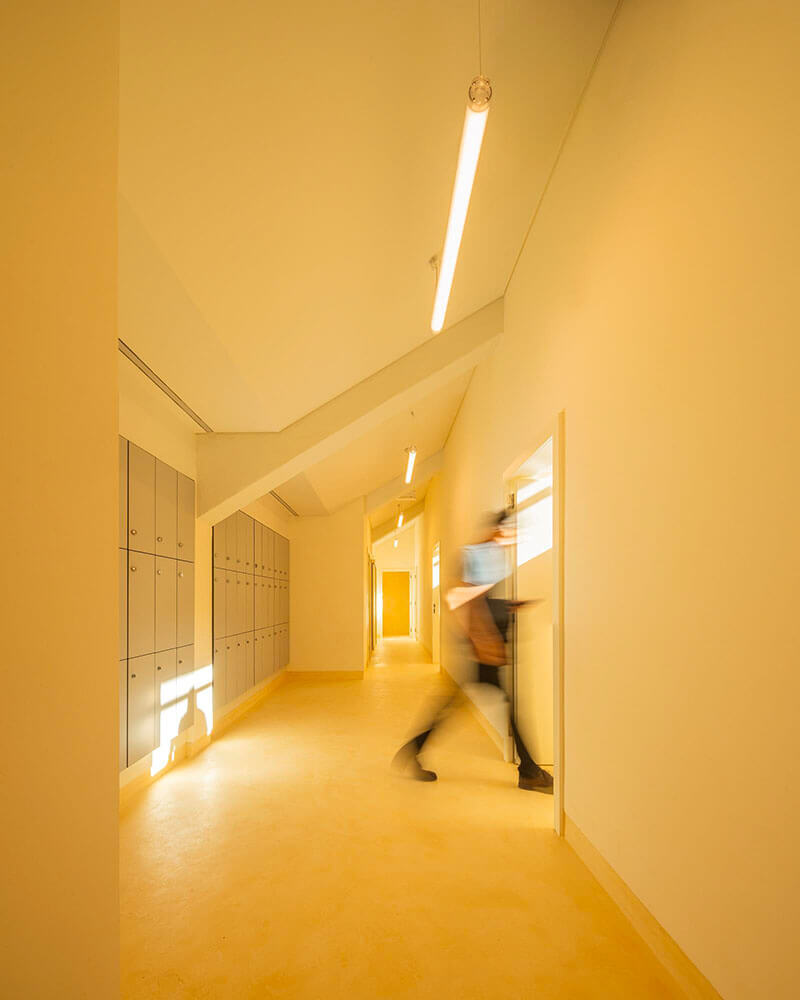
The choice of mate­rial plays a central role. Terra­cotta-colored pigmented concrete was used for all new volumes, as well as for parts of the exis­ting buil­ding to be reno­vated. This warm, earthy tone enli­vens the buil­ding enve­lope and extends into the inte­rior spaces on the first floor.

The mate­rial gives the ensemble a clear iden­tity, creates a subtle contrast to the sober grand­stand and blends harmo­niously into the tree-lined context.

A lively place for sport and commu­nity

With the reno­va­tion and refur­bish­ment, the Univer­sity Stadium reopens as a multi­func­tional, open campus area that combines sporting acti­vi­ties, student meetings and admi­nis­tra­tive func­tions. The historic entrances for spec­ta­tors via the stair­cases have been retained, while athletes and staff enter through newly desi­gned entrances. This respects the original character while ensu­ring contem­po­rary user-friend­li­ness.

After a long plan­ning and cons­truc­tion process – inter­rupted by the COVID-19 pandemic – the stadium is now fully opera­tional again and serves as a fine example of how modern archi­tec­ture can be harmo­nized with histo­rical subs­tance.

Project data

Desi­gner

Crea Arqui­tetos

André Camelo
Bruno Soares, Rita Correia, Teresa Osório

Buil­ding owner

Univer­si­dade do Porto

Opening

2024

Your entry

CDUP
Rua das Estrelas
PT – 4150–762 Porto

Photos

Fernando Guerra

Text

Johannes Bühl­be­cker
More Sports Media

Drawings

Video

Unser News­letter

Ihre Bühne

Publi­zieren Sie Ihr Projekt oder Ihr Produkt hier!

Power­house Stadium

Power­house Stadium in Birmingham

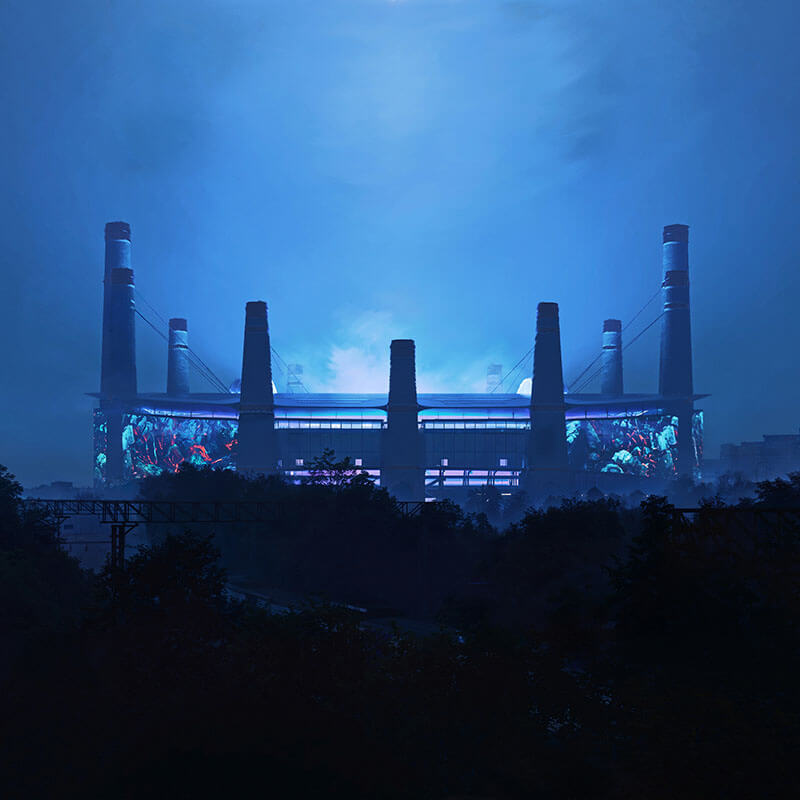
Chimney stadium

62,000 fans, a retrac­table roof and urban life around the stadium: the Power­house Stadium will be Birming­ham’s new center for sport and culture. And tells the indus­trial history of the city into the future. As a new land­mark.

Design

Heather­wick Studio & Manica

Urban deve­lo­p­ment with chim­neys

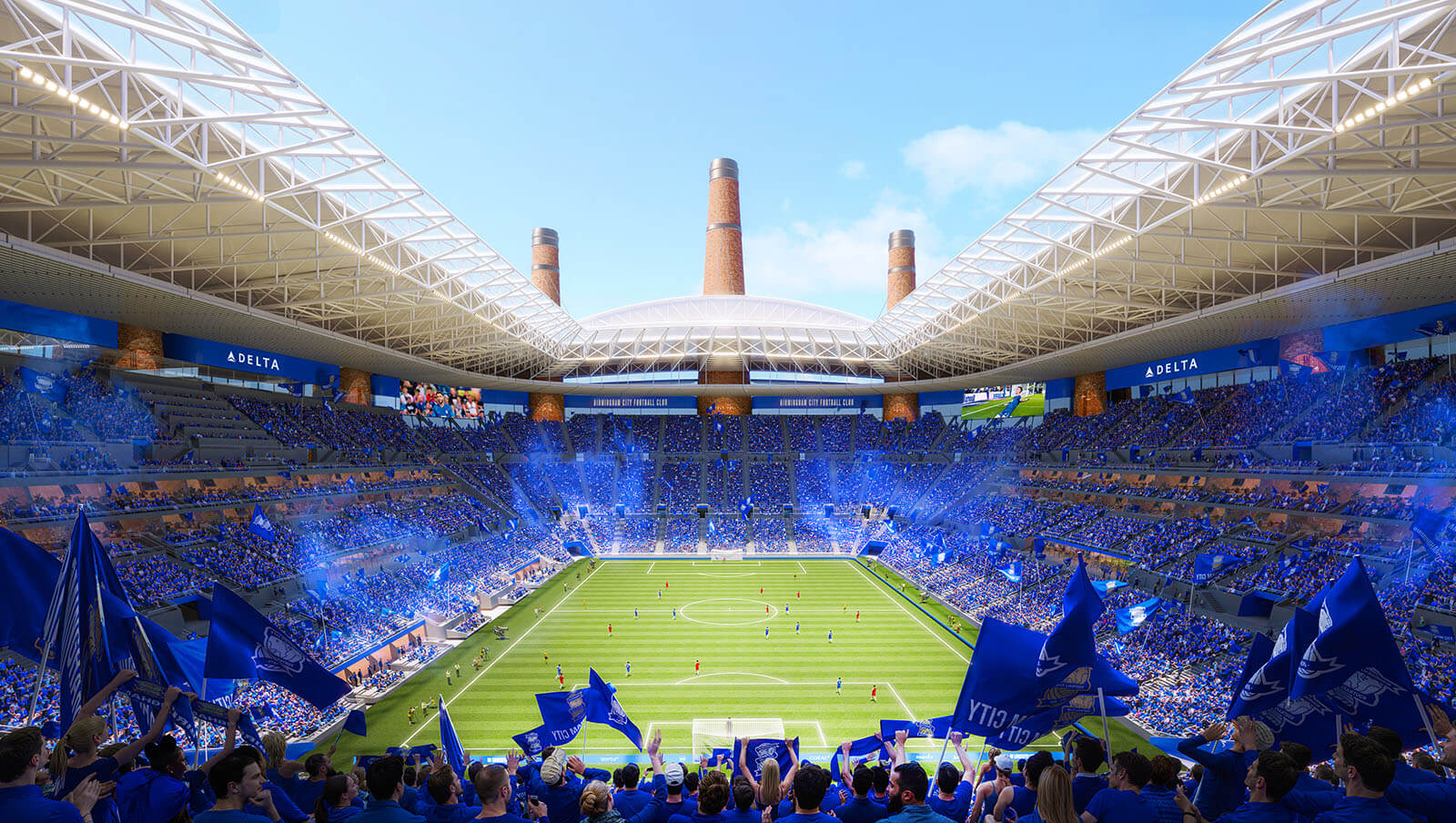
With the planned Power­house Stadium, Birmingham is about to embark on one of the most ambi­tious stadium and urban deve­lo­p­ment projects in the UK. The multi­func­tional large-scale project in the east of the city will seat 62,000 spec­ta­tors and will be the new home of second divi­sion club Birmingham City Foot­ball Club. It will replace the tradi­tional St. Andrew’s Stadium, located 1.5 km to the west, and will form the heart of the new Birmingham Sports Quarter from 2030.

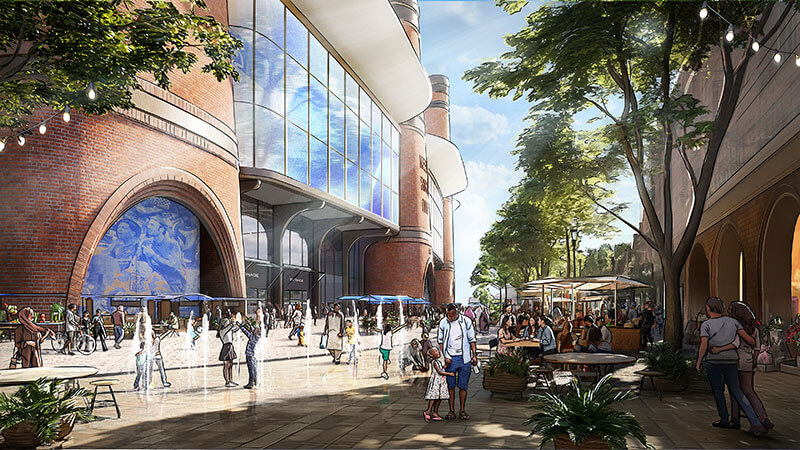
The project pays homage to Birming­ham’s indus­trial past and trans­lates this into a striking archi­tec­tural language. The defi­ning element are twelve high, chimney-like towers, which are remi­nis­cent of the former brick produc­tion at the site (Birmingham Wheels Park). Where possible, historic bricks are to be reused.

The towers, known as “chim­neys”, take on several func­tions: They support the roof, house stairs and eleva­tors and are part of a passive venti­la­tion concept.

The Power­house Stadium is being desi­gned by Heather­wick Studio in colla­bo­ra­tion with MANICA.

Lockable and movable

Inside, the Power­house Stadium focuses on an intense spec­tator expe­ri­ence. The steep, compact spec­tator bowl brings the fans as close as possible to the pitch and creates an enclosed atmo­sphere. High-perfor­mance acou­stic solu­tions are desi­gned to enhance the atmo­sphere while limi­ting noise pollu­tion for the surroun­ding area.

A closable roof and a movable pitch enable flexible forms of use and a wide variety of events, from soccer and other sports to inter­na­tional concerts and major events. This clearly posi­tions the stadium as a multi­func­tional arena that can be used all year round.

A special high­light: one of the towers will house an elevator to the highest bar in Birmingham – inclu­ding a pano­r­amic view of the city and a multi­media presen­ta­tion of local history.

The stadium as a public space

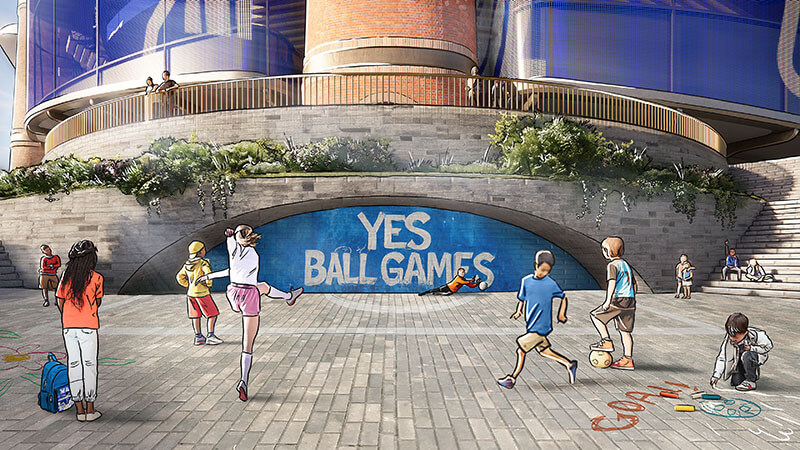
The central concern of all those involved is to fill the stadium with life not only on match days. A publicly acces­sible urban space is being created around the Power­house Stadium that can be used throug­hout the week. The plans include food markets, restau­rants, cafés, recrea­tion areas and play areas for children. The stadium will thus become a social meeting place and an inte­gral part of the neigh­bor­hood.

As the anchor project of the Birmingham Sports Quarter, the new stadium will have an impact far beyond soccer. In addi­tion to the stadium, trai­ning centers for compe­ti­tive and youth sports as well as mixed-use neigh­bor­hood deve­lo­p­ments are planned.

Comple­tion of the Power­house Stadium is ambi­tiously sche­duled for the start of the 2030/2031 season. A compre­hen­sive parti­ci­pa­tion program with fans and local resi­dents is due to start this year.

With its strong connec­tion to the local iden­tity, inno­va­tive engi­nee­ring and a clear opening to the city, the Power­house Stadium sees itself as Birming­ham’s new land­mark.

And on a grand scale.

Project data

Desi­gner

Heather­wick Studio

Desi­gner

Manica

Buil­ding owner
Birmingham City Foot­ball Club
Address

Power­house Stadium
1 Adderley Rd S
Birmingham B8 1AD
United Kingdom

Opening

2025

Render

Heather­wick Studio
Mir
Devi­sual

Text

Johannes Bühl­be­cker
More Sports Media

Videos

Subscribe to our news­letter.

Every three weeks, we provide infor­ma­tion about new and exem­plary projects and products. With heart, enthu­siasm, and exper­tise.

Xi’an Inter­na­tional Foot­ball Centre

Xi’an Inter­na­tional Foot­ball Centre

Stream­lined

The Xi’an Inter­na­tional Foot­ball Center by Zaha Hadid Archi­tects combines flowing archi­tec­ture, inno­va­tive roofing tech­no­logy, and urban open­ness.

Design

Zaha Hadid Archi­tects

A matter of geometry

The Xi’an Inter­na­tional Foot­ball Centre opened in September 2025. The new 60,000-seat stadium in the Feng­dong New City District combines high-tech engi­nee­ring with a sculp­tural design language and responds to the climate, urban envi­ron­ment, and spec­tator needs.

Die archi­tek­to­ni­sche Gestalt des Stadions ist das Ergebnis einer konse­quenten klima­ti­schen und funk­tio­nalen Opti­mie­rung. Die flie­ßende, wind­schnit­tige Geome­trie reagiert auf die kalten Nord­winde im Winter und die heißen Sommer in der Metro­pole Xi’an (13 Millionen Einwohner). Insbe­son­dere die Dach­form fungiert als schüt­zende Hülle: Sie lenkt Wind­strö­mungen ab, spendet groß­flä­chig Schatten – und erzeugt eine starke visu­elle Iden­tität.

Charak­te­ris­tisch ist der sattel­ar­tige Zuschau­er­körper, der im Bereich der Mittel­linie deut­lich ansteigt. Diese Geome­trie maxi­miert die Anzahl der Sitz­plätze mit opti­malen Sicht­be­zie­hungen zum Spiel­feld und verdichtet die Atmo­sphäre im Zentrum des Stadions.

The design is by Zaha Hadid Archi­tects.

We published the design five years ago.

Cons­truc­tion and open­ness

A key archi­tec­tural and struc­tural element is the light­weight cable net roof struc­ture, which allows for large spans with minimal use of mate­rials. The reduced dead load not only lowers resource consump­tion and the carbon foot­print, but also allows for far-reaching roof over­hangs that effec­tively protect all surroun­ding areas from sun and rain.

A trans­lu­cent membrane spans the spec­tator area, allo­wing diffused daylight to enter the stadium inte­rior. This solu­tion protects spec­ta­tors from the weather while promo­ting natural grass growth and redu­cing the need for arti­fi­cial lighting.

The stadi­um’s facade is not desi­gned as a closed shell, but as an open, stag­gered system of terraces and walk­ways. On the south side in parti­cular, the levels recede in a cascade-like pattern, forming a covered, plaza-like zone that creates a smooth tran­si­tion between the city and the stadium.

Inten­sive Erleb­nisse

A spacious prome­nade encir­cling the stadium provides access and amen­i­ties in the upper stadium area. There is plenty of space here for restau­rants, leisure acti­vi­ties, and relaxation—both on game days and in ever­yday life. This makes the stadium an urban hybrid (accor­ding to the plan­ners) that combines sporting, social, and commer­cial uses.

Digital simu­la­tions were used to opti­mize the geometry of the stands so that all 60,000 seats offer maximum proxi­mity, clear sight­lines, and acou­stic inten­sity. The result is a compact, emotio­nally charged stadium atmo­sphere that engages players and spec­ta­tors alike.

In a city that has thrived on exch­ange for centu­ries as the eastern terminus of the historic Silk Road, the Xi’an Inter­na­tional Foot­ball Centre sets a contem­po­rary archi­tec­tural bench­mark. Not only for the possi­bi­li­ties of engi­nee­ring, but also for open­ness.

Project data

Desi­gner
Execu­tive Archi­tect
Local Archi­tect
Struc­tural Engi­neers

Zaha Hadid Archi­tects
(ZHA)

Patrik Schu­ma­cher, Nils Fischer, Lei Zheng, Vishu Bhooshan, Jakub Klaska, Hungda Chien, Shajay Bhooshan, Jianfei Chu, Chun- Yen Chen, Marina Dimopoulou, Cesar Fraga­chan, Michael Forward, Matthew Gabe, Stratis Geor­giou, Charles Harris, Yen-fen Huang, Han Hsun Hsieh, Yihoon Kim, Henry Louth, Martha Masli, Mauro Sabiu, Xin Swift, Adeliia Papulzan, Pablo Agustin Vivas, Jinqi Huang, Shajay Bhooshan, Vishu Bhooshan, Jianfei Chu, Cesar Fraga­chan, Henry Louth

Arcplus Insti­tute of
Shanghai Archi­tec­tural
Design & Rese­arch
Co.,Ltd. (AISA

Opening
Opening
Photos
Hufton + Crow

Intel­li­gent Design for
Emer­ging Archi­tec­ture
(Hong­kong) Limited
(iDEA)

Address
Xi’an Inter­na­tional Foot­ball Centre
Shaanxi, Xi’An,
Xincheng
China
Text

Johannes Bühl­be­cker
More Sports Media

AISA, Schlaich
Berger­mann Partner
(SBP), Qiang Chang

Drawings

Videos

Subscribe to our news­letter.

Every three weeks, we provide infor­ma­tion about new and exem­plary projects and products. With heart, enthu­siasm, and exper­tise.

Itaka Arena

Itaka Arena in Opole

Ever­y­thing works in harmony


90 Archi­tekci, GMT & Serge Ferrari

With the opening of the Itaka Arena in March 2025, the city of Opole in southwes­tern Poland gained a new land­mark. The new stadium replaces the old pre-World War II faci­lity and combines top athletic stan­dards with cutting-edge archi­tec­ture, sustaina­bi­lity, and forward-looking mate­rials.

Cham­pions League

The Itaka Arena meets UEFA Cate­gory 3 stan­dards, making it eligible to host Cham­pions League and Europa League quali­fi­ca­tion matches. With 11,600 seats, the stadium takes on a compact, dynamic form with a clear archi­tec­tural struc­ture. Its cons­truc­tion rests on 130 supporting columns, which not only bear the load but also convey a sense of open­ness and light­ness.

The stadium was desi­gned by 90 Archi­tekci and GMT, with the signa­ture membrane façade provided by Serge Ferrari.

Membrane as a Design Element

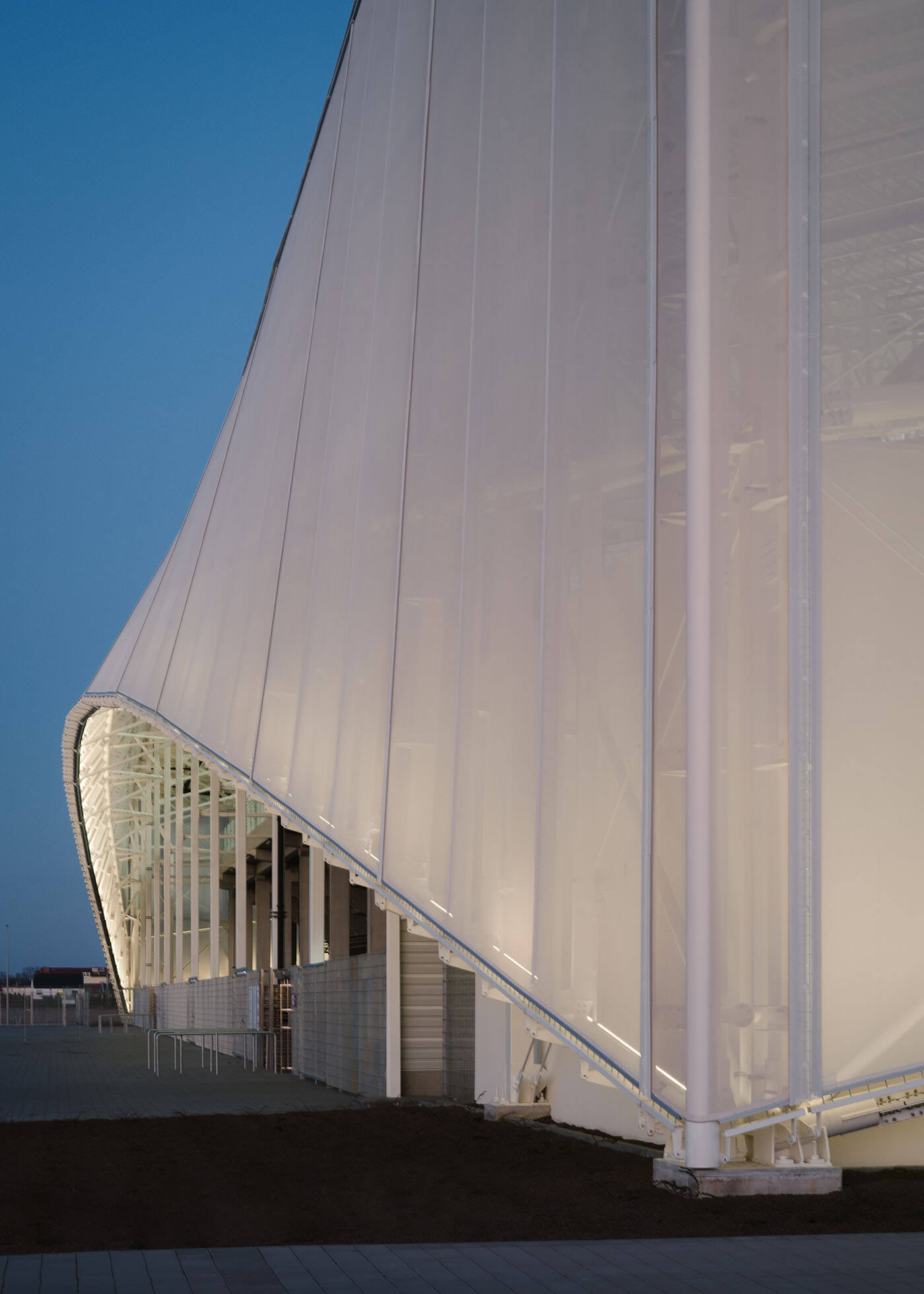
The most striking feature of the Itaka Arena is its outer shell: 11,000 m² of Serge Ferrari’s Tenseo Frontside GFM 21 stret­ches over the gently curved steel struc­ture. The membrane gives the stadium a sense of light­ness and dyna­mism, appearing almost to float, and imparts an inde­pen­dent, elegant line to the archi­tec­ture.

During the day, the trans­pa­rent mate­rial creates a harmo­nious play of light and shadow, while at night it trans­forms into an impres­sive projec­tion surface that show­cases the stadium.

The choice of Tenseo Frontside GFM 21 was not purely aesthetic. The mate­rial is weather- and UV-resistant, durable, and excep­tio­nally light­weight. Thanks to its low weight, the Itaka Arena requires only a minimal supporting struc­ture. This reduces mate­rial use, lowers the carbon foot­print, and supports the ambi­tious sustaina­bi­lity goals of the project. The membrane was installed by the Polish specia­list company PBU Pion.

Sustaina­bi­lity and Energy Effi­ci­ency

A key focus in plan­ning the Itaka Arena was meeting today’s ecolo­gical stan­dards while ensu­ring long-term cost-effi­cient opera­tion. Large photo­vol­taic panels on the roof gene­rate rene­wable energy, while modern heat pumps provide both heating and cooling. The system is comple­mented by combined heat and power plants, allo­wing highly effi­cient coge­nera­tion.

This approach not only produces elec­tri­city but also makes use of the resul­ting (waste) heat, signi­fi­cantly incre­asing overall effi­ci­ency.

In addi­tion, the arena features compre­hen­sive rain­water manage­ment. Large reten­tion basins collect preci­pi­ta­tion, which is then used to irri­gate the pitch, surroun­ding green areas, and even for toilet flus­hing.

Energy effi­ci­ency was also a prio­rity in the tech­nical equip­ment: modern audio, video, and lighting systems operate resource-effi­ci­ently without compro­mi­sing quality or the spec­tator expe­ri­ence. The overall concept makes the Itaka Arena nearly energy self-suffi­cient while redu­cing both opera­ting costs and its ecolo­gical foot­print.

Archi­tec­ture, Func­tion, and Symbo­lism

The shape of the roof is inspired by the stage of Poland’s most important music festival, the Krajowy Festiwal Piosenki Polskiej, which will now take place in this stadium. This creates a strong connec­tion between sport, culture, and the city’s history.

The distinc­tive curves of the membrane not only give the arena an elegant and powerful appearance but also ensure optimal venti­la­tion of the inte­rior. This contri­butes to a comfor­table climate inside the stadium and plays a crucial role in the healthy growth of the pitch.

Ever­y­thing works toge­ther seam­lessly: the modern membrane tech­no­logy enables a confi­dent, inde­pen­dent archi­tec­tural expres­sion while supporting a compre­hen­sive concept of usage and sustaina­bi­lity.

Project data

Desi­gner

90 Archi­tekci
ul. Jawor­zyńska 7/9
PL – 00–634  Wars­zawa

GMT

Client

City of Opole

Membrane

Serge Ferrari Group

Opening

2025

Address

Itaka Arena
Olej­nika 1
PL – 46–020 Opole

Photos

Nate Cook Photo­graphy
90 Archi­tekci

Text

Johannes Bühl­be­cker
More Sports Media
(Adver­to­rial)

Plans

[dica_divi_carousel item_width_tablet=“100%” item_width_phone=“100%” item_width_last_edited=“on|phone” show_items_desktop=“1” show_items_tablet=“1” multislide=“on” transition_duration=“1000” loop=“on” autoplay=“on” hoverpause=“on” autoplay_speed=“3500” arrow_nav=“on” item_spacing=“10” item_vertical_align=“flex-start” advanced_effect=“1” arrow_nav_color=”#5E5C4D” arrow_bg_color=”#FFFFFF” dots_color=“#FAF4E4” dots_active_color=”#5E5C4D” overlay_color_field_bgcolor=“rgba(255,255,255,0.85)” carousel_container_margin=”||50px||false|false” _builder_version=“4.27.4” _module_preset=“default” title_font=“Roboto Condensed||||||||” body_font=“Roboto Condensed||||||||” width=“75%” width_tablet=“100%” width_phone=“100%” width_last_edited=“on|tablet” custom_margin=”|50px||30px|false|false” custom_margin_tablet=”|50px||30px|false|false” custom_margin_phone=”|0px|0px|0px|false|false” custom_margin_last_edited=“on|phone” custom_padding_tablet=”” custom_padding_phone=”||0px||false|false” custom_padding_last_edited=“on|phone” global_colors_info=”{}”][dica_divi_carouselitem button_url_new_window=“1” image=“https://moresports.network/wp-content/uploads/2025/08/ground-level-Kopie.jpg” image_lightbox=“on” _builder_version=“4.27.4” _module_preset=“default” global_colors_info=”{}”][/dica_divi_carouselitem][dica_divi_carouselitem button_url_new_window=“1” image=“https://moresports.network/wp-content/uploads/2025/08/level-2-Kopie.jpg” image_lightbox=“on” _builder_version=“4.27.4” _module_preset=“default” global_colors_info=”{}”][/dica_divi_carouselitem][dica_divi_carouselitem button_url_new_window=“1” image=“https://moresports.network/wp-content/uploads/2025/08/section-Kopie.jpg” image_lightbox=“on” _builder_version=“4.27.4” _module_preset=“default” global_colors_info=”{}”][/dica_divi_carouselitem][dica_divi_carouselitem button_url_new_window=“1” image=“https://moresports.network/wp-content/uploads/2025/08/sections-Kopie.jpg” image_lightbox=“on” _builder_version=“4.27.4” _module_preset=“default” global_colors_info=”{}”][/dica_divi_carouselitem][dica_divi_carouselitem button_url_new_window=“1” image=“https://moresports.network/wp-content/uploads/2025/08/facades-Kopie.jpg” image_lightbox=“on” _builder_version=“4.27.4” _module_preset=“default” global_colors_info=”{}”][/dica_divi_carouselitem][/dica_divi_carousel]

Video

Las Vegas Ball­park

Las Vegas Ball­park

Vegas, Baby


BIG & HNTB

Las Vegas is the place where there are few limits to fantasy. That’s why the Las Vegas Ball­park fits right in.

The Couch by MVRDVPhoto: ©Daria Scagliola & Stijn Brakkee

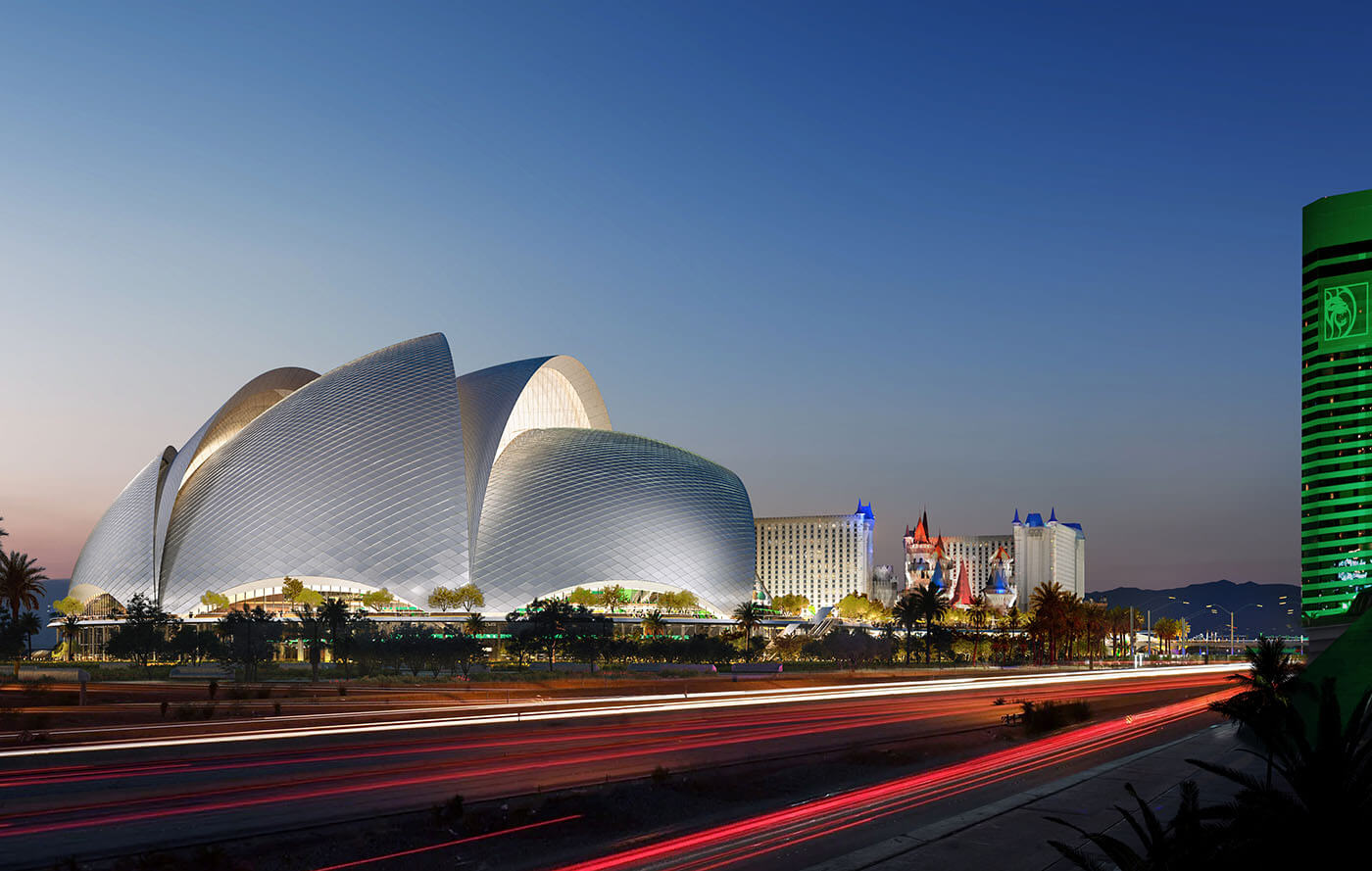
The famed Las Vegas Strip will soon be the home of the new Las Vegas Ball­park for the Oakland A’s by archi­tec­ture firms Bjarke Ingels Group (BIG) and HNTB. Once complete, the project will be the new home of Major League Baseball’s Oakland Athle­tics, and echo the vibrancy of the ‘Enter­tain­ment Capi­tal of the World,’ exuding an outdoor feel with pano­r­amic views of the city’s skyline.

The 33,000-capacity covered ball­park will sit on nine acres on Las Vegas Boule­vard between Tropi­cana Avenue and Reno Avenue. The expected opening date is spring 2028.

 The new Las Vegas Ballpark’s roof is accen­tuated by five over­lap­ping shells resembling base­ball penn­ants, paying homage to the sport. For players, these arched “penn­ants” will atte­nuate direct sunlight glare while welco­ming indi­rect natural light through nort­hern oriented clerestory windows. The domed ball­park is also desi­gned to feature the world’s largest cable net glass wall. The structure’s exte­rior metal clad­ding shim­mers in the natural daylight and reflects the surroun­ding Las Vegas lights at night.

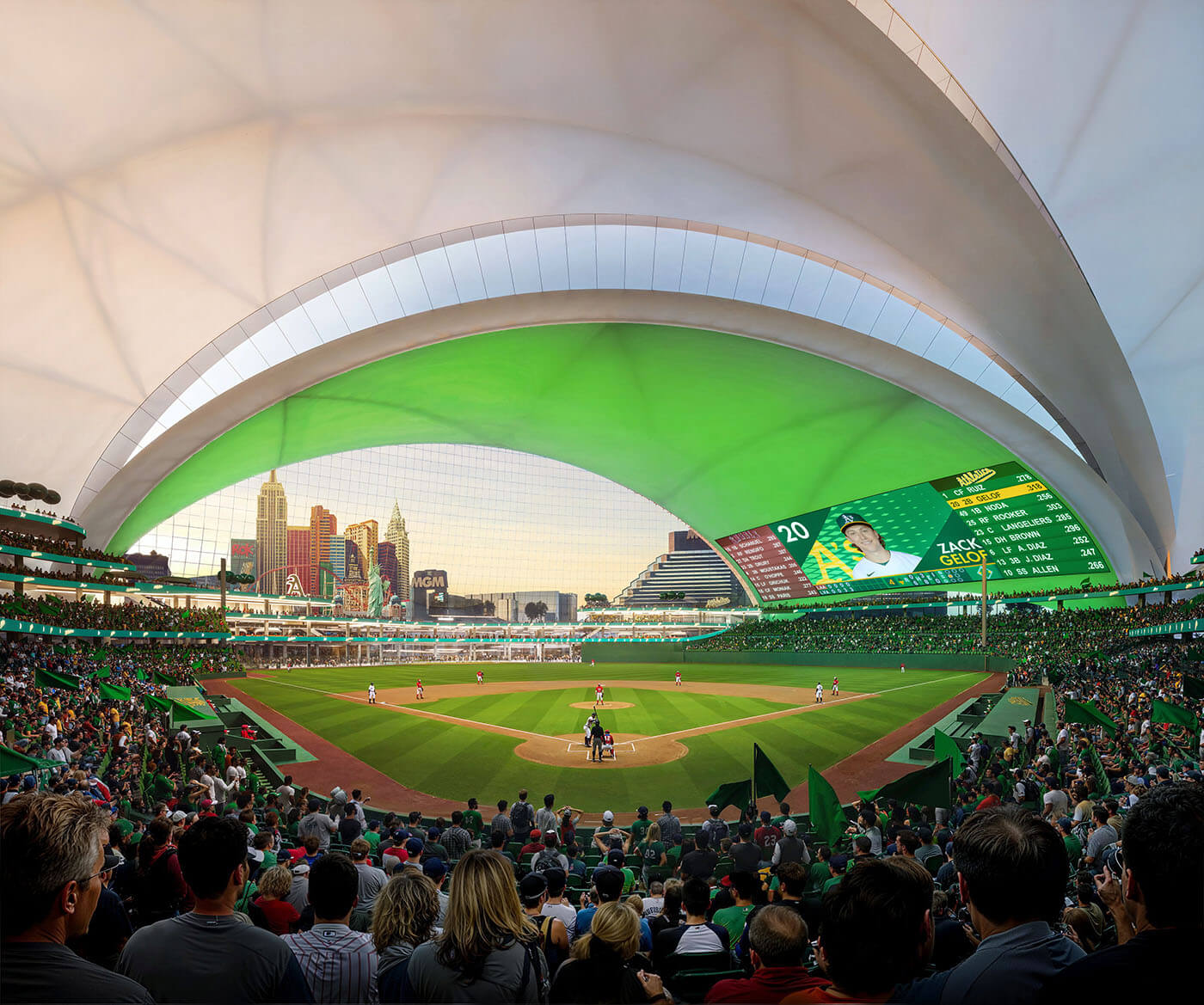
The design repres­ents a capti­vating ball­park concept, seam­lessly blen­ding inno­va­tion and tech­no­logy with an enhanced fan expe­ri­ence. It is conceived in response to the unique culture and climate of the city. Five pennant arches enclose the ball­park – shading from the Nevada sun while opening to the soft daylight from the north. A giant window frames a maje­stic view of the life of The Strip and the iconic New York New York hotel skyline. All direct sunlight is blocked, while all the soft daylight is allowed to wash the field in natural light.

The resul­tant archi­tec­ture is like a sphe­rical arma­dillo – shaped by the local climate – while opening and invi­ting the life of The Strip to enter and explore. In the city of spec­tacle, the A’s ‘arma­dillo’ is desi­gned for passive shad­ing and natural light – the archi­tec­tural response to the Nevada climate gene­ra­ting a new kind of verna­cular icon in Vegas.

An elevated outdoor plaza connects to the bridges over Las Vegas and Tropi­cana Boule­vards, direc­ting fans to the ballpark’s main concourse, where a large glass atrium pulls the city into the venue. This entrance sequence will imme­dia­tely orient fans in the ball­park, allo­wing views of the entire field and seating bowl upon entry while opti­mi­zing wayfin­ding and circu­la­tion.

Secon­dary north and south entrances are marked by “boun­cing” arches to increase visitor acces­si­bi­lity and promote a connec­tion to the outdoors. Once inside, fans are met with bright, open atria, which will also serve as multi­pur­pose exhi­bi­tion spaces to show­case inter­na­tional and local artists.

The ball­park will be a climate-controlled, state-of-the-art faci­lity that will house a variety of events and guest expe­ri­ences. By opening up the roof struc­ture, the archi­tects aim to capture the energy of the iconic Las Vegas Strip and create a unique synergy between its events and the surroun­ding city. The new Las Vegas Ball­park  will push the boun­da­ries for enjoying base­ball and contri­bute to a more inter­ac­tive and spec­ta­cular urban expe­ri­ence in Las Vegas.

 Las Vegas is where the imagi­na­tion runs free, charac­te­rized by bespoke, one-of-a-kind expe­ri­ences. The A’s new ball­park will be filled with unique settings for the social inter­play between, sport, spec­tacle and entertain­ment.

The Couch by MVRDVPhoto: ©Daria Scagliola & Stijn Brakkee

Project data

Archi­tects

BIG 
Bjarke Ingels, Daniel Sundlin, Leon Rost,  Aran Coakley, Frankie Sharpe, Jan Klaska, Ricardo Palma,  Ahmad Tabbakh, Alan Maedo, Bernardo Schuh­ma­cher, Catrina Nelson, Don Chen, Douglass Alli­good, Ema Baka­lova, Hongye Wu, Hudson Parris, Jeff Tao, Margaret Tyrpa, Matthew Lau, Paul Heberle, Pooya Aleda­vood, Sunghwan Um, Thomas McMur­trie, Yuza­buro Tanaka

HNTB 
Lanson Nichols, Brad Albers, Emily Louchart, Jeff Goode, Stephanie Schnei­de­reit, Bryan Rincon, Phil Perkins, Donovan Brook, Jack Swezy, Jimena Dorador, Robbie Powell

Opening

2028

Address

Las Vegas Ball­park
USA – NV 89109

Visua­li­sa­tion

Negativ

Text

BIG

Video

Do you want more?

Your turn

Intro­duce yourself

Your stage

DO YOU WANT TO PUBLISH YOUR PROJECT OR PRODUCT?
GDPR Cookie Consent with Real Cookie Banner