Allas Sea Pool

The modular pool

Allas Sea Pool

About

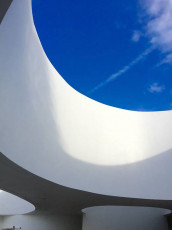
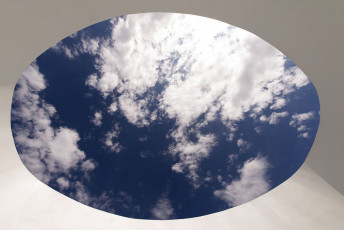
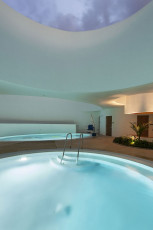
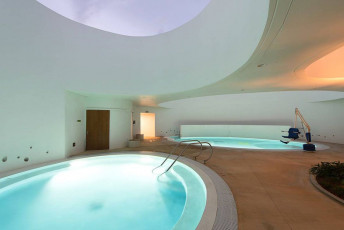
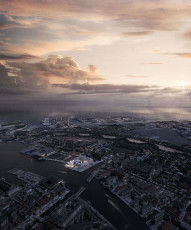
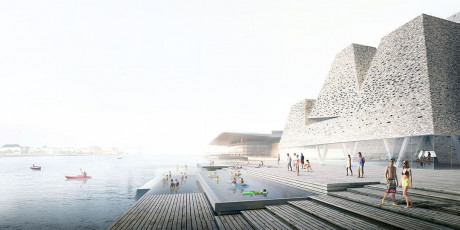
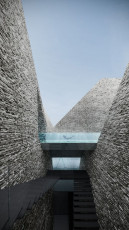
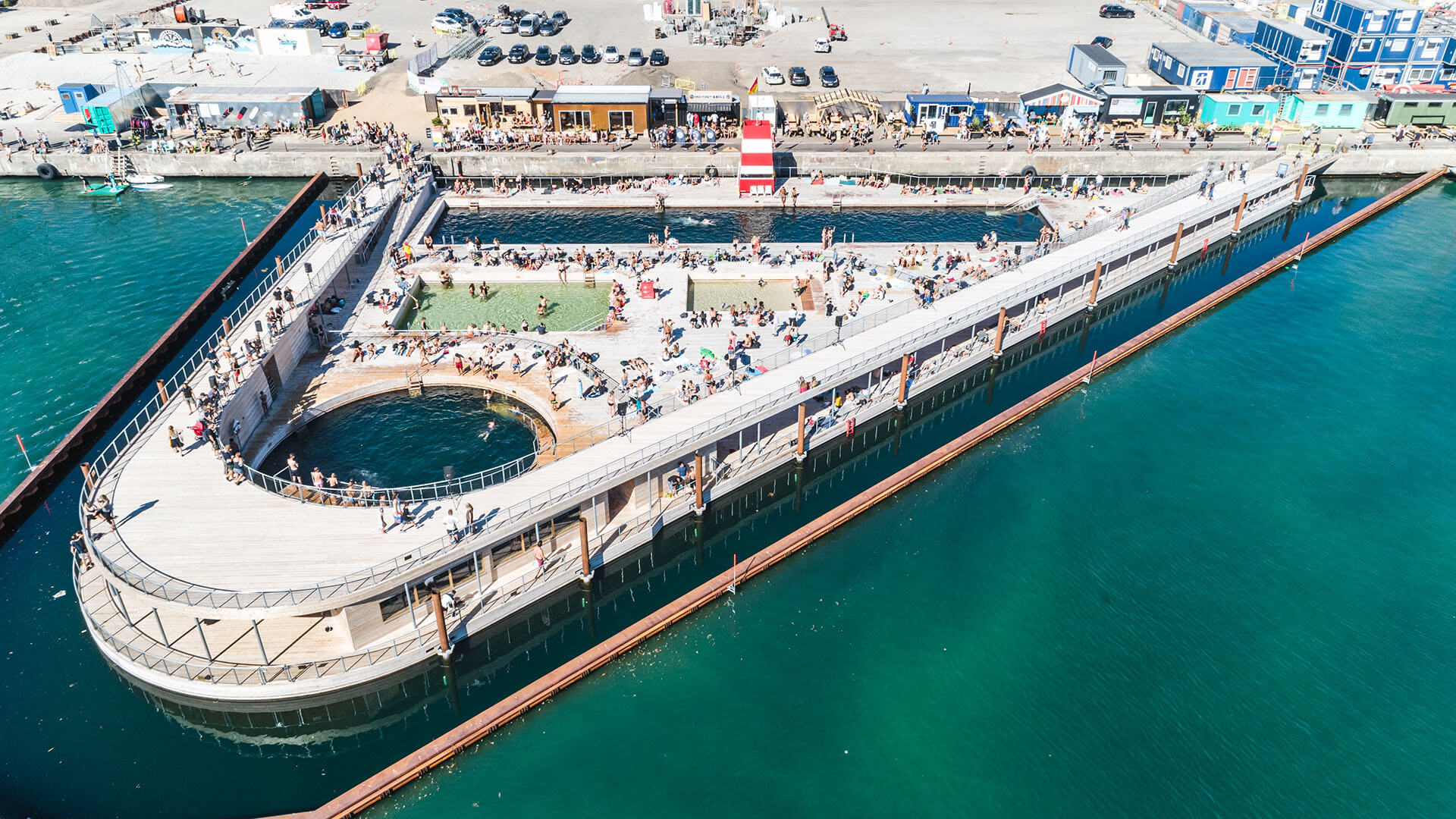
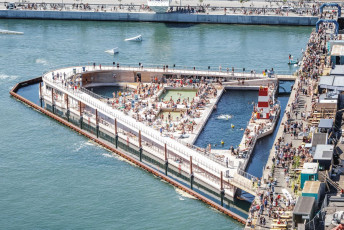
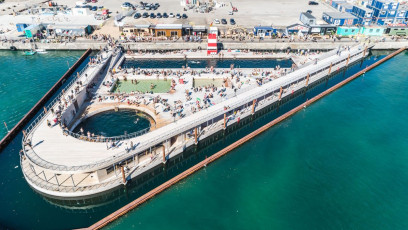
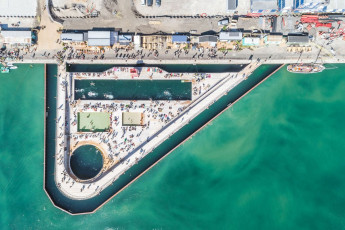
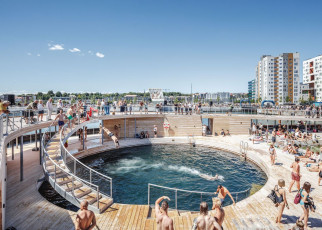
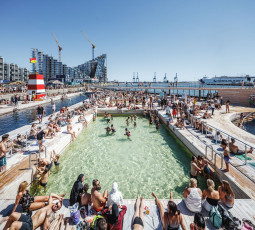
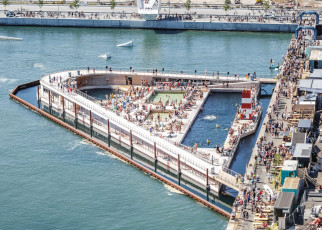
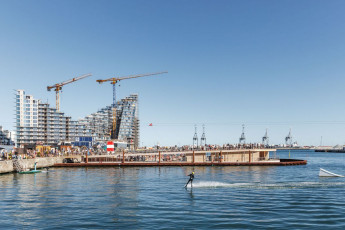
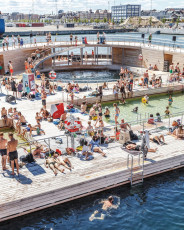
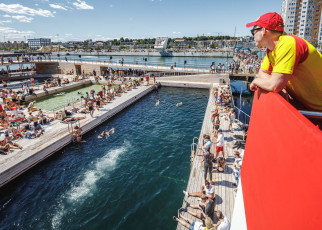
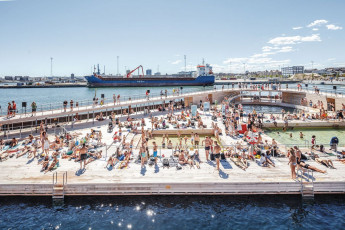
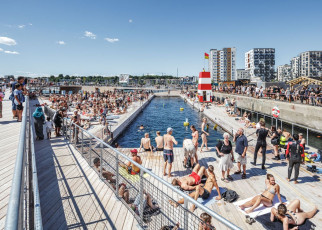
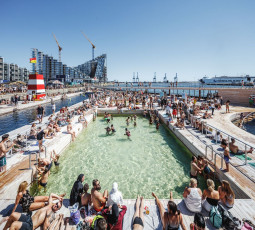
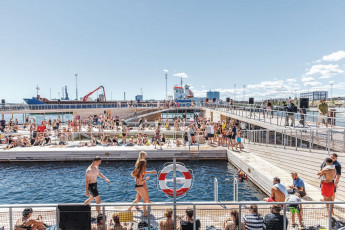
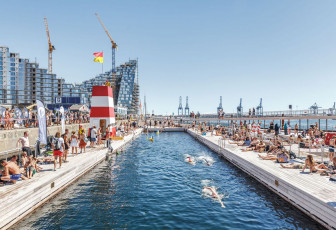
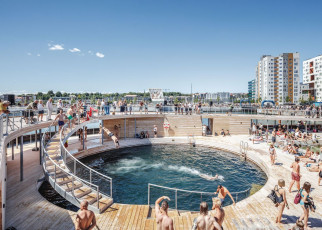
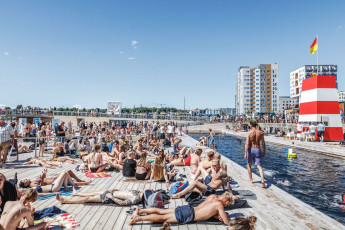
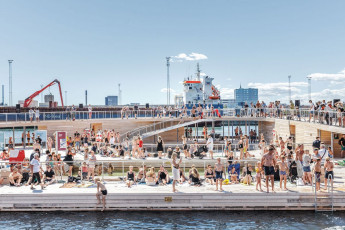
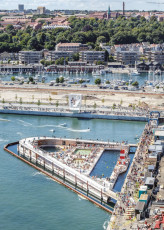
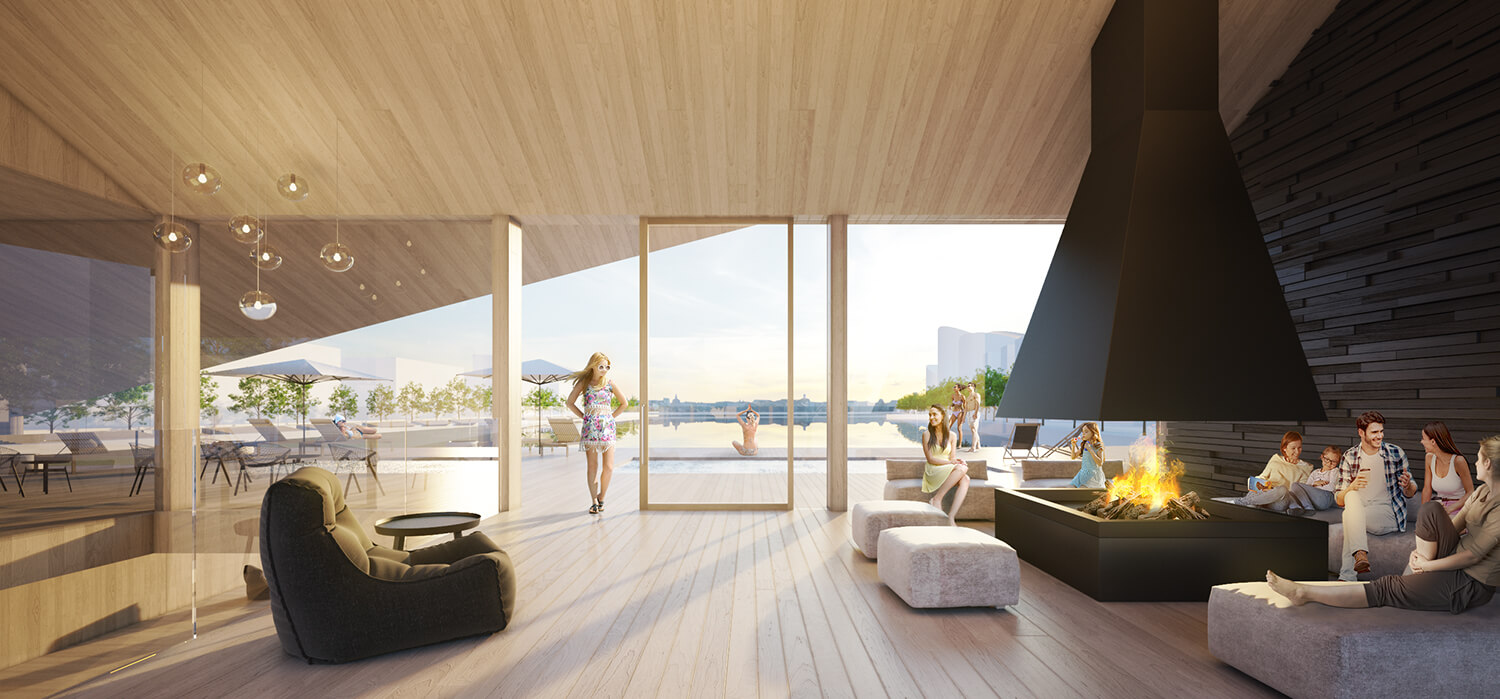
The Allas Sea Pool is a floa­ting sea pool that is opera­tional all year round. It offers an oppor­tu­nity to enjoy outdoor bathing even in the Nordic winter weather. The goal is to offer an expe­ri­ence of the Nordic values of good life by acti­vating people’s rela­ti­onship to the water­front and by provi­ding a comfor­table and invi­ting atmo­sphere.

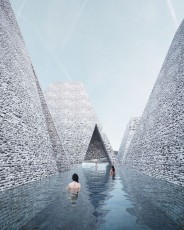
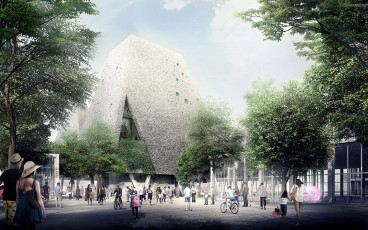
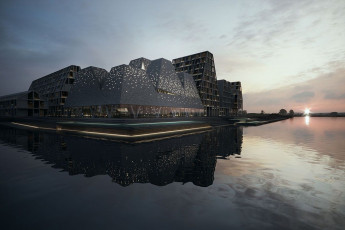
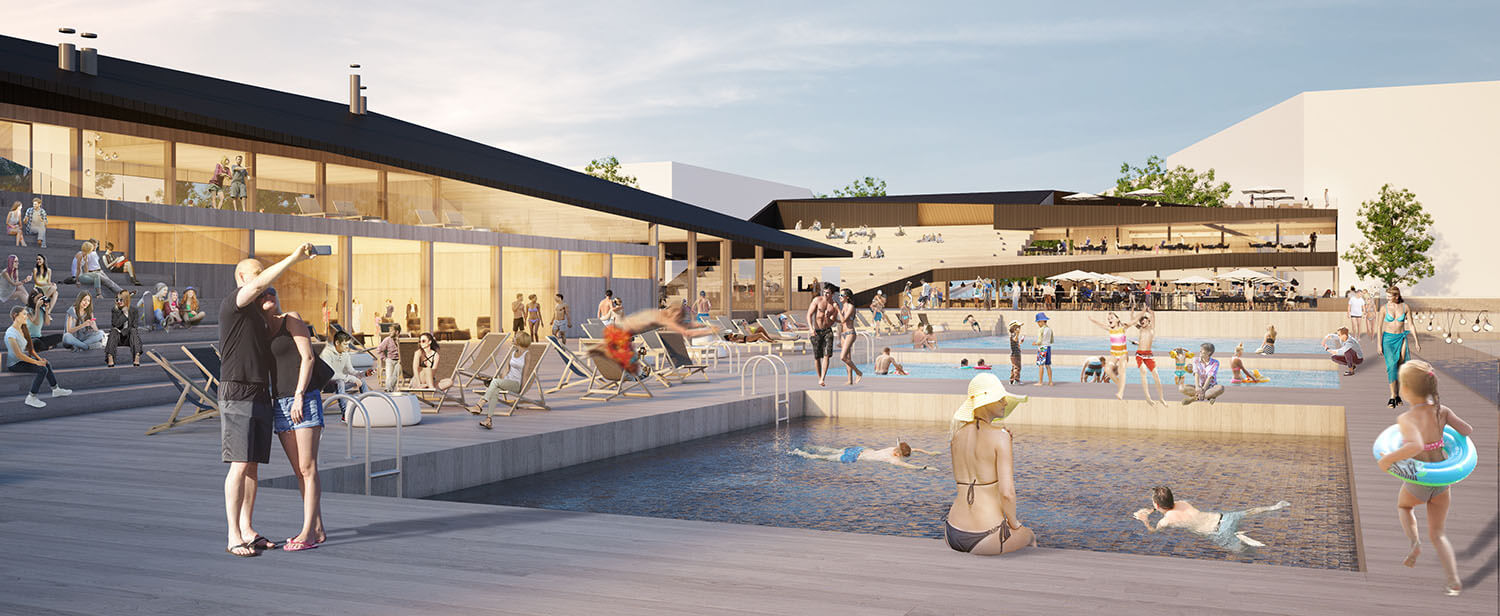
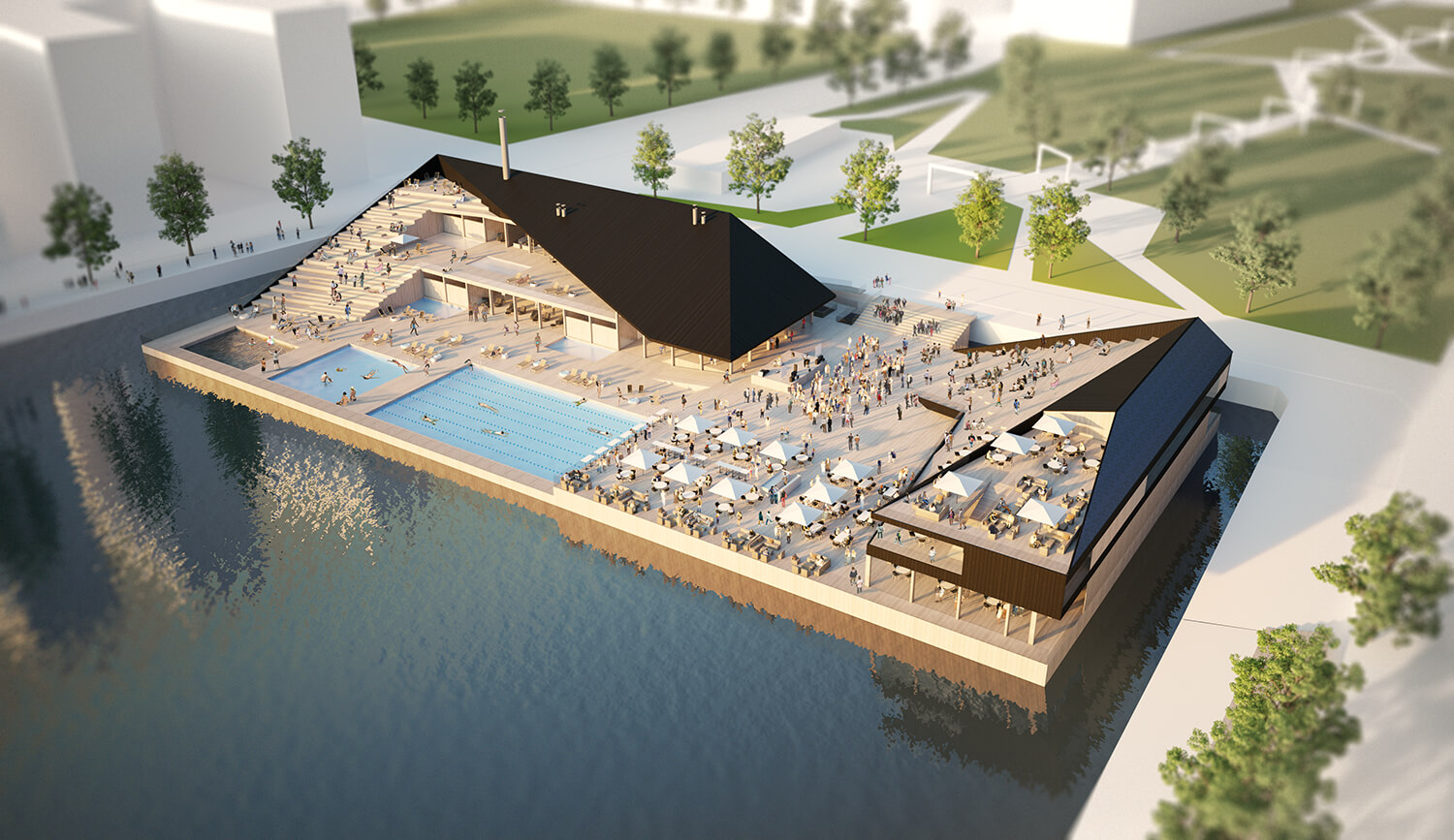
The first Allas Sea Pool was completed in the very heart of Helsinki in May 2016. After the pilot phase, the Sea Pool Family is now expan­ding both natio­nally in Finland and inter­na­tio­nally around the world. In order to create a new global concept for the Allas Sea Pool Family, an invited archi­tec­ture compe­ti­tion was orga­nized by Töölö Urban in April 2018. The proposal by OOPEAA was selected as the winning entry. The jury praised the proposal by OOPEAA for its impres­sive outdoor archi­tec­ture and for its strong concept.

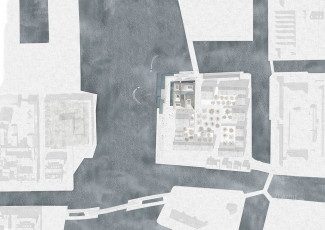
The future Sea Pools will be built on floa­ting plat­forms on coastal sites in places where it is not possible to build on land. There will be several variable factors on each buil­ding site, and the concept needs to be flexible, modular and adjus­table. The first one in the series on floa­ting pools to be realized on the basis of the global concept deve­loped by OOPEAA in diffe­rent cities around the world will be built in Oulu in Nort­hern Finland. It is sche­duled to be ready in 2019.

New Nordic Urban

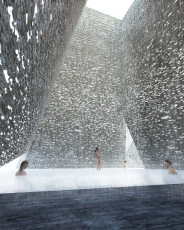
The winning proposal for the new global concept for the Allas Sea Pool Family by OOPEAA takes the notion of the New Nordic Urban as its starting point. The ‘New Nordic Urban’ is defined as a sense of expe­ri­ence. It brings toge­ther the Nordic sensi­bi­lity for the contem­pla­tion on nature with a healthy orien­ta­tion towards physical acti­vity and an urban incli­na­tion towards the social aspects of life. It is a cele­bra­tion of the Nordic values of egali­ta­rian sharing and good life.The ‘New Nordic Urban’ is essen­ti­ally about brin­ging toge­ther the social sense of the urban (to see and to be seen + to share in the company of others) and a chance to enjoy nature and the element of water (contem­pla­tion + physical acti­vity and sports).

Choreo­graphy

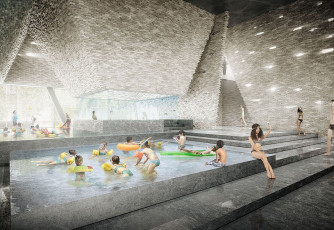
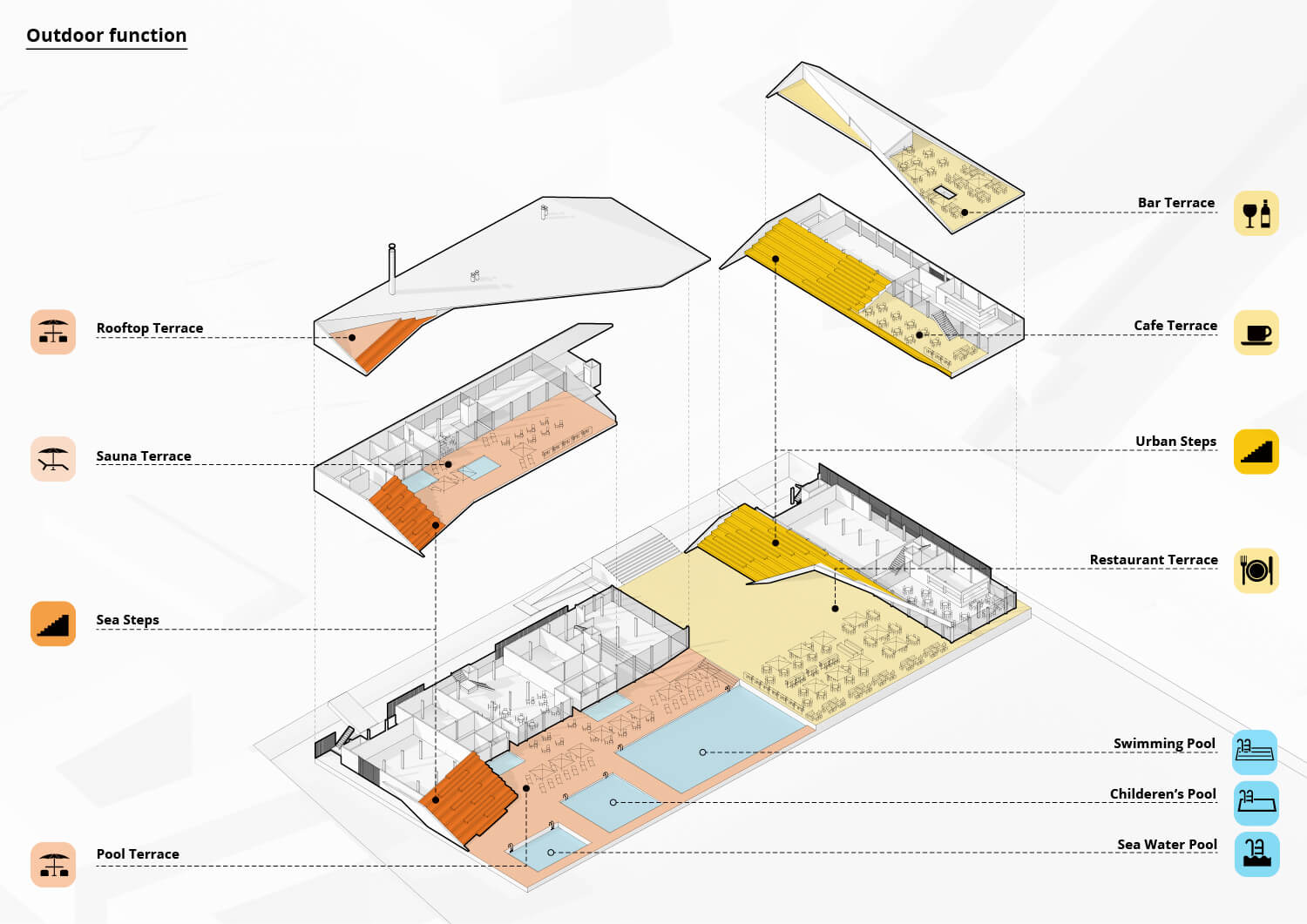
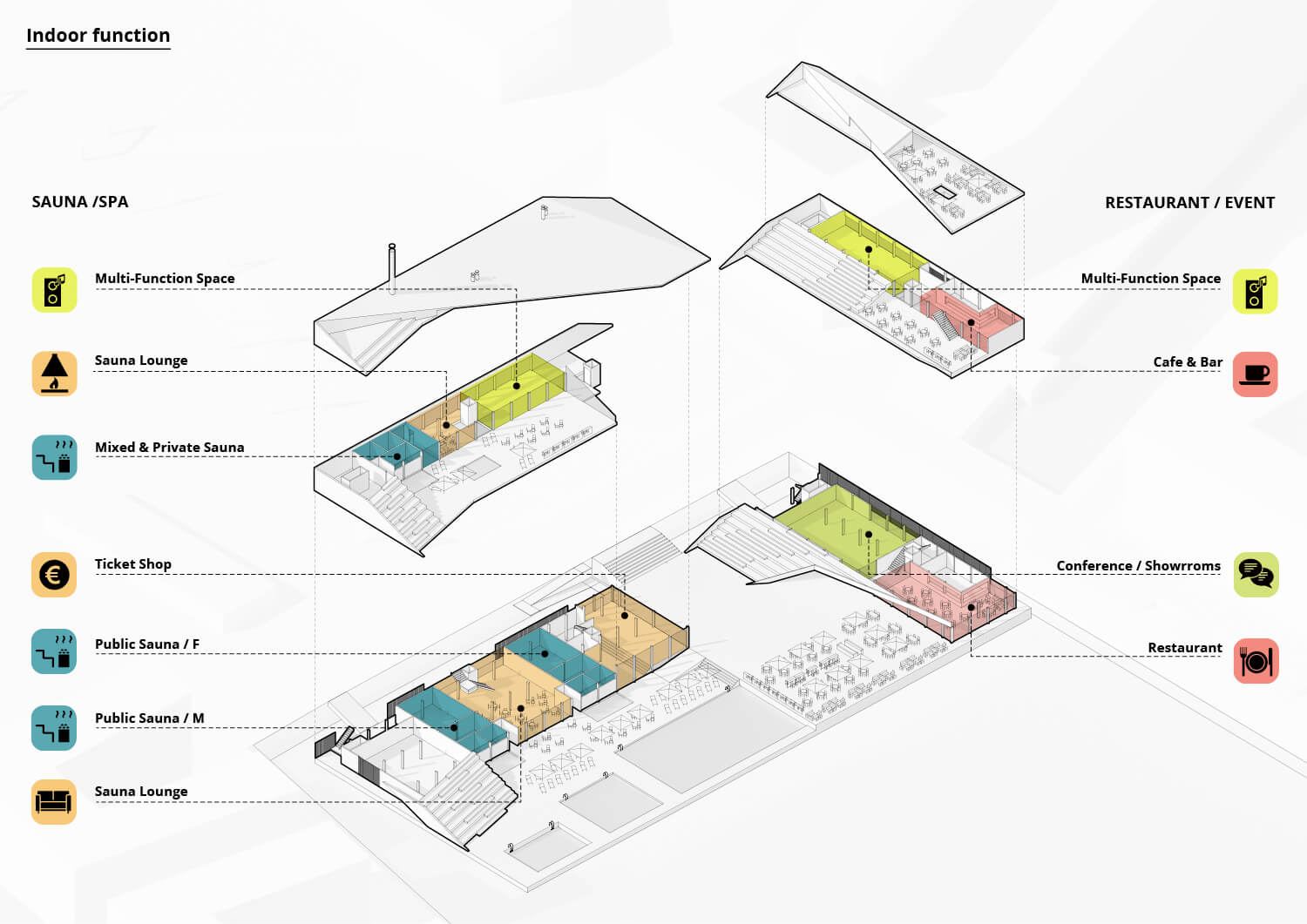
The concept builds on the seam­less choreo­graphy of move­ment and tran­si­tion between open spaces and vistas, semi-open spaces with views, and closed spaces joined by pathways of tran­si­tion connec­ting diffe­rent types of spaces toge­ther. It is about the choreo­graphy of what is seen and what is hidden from the view, and the choreo­graphy of moving from one type of space and acti­vity or mode of being to another. It is also about how people move, both physi­cally in the space and also mentally through their expe­ri­ence: from the rela­xa­tion of the spa and sauna to the enga­ge­ment in sports and physical acti­vity to enjoying the social aspects of life in the company of others.

Modular and scalable buil­ding system

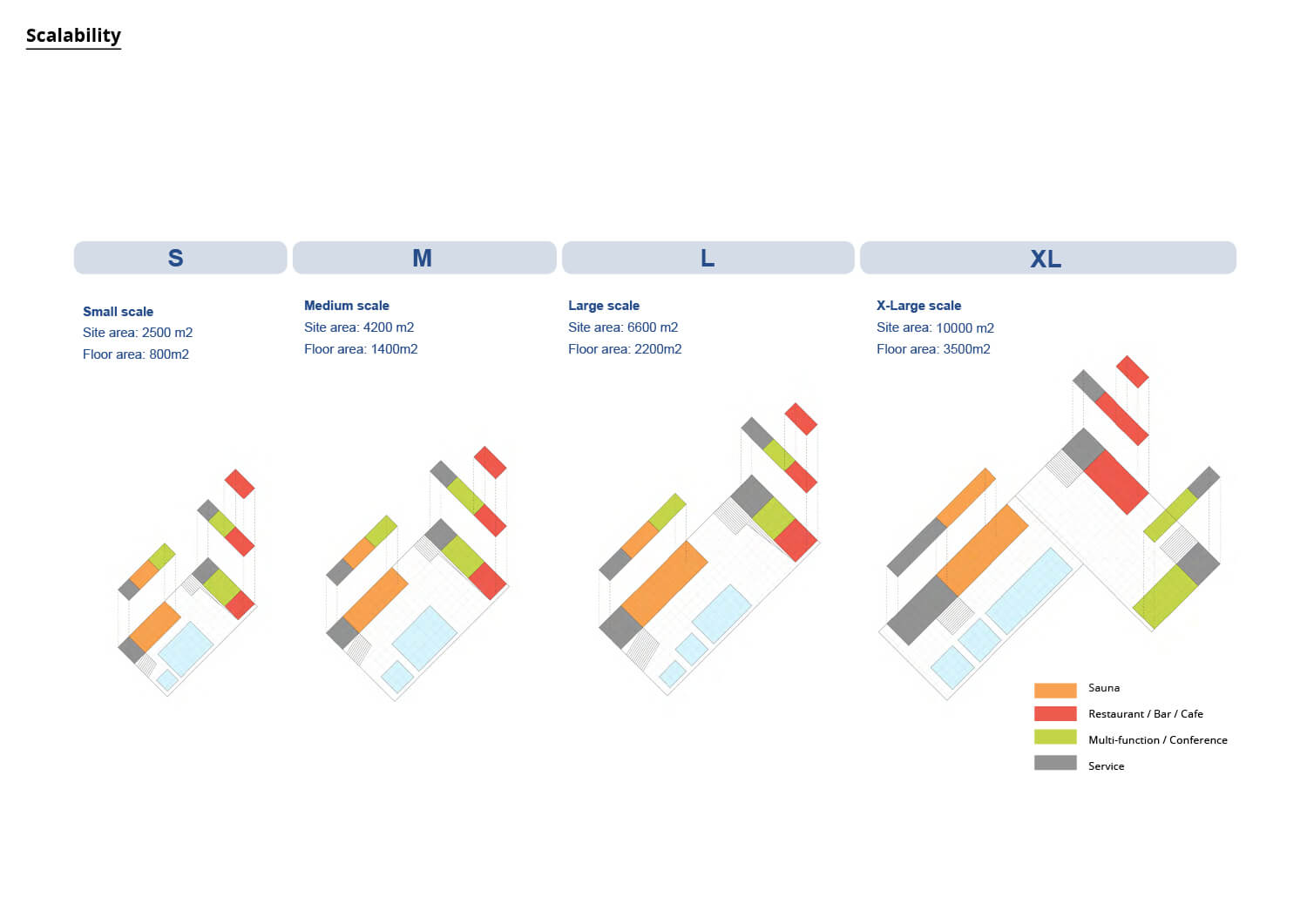
With a flexible buil­ding system, the archi­tec­tural concept is scalable and appli­cable to any site in the world. At the moment the proposed range of the sizes varies from the smal­lest size with an indoor area of 800 to the largest size of 3500 m² built on a floa­ting plat­form varying in size from 2000 m² to 10 000 m². In the future also smaller and larger appli­ca­tions may be deve­loped. Combined with a custom toolbox, the modular system opens up possi­bi­li­ties for easy custo­miza­tion depen­ding on varia­bles such as custo­mers’ needs, seasonal changes and local requi­re­ments etc. It can be adapted to meet the needs of diffe­rent audi­ences.

The timber struc­ture made of CLT elements is an ecolo­gical choice that allows for flexi­bi­lity in appli­ca­tion as well as for sustaina­bi­lity in the life cycle of the buil­ding. Trans­por­ta­tion of the modular elements for the partly floa­ting struc­ture is possible to arrange over water­ways.

Project data

Archi­tect

OOPEAA
Office for Peri­pheral Archi­tec­ture
Tiede­katu 2
FI-60320 Sein­ä­joki

Team

Anssi Lassila,
Kazu­nori Yama­guchi, Tomoya Nishi­mura, Liuxin Yang, Teemu Leppälä

Client

Töölö Urban

Author

OOPEAA

Address

Kata­ja­no­k­an­lai­turi 2a
FI – 00160 Helsinki
(case study)

Compe­ti­tion year

2018

Please follow us!


[et_social_follow icon_style=“slide” icon_shape=“circle” icons_location=“top” col_number=“6” counts=“true” counts_num=“250” outer_color=“dark” network_names=“true”]

Noor­der­parkbad

Wavy pavi­lion

Noor­der­parkbad in Amsterdam

Pavi­lion in the park

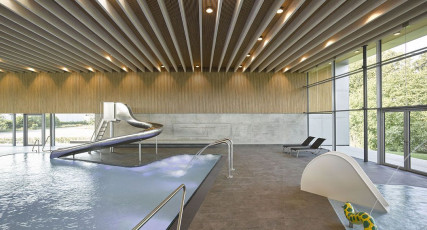
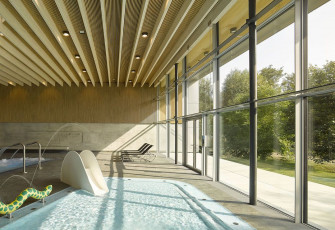
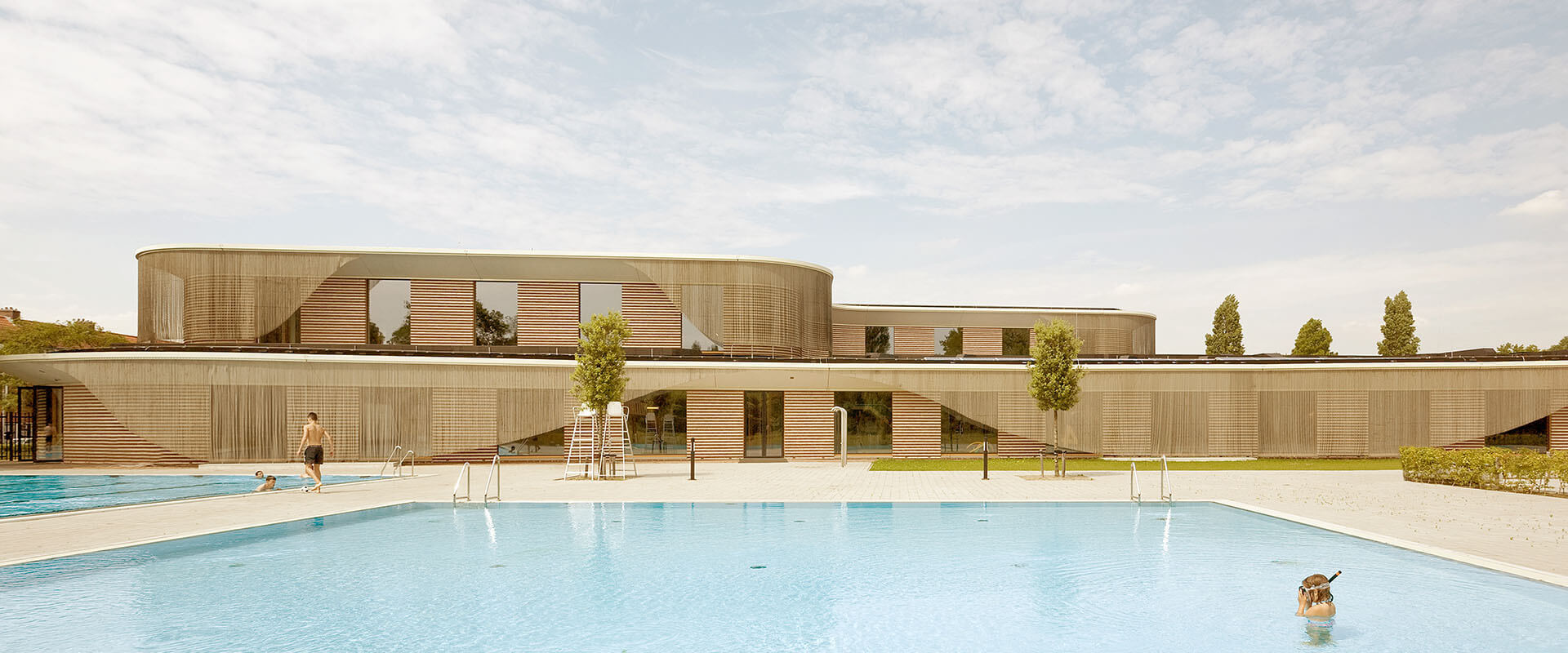
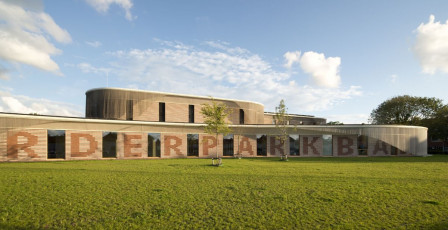
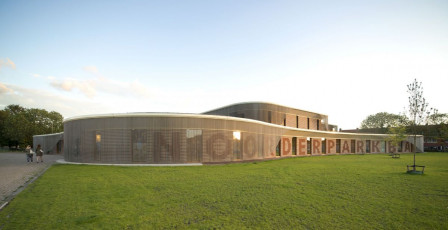
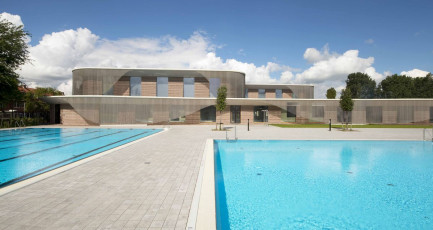
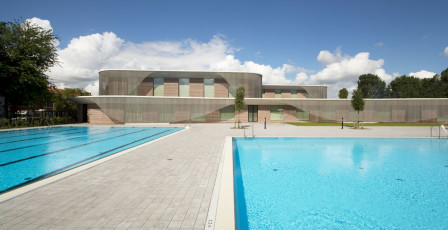
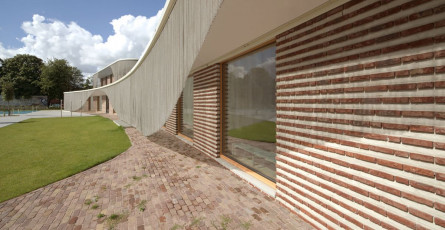
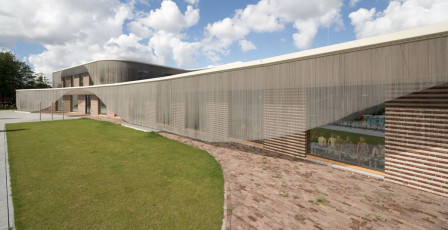
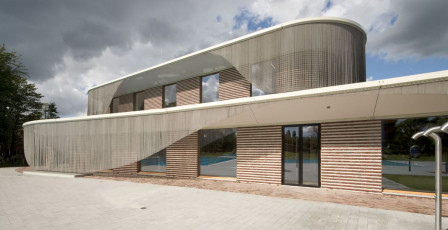
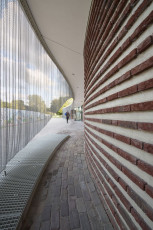
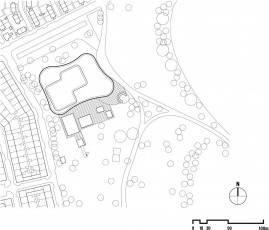
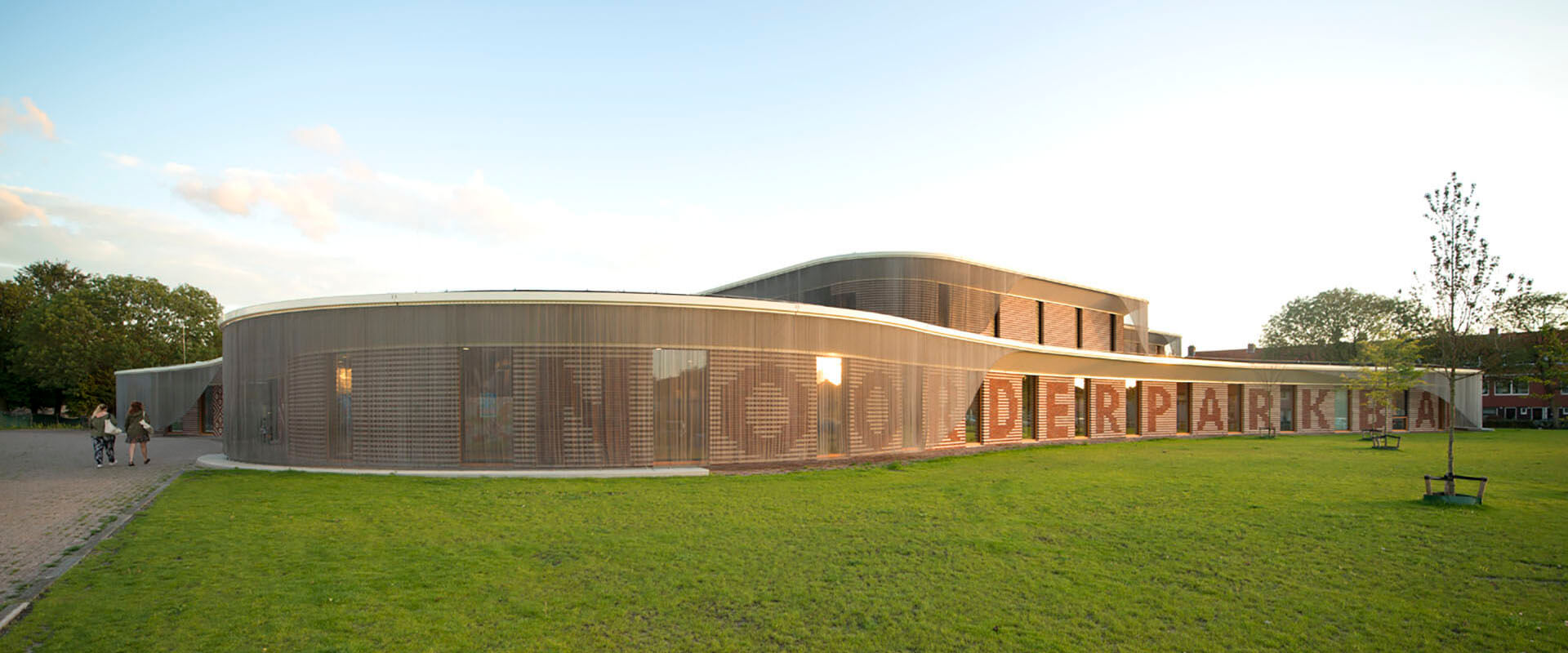
The swim­ming pool Noor­der­parkbad in Amsterdam is a free-stan­ding buil­ding with an airy appearance that invites the public to step inside. By focu­sing on easing the tran­si­tion between land­scape and buil­ding and brea­king down the typi­cally large scale of a pool accom­mo­da­tion, Noor­der­parkbad is empha­sized as a pavi­lion in the park. The softly shaped volumes and curved rain curtain are the media­tors between buil­ding and park. Two stacked volumes deter­mine the shape of the buil­ding. By moving the upper volume to the rear the buil­ding blends well with the scale of the park as well as the resi­den­tial area. In addi­tion, the setback enables the pene­tra­tion of daylight deep into the buil­ding.

Wavy rain curtain

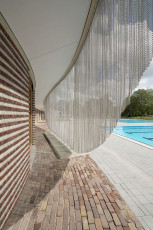
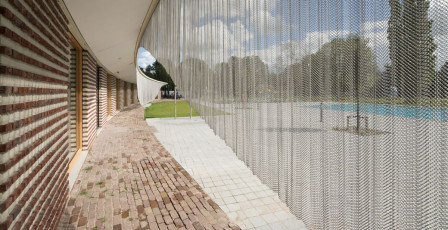
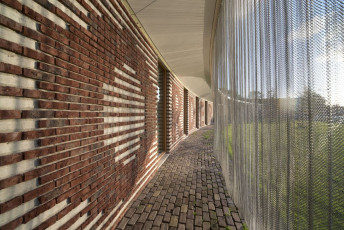
The wavy rain curtain is the most striking element of the Noor­der­parkbad. Prima­rily an educa­tional element, it commu­ni­cates how closely the swim­ming pool is connected to water. On a rainy day, the water flows like a water­fall trick­ling down the curtain and lets the visitor see how rain­water becomes bathing water. On sunny days the curtain shim­mers like a congealed cascade, while on wintry days the ice crys­tals trans­form the buil­ding into an ice palace. Also, the curtain thea­tri­cally marks the entrances to the pool: it is pulled up and guides the visitor into the buil­ding.

Family pool

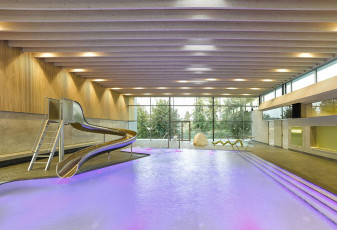
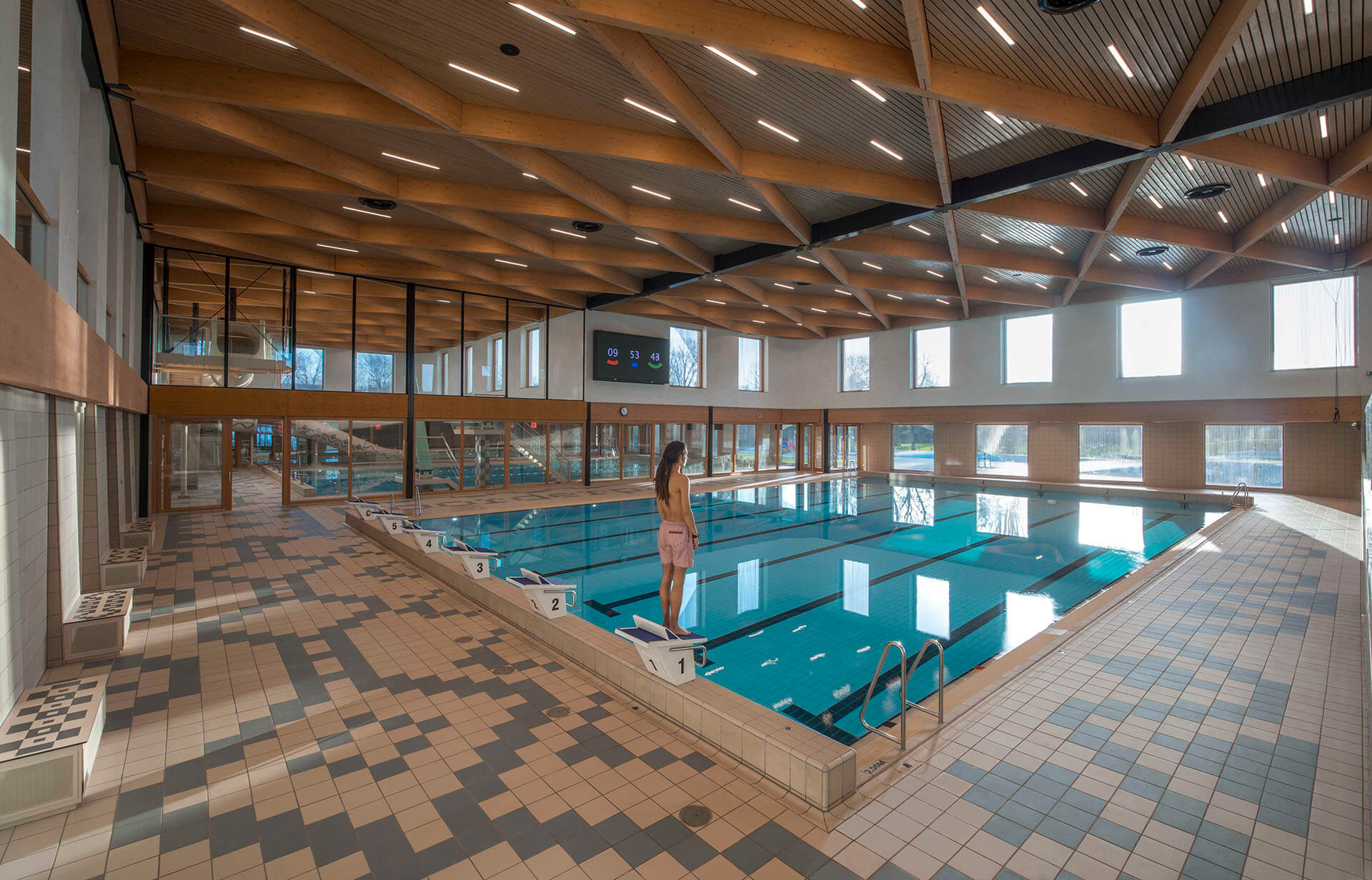
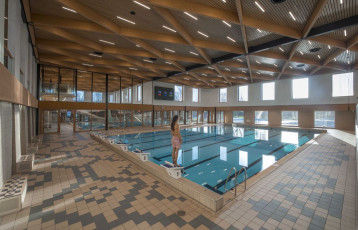
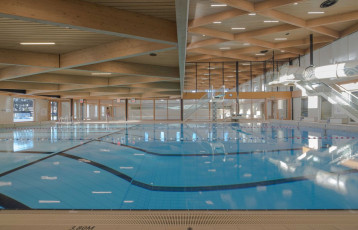
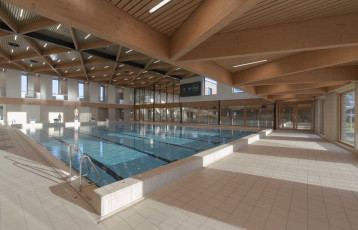
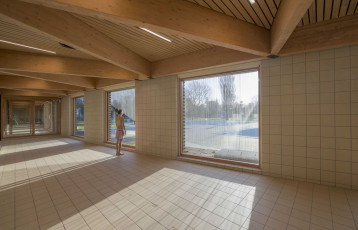
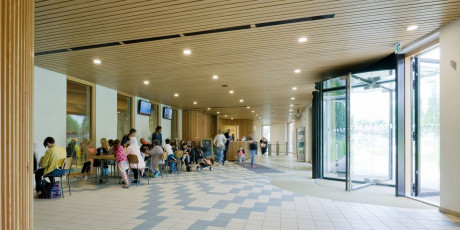
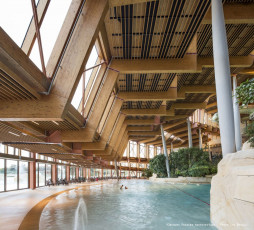
The Noor­der­parkbad is the new public family pool for the north of Amsterdam and will serve an important social func­tion. The tradi­tional theme of a bath­house as a meeting place for the neigh­bor­hood is reflected in the atmo­sphere of the inte­rior. Inti­mate enclosed spaces alter­nate with high ceilings and skylights. The wooden rhom­boid roof cons­truc­tion and finishes of floor, ceiling and wall in tradi­tional mate­rials lends the buil­ding a warm atmo­sphere.

Sustainable design

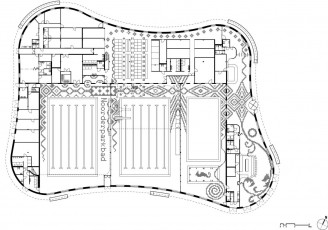
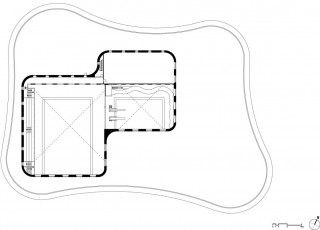
The ambi­tions concer­ning a sustainable design for the Noor­der­parkbad are very high and already taken into account from the layout of the floor plan. Acting like a warm blanket, the secon­dary func­tions are ther­e­fore wrapped around the three halls of the various pools, which are heated to high tempe­ra­tures. Only the south facing eleva­tions of these halls have no climate buffer, allo­wing the sun to heat the space and visi­tors to enjoy the beau­tiful view over the park.

Project data

Archi­tect

de Archi­tekten Cie. B.V.

Keizers­gracht 126

NL – 1015 CW Amsterdam

Team

Branimir Medić, Pero Puljiz

Hans Hammink, Lars van Hoften, Louis Afonso, Paulos Kinfu, Rink Alberda, Theo Martens, Ernst van Raaphorst

Client

City of Amsterdam

Opening

2015

Author

de Archi­tekten Cie. B.V.

Address

Het Noor­der­parkbad

Snee­uw­balweg 5

NL – Amsterdam

Aerial view

Thank you, Google!

Images

Plans

Videos

Please follow us!


[et_social_follow icon_style=“slide” icon_shape=“circle” icons_location=“top” col_number=“6” counts=“true” counts_num=“250” outer_color=“dark” network_names=“true”]

Supre­ma­tist Pool

Unusual percep­tion

Supre­ma­tist Pool in Moscow

Access to the river

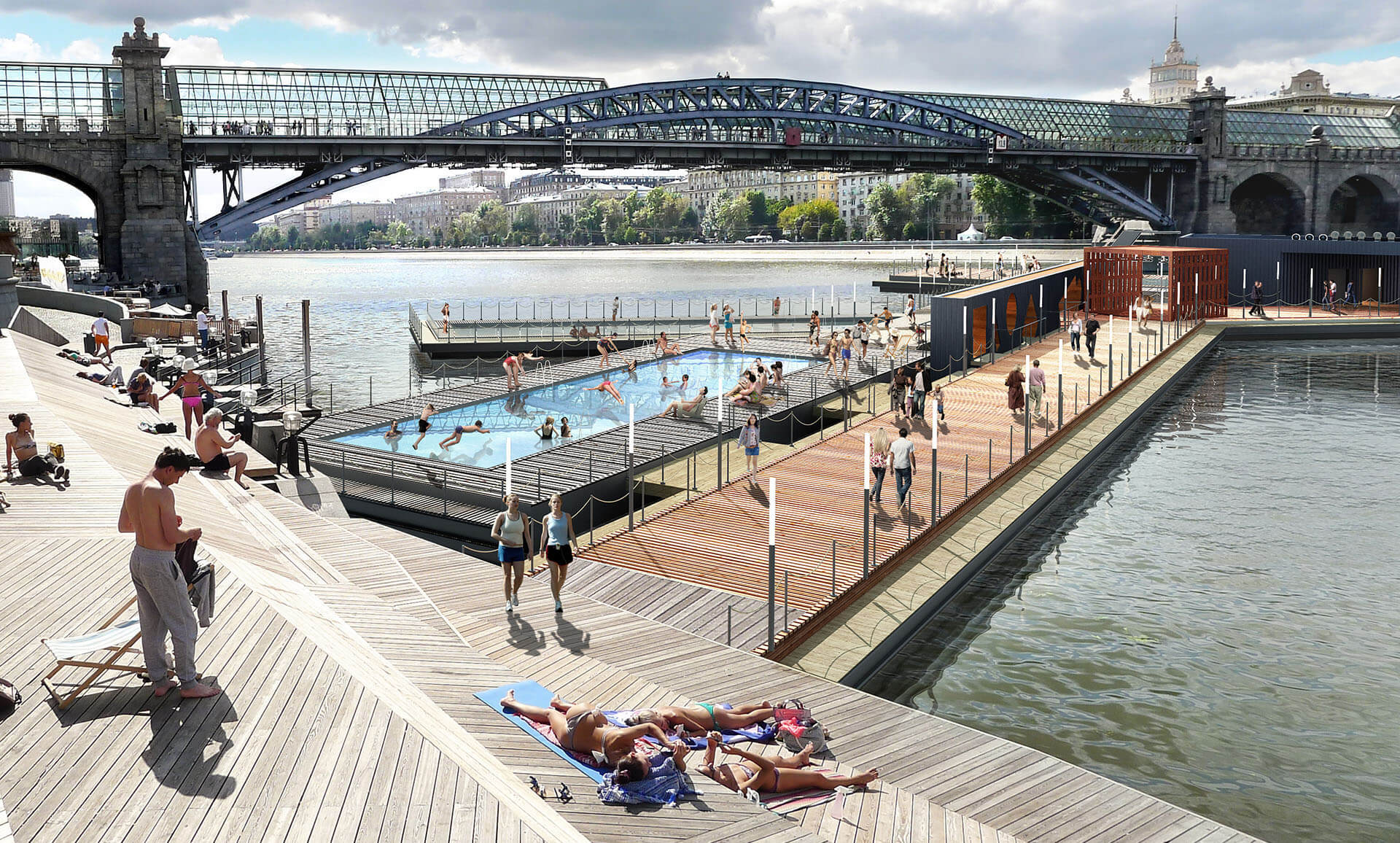
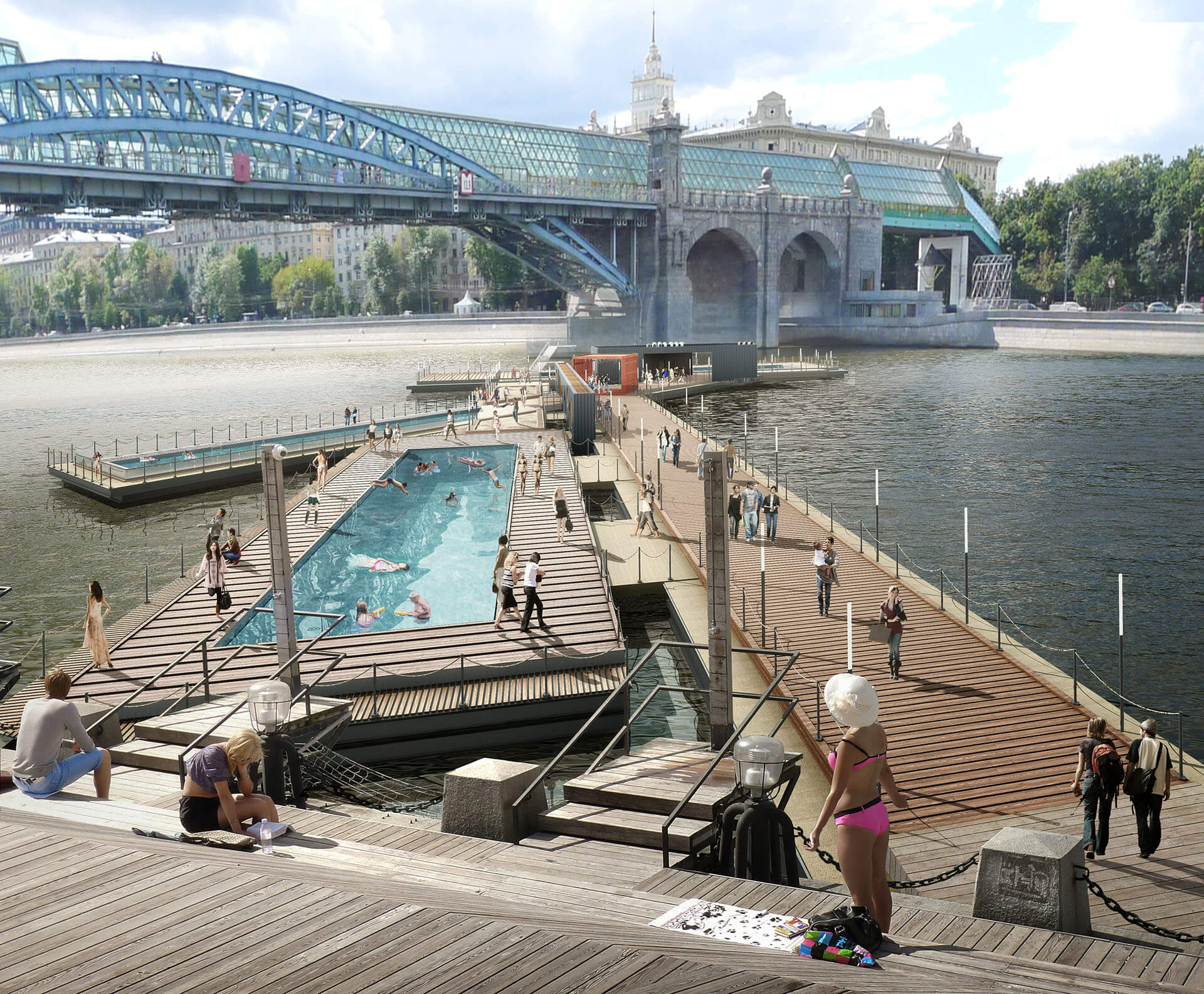
The Supre­ma­tist Pool is located in Moscow city center, over the Moskva River and next to Push­kin­skii Bridge and Gorky Central Park of Culture and Leisure. The project is an addi­tion to the current use of the park, where a recent project renewed its river­side edge, giving it contem­po­rary features. The idea is to allow access to the river and estab­lish a rela­tion to the water compo­nent, encou­ra­ging unex­plored uses on it. The possi­bi­lity of gene­ra­ting a floa­ting pool on the river opens a spatial perspec­tive of the city. An important feature of the project is the compo­si­tion of diffe­rent floa­ting compon­ents, that allow its use in summer, while it can be dissem­bled when the winter comes. It is a tempo­rary floa­ting element.

Pure non-objec­ti­vity

The formal compo­si­tion and concept of this project is based on a famous pain­ting by Kazimir Male­vich follo­wing the precepts of Supre­ma­tism and its prin­ci­ples of “pure non-objec­ti­vity”. This pain­ting is used as an aesthetic inspi­ra­tion, due to its geome­tric compo­si­tion that makes it an appro­priated visual object of the Russian culture. Between abstrac­tion and sensi­ti­vity of inha­bited space, provi­ding a socio-spatial character to pure geome­tric patterns. It is the purity of these patterns what define the space connec­tions, rhythms, tensions and uses, avoi­ding the induc­tion on func­tional pre-estab­lished shapes.

Program

Program­ma­ti­cally the project connects the river­bank with its inte­rior, through a wooden deck, allo­wing fluid access to floa­ting plat­forms that contains the pools. These plat­forms are inter­con­nected and displayed accor­ding to the pain­ting. Its struc­tures are built in metal and wood, with glass fiber hulls in the sides joined by a steel struc­ture geometry-stabi­lized from its wide beam. The project allows having inde­pen­dent floa­ting plat­forms to ensemble or dissembling accor­ding to the seasonal needs.

Adding value

Over this deck, spatial comple­men­tary volumes such as showers and chan­ging rooms are placed which corre­spon­ding to the Maleviche’s geome­tric compo­si­tion, re-inter­preted under volu­metric proper­ties. In its urban inser­tion, the floa­ting pavi­lion acts as an exten­sion of the surrounded park, linked to it and adding value of a spatial living struc­ture. As conse­quence, the sense of leisure in the city space is enhanced, exacer­ba­ting spatial inter­pre­ta­tion diffe­rent from the current urban spaces; It offers a unusual percep­tion of the city.

Project data

Archi­tect

100 Archi­tects CN – Shanghai

Team

Marcial Jesus, Mada­lena Sales

Aerial view

Thank you, Google!

Author

100 Archi­tects

Please follow us!


[et_social_follow icon_style=“slide” icon_shape=“circle” icons_location=“top” col_number=“6” counts=“true” counts_num=“250” outer_color=“dark” network_names=“true”]

Water Park Aqual­agon

A new type of land­mark

Water Park Aqual­agon at Villages Natures Paris

A land­mark

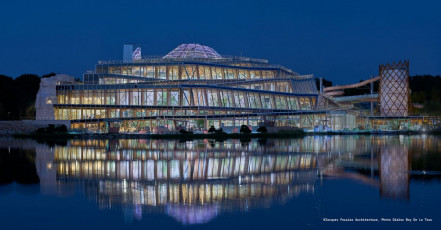
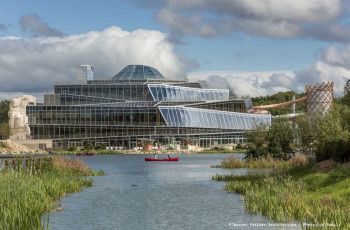
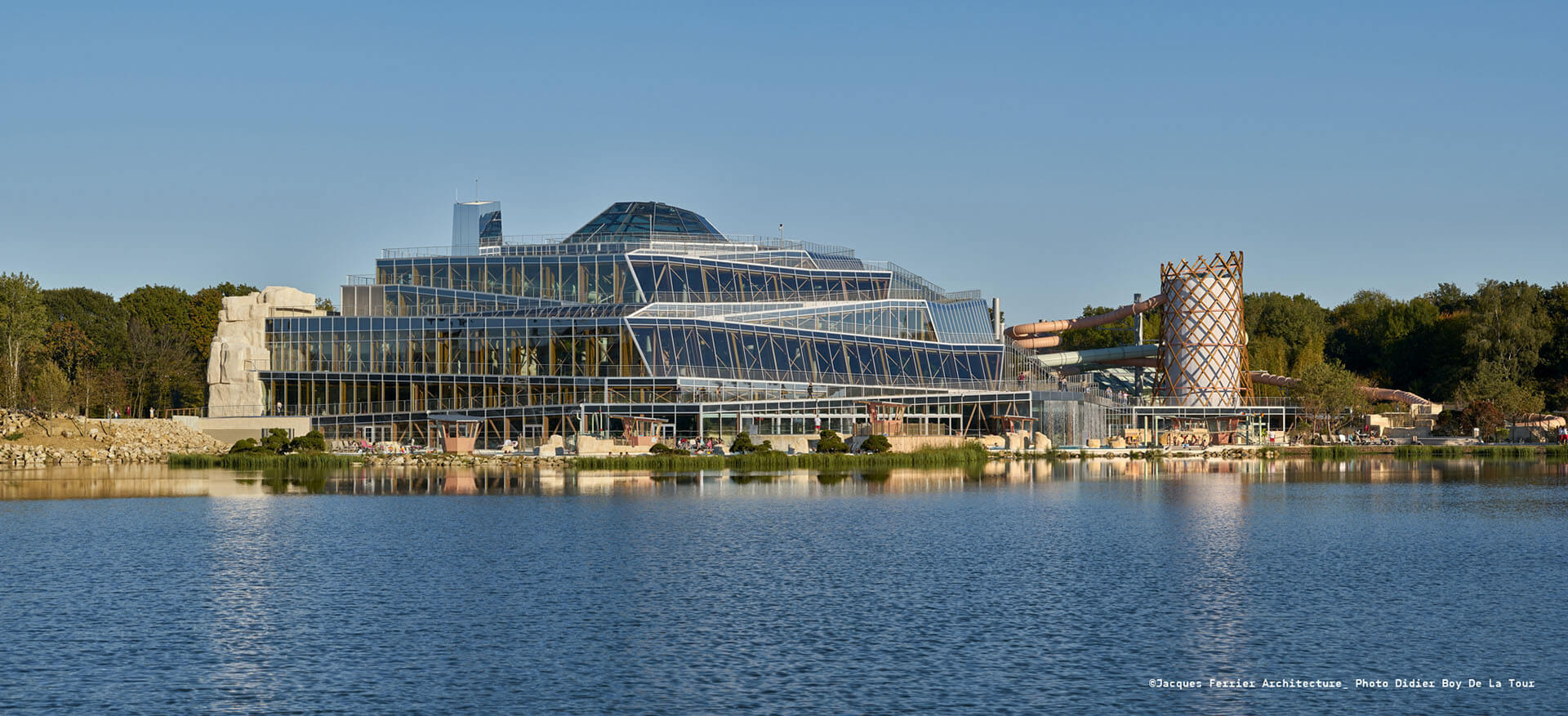
The direc­tion of the winds and the path of the sun have deter­mined the floor plan of Water Park Aqual­agon. Protected from cold north-easterly winter winds, nest­ling up to the forest, the aquatic park opens towards the west to make the most of cool breezes in warm weather.

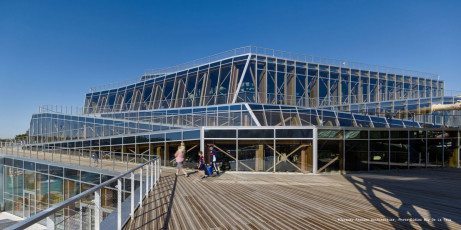
Looking out to the south-west, Water Park Aqual­agon is bathed in light throug­hout the year. It is oriented so as to receive as much sunlight as possible in winter, while protec­ting itself from exces­sive expo­sure to the sun through its terraces in summer.

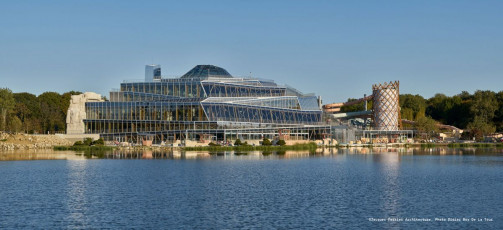
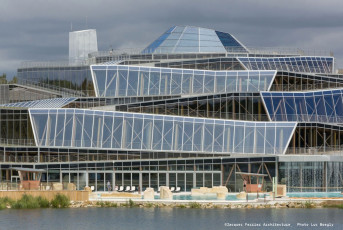
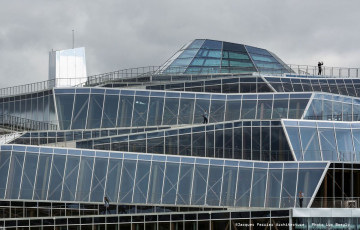
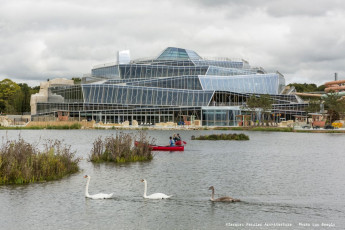
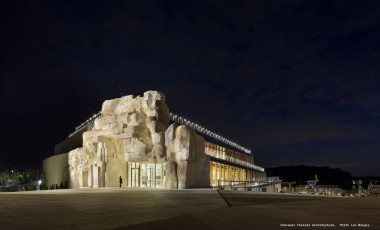
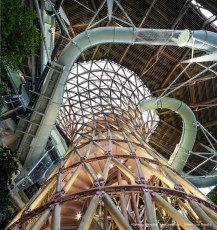
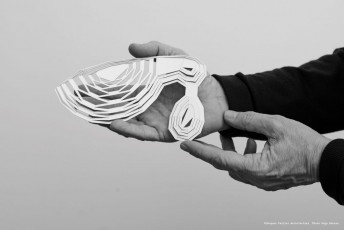
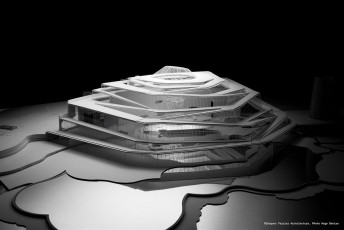
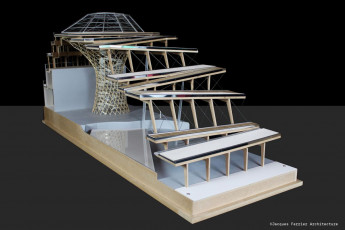
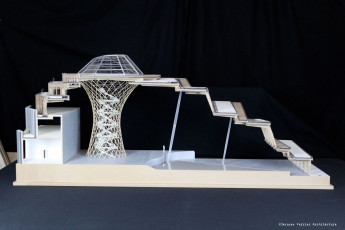
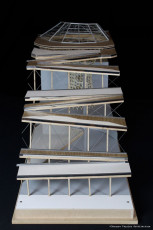
Like an origami sculp­ture, our proposal for the aquatic park resem­bled an unfol­ding land­scape, culmi­na­ting at around 35 m: it is a built land­scape, rising into the sky. The struc­ture is clearly visible from the surroun­ding area – it becomes a point of refe­rence and a symbol of Villages Nature, a holiday village near Euro Disney Paris.

This new type of land­mark contrasts with the rela­tively flat topo­graphy. It is not an element which has been imposed on the land­scape, but an exten­sion of the land­scape itself.

A world that emerged from the lake

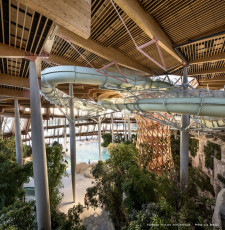
Located by a large expanse of water, Water Park Aqual­agon looks like a world that has emerged from the lake. It is an aerial cons­truc­tion, laye­ring hanging gardens, playing with water and trans­pa­rency. The terraces are open to walkers, and are used to oxygenate the waters of the lake. The new land­scape is composed of water­falls, mist, steam and aquatic plants.

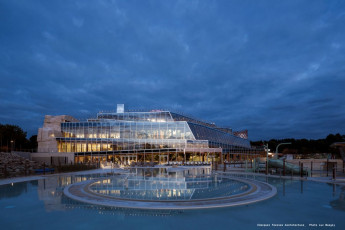
The unique character of the aquatic park, which blurs the lines between land­scape and built envi­ron­ment, creates a beacon, visible from all parts of Villages Nature. By day and by night, the aquatic park becomes a major icon of the site.

Spec­ta­cular views

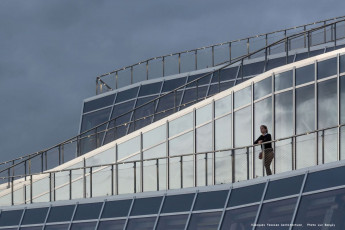
The origami struc­ture is open to the public, it becomes an exten­sion of the aquatic faci­li­ties: Water Park Aqual­agon offers a new expe­ri­ence to visi­tors explo­ring this built land­scape. The struc­ture pres­ents a stun­ning vantage point over the inside of the aquatic park and offers spec­ta­cular views of Villages Nature and the wider land­scape.

A circuit offers a walk around the buil­ding, exten­ding the board walk prome­nade. A lift offers the occa­sion to climb to the top of the walk to enjoy the view. 

Direc­tional trans­pa­rency

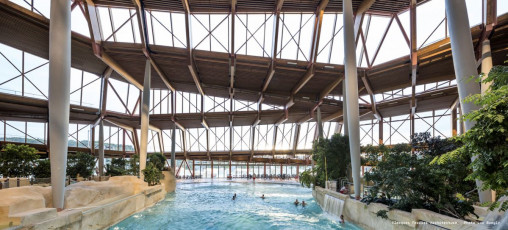
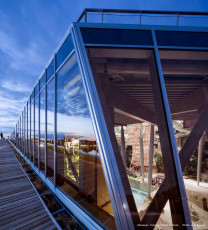
As the origami unfolds, it creates empty spaces. These spaces are filled by large glass panels that let natural light into the aquatic centre and give visi­tors the sensa­tion of a conti­nuity between the inte­rior and exte­rior.

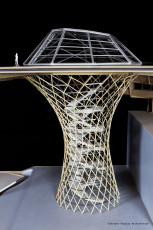
At the top of the buil­ding, a trans­pa­rent dome with a remar­kable geometry allows visi­tors to swim while watching the sky. This dome forms the silhou­ette of the aquatic park.

The struc­ture and the roofing have been opti­mised to disap­pear in the sight lines from the basins and accen­tuate the presence of the sky. The aquatic park is flooded with light. This is enhanced and softened by the orien­ta­tion of the buil­ding, the play of reflec­tions and diffu­sion of natural light.

At water level, there is complete conti­nuity with the exte­rior – swim­mers can leave without any obsta­cles.

Plans

A perma­nent spec­tacle

All the elements of Water Park Aqual­agon parti­ci­pate in crea­ting a sense of spec­tacle which serves to heighten the expe­ri­ence of the aquatic acti­vi­ties in the park. The remar­kable ecosystem estab­lished by the planted terraces forms an instruc­tive path. The various elements related to envi­ron­mental sustaina­bi­lity – geo-thermal energy, water recy­cling – come toge­ther to form a coherent narra­tive that struc­tures the entire project, and can be clearly read by the public.

The prin­ciple of the project, with its accu­mu­la­tion of levels, extends the aquatic park into sun-lounges, terraces and restau­rants. These acti­vi­ties can easily be linked to seasonal varia­tions in atten­dance.

An audi­to­rium barge arrives in the evenings and at various times of day to offer concerts and shows.

The aquatic park forms an extra­or­di­nary back­drop for Villages Nature’s shows on the lake, fire­works displays and light shows.

An archi­pe­lago

The entrance to the aquatic park is connected to a large fore­court around which Villages Nature’s diffe­rent “public” spaces are arranged: forum, sports centre.

The hall, which opens onto the lake, leads to chan­ging rooms via a long corridor and servant spaces (machine room, storage, etc.). Once visi­tors have gone through the chan­ging room area, they discover the inner space of the aquatic park, desi­gned as a large expanse of water strewn with islands of various sizes and with a variety of func­tions.

This archi­pe­lago extends outside, into the lagoon, accen­tua­ting the conti­nuity between indoors and outdoors. The air pavi­lion links the other two pavi­lions. It is set back from the edge of the lagoon to create a protected space.

Project data

Archi­tect

Jacques Ferrier Archi­tec­ture

24 rue Dareau

F – 75014 Paris

Team

C&E Ingé­nierie (Enve­lope and struc­ture engi­nee­ring)

Inter­s­cene Thierry Huau (land­scape)

Sensual City Studio (life­guard station design)

Client

Villages Nature Paris

(Pierre et Vacances-Center Parcs _ Euro Disney SCA)

Opening

2017

Author

Jacques Ferrier Archi­tec­ture

Address

Water Park Aqual­agon

Route de Ville­neuve

F – 77700 Bailly-Romain­vil­liers

Aerial view

Thank you, Google!

Photo­graph

Luc Boegly

Hugo Deniau

Didier Boy De La Tour

Images

Models

Videos

Please follow us!


[et_social_follow icon_style=“slide” icon_shape=“circle” icons_location=“top” col_number=“6” counts=“true” counts_num=“250” outer_color=“dark” network_names=“true”]

Sørenga Sjøbad

Floa­ting Oslo

Sørenga Sjøbad

Sørenga pier and Sørenga Sjøbad

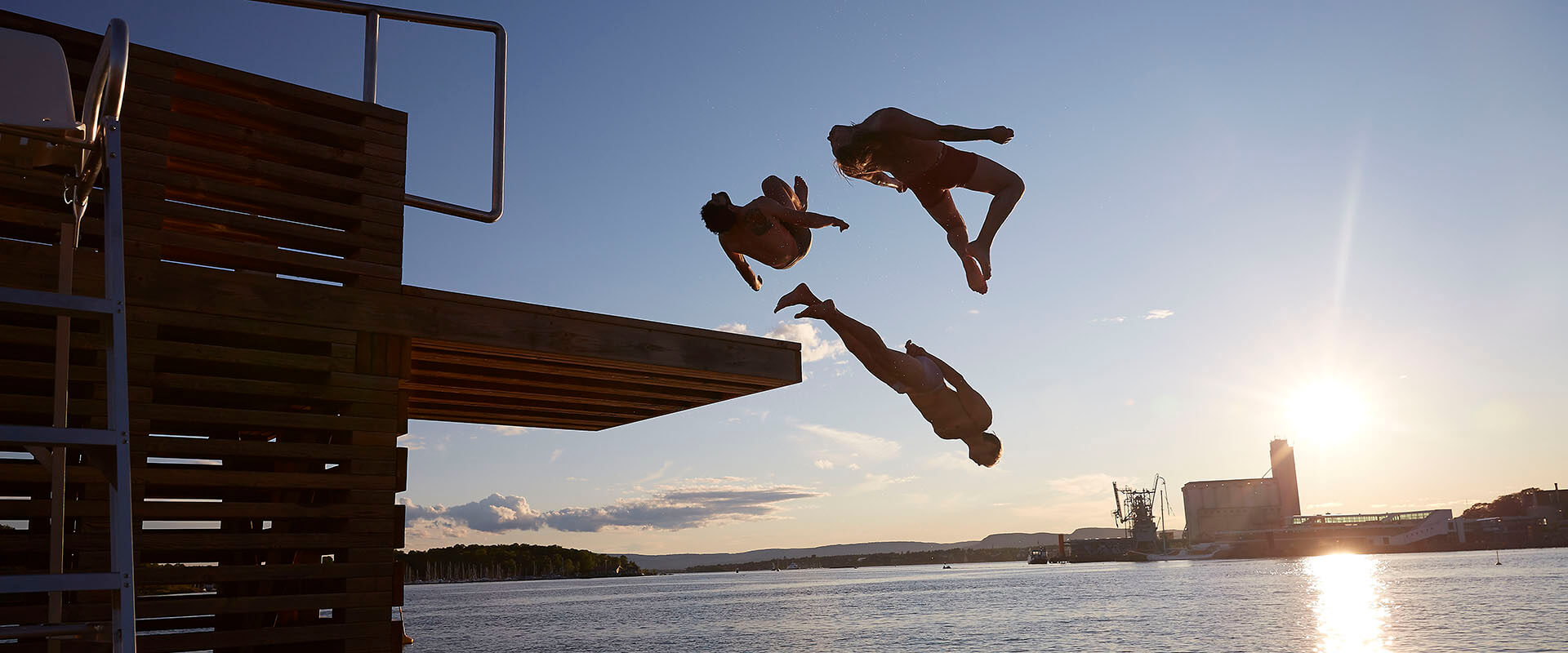
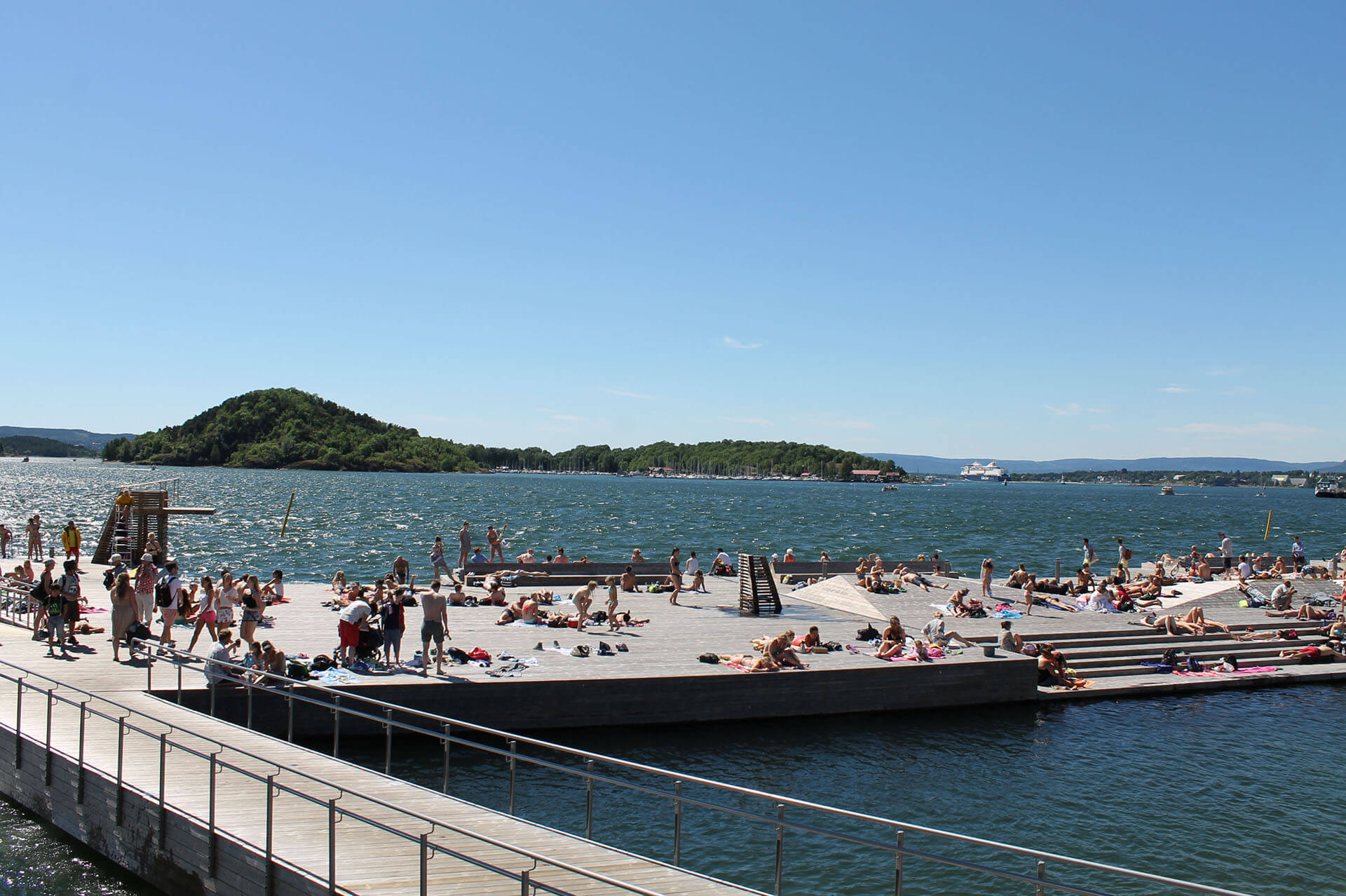
The middle part of the Sørenga pier in Oslo has a new park area that extends into a beach: Sørenga Sjøbad. Around the whole pier a new harbour prome­nade culmi­nates and extends into a wooden floa­ting jetty with diving boards, a 50m pool with lanes, and a 200 m² sea water pool. The beach and sea water pool of Sørenga Sjøbad are exposed to the fjord and have a wide view out to the Hove­døya Island and over the city centre, with the new Barcode area and the Oslo Opera house. The new area offers oppor­tu­ni­ties for water related acti­vi­ties in summer and is in use as a recrea­tional centre throug­hout the year. The 50-metre sea pool allows for trai­ning and compe­ti­tions. It includes a diving tower, seating and open-air showers. The floa­ting struc­ture and all elements are covered with a timber decking, a mate­ria­lity that binds the jetty and harbour prome­nade toge­ther.

Master­plan

The idea of a public, floa­ting park was a key part of the master­plan and the design compe­ti­tion for Sørenga Sjøbad, won in 2005 by LPO archi­tects (Oslo) and Archi­tect Kris­tine Jensens Tegne­stue (Aarhus). New housing on the pier requires protec­tion from impacts by an unli­kely, but possible, ship acci­dent. The tech­nical solu­tion was to make the waters shal­lower nearer to the pier, which allowed for the new beach. The concept for the park is to sepa­rate the land side from a floa­ting struc­ture, in such a way that the water becomes the most active part of the park. The wooden surface of the jetty is a large open space, with a rough and robust expres­sion, and is intended to reflect elements from former harbour struc­tures.

One size fits all

The new recrea­tional areas at Sørenga Sjøbad are intended both for the new inha­bi­tants on the pier as well as for the city as a whole. The beach and sea water pool of Sørenga Sjøbad has become a very popular new recrea­tional desti­na­tion in a part of Oslo that is under major trans­for­ma­tion, and for an inner city that has lacked physical contact with the sea.

Struc­ture

The jetty is a wood-covered concrete struc­ture, measu­ring 190 meters long by 28 meters wide. It weighs 4,650 tons and is comprises about 3,700 m². Inside the concrete there are 5,800 m³ water resistant poly­sty­rene. The park and prome­nade are of Sørenga pier and Sørenga Sjøbad univer­sally desi­gned with respect to mate­ria­lity, tran­si­tions gradient of ramps and orien­ta­tion options. All the wood-covered areas are in Kebony, a Norwe­gian-deve­loped tech­no­logy. Kebony is envi­ron­men­tally friendly, patented process, which enhances the proper­ties of sustainable soft­wood with a bio-based liquid. The process perma­nently modi­fies the wood cell walls giving Kebony premium hard­wood charac­te­ristics and a rich brown color. Over time, the surface fades, but keeps its tech­nical proper­ties.

Project data

Archi­tect

LPO arki­tekter

Rosen­borg­gata 19C

NO – 0356 Oslo

Team

Archi­tect Kris­tine Jensens Tegne­stue 

Dr.Ing. A. Aas-Jacobsen (Struc­tural engi­nee­ring)

Norcon­sult AS (Land­scape archi­tect)


Client

Bjør­vika Infra­struktur AS

Opening

2015

Address

Sørenga Sjøbad

0194 Søreng­kaia

NO – Oslo

Aerial view

Thank you, Google!

Photo­graph

Tove_Lauluten

Foto MK AS

Sorenga Utvi­k­ling AS

Images

Plans

Videos

Please follow us!


[et_social_follow icon_style=“slide” icon_shape=“circle” icons_location=“top” col_number=“6” counts=“true” counts_num=“250” outer_color=“dark” network_names=“true”]

Carpa Olivera

Slide and mermaid

Carpa Olivera in Mexico

History

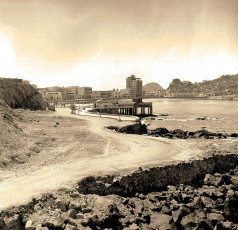
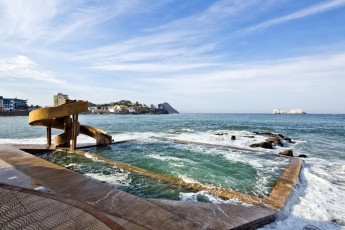
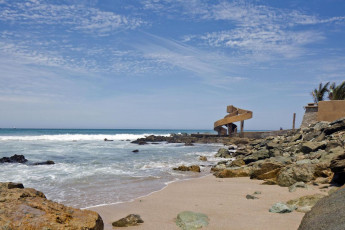
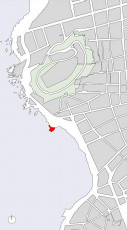
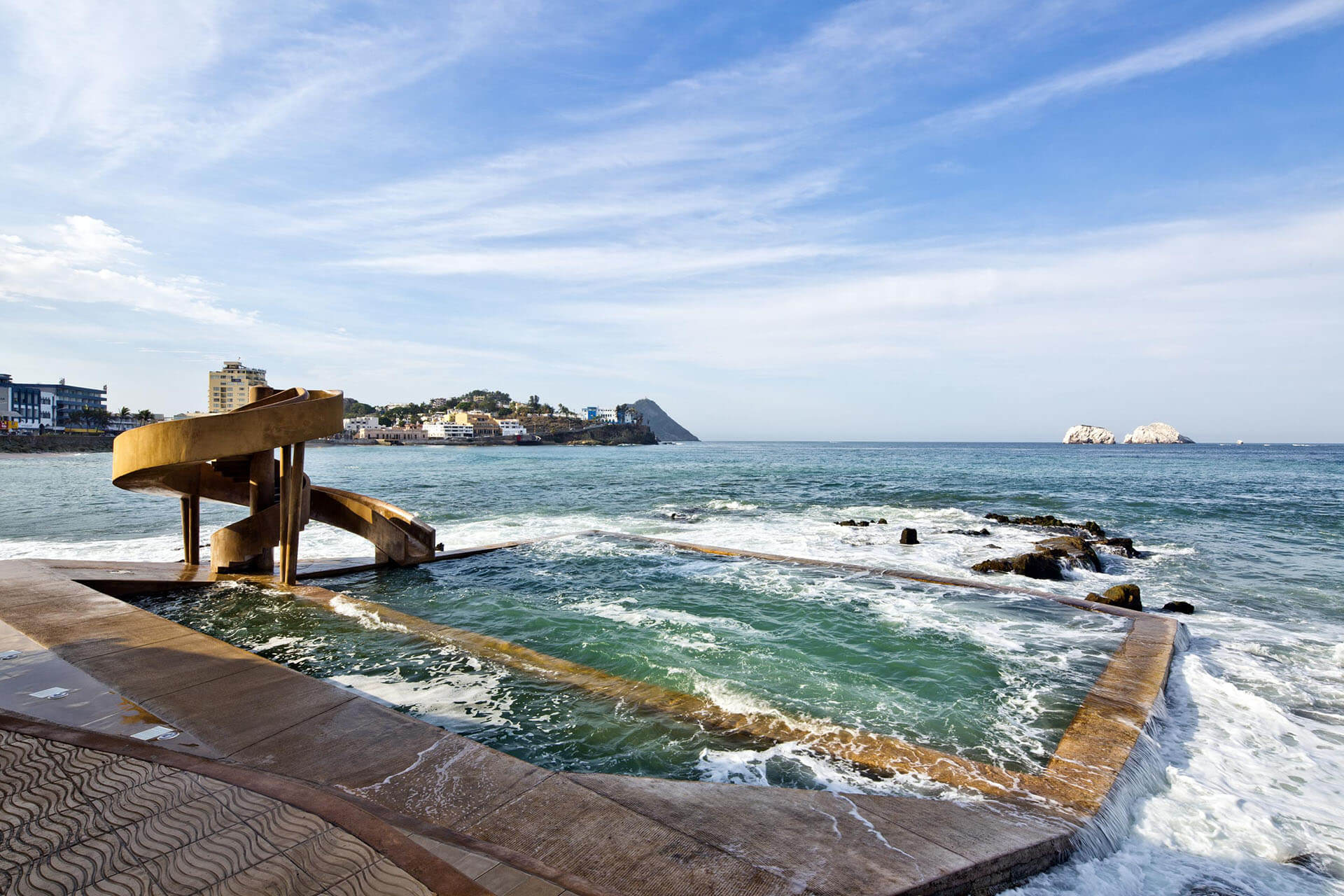
Origi­nally built in 1915 and inspired by sea pools in Lisbon, the Carpa Olivera was a social center on Olas Altas beach in the Historic Center of Mazatlan, a city in the Mexican state of Sinaloa. Many famous people of that time gathered and socia­lized here, and it was a must for every tourist. In 1954 Carpa Olivera was devas­tated by a hurri­cane, leaving it in aban­don­ment, but with time people came to use the pool. In the year 2004 it had a remo­de­ling that soon fell into neglect and vanda­lism.

Idea

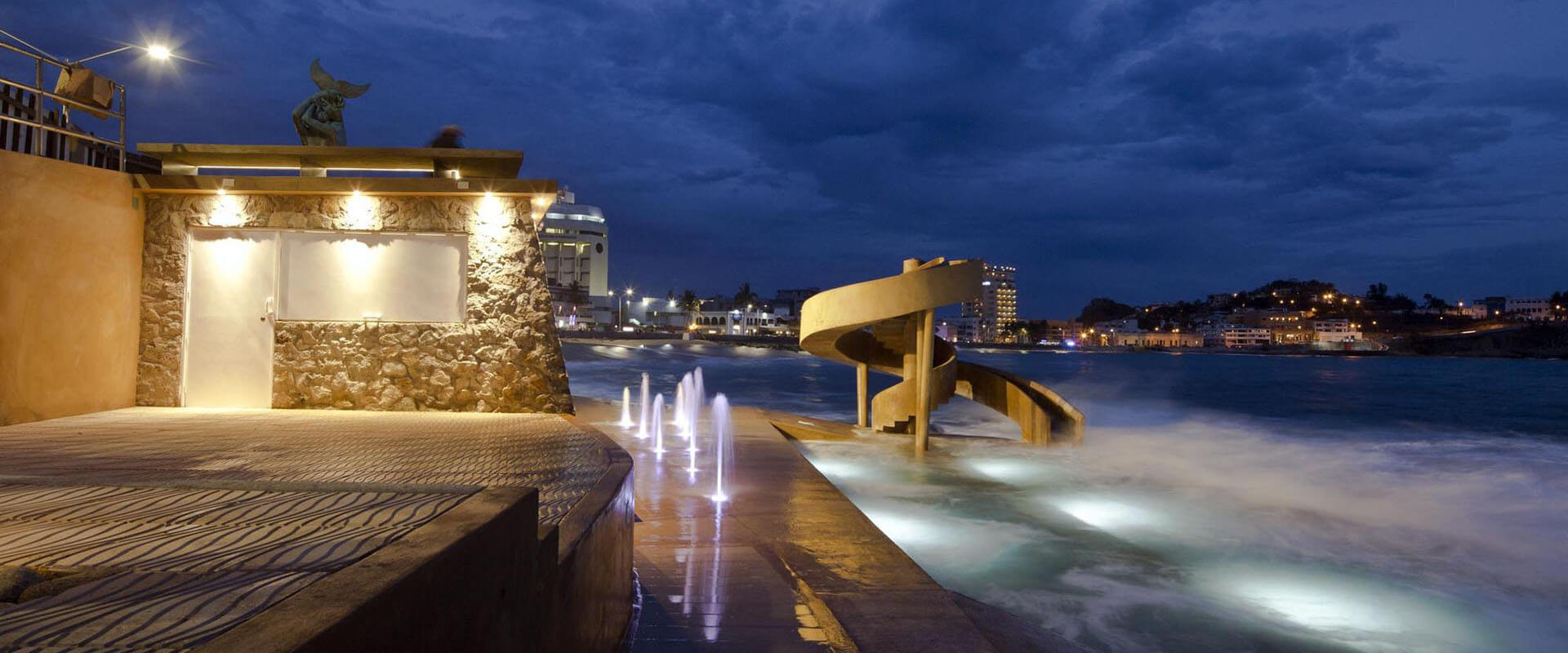
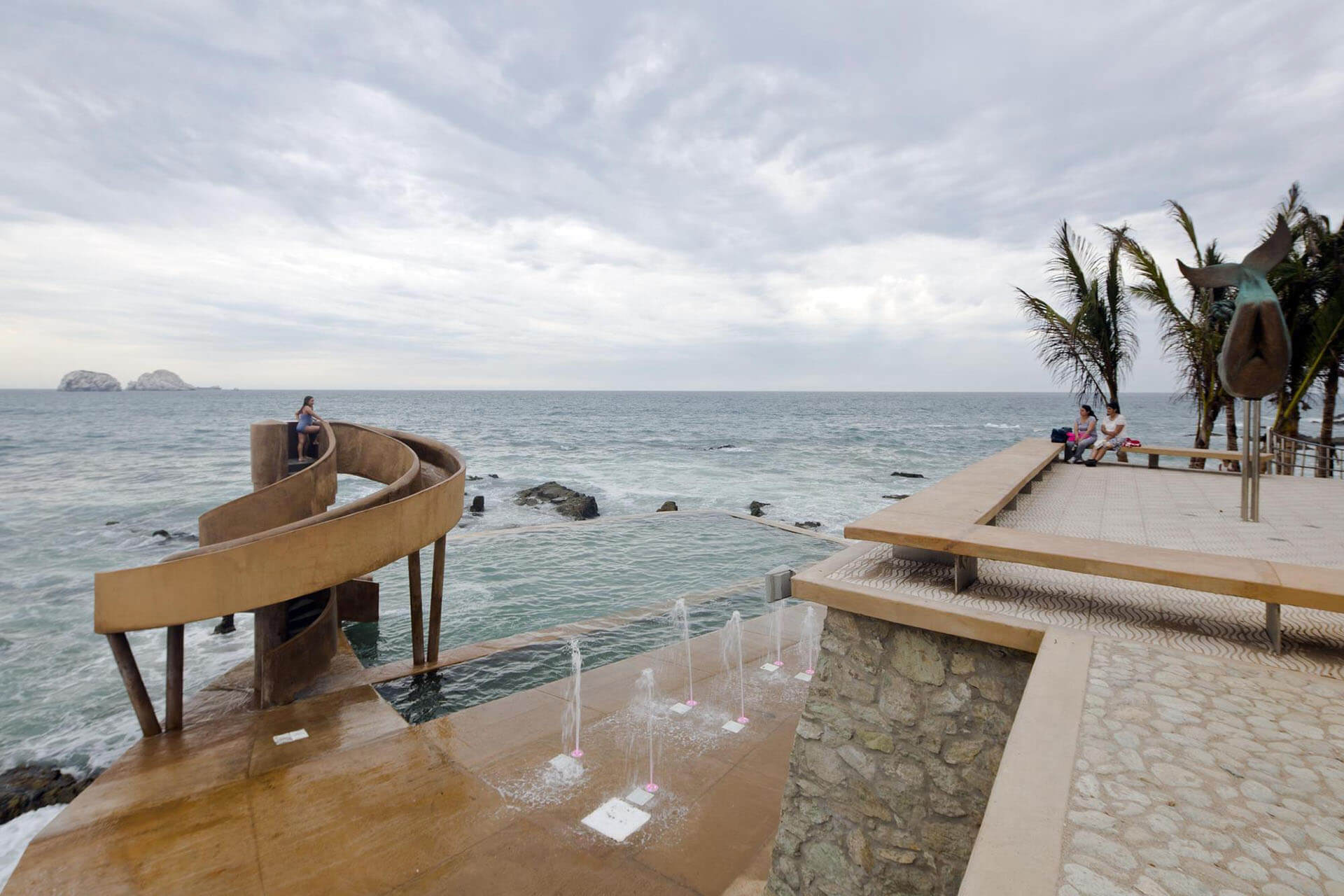
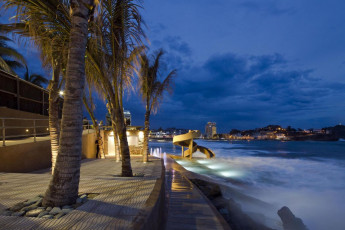
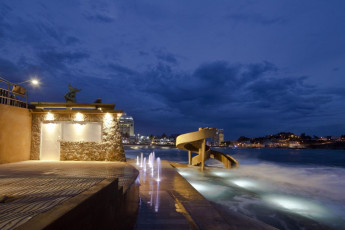
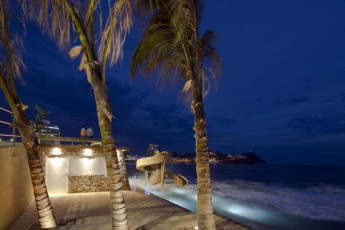
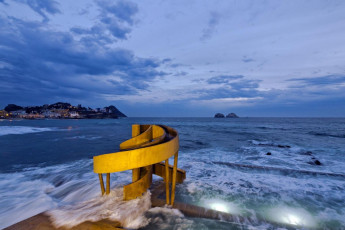
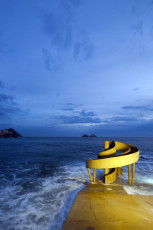
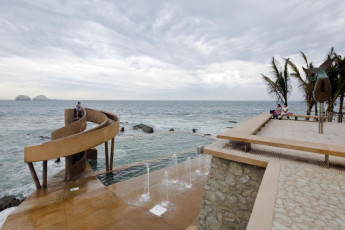
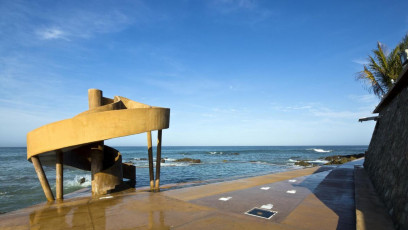
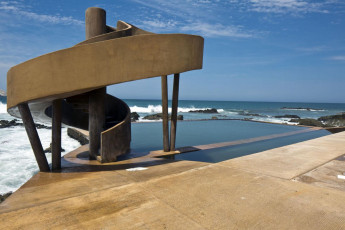
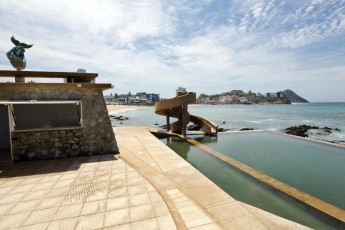
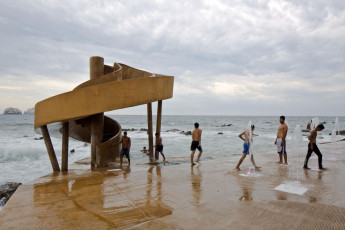
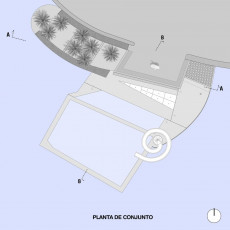
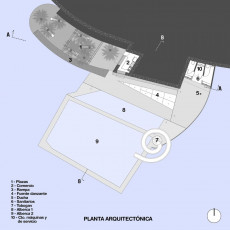
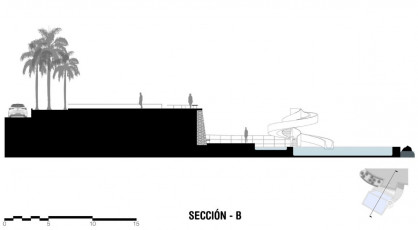
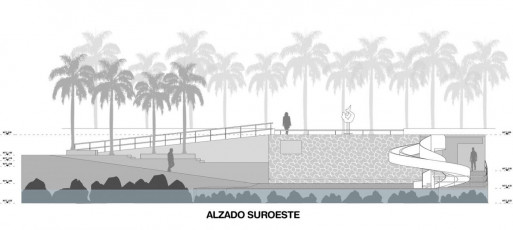
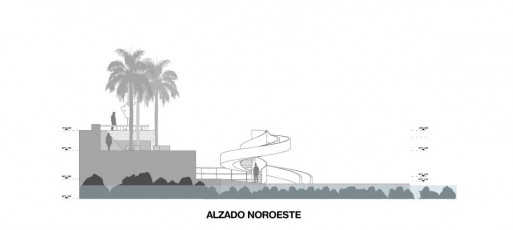
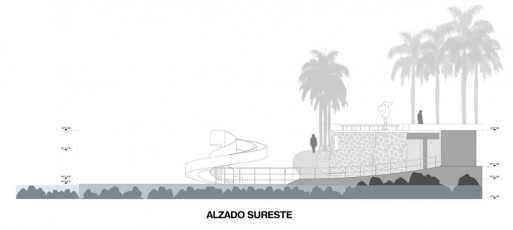
As a proac­tive team that gene­rates ideas for impro­ving their city, Colec­tivo Urbano, composed by five archi­tec­ture, land­sca­ping and urba­nist firms, made the proposal to rescue this public space to the Mazatlan Invest­ment Unit, led by the archi­tect Roberto Diaz. Propo­sing to recycle, clean and return this pool fed by tidal water to it´s sple­ndor, and inte­grate a new playful element: a spiral slide that drama­ti­cally promotes the social reac­ti­va­tion for local and tourist, where children and fami­lies have fun. This element acts as a strong singular sculp­ture by the sea.

Slide

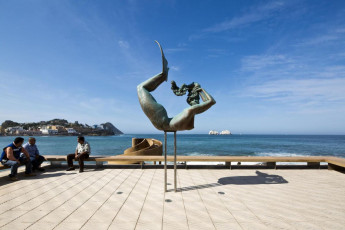
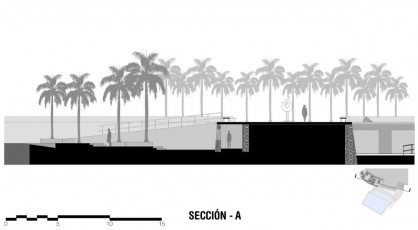
As a sustainable stra­tegy, a commer­cial space that will be proposed conces­sion, giving due atten­tion to the main­ten­ance and moni­to­ring of the site, ensu­ring optimum opera­tion condi­tions without direct cost to the city of Mazatlan. On the top level and connected to the pede­strian sea wall is an open area, that serves as a lookout and where a pre-exis­ting sculp­ture is relo­cated, allo­wing pede­strians to rest in a peri­meter bench while watching the horizon and the beau­tiful Mazatlan sunsets.

Ramp

Descen­ding the ramp is a surrounded stepped square fitted out as an area of shade, crea­ting an oasis of coconut palm trees, which inter­con­nects to the snack bar. On the lower level you get to an area where there is a long bench, where you can contem­p­late the good fun and the dancing water foun­tain, where children recreate before ente­ring the sea pool or climb the water slide to enjoy the wet rush it offers. At this level on the end, we find rest­rooms and shower offe­ring a complete service.

Project data

Archi­tect

Colec­tivo Urbano
Archi­tektur:
[H] arqui­tectos
Jacque­line Meixueiro, Roberto Díaz, Javier Hidalgo
EPAr­qui­tectos
Emilio Castañón, Erick Pérez , David Escobar.

Team

Cata­lina López, Sacnité Flores, Fran­cisco Pérez, Manuel Bernal, Georg Glau­bitz

Operator

Mazatlan Invest­ment Unit

Opening

2014

Author

Colec­tivo Urbano

Address

Mazatlán
Sinaloa
Mexico

Aerial view

Thank you, Google!

Photo­graph

Onnis Luque

Images

Videos

Castell dels Hams

Always the sun

Hotel Castell dels Hams, Mallorca

History

In 1967, a small hotel called Hotel Castell dels Hams was estab­lished on the island of Mallorca, amid the Medi­ter­ra­nean vege­ta­tion. Over time, and through subtle impro­ve­ments and exten­sions, it has become one of the most distinc­tive hotels on the eastern part of the island. The last of the altera­tions, meant to cele­brate the Medi­ter­ra­nean light and the location’s idyllic bond with nature, turned the hotel into much more than just a holiday desti­na­tion.

What’s new?

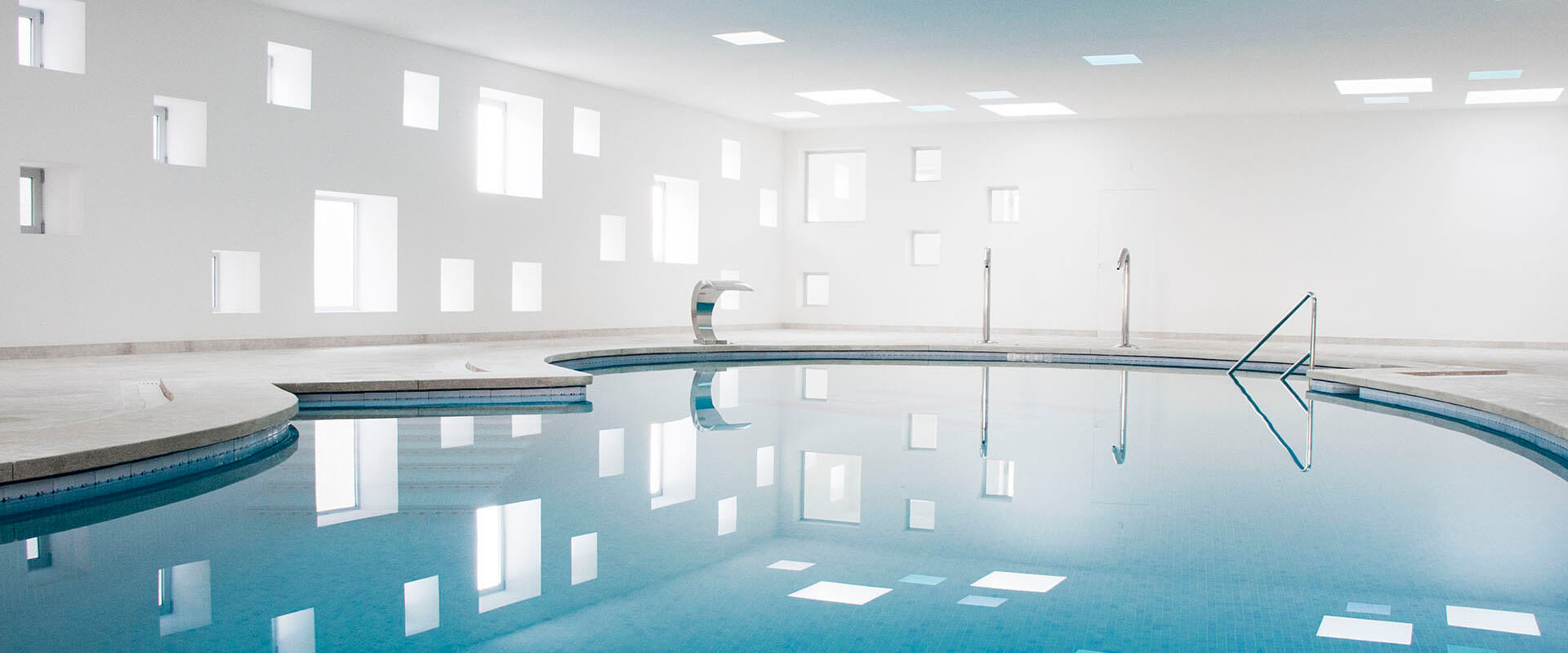
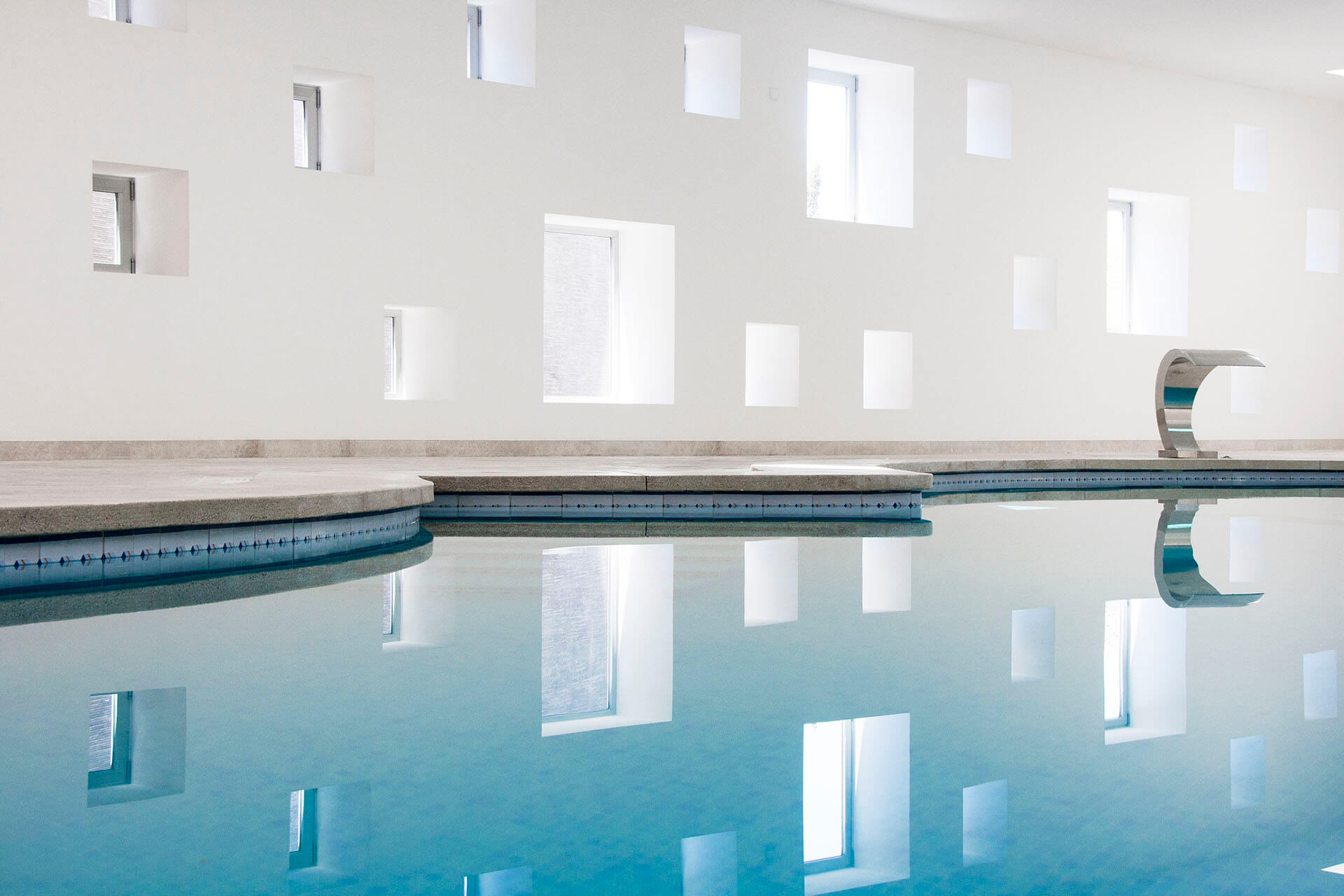
The project centred on repla­cing the cove­ring and enclo­sure of the exis­ting heated pool and to create an adja­cent spa to supple­ment it. During deve­lo­p­ment, the project was split into two inde­pen­dent zones, each desi­gned to suit its own specific purpose. The main pool area is adorned with a series of square openings for windows in the roof that allow the light to flood into the area. The spa, intended for skin treat­ments and rela­xa­tion, is located to give the visi­tors the best views of the surroun­ding land­scape and is also filled with light in all rooms where light is needed. The place­ment of the two zones makes them meet at a single point where one faces the other, so that they are inter­linked. This gives access to both through the hotel lobby, which is connected to the main pool area.

Always the sun

The pool was origi­nally connected to what once was considered the back of the hotel, where it was confined to a space that was clearly being wasted. The chall­enge of the project was not only to prevent the new areas from being used as secon­dary features, but to ensure they were used to high­light the hotel’s sunniest facade. Now completed, the roof is dotted with windows. This inter­play of window areas in the roof creates a beau­tiful dance of light reflec­tions inside the buil­ding. In the spa area, the space is sculpted and colourful showers of light flow through the roof windows. This makes the buil­ding itself being a part of the treat­ment by offe­ring the feeling of well-being created by nature.

„Smile“

In 2014, the recrea­tional areas and acti­vi­ties were extended and a further enter­tain­ment for the young guests from the hotel Castell dels Hams was created. The vision of this new focus, a big “smile”, focuses his percep­tion from differ­ents view­points and diffe­rent scales, either at the level of the foot, from the terraces of the hotel or inclu­ding the aerial and satel­lite view of Google Maps. A2arquitectos opted for a concen­tric circular orga­niza­tion of the elements, where the child­ren’s pool is the centre. This yellow circle has 12 meters of diameter and clearly differs from the other pools in form and color. Orbi­ting around it, they are differ­ents areas with water games for children, showers, sola­rium… Using a colorful live in this system, unlike the rest of the hotel, they give it a natural place outside the exis­ting original forms. With great inten­tion this colourful fun corner differs clearly from the elegant rest of the hotel. The ques­tion of which area you like better now may only depend on your age.

Project data

Archi­tect

A2 Arqui­tectos Juan Manz­anares Suárez Cris­tian Santandreu Uter­mark

Team

Promo­tora los Rosa­litos S.L. Regina García Borrás. Melchor Mascaró. Frei­x­anet sauna­sport S.L.

Client

Hotel Castell dels Hams

Opening

1967, 2011, 2014

Author

Johannes Bühl­be­cker More Sports Media
Address

Hotel Castell dels Hams Crta. Manacor Porto Cristo Km. 10 Porto Cristo Mallorca, Spain

Aerial view

Thank you, Google!

Pgoto­graph

Laura Torres Roa Antonio Benito Amen­gual.

Pictures of pool and spa

Pictures of “Smile”

Plans

Videos

Subi Surf Park

What a wonderful world this would be

Subi Surf Park in Perth

History

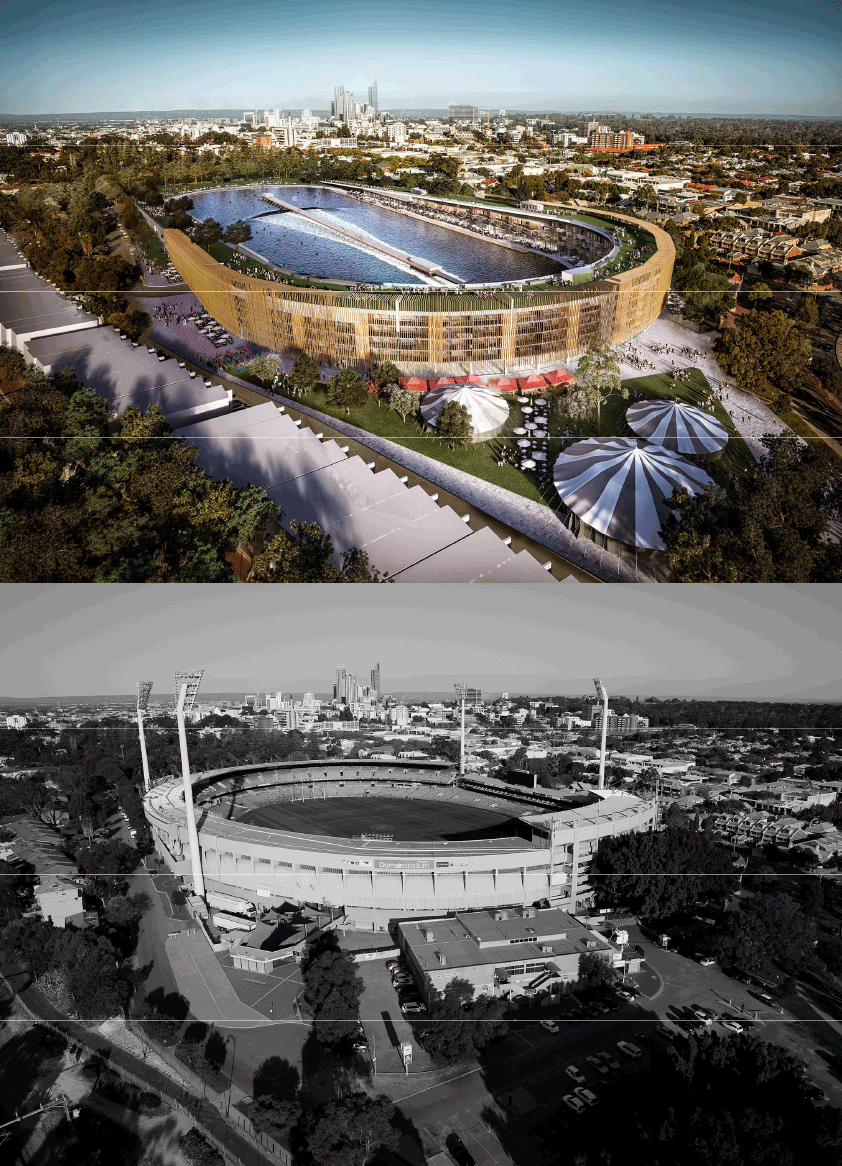
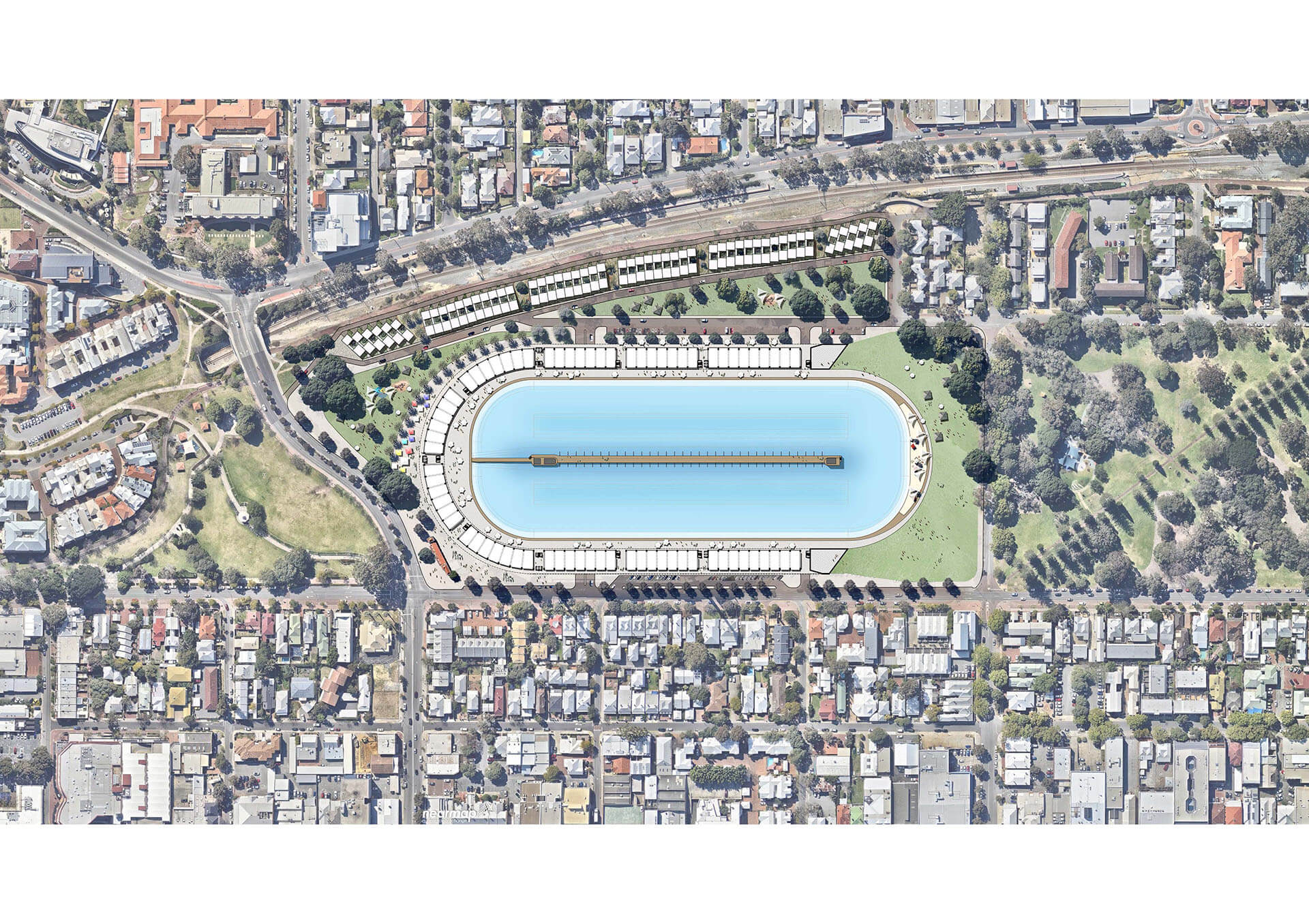
The closure of the cities primary foot­ball stadium (Subiaco Oval) coupled with the closure of two major public markets presented the commu­nity of Subiaco with a signi­fi­cant set of economic, cultural and iden­tity chal­lenges – and was the start of Subi Surf Park. Subiaco had for the last 100 years been heavily asso­ciated with Foot­ball and Markets and their loss was compoun­ding an ongoing decline created through the homo­ge­nisa­tion of a once diverse urban village. Subiaco Oval (“Subi“) is located in Subiaco, a suburb of Perth, Western Australia. Form­erly the highest capa­city stadium in Western Australia and one of the main stadiums in Australia, seating 43,500 people, the ground was the home of Austra­lian rules foot­ball in Western Australia, being the home ground for the West Coast Eagles and Fremantle Foot­ball Club. Both clubs moved to Perth Stadium, completed in late 2017 and offi­ci­ally opened on 21 January 2018.
Design

MJA studio began work on Subi Surf Park after recei­ving a letter invi­ting parti­ci­pa­tion in a commu­nity survey from the local council in anti­ci­pa­tion of the closure of the stadium. MJA’s response to the survey took the form of a sche­matic proposal based around the prin­ci­ples of: inclu­si­vity, expanded public space and access, acces­si­bi­lity, recrea­tion and reco­gni­tion of heri­tage. MJA studio proposed the follo­wing sequence of events:
  • Subiaco Oval to be demo­lished, concrete to be crushed for re-use
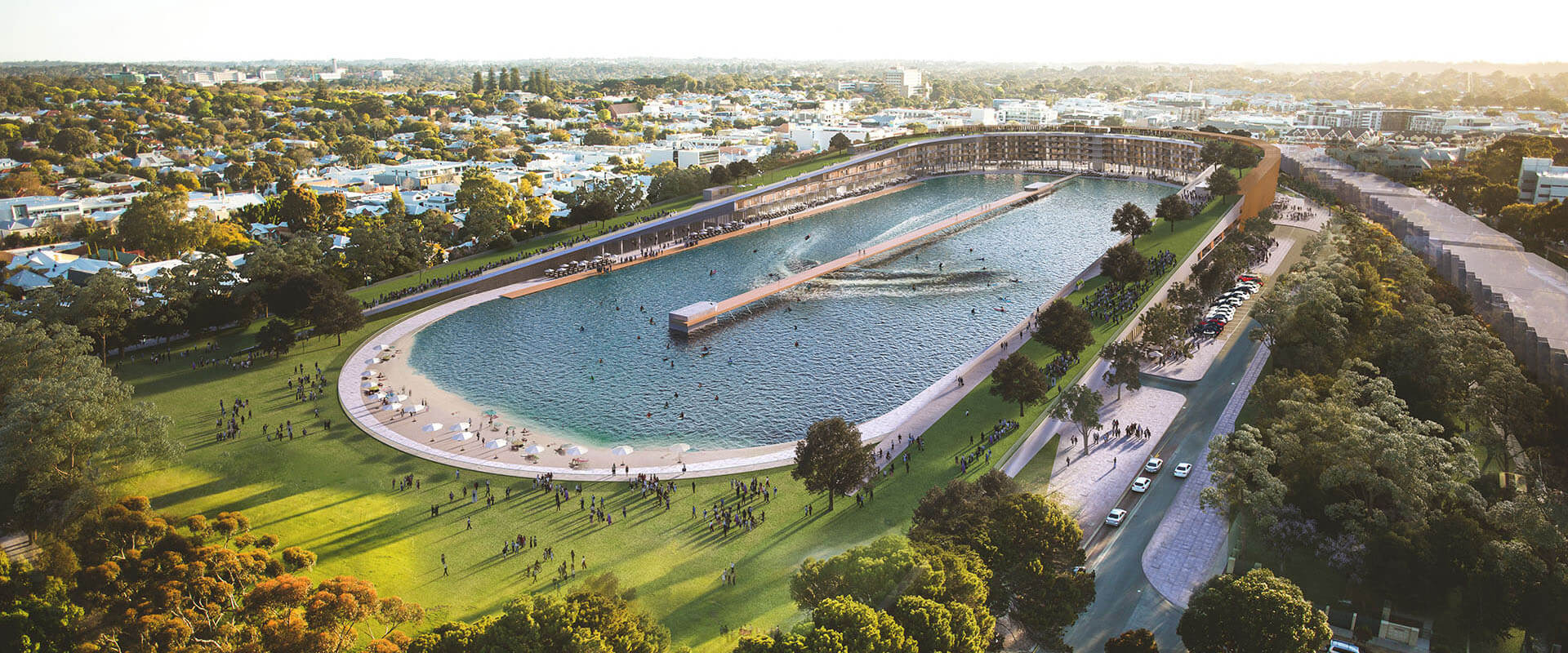
  • Replace Oval with large water­body
  • Surround water­body with public open space
  • Elevate the public open space, crea­ting a hill rising above the flat topo­graphy of Subiaco
  • Acti­vate the Ground plane with a perma­nent market­place, hospi­ta­lity and Foot­ball Hall of fame
  • Insert 220 dual aspect apart­ments between the Ground plane and the new elevated public space
  • Create a new axial link between the two adja­cent train stations and line this axis with terrace housing and addi­tional public squares and event space
  • Open Subi­Surf Park utili­sing Wave­Garden tech­no­logy in the large water body

Lagoon

Subi Surf Park will deliver the highest quality man made waves on the planet, and the most authentic surfing expe­ri­ence for new and exis­ting surfers of all ages, expe­ri­ence and ability. Once the lagoon has been filled the water required per annum is equi­table to what is curr­ently used on the exis­ting stadiums lawn. Boun­dary Hill is a 12,800m² exten­sion to Kitchener Park, the 1:20 gradient allows for disabled access without handrails throug­hout. This new public park is desi­gned for passive and active recrea­tion space as well as a tempo­rary event space and oppor­tu­nity to survey the lagoon, CBD and land­scape beyond. The built form of the park and apart­ments below follow the geometry of the former stadium but their taper ensures a reduc­tion of overs­ha­dowing to the southern neigh­bours of 25%.

It’s all there

The apart­ments are desi­gned to maxi­mise the amenity of the end user ensu­ring solar access and cross venti­la­tion wherever their loca­tion. Each apart­ment has a private and public balcony space flan­king their apart­ment allo­wing them to choose their level of inter­ac­tion with the rest of the deve­lo­p­ment. Market­Hall ensures a perma­nent home for a new 3,000m² public market which can be open all week and on weekends can expand onto a 6,500m² Market Square. The inten­tion of the Market programme is to support micro-entre­pre­neurs and help diver­sify the Subiaco economy. The history of Austra­lian Foot­ball on the site is reco­g­nised throug­hout the proposal with imbedded art instal­la­tions, augmented reality and a home for the WA Foot­ball Hall of Fame. Subi Surf Park is a bril­liant concep­tual proposal that MJA studio pitched to the local govern­ment and stake­hol­ders in 2015. Unfort­u­na­tely, imple­men­ta­tion is still uncer­tain.

Project data

Archi­tect

MJA studio Suite 6 / 23 Railway Road Subiaco 6008 Western Australia

Address

Subiaco Rd Subiaco WA 6008 Australia

Aerial view

Thank you, Google!

Author

MJA studio

Plans

Pavillon d’Eau

Special guest at the World Heri­tage Site

Pavillon d’Eau at Lake Geneva

Situa­tion

The Pavillon d’Eau is a tempo­rary pavi­lion made of wood and porce­lain build on the Lake Geneva in 2017. It has been realized within the scope of a final Master Project at École poly­tech­nique fédé­rale de Lausanne (EPFL). It is an achie­ve­ment born out of the colla­bo­ra­tion of two main Swiss univer­si­ties, EPFL and Haute école d’art et de design – Genève (HEAD) with the muni­ci­pa­lity of Saint Saphorin (393 inha­bi­tants).

Desi­gned by EPFL student Alex­ander Wolhoff, the pavi­lion is the outcome of six months of rese­arch, of proto­ty­ping and the dialogue between diffe­rent local and acade­mical actors. Born at EPFL and more parti­cu­larly in the labo­ra­to­ries ALICE and LHT3, the project was also led by a part­ner­ship with the CERCCO labo­ra­tory (HEAD), where the porce­lain tiles where hand made one by one. The thic­k­ness of the tiles varies between 1.3 mm and 2mm; the 150 pieces measure 213mm on 293mm.

Design

The UNESCO World Heri­tage Site muni­ci­pa­lity of Saint-Saphorin en Lavaux hosted the ephemeral pavi­lion; the cupola brin­ging toge­ther wood and porce­lain for one month at the lake of Geneve. The scope was to propose a pavi­lion that brings out Lavaux’s heri­tage and valo­rises its crystal­line relief composed by waves and alpine crests. The whole project has been thought to leave no imprints on the site at all. The anchors are non aggres­sive to the lake’s bed. If the exte­rior of the pavi­lion has a struc­tural language, the inside, which is only visible foots in the water, is orna­mental. The porce­lain tiles – enameled Bleu de Sèvre– and their parti­cular form play with both sunbeams’ and lake’s refrac­tion as an attempt to capture the site’s glare.

Archi­tect

Alex­ander Wolhoff
École poly­tech­nique fédé­rale de Lausanne

Team

EPFL: D. Dietz, Raffel Baur
LHT3; R. Gargiani, Me R. Fiechter
HEAD: M. Gerber, I.Schnederle, J‑P. Greff.

Photo­graph

Alex­ander Wolhoff

Author

Alex­ander Wolhoff

Address

Lake of Geneva (Léman)
Plage des Bains Reymon
CH – Saint-Saphorin

Aerial view

Thank you, Google!

Opening

2017

Images

Hofsós Swim­ming Pool

146 inha­bi­tants and the Atlantic Ocean

Hofsós Swim­ming Pool in Iceland

Hofsós

Hofsós is a small fishing village in the nort­hern part of Iceland. It consists of small scale tradi­tional Icelandic houses from the early twen­ties. The small scale of the surroun­ding village has been an inspi­ra­tion in the design process of Hofsós Swim­ming Pool.

The site of Hofsós Swim­ming Poois by the coast on the main street leading to the village. From the site there is a magni­fi­cent view towards the Atlantic Ocean where the island Drangey lies in the horizon. In the winter­time the distant lights from the village of Sauðark­rokur can be seen on the oppo­site shore.

Grettir

Die Verbin­dung zur Insel Drangey ist von großer histo­ri­scher und kultu­reller Bedeu­tung. Einer der wich­tigsten Charak­tere der islän­di­schen Sagen, Grettir, schwamm die sechs Kilo­meter zu dieser Insel und entkam einer Schlacht an Land. Einmal im Jahr wird dieses Ereignis noch heute „nach­ge­schwommen“. Das Schwimmbad befindet sich in einer Achse, die direkt auf die Insel ausge­richtet ist, so dass die Schwimmer im Schwimmbad das Gefühl haben, auf seiner Route nach Drangey schwimmen.

Das Schwimmbad Hofsós fügt sich harmo­nisch in die Land­schaft ein und öffnet sich dem Blick auf den Ozean und die Insel Drangey. Das Gebäude schützt sowohl vor dem starken Nord­wind als auch vor Störungen durch die Straße und das Dorf.

Archi­tect

BASALT Archi­tects
Lauga­vegur 51
101 Reykjavik
Iceland

Team

Jóhann Harðarsson, Marcos Zotes, Rósa Dögg Þorsteins­dóttir, Sigríður Sigþórs­dóttir, Stefanía Sigfús­dóttir

Client

Steinunn Jóns­dóttir, Lilja Páma­dóttir

Photo­graph

Guðmundur Bene­diktsson, Rafn Sigurb­jörnsson

Author

basalt

Address

Suður­braut
565 Hofsós
Iceland

Aerial view

Thank you, Google!

Opening

2010

Drawings

Follow us!

[widgets_on_pages id=“1”]

Daylight

The buil­ding complex contains chan­ging faci­li­ties, swim­ming pool and two Jacuzzis. The main cons­truc­tion Hofsós Swim­ming Pool is in situ cast concrete, clad with indus­trial glazing elements. The indus­trial glazing is trans­lu­cent, allo­wing daylight to flood through but without being trans­pa­rent. This gives a special expe­ri­ence and comfort in the chan­ging rooms. Icelandic hand-made stones are used as floo­ring. The exte­rior lighting is mini­mized to expe­ri­ence the stars and Nort­hern lights which are frequent in this area during winter­time.

Hofsós Swim­ming Pool is a dona­tion from Steinunn Jóns­dóttir and Lilja Pálma­dóttir to the muni­ci­pa­lity of Hofsós.

Close to infi­nity

Hofsós Swim­ming Pool is quite simply magni­fi­cent. It may not be Olympic size, but because it has been built into the hillside above the sea, the views over to Drangey are breath­ta­king. Come rain or shine, the vista from the pool is a combi­na­tion of marve­lous diffe­rent shades of blue; the clear blue color of the swim­ming pool itself, the green blue sea, the dark blue of the islands and moun­tains in the distance, and finally the blue­ness of the sky on a clear day.

The Hofsós swim­ming pool is not strictly an infi­nity pool, but the impres­sion you get as you swim in the geothermal waters is that you’re right next to the sea’s edge.

Social Pool

The begin­ning of a social revo­lu­tion?

Social Pool in the Southern Cali­fornia desert

Desert and reality

Alfredo Barsuglia’s Social Pool is an eleven-by-five-feet wide pool in the Southern Cali­fornia desert, free for anybody to use. White, unadorned and geome­tric, it is formally remi­nis­cent of a Mini­ma­list sculp­ture. Located in a remote and scar­cely popu­lated geography – visi­tors are advised that several hours of driving from Los Angeles, plus a willing­ness “to walk a long distance to reach the pool from the nearest road,” are required to reach the desti­na­tion – its loca­tion nods toward the pheno­menon of large-scale Land Art instal­la­tions in deserts around the American West, like Walter de Maria’s The Light­ning Field in New Mexico, Robert Smit­h­son’s famed Spiral Jetty, or Nancy Holt’s Sun Tunnels in Utah. Conceived in the 1970s by artists in and around New York, already then the epicenter of the contem­po­rary art scene, these works bore a critical response to and refusal of both the incre­asing commo­di­fi­ca­tion and insti­tu­tio­na­liza­tion of art and the rampant destruc­tion of the ecolo­gical envi­ron­ment. While Barsu­glia’s endeavor does share a palpable and explicit idea­lism as such – he suggests that the drive and walk to the pool should provide “time to reflect on social values, dreams and reality” – Social Pool is not a nost­algic affair.

On the contrary, the work embo­dies the massive socio-economic changes that have taken place in the last forty years. It thus under­stands itself as the product of an economy in which privacy and imma­te­ria­lity has been fully commo­di­fied. For many a consumer, art is expected to operate accor­ding to the prin­ci­ples of the service economy rather than follo­wing huma­nist ideals of intellec­tual or moral stimulus and educa­tion.

Artist

Alfredo Barsu­glia
Liech­ten­stein­straße 68–70/25
AUT-1090 Wien

Client

MAK Center for Art and Archi­tec­ture

More similar to a yoga lesson

The title of Barsu­glia’s work alone attests to his acute aware­ness that Social Pool might operate in ways more similar to a yoga lesson or vaca­tion away from it all than as an enligh­tened dialog with an enig­matic object: esca­pism rather than critique, digres­sion rather than trans­gres­sion. In line with the demands of the larger consumer society, Social Pool was conceived of as an expe­ri­ence encom­pas­sing a poten­ti­ally trans­for­ma­tive journey, a promise of rela­xa­tion, the peace of remo­teness, all while staying tuned in.

Social Pool is a sculp­ture that’s a bath, an artwork both lite­rally immersive and forcibly rela­xing. Astu­tely intert­wi­ning semantic cons­tructs like contem­po­rary art, the pool (the symbol of care­free wealth, even more so in the desert), rela­xa­tion and nature, Social Pool is a complex replica of the contra­dic­tions and ideo­logy of contem­po­rary society, where remo­teness from others and quietude are luxu­ries for the ever-commu­ni­ca­ting city-dweller.

Author

Stephanie Weber
Curator, Lenbach­haus München

Photo­graph

Alfredo Barsu­glia

Elements of the sublime and the ridi­cu­lous

Barsu­glia directly trans­lates this desire for seclu­sion and indi­vi­dual enjoy­ment into the layout and concept of the project: GPS coor­di­nates, other­wise kept secret, toge­ther with a key that opens the pool cover are provided to the willing visitor by the MAK Center for Art and Archi­tec­ture in West Holly­wood. In a feat of design and engi­nee­ring, the pool cover also keeps the water from evapo­ra­ting and serves, when opened, as an addi­tional resting area. Bisected into two areas, one rectan­gular, one cubic, one filled with water, one dry (where visi­tors can change their clothes), the pool offers just enough space for one or two people to stand or sit on either of its sides (appro­pria­tely, a bench is built into each half). The walls of each pool segment are so high that the seated person cannot easily see whoever sits in the adja­cent space, despite the fact that they are just next door. In a deli­be­rate over-deter­mi­na­tion of the work’s suggested idio­syn­cra­sies, Barsu­glia stipu­lated that only one person or small party at a time can use the pool, and for no longer than 24 hours.

In its purpo­sefully slick absur­dity and inherent stance against nature – it even has an auto­matic, solar panel-operated filter and chlo­rine system – Social Pool combines elements of the sublime and the ridi­cu­lous. Its absur­dity becomes even more tangible with the rela­tive incon­ve­ni­ence of reaching it, similar to the pains one goes through to “get-away” – when no internet rese­arch is too time-consuming, no journey by plane, train, car, bus, or boat (or any combi­na­tion of the above) is too arduous, to reach the loca­tion where one can relax and hopefully redis­cover, at least for a week or two, one’s true self.

However, Barsu­glia does not propose escape from society as a solu­tion. He is genuine when phra­sing the time spent driving to see Social Pool as an oppor­tu­nity to reflect on our consump­tion and enter­tain­ment-driven life­style, and just as genuine when provi­ding GPS coor­di­nates to do so. The escape Barsu­glia pres­ents is tempo­rary, it is futile and self-involved, it is plea­sure-driven and it is not egali­ta­rian – it is the embo­di­ment of life in late capi­ta­lism and the treat yourself atti­tude of consumer society. Whether we follow Barsu­glia’s advice and think about why we do what we do is as much up to us as the choice to ques­tion (and act upon) our libi­dinal invest­ment in a pres­ti­gious job or precious apart­ment. His is a well-meaning advice, not an order. Maybe the trip to Social Pool will be just a trip to the spa, or a notable encounter with an artwork, possibly even a life-alte­ring expe­ri­ence or, who knows, it could mark the modest begin­ning of a social revo­lu­tion.

Aerial view

Key

Löyly

Unique acti­va­tion

Löyly Sauna in Helsinki

Sauna culture

Sauna bathing is an essen­tial part of Finnish culture and national iden­tity. There are only 5,4 million Finns but 3,3 million saunas. Public saunas used to be common in bigger cities but now that most new apart­ments have a sauna of their own, public saunas have decreased drama­ti­cally in number. There are only a few remai­ning. As a sense of commu­nity is beco­ming a more and more important part of new urban culture, many new public saunas are being planned. With Löyly (meaning: the steam you get when thro­wing water on hot stones in a sauna) Helsinki will offer foreign visi­tors a public sauna expe­ri­ence all year round – a must when visi­ting Finland.

Process

The project started from the city of Helsinki initia­tive. Herne­saari is a former indus­trial area on the Helsinki seashore that is being deve­loped into a resi­den­tial area. New uses are being deve­loped for the area, while waiting for future changes to come. There is a cruise ship harbor in Herne­saari. The city wanted to acti­vate the area with new func­tions and to serve visi­tors with new attrac­tions. avanto archi­tects started the project in 2011 desig­ning a tempo­rary sauna village at the further­most end of the penin­sula. The concept could not prove finan­cial sustaina­bi­lity, so the first client did quit the project. avanto archi­tects deve­loped a floa­ting sauna for the second client, but the concept was not realizable as the site faces the open sea and a floa­ting struc­ture couldn’t with­stand high waves and pres­sure from ice packs. The coast­line will change with future deve­lo­p­ment, but the city chose an area where the shore­line will remain the same. The archi­tects deve­loped a new free form concept with trian­gular faces. The client changed once more and, as actor Jasper Pääk­könen and Member of Parlia­ment Antero Vartia finally got funding, the cons­truc­tion works could begin.

Archi­tect

Avanto Archi­tects Ltd
Ville Hara and Anu Puus­tinen, Archi­tects SAFA
Kale­van­katu 31 a 3
FI-00100 Helsinki

Team

Qtio Oy (project manage­ment)
Antti Wester­lund, Hiroko Mori,Laura Nenonen, Xiaowen Xu

Steel Struc­tural Desi­gner

SS-Teracon Oy
Hatan­pään valtatie 34 D
FI-33100 Tampere

CURRENT CITY STRUCTURE
FUTURE CITY STRUCTURE

Context

The site is unique. Being less than two kilo­me­ters away from the city centre, it is very central but at the same time the land­scape is like in the outer archi­pe­lago. The plot is situated in a future coastal park that will be part of a broader “Helsinki Park” connec­ting the capital city to the sea. The buil­ding was desi­gned to be slim and elon­gated so as not to cut the narrow park strip. The volume is kept as low as possible so that it doesn’t block views from the future resi­den­tial blocks. Instead of buil­ding a conven­tional buil­ding, the sauna is deve­loped into an easy-going, faceted cons­truc­tion that is more part of the park than a conven­tional buil­ding. When the wooden buil­ding turns gray, it will become more like a rock on the shore­line.

Client

Antero Vartia and Jasper Pääk­könen
Kidvek­keli Oy

Operator

Royal Restau­rants

GROUND PLAN

Archi­tec­ture

The archi­tec­tural idea is simple: A rectan­gular black box contai­ning the warm spaces is covered with a free formed wooden “cloak”. Instead of being mere deco­ra­tion, the sculp­tural struc­ture made of heat treated pine has several func­tions. It provides people with visual privacy. However, the lamellas don’t limit the sea view from inside it, rather they func­tion like vene­tian blinds and blocking the views from outside. There are shel­tered outside areas between the warm mass and cloak to cool down in between sauna bathing. The cloak forms inti­mate terraces between its slopes that serve as a place to sit. The struc­ture protects the buil­ding from the harsh coastal climate. It shades the inte­rior spaces with big glass surface and helps to reduce the use of energy to cool the buil­ding. Moreover, the stepped cloak forms stairs to climb on to the roof and terraces on top of the buil­ding. The cons­truc­tion forms a big outdoor audi­to­rium for the future marine sports centre’s acti­vi­ties on sea. There are around 4,000 planks that were precisely cut to indi­vi­dual forms by a computer-controlled machine. The big wooden terrace is partly on top of the sea. You can hear the sound of the waves under your feet.

Address

Herne­saa­ren­ranta 4
Helsinki
Finland

SAUNA

Spatia­lity

The buil­ding consists of two parts: public saunas and restau­rant. The saunas and public spaces open up to the sea, with inte­res­ting views to city center and the open sea. The atmo­sphere is calm and the spaces dimly lit. Diffe­rent areas are conceived as spaces within a space. Inte­res­ting views open between closed spaces as you move from one area to the next.

Dres­sing rooms and showers are sepa­rate for men and women. A leather curtain cove­ring the door indi­cates entry into the unisex area, at which point visi­tors need to wear a bathing suit. Tradi­tio­nally men and women bath sepa­ra­tely and naked. avanto archi­tects deve­loped a sauna culture where bathing toge­ther with your friends not depen­ding on gender is possible.

Inte­rior

The inte­rior archi­tec­ture of the restau­rant and the sauna lounge is by Joanna Laajisto Crea­tive Studio. The objec­tive of the design was to create an atmo­spheric restau­rant which compli­ments to the building’s strong archi­tec­ture. The approach could be called soft mini­ma­lism. The chall­enge was to create inti­mate seating areas in the large hall like space with two walls of windows. People often feel most comfor­table sitting their backs against the wall. The solu­tion was to build a raised plat­form for the bar area which divides the space into two diffe­rent areas. A wooden half wall anchors the long custom desi­gned sofas which have a great view of the sea.

The main mate­rials used in the inte­riors are black concrete, light Scan­di­na­vian birch wood, blackened steel and wool. All mate­rials are durable and long lasting. The wood used is pressed, glued and slightly heat-treated birch, a sustainable Finnish inno­va­tion made of left over mate­rials of the plywood industry that normally is burned to produce energy. This is how waste is turned into a beau­tiful recy­cled mate­rial. It´s manu­fac­tu­ring process produces a beau­tiful cool light color tone and heavy dura­bi­lity.

Cons­truc­tion costs

€6,000,000

Opening

2016

BUILDING

Saunas

There are three diffe­rent saunas- All are all heated with wood: a conti­nuously heated sauna, another one heated in the morning and staying warm all day and a tradi­tional smoke sauna – a true rarity in an urban sauna. This is how you can expe­ri­ence all sorts of Finnish Löyly during a single visit. Between the saunas there is a spa area with cold water basin and a fire place room to relax. You can swim in the sea. In winter visi­tors will find an “avanto”, the hole in the ice for winter swim­ming, a popular hobby in Finland – and  the name of the archi­tects’ office name as well.

Sustaina­bi­lity

The buil­ding is heated with district heating and elec­tri­city is produced with water and wind power. The buil­ding is first FSC-certi­fied buil­ding in Finland and second in Scan­di­navia. Forest Steward­ship Council’s certi­fi­cate proves that wood mate­rial comes from respon­sibly managed forests. The restau­rant serves organic food and sustain­ably caught fish.

Author of text

Ville Hara and Anu Puus­tinen, Avanto Archi­tects

RESTAURANT

THE ARCHITECTS
Avanto Architects
Avanto Archi­tects
Avanto Archi­tects Ltd was estab­lished in 2004 by Ville Hara and Anu Puus­tinen as they won an open compe­ti­tion for a ceme­tery chapel. The office works on projects of varying scale from product design to urban plan­ning for public commu­ni­ties, private compa­nies and private custo­mers. Avanto Archi­tects offers archi­tec­tural plan­ning and services of main desi­gner from sket­ching to the buil­ding phase. The latest versions of computer aided design programs are used in buil­ding design from study phases to the final cons­truc­tion docu­ments and visua­li­sa­tions. The office is a member of The Asso­cia­tion of Finnish Archi­tects’ Offices (ATL). Avanto means a hole in the ice for bathing in winter – a popular hobby in Finland. It symbo­lises our design philo­sophy. We want to create envi­ron­ment that evokes emotions by empa­thi­zing in the world of the people using the space. We enjoy nature and want to give the same possi­bi­lity for future gene­ra­tions as well.
VIDEOS
 
GDPR Cookie Consent with Real Cookie Banner