Bicycle parking Stati­ons­plein

The World’s Biggest Bicycle Parking

Bicycle parking Stati­ons­plein Utrecht

Ector Hoog­stad Archi­tecten

Situa­tion

Histo­ri­cally, the Dutch have always been fervent cyclists. This enthu­siasm is now growing even further as cycling is being disco­vered as a key ingre­dient of the sustainable city. Bicycle parking Stati­ons­plein is a result of this deve­lo­p­ment.

New bicycle typo­lo­gies such as the intro­duc­tion of the so-called e‑bike are helping to amplify this shift in mass trans­por­ta­tion. More and more public trans­port hubs will be comple­mented with exten­sive and user friendly amen­i­ties for cyclists, as incre­asing amounts of people begin to favour the combi­na­tion of cycling and public trans­port over car use.

Central station

The Utrecht Central station area is curr­ently under­going a major make­over. By healing the scars left behind by a number of ‘moder­niza­tions’ carried out in the sixties and seven­ties and adding new func­tions to the area, this part of Utrecht is desi­gnated to finally become a vibrant and friendly part of the city centre. To achieve this, inner city high­ways are being replaced by more modest streets and historic canals are being restored. Also, the huge moder­nist mega­struc­ture that once glued toge­ther the railway station and the Hoog Catha­rijne shop­ping mall (both the biggest of their kind in the Nether­lands) has been taken apart, allo­wing for a new public street and square to be inserted, toge­ther with a bicycle parking garage: Bicycle parking Stati­ons­plein.

Stati­ons­plein

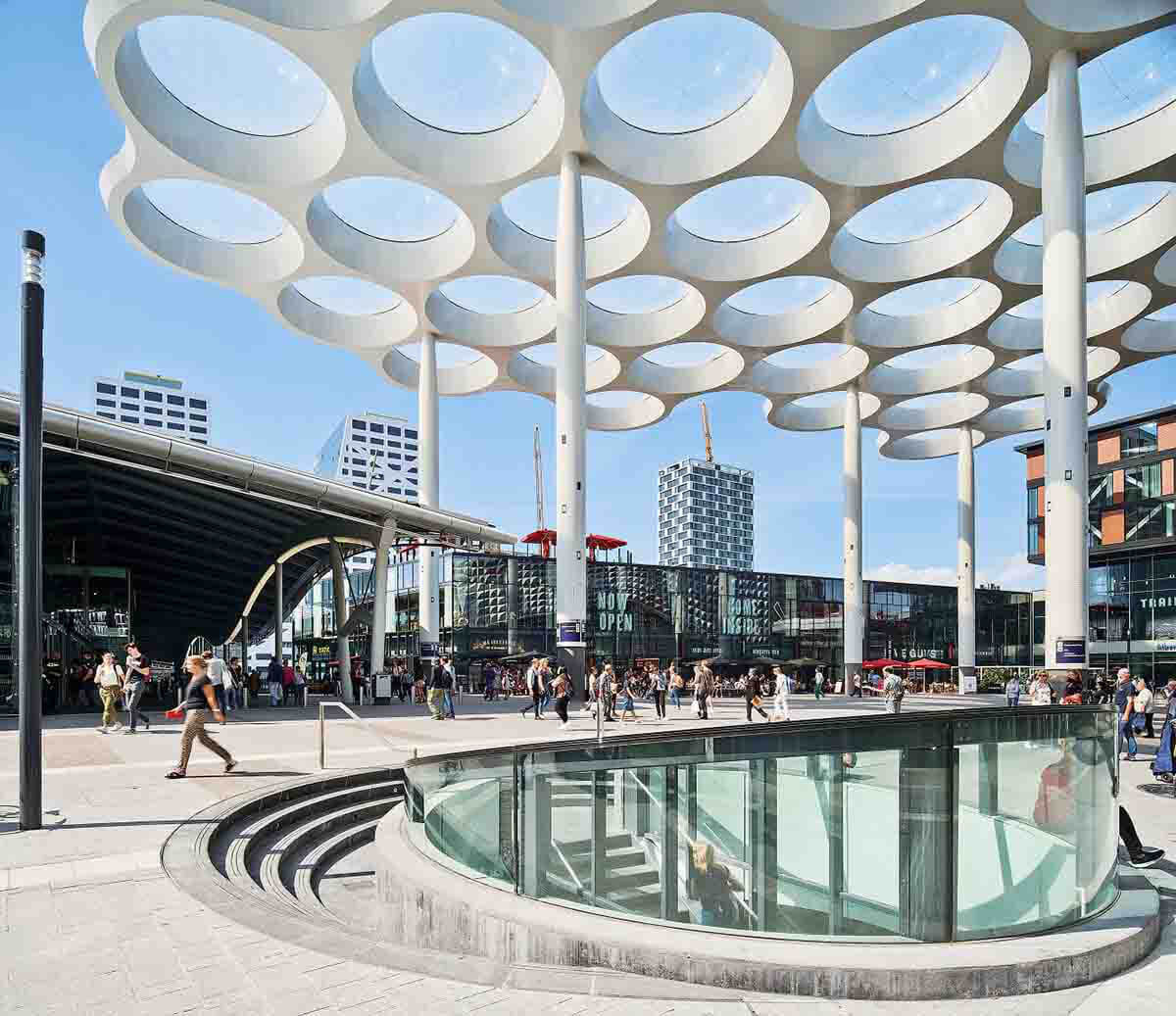
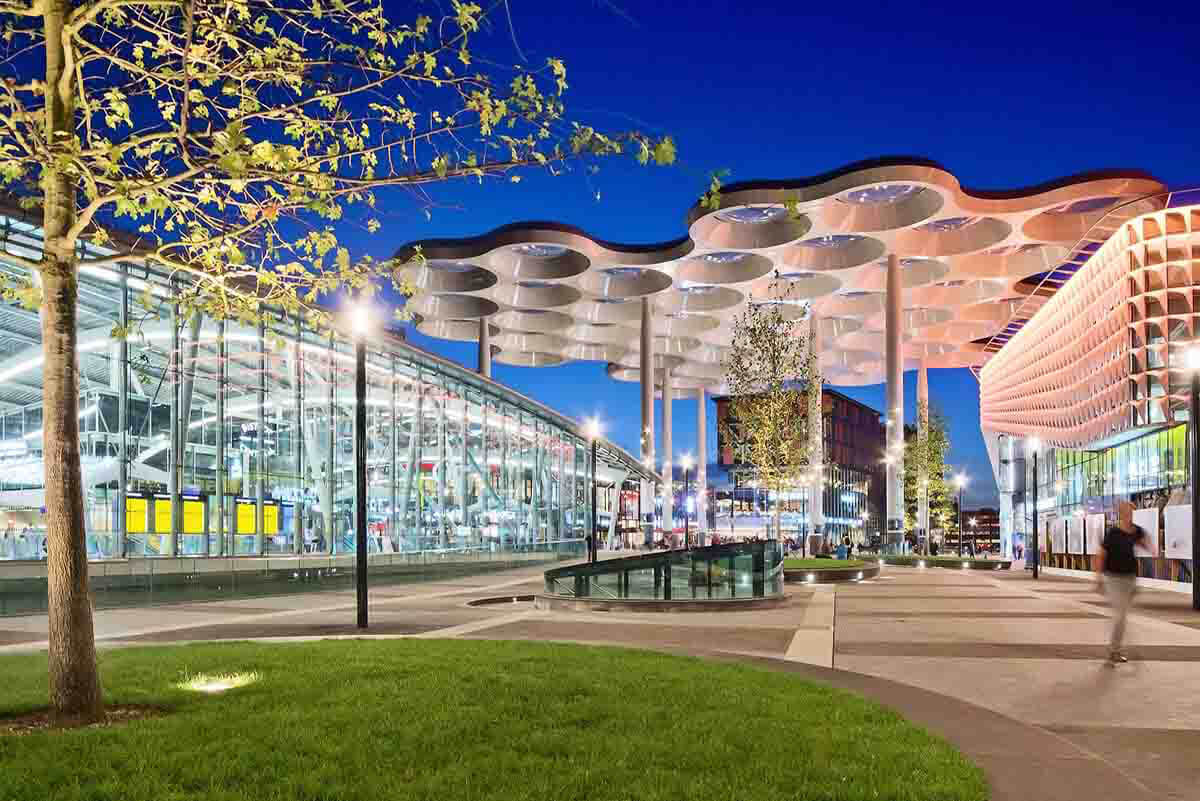
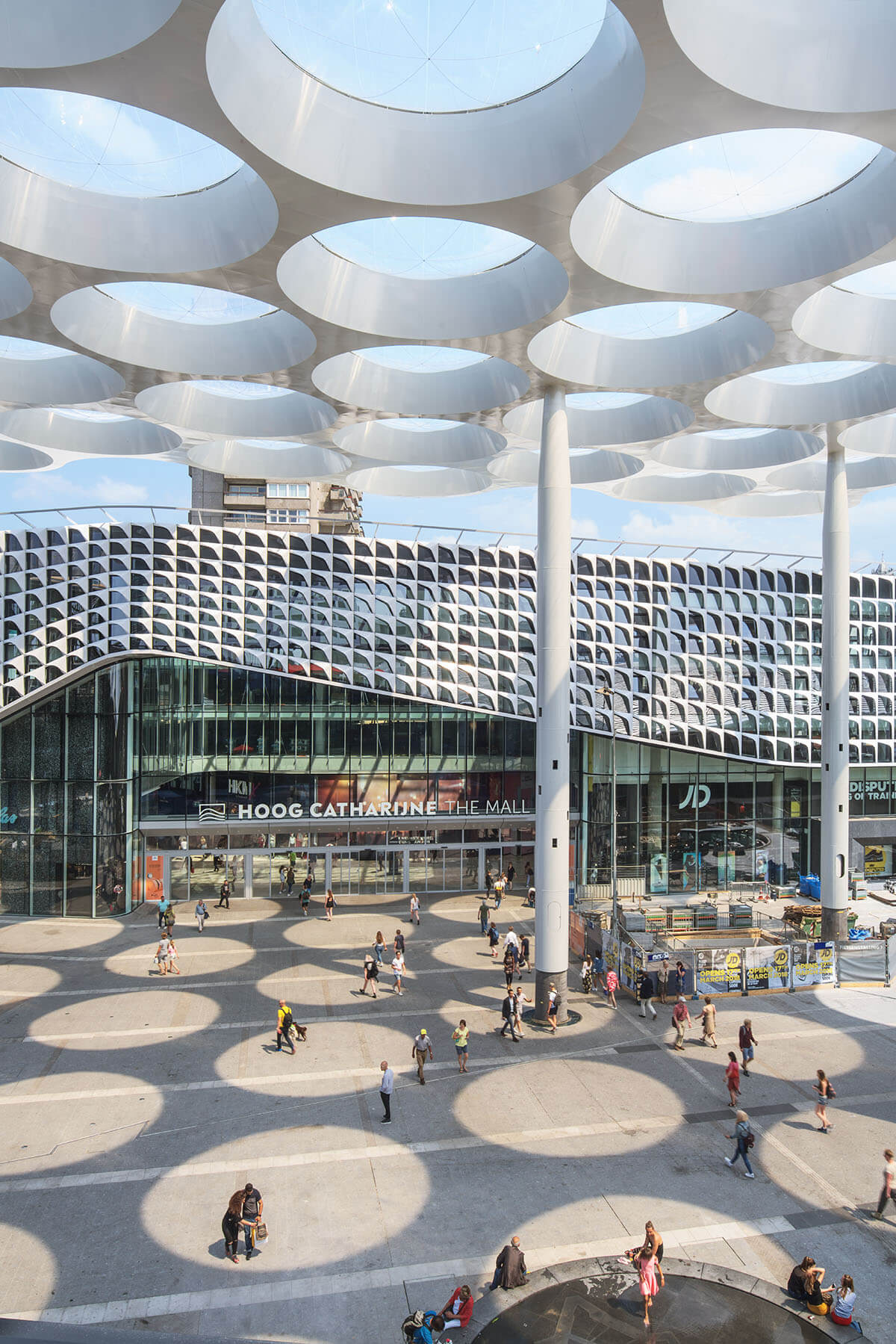
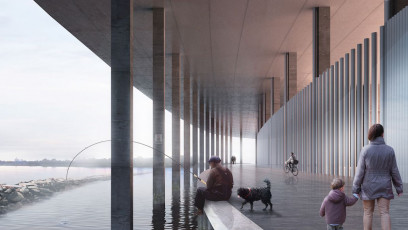
This new “Stati­ons­plein” (Stati­ons­allee), a street aimed mainly at pede­strians rises by means of 30 meter wide stair­cases, to a level of 6 meters to widen into a square where the entrances of both the station and the shop­ping mall are situated. An enormous iconic canopy marks the square and enables a dry crossing between the parts that before have always been connected.
Conve­ni­ence, speed and safety

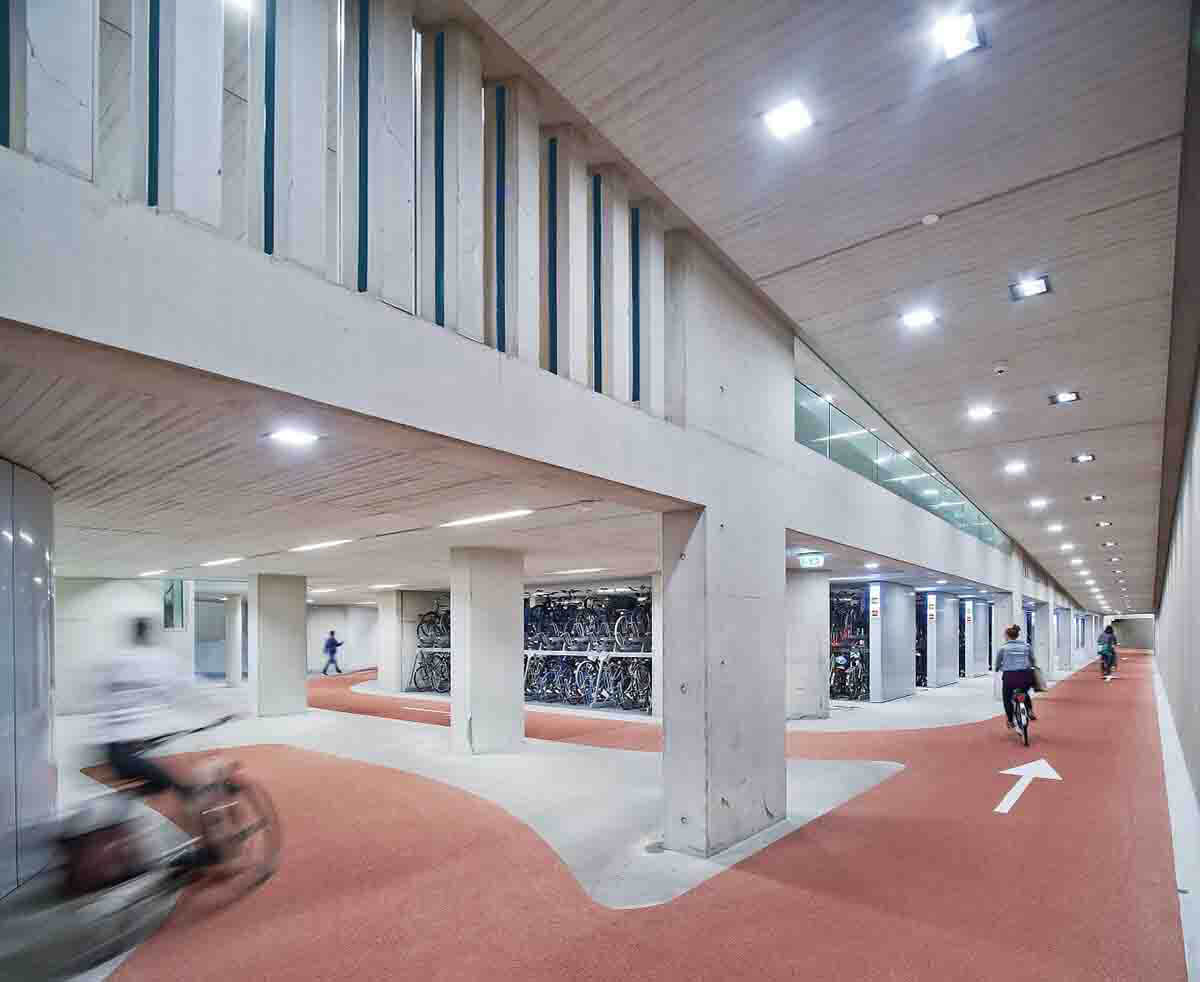
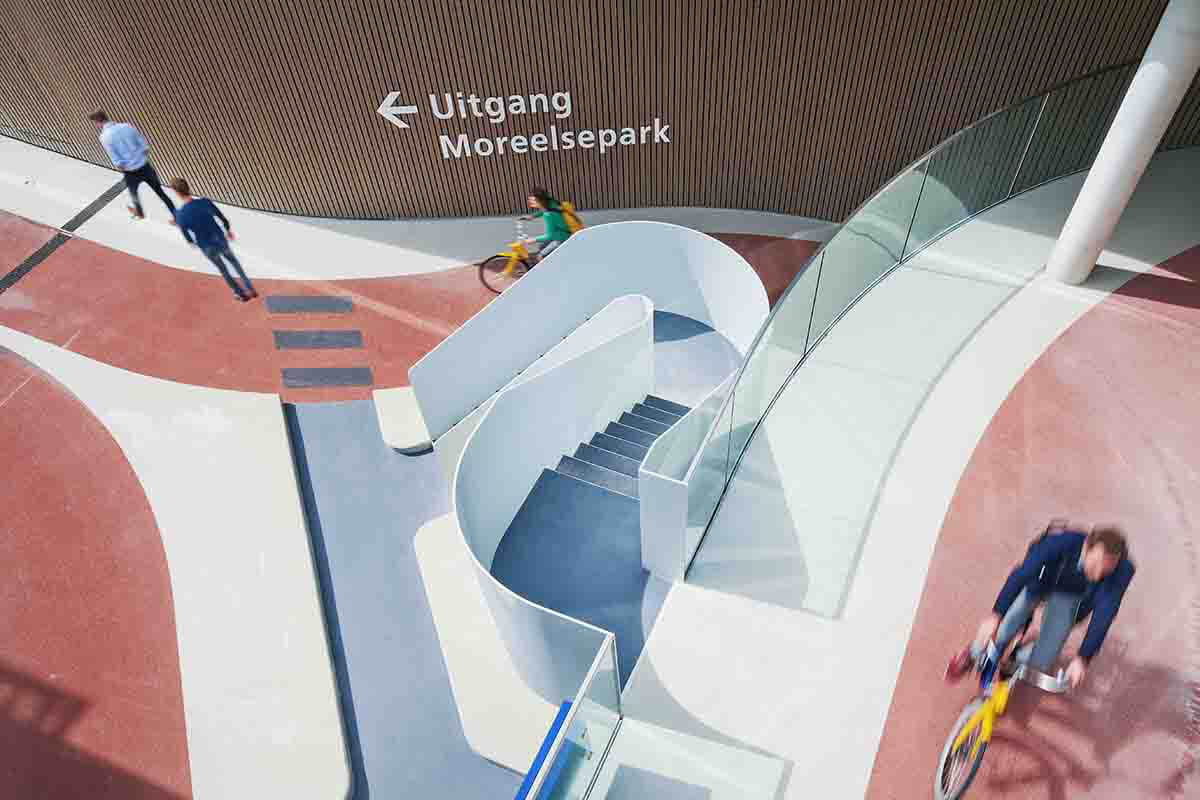
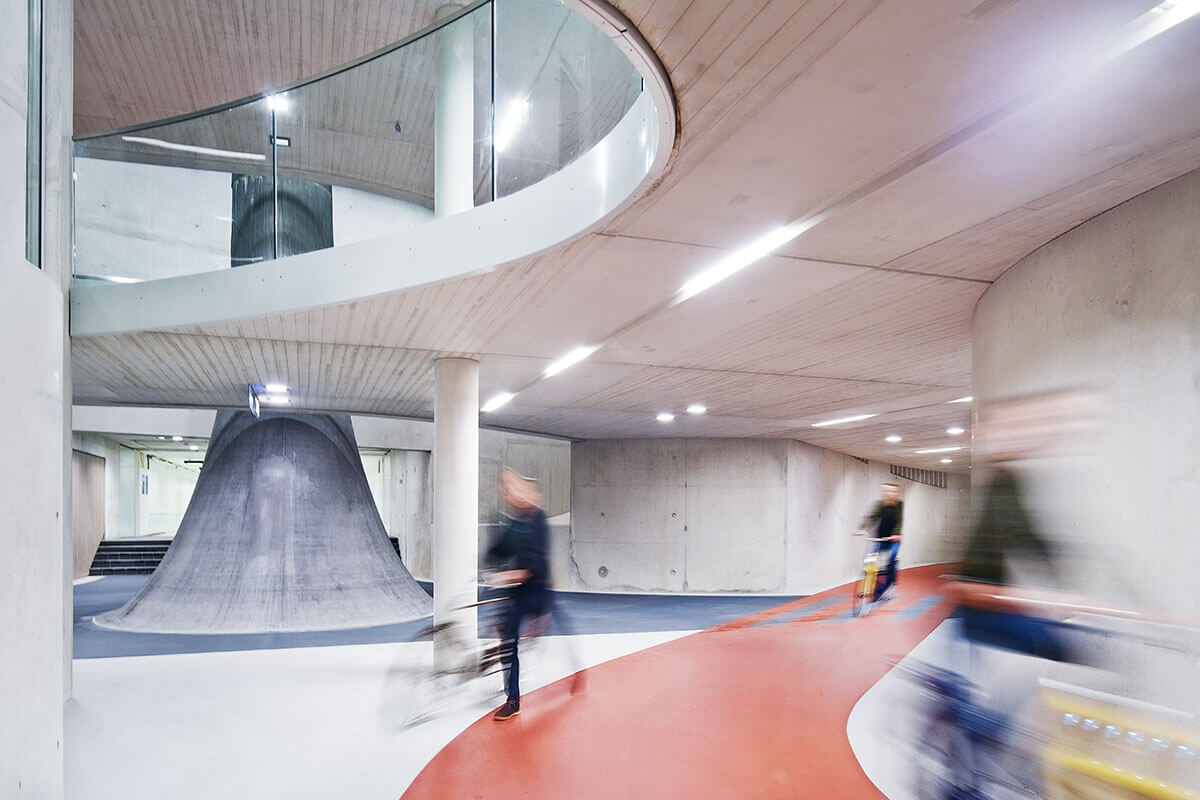
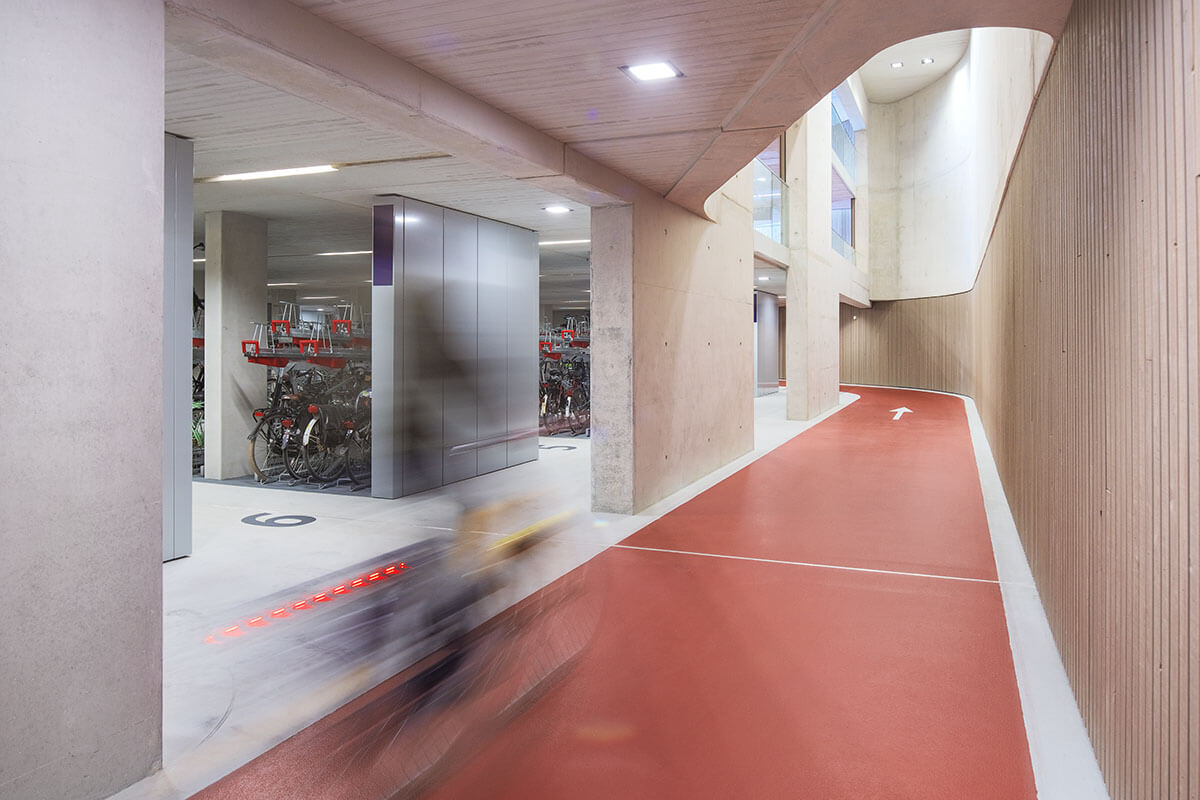
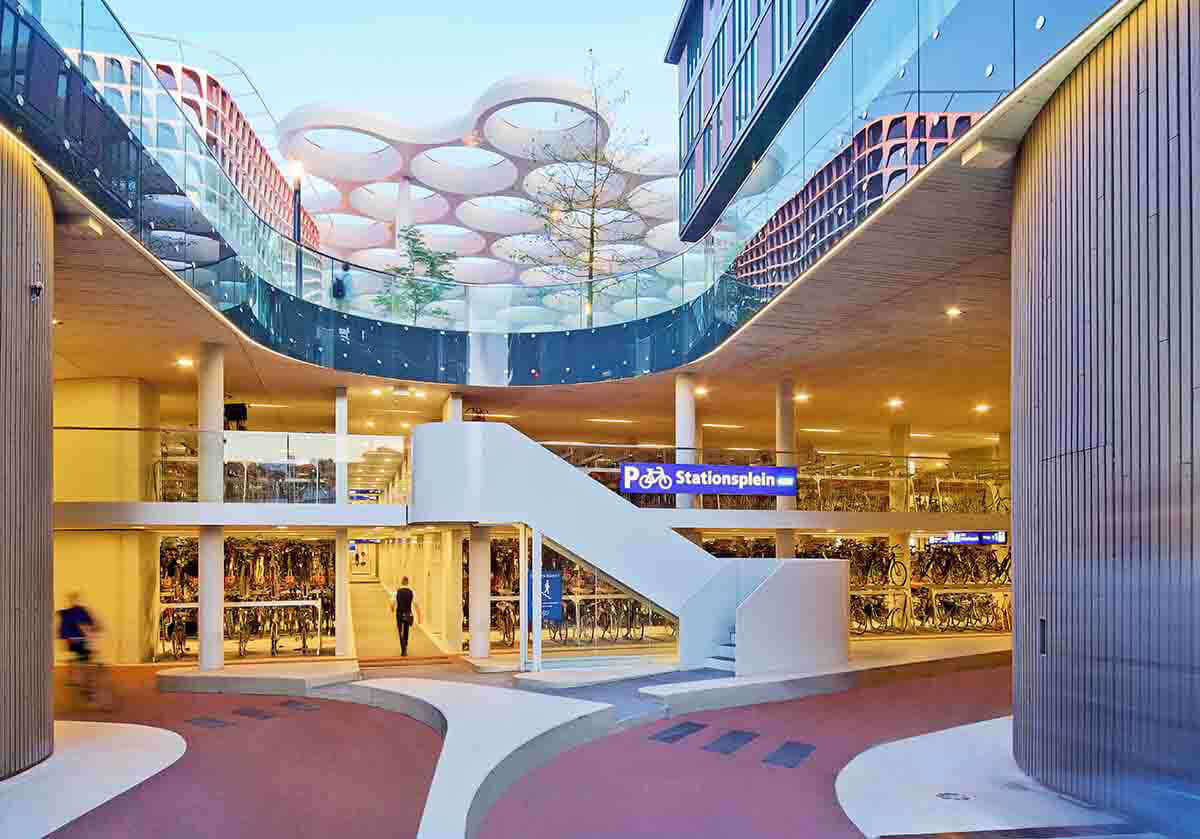
The three storey Bicycle parking Stati­ons­plein is situated under­neath the square. It has been desi­gned with three aims in mind:  conve­ni­ence, speed and safety. In order to achieve this in a faci­lity of this scale, cyclists are enabled to pedal all the way up to their parking slot. The parking lanes branch off the cycle paths, to ensure that users do not get in the way of cyclists passing through the system. Room for moun­ting and dismoun­ting is left along­side the cycling lanes. Mode­stly sloping ramps connect the parking areas on diffe­rent levels. The walls are colour-coded to indi­cate the routing, and elec­tronic signals indi­cate the posi­tion of free parking slots. Addi­tional faci­li­ties such as a cycle repair shop, a cycle rental outlet and several floor mana­gers meet users’ every need.

Connec­tion

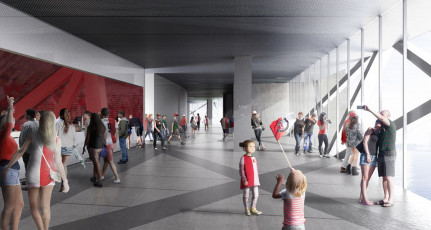
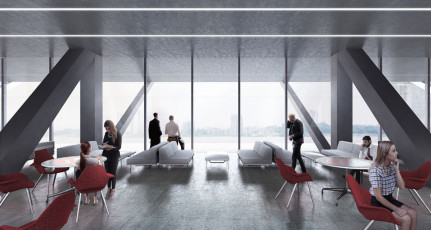
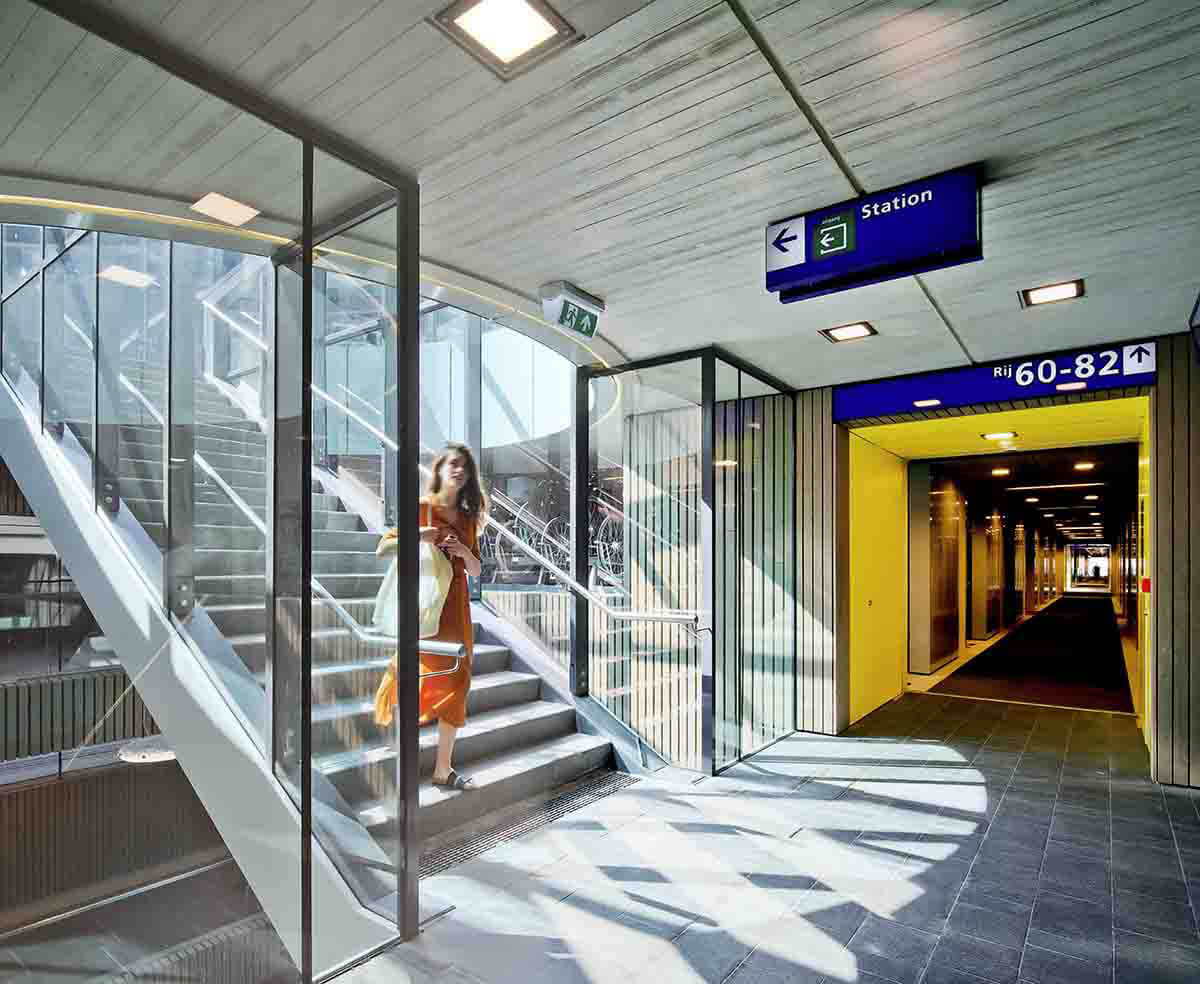
At Bicycle parking Stati­ons­plein, stair­wells and tunnels create direct connec­tions to the elevated square, the main terminal buil­ding and the plat­forms. Ensu­ring good orien­ta­tion and plenty of daylight, the stair­wells are located inside atria covered by glass roofs. Large windows in the outer walls allow users views toward the plat­forms and the bus terminal.

Mate­rials

Bicycle parking Stati­ons­plein uses durable mate­rials such as concrete, steel and chemi­cally treated wood. In combi­na­tion, these raw mate­rials create an atmo­sphere in the buil­ding that still feels warm and plea­sant. Three concrete columns supporting the giant canopy extend all the way down into the parking area. These trumpet-shaped elements have a diameter of 5 meters at floor level, falling to 1.2 m at the top, and each one is cast as a single element.

A new dimen­sion

Bicycle parking Stati­ons­plein is more than just infra­struc­ture. It adds an exci­ting and surpri­sing archi­tec­tural dimen­sion to the city. Cycling through the garage has become a unique expe­ri­ence; not just another part of ever­yday life in the city, but almost an attrac­tion in its own right.
The first phase of the project was opened in early August 2017, provi­ding room for 6,000 bicy­cles.

The cycle parking area was offi­ci­ally opened at 19 august 2019 and now has a world record capa­city of over 12,500 bikes.

Ector Hoog­stad Archi­tecten (in colla­bo­ra­tion with Sant&Co and Royal Hasko­ning DHV) won the commis­sion to design the project in a invited compe­ti­tion in 2011.

We did this.

Compa­nies involved and project data

Archi­tects

Ector Hoog­stad Archi­tecten
Hofplein 20, 24th floor, 
3032 AC, Rotterdam
Nether­lands

Project team: Joost Ector, Max Pape, Chris Arts, Stijn Rade­ma­kers, Gijs Sanders, Ralph Sijs­ter­mans, Lesley Bijholt, Romy Berntsen, Daniel Kees Bongers,

Land­scape design

Buro Sant en Co  

Cons­truc­tion manage­ment

Royal Hasko­ningDHV

Photo­graphs

Petra Appelhof

Built surface

21.500 m²

Address

Stati­ons­plein 7
3511 ED Utrecht
Netherlans

Opening

2019

Text

Ector Hoog­stad Archi­tecten

Visit our Blog

At “More Sports. More Archi­tec­ture.” you will find func­tional, spec­ta­cular and simply beau­tiful buil­dings and faci­li­ties for sports and leisure.

Bicycle parking Stati­ons­plein

Bicycle parking Stati­ons­plein

Histo­ri­cally, the Dutch have always been fervent cyclists. This enthu­siasm now brings us Bicycle parking Stationsplein,the world’s biggest bicycle parking.

Couch

Couch

A club­house as a meeting place for an entire district: MVRDV make tennis a trend sport.

Feye­noord City

Stronger by sports

Feye­noord City in Rotterdam

OMA

Situa­tion

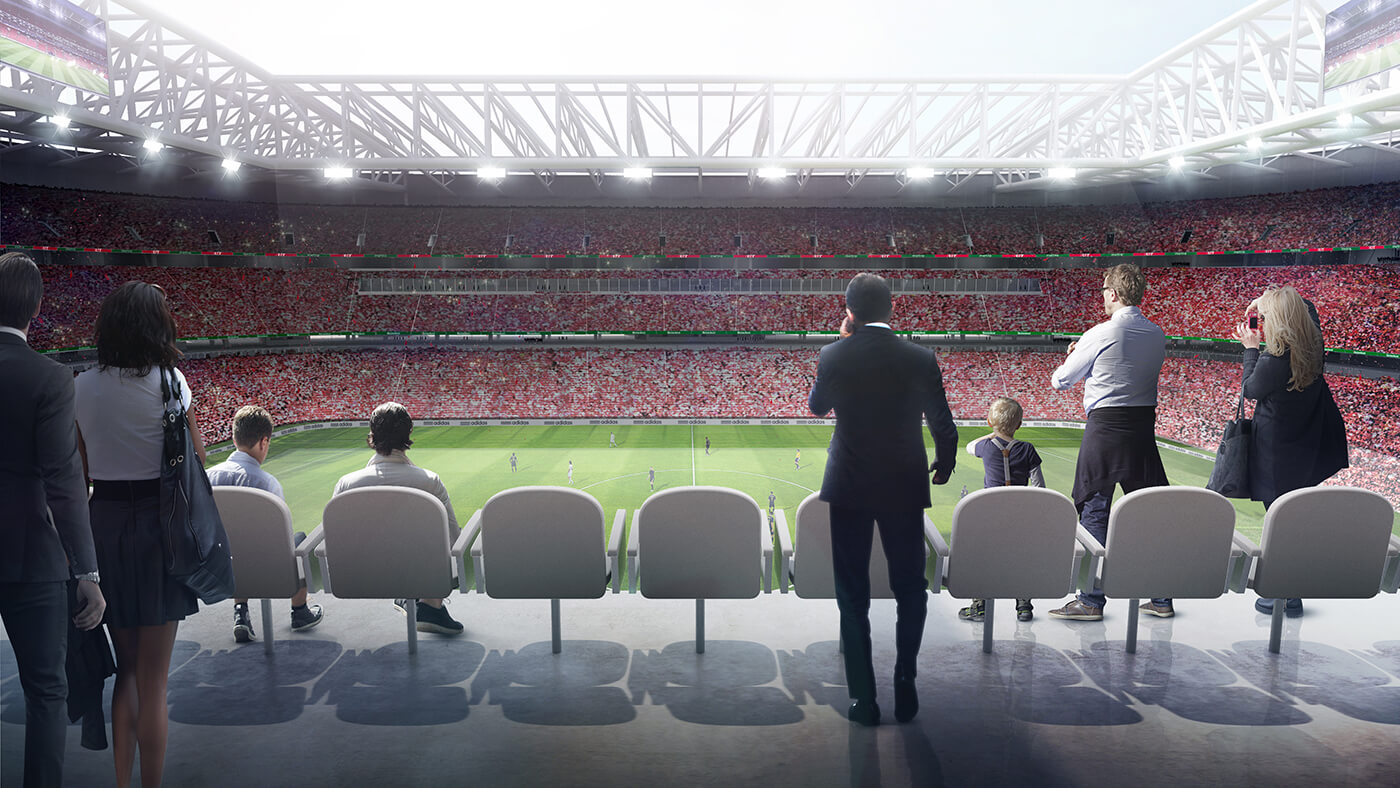
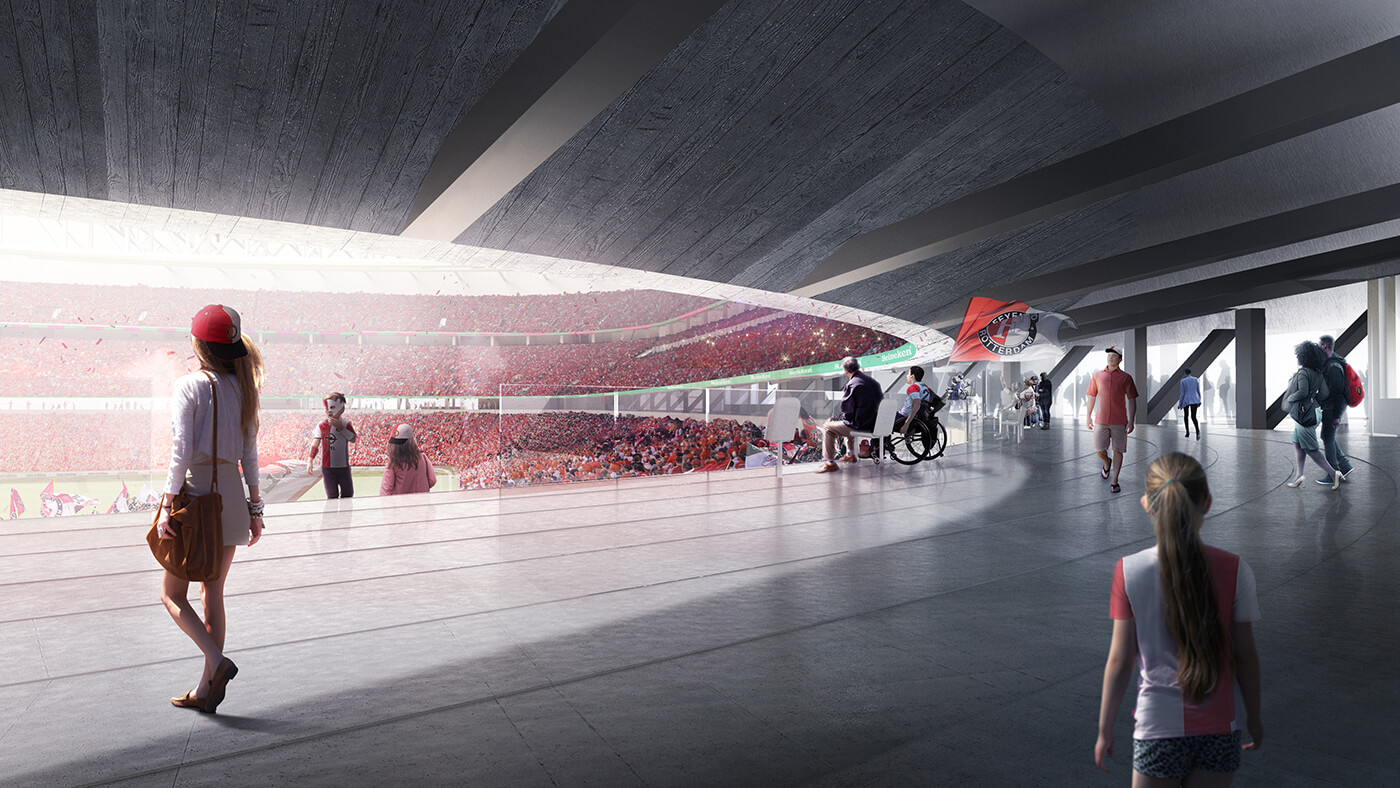
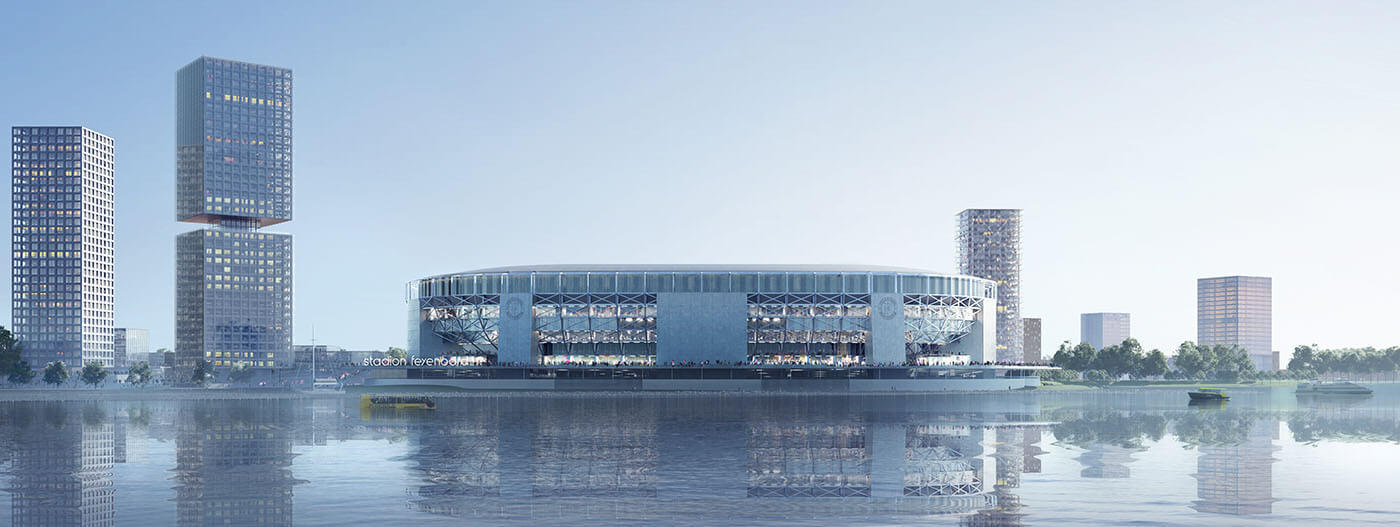
A histo­ri­cally signi­fi­cant stadium due to its distinc­tive design, with the oval stands posi­tioned close to the pitch so audi­ence and players are in inti­mate proxi­mity, De Kuip is known for its unique and intense atmo­sphere.

Built 80 years ago, the current stadium of Rotterdam-based foot­ball club Feye­noord no longer fulfills modern demands. To faci­li­tate the foot­ball club’s expan­ding ambi­tions both in the national and Euro­pean foot­ball leagues, multiple plans for a new and reno­vated stadium have been made and presented over the past decade, none of which received final appr­oval.

In 2016, Operatie NL, OMA and Feye­noord proposed a diffe­rent approach: the cons­truc­tion of a new stadium combined with the deve­lo­p­ment of the surroun­ding neigh­bor­hood.

Archi­tect

OMA
Office for Metro­po­lian Archi­tec­ture
Heer Bokelweg 149
3032 AD
Rotterdam
Nether­lands
 
Team:
David Gianotten, Kees van Casteren, Shinji Takagi
Andrea Taboc­chini, Andrew Keung, Aris Gkit­zias, Emma Lubbers, Hanna Jurkowska, Lex Lagen­dijk, Max Scherer, Stefano Campisi

Client & User

Feye­noord City Master­plan

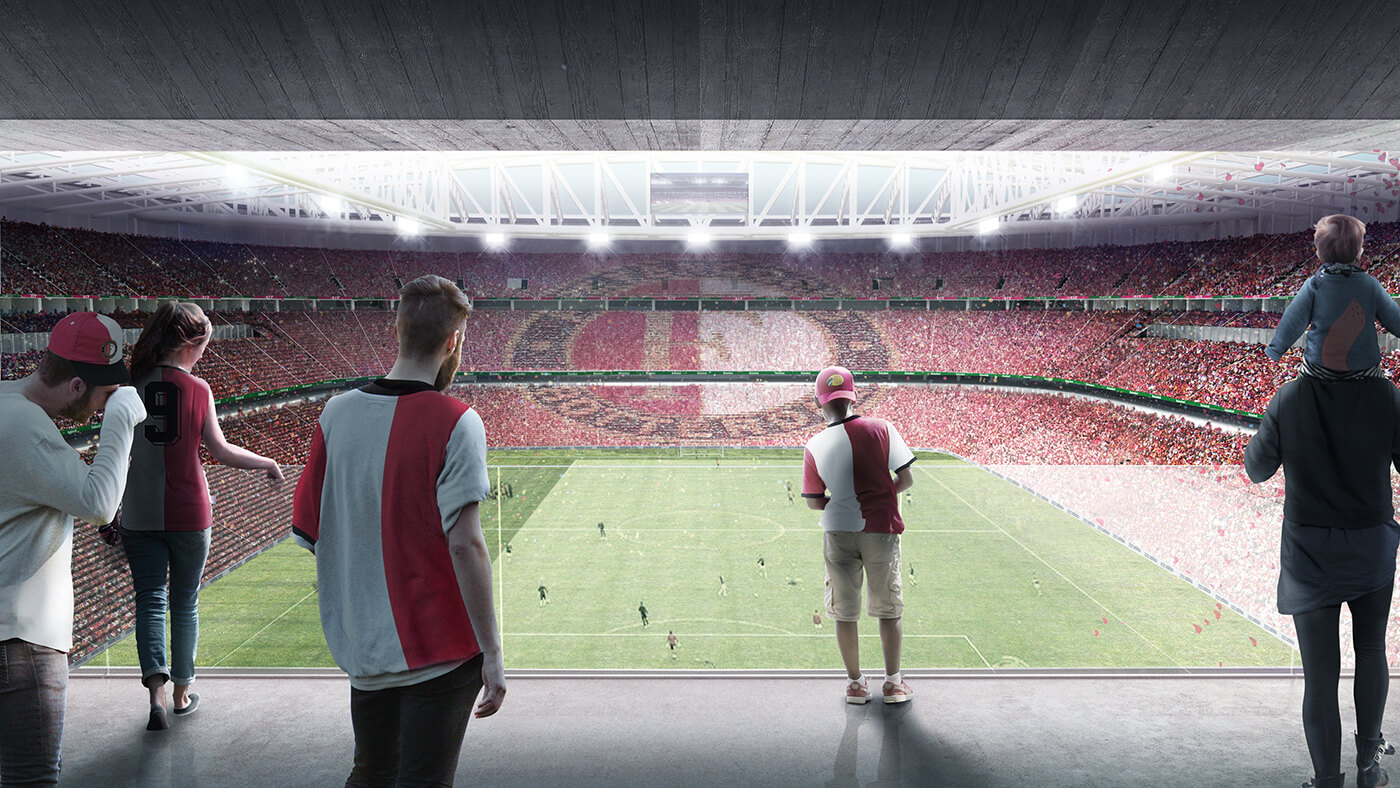
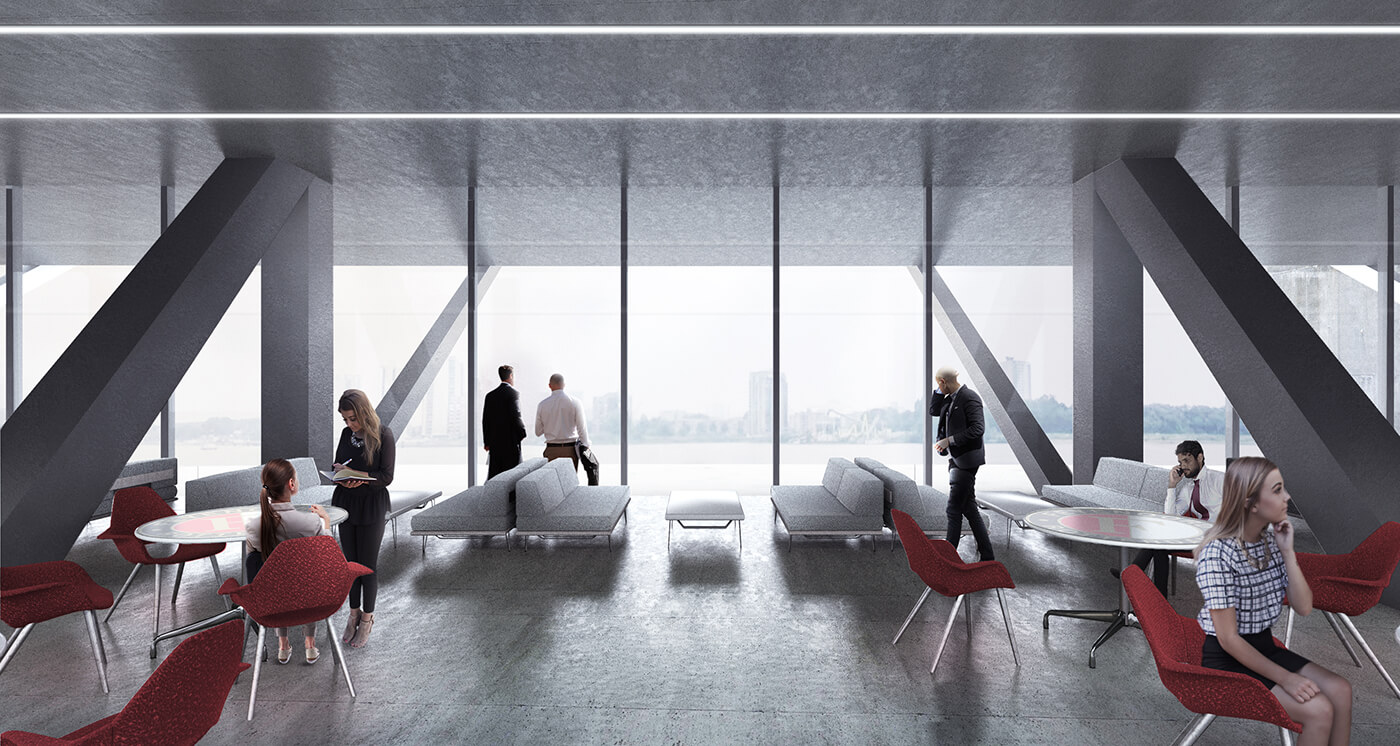
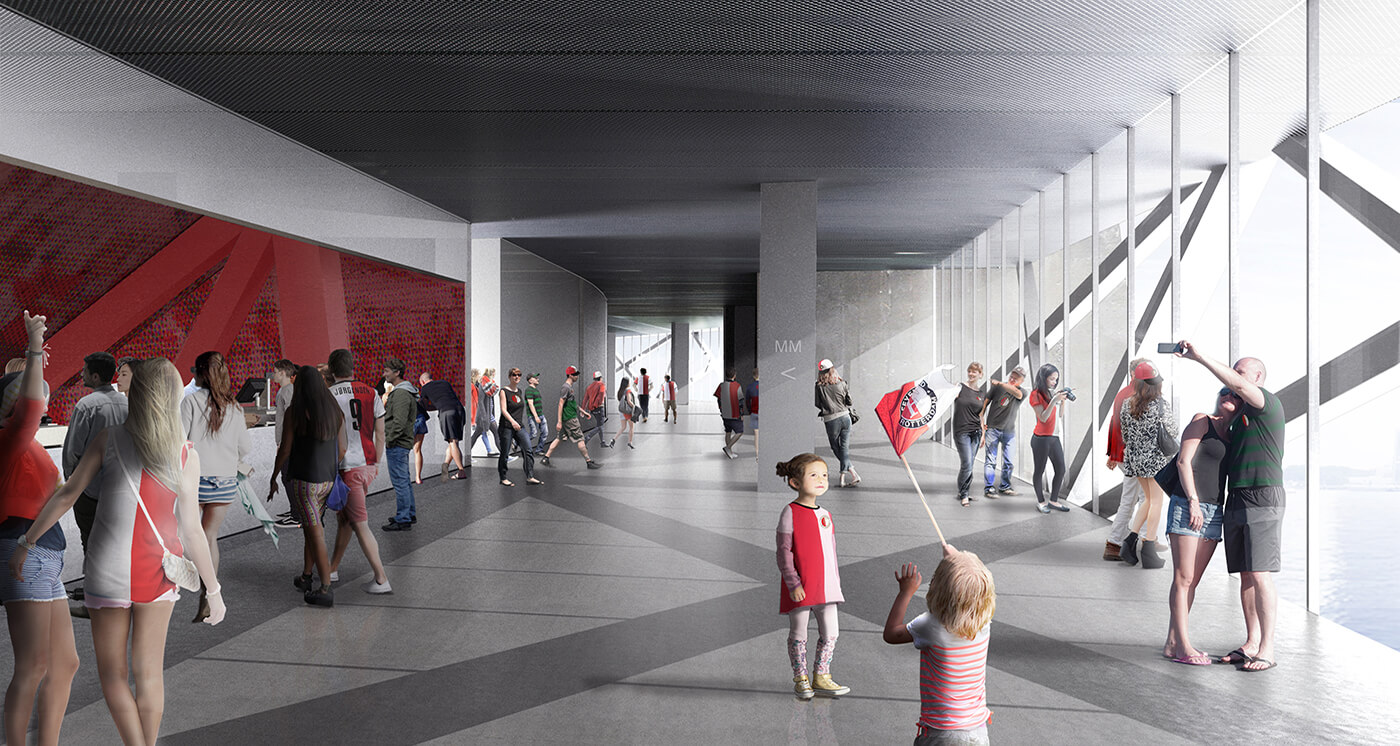
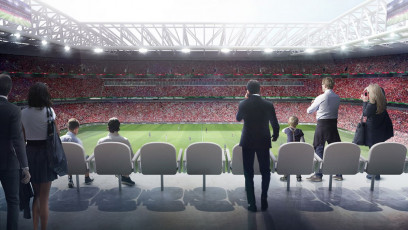
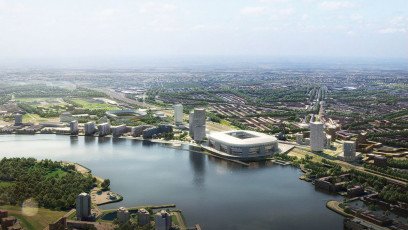
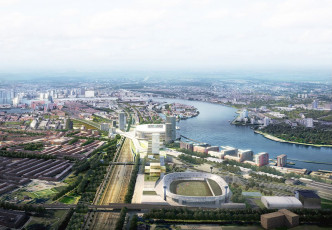
In colla­bo­ra­tion with the foot­ball club and the muni­ci­pa­lity of Rotterdam, OMA has deve­loped the Feye­noord City Master­plan, intro­du­cing a new 63,000-seat stadium that will func­tion as cata­lyst for the urban deve­lo­p­ment of Rotterdam Zuid, one of the neigh­bor­hoods of the city in need of reju­ve­na­tion and economic injec­tion. After careful conside­ra­tion of three poten­tial project sites, a loca­tion at the water­front, northwest to the neigh­bor­hood De Veranda, was selected.

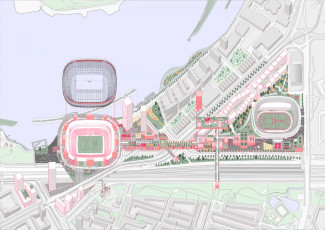
OMA’s master­plan for Feye­noord City consists of five main elements: a new and larger stadium for Feye­noord, reno­va­tion of De Kuip, and deve­lo­p­ment of the Urban Bridge, the Strip and the Kuip Park.

Old vs. new

Address

Feye­noord Stadium
Van Zandvliet­plein 1
3077 AA Rotterdam
Nether­lands

Aerial view

De Kuip

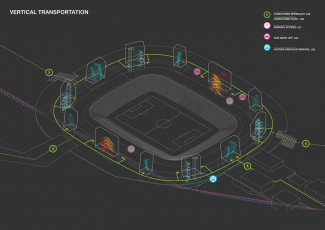
The current stadium De Kuip is to be reno­vated and rede­ve­loped into apart­ments, commer­cial space, an athle­tics sports center and a public square. The area surroun­ding the stadium, de Kuip Park, will offer green space for sports and leisure acti­vi­ties as well as resi­den­tial units.

De Strip, a three-dimen­sional pede­strian walkway, will connect the old stadium with the new stadium and include new public and commer­cial space as well as parking faci­li­ties. Addi­tio­nally, Feye­noord City will be connected to the Laan op Zuid through The Urban Bridge, a prome­nade for slow traffic.

Feed­back

6 + 2 =

Parti­ci­pa­tion

Located between the river Maas, the railway and the highway, the stadium is posi­tioned at an infra­struc­tural node, ensu­ring acces­si­bi­lity by car, bus and public trans­port. The new infra­struc­ture and stadium deve­lo­p­ment is accom­pa­nied by an exten­sive social program with sports at its core.

Feye­noord will set up a new multi sports club for the resi­dents of Rotterdam Zuid, and coope­rate with the surroun­ding neigh­bor­hoods to encou­rage sports parti­ci­pa­tion.

Opening

2024

Photos & illus­tra­tions

OMA
Frans Parthe­sius, Cour­tesy of OMA

Text

OMA

Program

In total, the program of Feye­noord City consists of 255.000m² housing; 64.000m² commer­cial space inclu­ding a new cinema, restau­rants, hotels, and shops and 83.000m² public program inclu­ding a sports expe­ri­ence centre and sports fields.

Besides provi­ding a new home to foot­ball club Feye­noord and reno­vating De Kuip for future uses, OMA’s Feye­noord City master­plan aims to spark the rede­ve­lo­p­ment of Rotterdam Zuid, acti­vate its water­front and to recon­nect this part of the city to the surroun­ding neigh­bor­hoods.

Video

Your project

Are you in need of support when publi­shing your projects?

projects@moresports.network

Or give us a call:

0049 234 5466 0374

PHOTOS

PLANS

What our part­ners say

About us

More Sports Media

Johannes Bühl­be­cker, founder

Johannes Bühl­be­cker is an archi­tect and has worked, among others, for Inter­na­tional Asso­cia­tion for Sports and Leisure Faci­li­ties (IAKS) for 15 years – as edito­rial director of the renowned trade maga­zine “sb”, in the orga­ni­sa­tion and reali­sa­tion of inter­na­tional archi­tec­tural compe­ti­tions with IOC and IPC, in trade fairs and conven­tions, as head of the “NRW Bera­tungs­stelle Sport­stätten“ (“NRW Advice Centre for Sports Faci­li­ties”) and as a lecturer at the German Sport Univer­sity Cologne.

  • Dipl.-Ing. (engi­nee­ring degree) Archi­tect, TU Berlin
  • Long­time edito­rial head with “sb”, an inter­na­tional journal for the archi­tec­ture of sports
  • Trai­ning in web design, online marke­ting, etc.
  • Inter­na­tional archi­tec­tural compe­ti­tions with IOC and IPC
  • Trade fair and congress orga­ni­sa­tion
  • Head of the “NRW Bera­tungs­stelle Sport­stätten“ (“NRW Advice Centre for Sports Venues”)
  • Lecturer at the German Sport Univer­sity Cologne
  • Plan­ning of the Prus­sian Stadium in Münster (for groß­mann engi­neers, Göttingen)
  • Replan­ning a foot­ball stadium in Berlin-Köpe­nick
  • Nume­rous publi­ca­tions, i.a. “From Round Leather to Soap Bubbles – The Deve­lo­p­ment of Foot­ball and its Archi­tec­ture”
  • Board member and youth coach at SV BW Weitmar 09

Contact

Phone

+(49) 234 5466 0374

Mail

contact@moresports.network

Address

More Sports Media
Am Weit­kamp 17
D‑44795 Bochum

Visit us at Insta­gram

Couch

Couch with a view

The club­house of IJburg Tennis Club

Ijburg

The Couch is the new club house of IJburg Tennis Club in a new district to the east of Amsterdam. On its six arti­fi­cial islands, 18,000 homes will be even­tually be built for 45,000 resi­dents. At present, the district holds just 16,000 of these inha­bi­tants. There are many initia­tives to attract people to the area, such as the beach at Blij­burg aan Zee, and the newly formed IJburg Tennis Club itself. The tennis club, curr­ently with 1,100 members, has 10 clay courts and a tennis school. The Couch is the centre of the club’s acti­vi­ties. The zoning for the area allowed space for a tennis club, but a buil­ding could not be built quick enough, and so the courts were made and a tempo­rary faci­lity installed.

Acces­sible icon

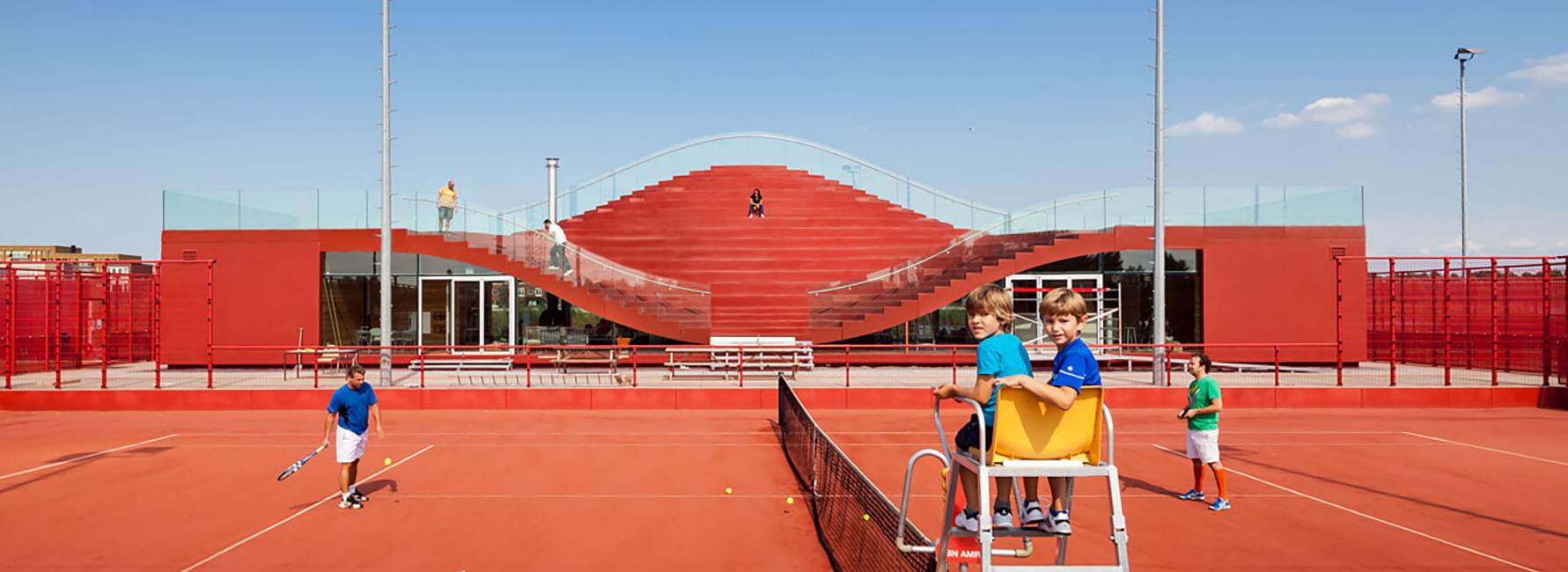
MVRDV’s design filled the gap with an iconi­cally func­tional buil­ding. The Couch provides both a viewing plat­form and a club over­loo­king the water. The aim of the club is to be as acces­sible as possible, meaning that it is open to the public, free of charge, 365 days a year. Not a private club, but a meeting place for young and old, where you can grab a coffee and a healthy snack, or meet with friends, or even just check your emails. MVRDV’s chall­enge was to create a buil­ding that works as a central gathe­ring for the area. A living room for IJburg, where the buil­ding becomes a part of the commu­nity like piece of street furni­ture.

Archi­tect

MVRDV
Achter­klooster  7
NL – 3011 RA Rotterdam 

Team

Winy Maas, Jacob van Rijs, Nathalie de Vries
Renske van der Stoep, Pepijn Bakker, Arjen Ketting, Sanne van der Burgh, Cris­tina Gonzalo, Rosa Rogina

Studio Bouwhaven, Baren­d­recht

Client

TC IJburg
Amsterdam
Nether­lands

Photo­graph

Daria Scagliola & Stijn Brakkee

Author

MVRDV

Opening

2015

Address

Tennis­club IJburg
Zandzeg­ge­straat 1
NL-1087 SL Amsterdam

Aerial view

Thank you, Google!

Site plan + ground plan

The roof dips down

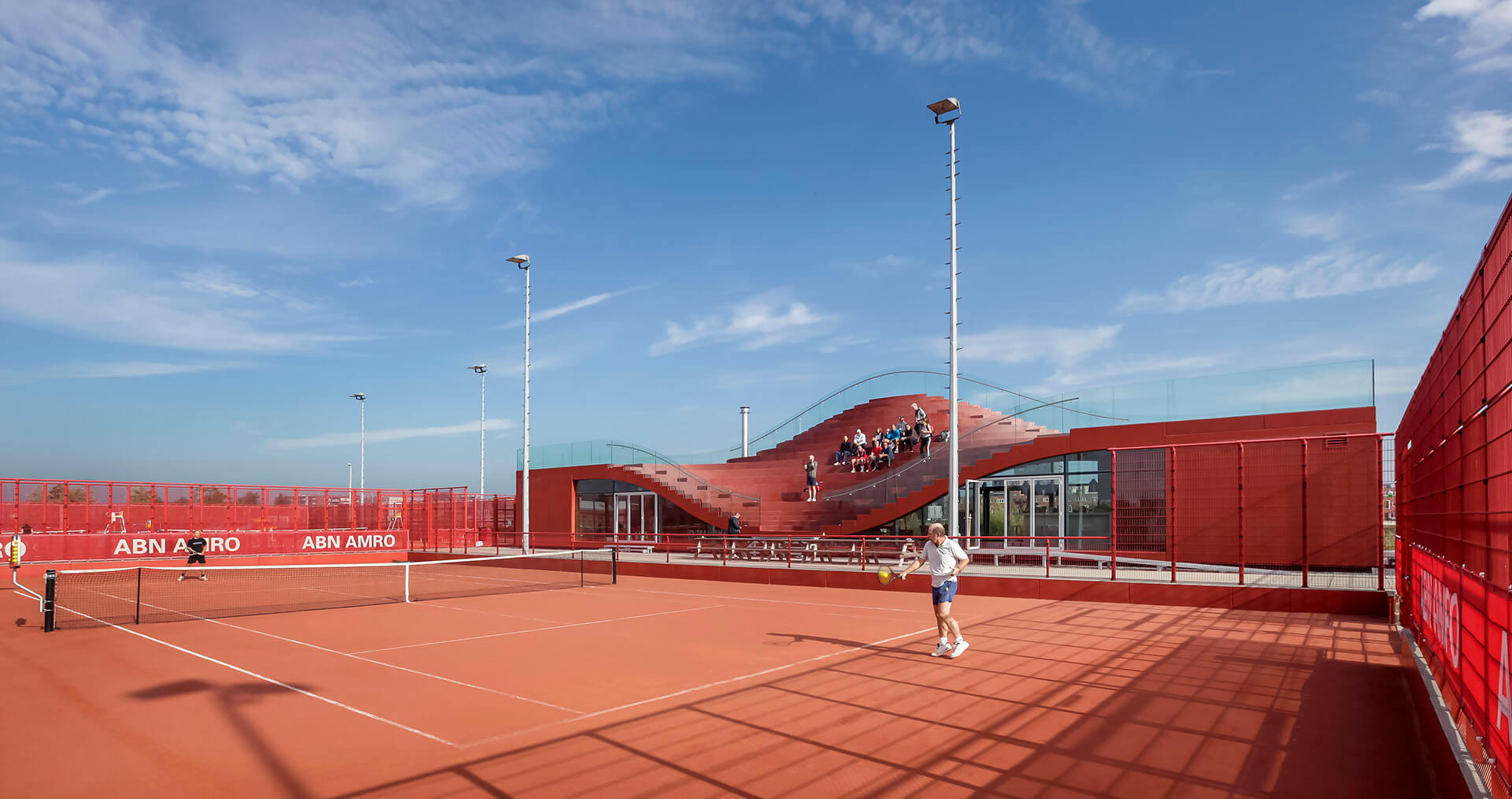
The club house is a long open volume with services on either side such as dres­sing rooms, a kitchen, storage and toilets. The main space is multi­func­tional, so it can be used for the club’s many events. The roof dips down towards the south side and is raised towards the north up to a height of seven metres, crea­ting an informal grand­stand for the club.  The wide glass front to the north side allows exten­sive natural lighting and provides a view out over the waters of the IJ-lake.

Inside the Couch

Inside the club house, the concrete cons­truc­tion is clad with FSC-certi­fied wood, with the outside fully sealed with an EPDM polymer hotspray in the same colour and texture as the clay tennis courts. The reduced glass surface to the south helps to cool the buil­ding. The thermal mass charac­te­ristics of the mate­ria­li­sa­tion in concrete and wood are used to reach a high degree of energy effi­ci­ency. The buil­ding is heated with district heating made effi­cient by a heat exch­ange system. In summer there will be natural venti­la­tion, adding to the ambi­tious sustaina­bi­lity profile of the struc­ture.

A club­house as a meeting place for an entire district: MVRDV make tennis a trend sport.

Images

GDPR Cookie Consent with Real Cookie Banner