Forest Green Rovers Eco Stadium

Knock on wood

​Forest Green Rovers Eco Stadium

Zaha Hadid Archi­tects

Situa­tion

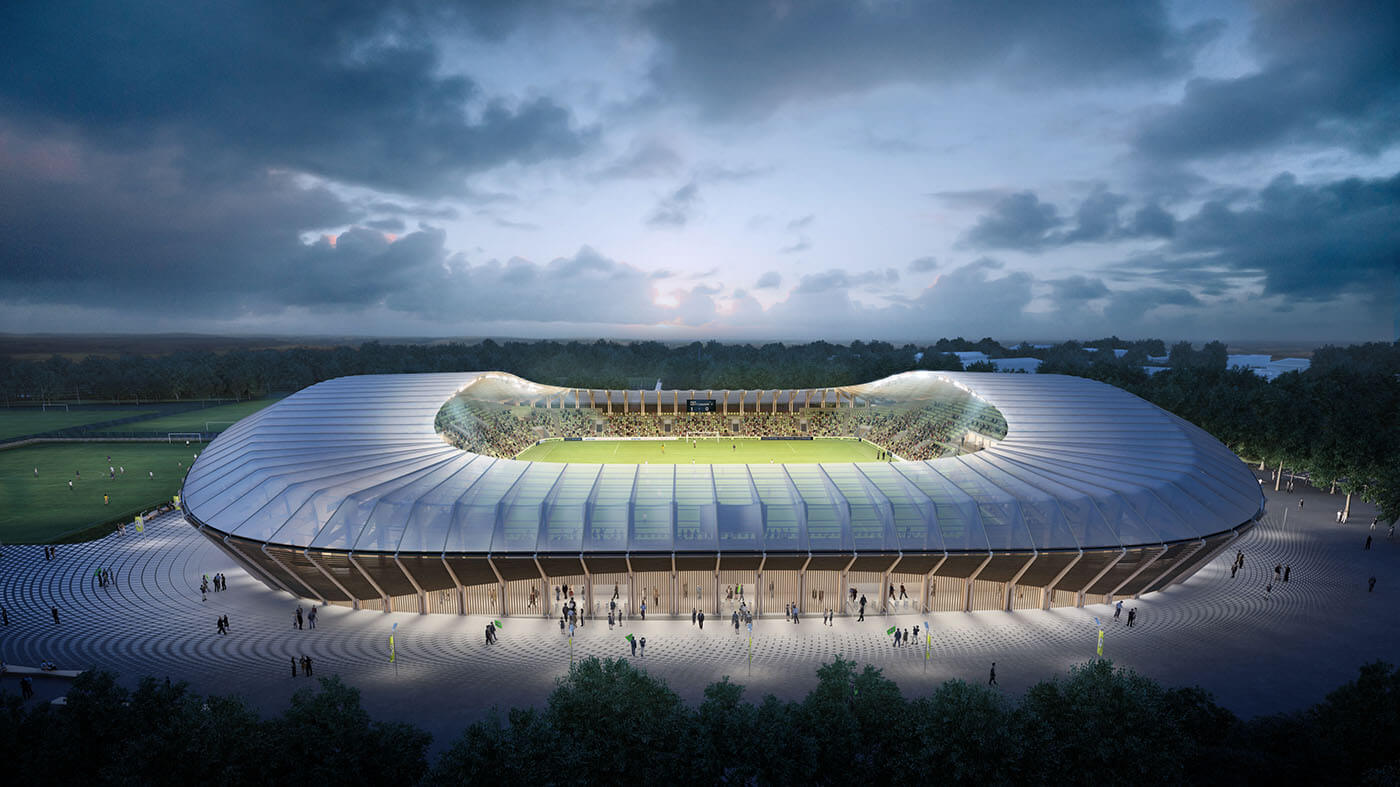
The Forest Green Rovers Eco Stadium is to become more than just a stadium. Users Forest Green Rovers are the ” gree­nest foot­ball club in the world “, their presi­dent is Dale Vince, the founder of Ecot­ri­city. The stadium will be the centre­piece of the £100 million, 40-hectare sports and green tech­no­logy park deve­lo­p­ment funded by Ecot­ri­city.

The Green Rovers Eco Stadium was desi­gned by Zaha Hadid Archi­tects, and their inte­rest in explo­ring new forms, mate­rials and tech­no­lo­gies is – proven.

However, at the moment there is not much that indi­cates that this ambi­tious project will become reality.

Vision

Forest Green Rovers have estab­lished a holi­stic vision for the site to retain its pastoral quali­ties whilst adding new faci­li­ties for the town.

While the stadium will be the centre­piece, the project creates a new public realm with both recrea­tional and occu­pa­tional uses, enab­ling the entire site to contri­bute to the town – not only on match days, but every day of the year.

Design

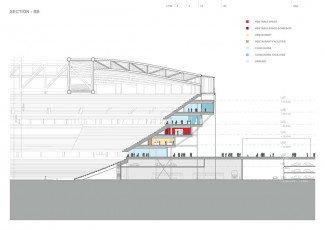
The design retains and enhances the exis­ting meadow land­scape of the site whilst adding the stadium and other func­tions for the town. Embo­dying low carbon cons­truc­tion methods and opera­tional processes, it will be the first all timber foot­ball stadium with almost every element made of sustain­ably sourced timber inclu­ding its struc­ture, roof canti­le­vers and louvered clad­ding.

As a buil­ding mate­rial, timber is highly durable, recy­clable and beau­tiful. The proxi­mity of the stadium’s struc­tural elements to each other has also been deter­mined to enable the seating terraces and floor slab to be made from timber. In most other stadiums, these elements are concrete or steel.

The stadium’s roof is covered with a trans­pa­rent membrane, which contri­butes to turf growth, mini­mizes stark shadows for players and fans and reduces the volu­metric impact of the stadium from distant views in the surroun­ding land­scape.

Atmo­sphere

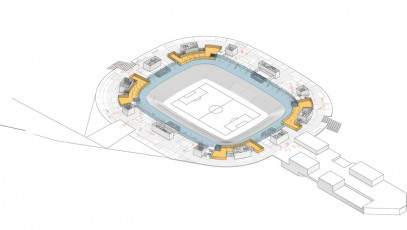
With the team’s commu­nity and supporters at its core, fans will be as close as five meters from the pitch and the posi­tion of every seat has been calcu­lated to provide excel­lent, unrest­ricted views of the entire field of play. The stadium’s conti­nuous spec­tator bowl surroun­ding the pitch will maxi­mise matchday atmo­sphere.

The stadium’s design incor­po­rates the club’s future growth. Initi­ally for 5,000 spec­ta­tors, incre­asing to 10,000 with the club’s success, expan­sion from phase 1 to phase 2 can be achieved without the costs of major cons­truc­tion works.

Carbon

Forest Green Rovers’ new stadium and Eco Park aims to be carbon neutral or carbon nega­tive, inclu­ding measures such as the provi­sion of on-site rene­wable energy gene­ra­tion.

Dale Vince, Ecot­ri­city founder and Forest Green Rovers chairman, said: “The really standout thing about this stadium is that it’s going to be almost enti­rely made of wood – the first time that will have been done anywhere in the world.

“The importance of wood is not only that it’s natu­rally occur­ring, it has very low embo­died carbon – about as low as it gets for a buil­ding mate­rial.

“And when you bear in mind that around three quar­ters of the life­time carbon impact of any stadium comes from its buil­ding mate­rials, you can see why that’s so important – and it’s why our new stadium will have the lowest embo­died carbon of any stadium in the world.

Eco Park

Half of Eco Park will consist of state-of-the-art sporting faci­li­ties, inclu­ding the new stadium, grass and all-weather trai­ning pitches, publicly acces­sible multi-disci­pli­nary faci­li­ties, and a sports science hub.

The other half will comprise a green tech­no­logy busi­ness park with sustain­ably built commer­cial offices and light indus­trial units, giving Eco Park the poten­tial to create up to 4,000 jobs, inclu­ding room for the continued expan­sion of green energy company Ecot­ri­city, who have submitted the overall proposal and who are already the biggest employer in Stroud with 700 people located across four sites.

The proposal will also see the deve­lo­p­ment of a nature reserve on the site, a poten­tial public trans­port hub, inclu­ding a Stroud Park and Ride, as well as help with the resto­ra­tion of the Stroud­water canal.

Local parish coun­cils initi­ally endorsed the entire project, but rejected it in the summer of 2019.

Whether and how things will continue is curr­ently comple­tely uncer­tain. A shame.

We did this.

Project data and compa­nies involved

Archi­tect

Zaha Hadid Archi­tects (ZHA)

Zaha Hadid, Patrik Schu­ma­cher, Jim Heverin, Sara Klomps, Kart­hi­keyan, Aruna­chalam, Sara Akbari, Muriel Boselli, Avery Chen, Saman Dadgo­star, Cynthia Du, Paulo Flores, Fabian Hecker, Jakub Klaska, Vincent Konaté, Igor Pantic, Edgar Payan, Sven Torres, Theodor Wender, Richard Wase­n­egger

Address

Forest Green Rovers Foot­ball Club
The New Lawn Stadium Another Way
Nails­worth GL6 0FG
Verei­nigtes König­reich

Videos

Our Blog

Forest Green Rovers Eco Stadium

Forest Green Rovers Eco Stadium

Zaha Hadid Archi­tects are buil­ding an all wooden stadium for the “gree­nest foot­ball club in the world” (FIFA). And maybe not.

Our News­letter

Feye­noord City

Stronger by sports

Feye­noord City in Rotterdam

OMA

Situa­tion

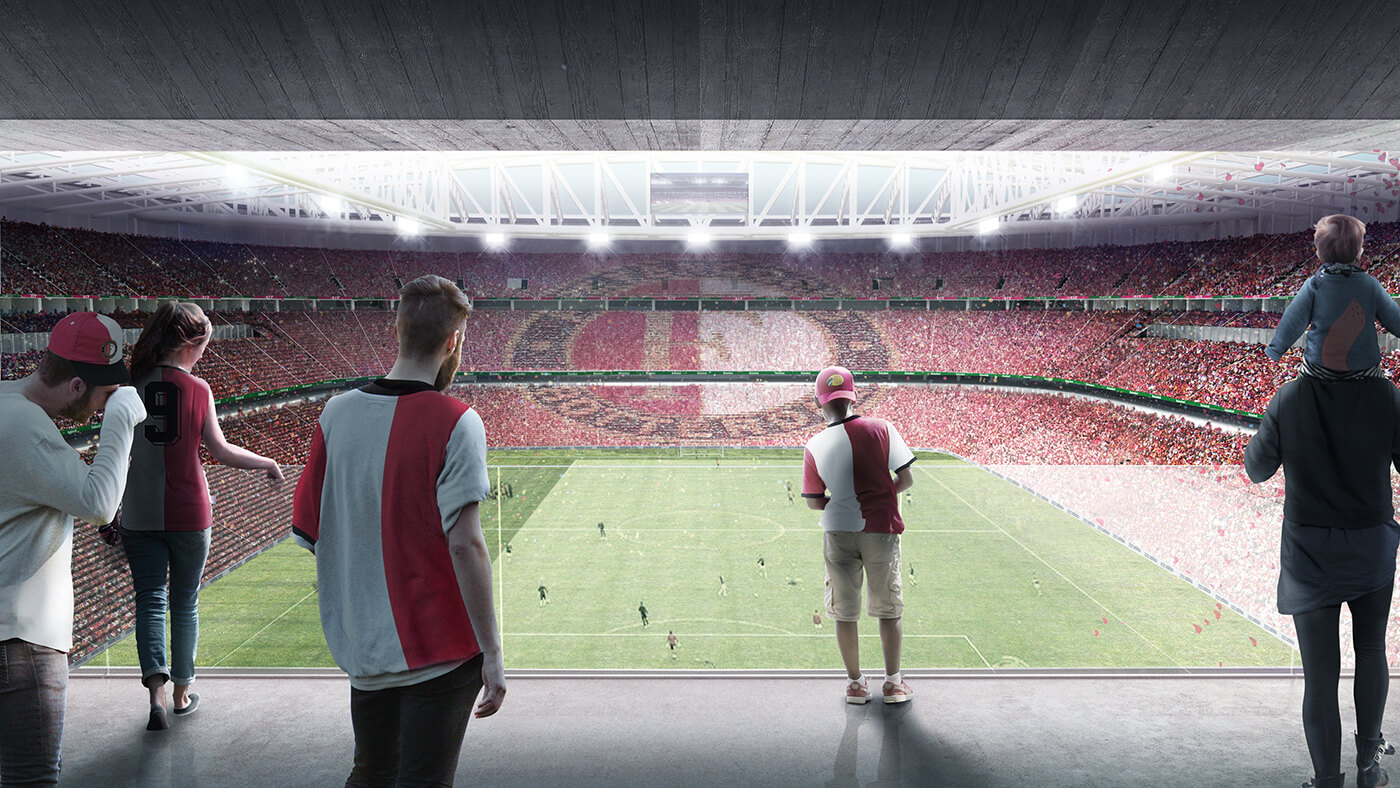
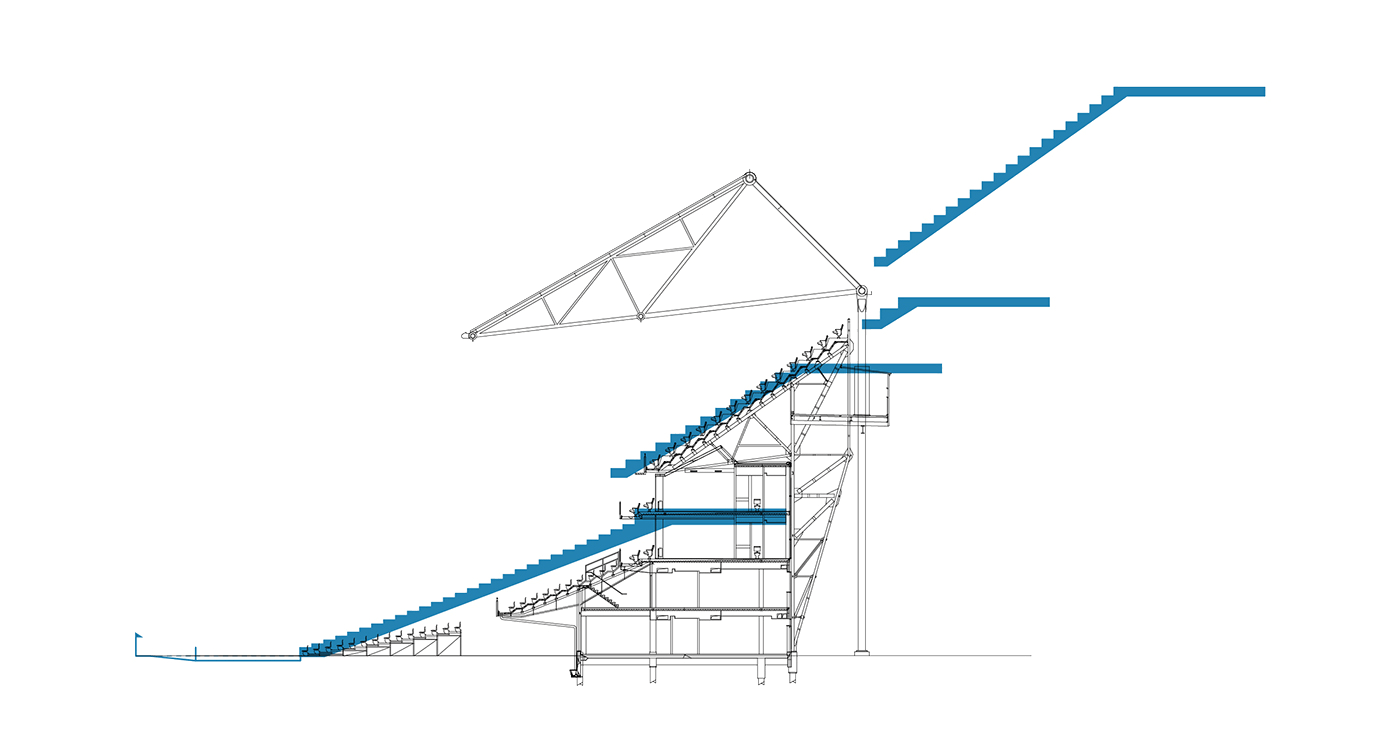
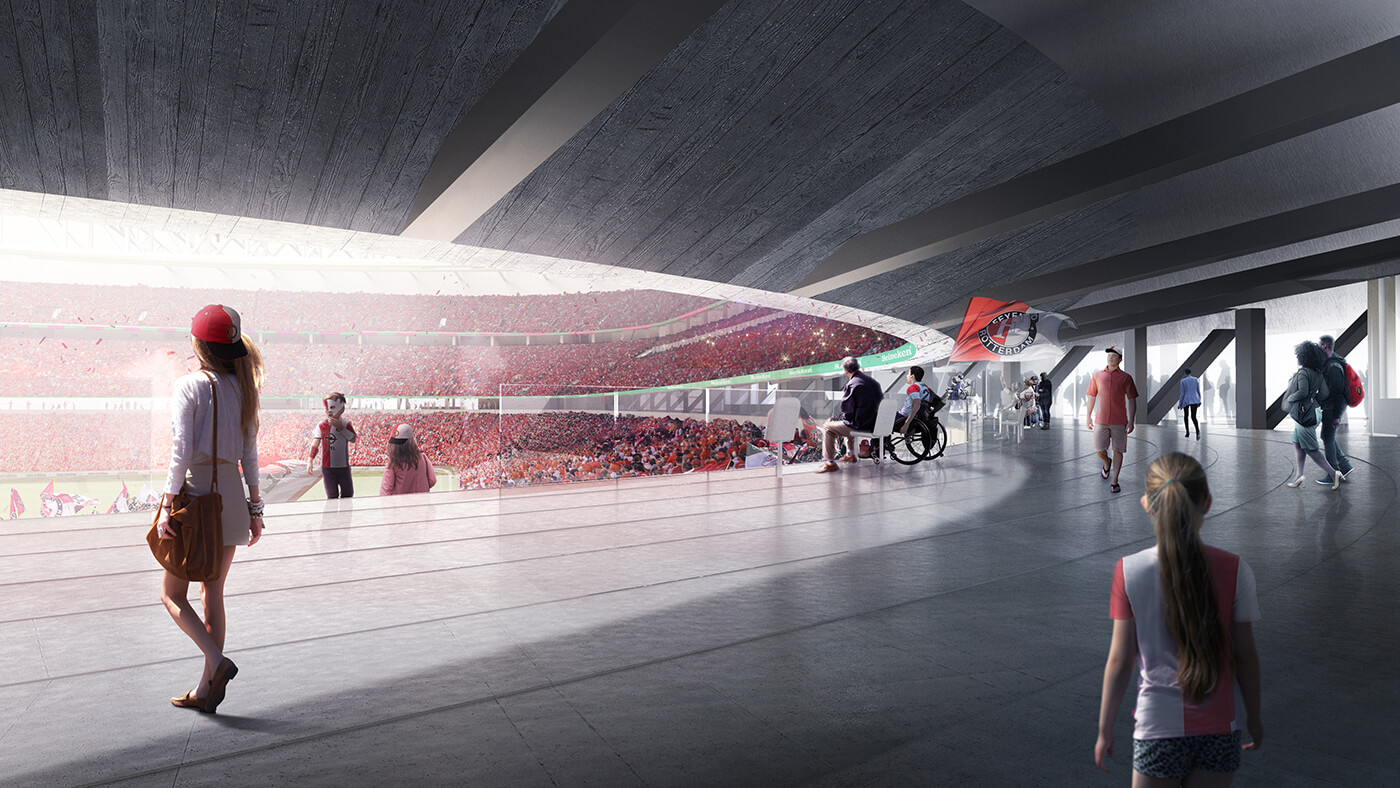
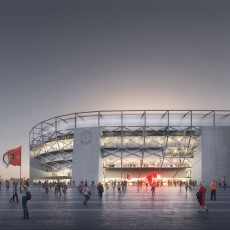
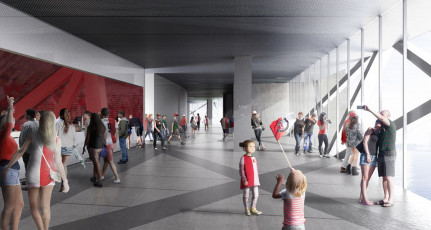
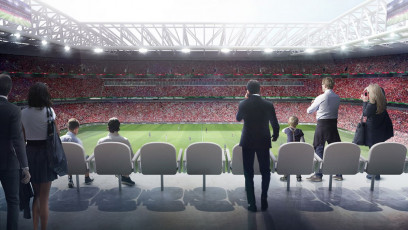
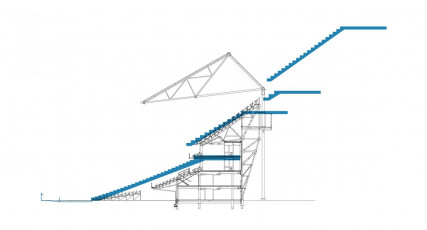
A histo­ri­cally signi­fi­cant stadium due to its distinc­tive design, with the oval stands posi­tioned close to the pitch so audi­ence and players are in inti­mate proxi­mity, De Kuip is known for its unique and intense atmo­sphere.

Built 80 years ago, the current stadium of Rotterdam-based foot­ball club Feye­noord no longer fulfills modern demands. To faci­li­tate the foot­ball club’s expan­ding ambi­tions both in the national and Euro­pean foot­ball leagues, multiple plans for a new and reno­vated stadium have been made and presented over the past decade, none of which received final appr­oval.

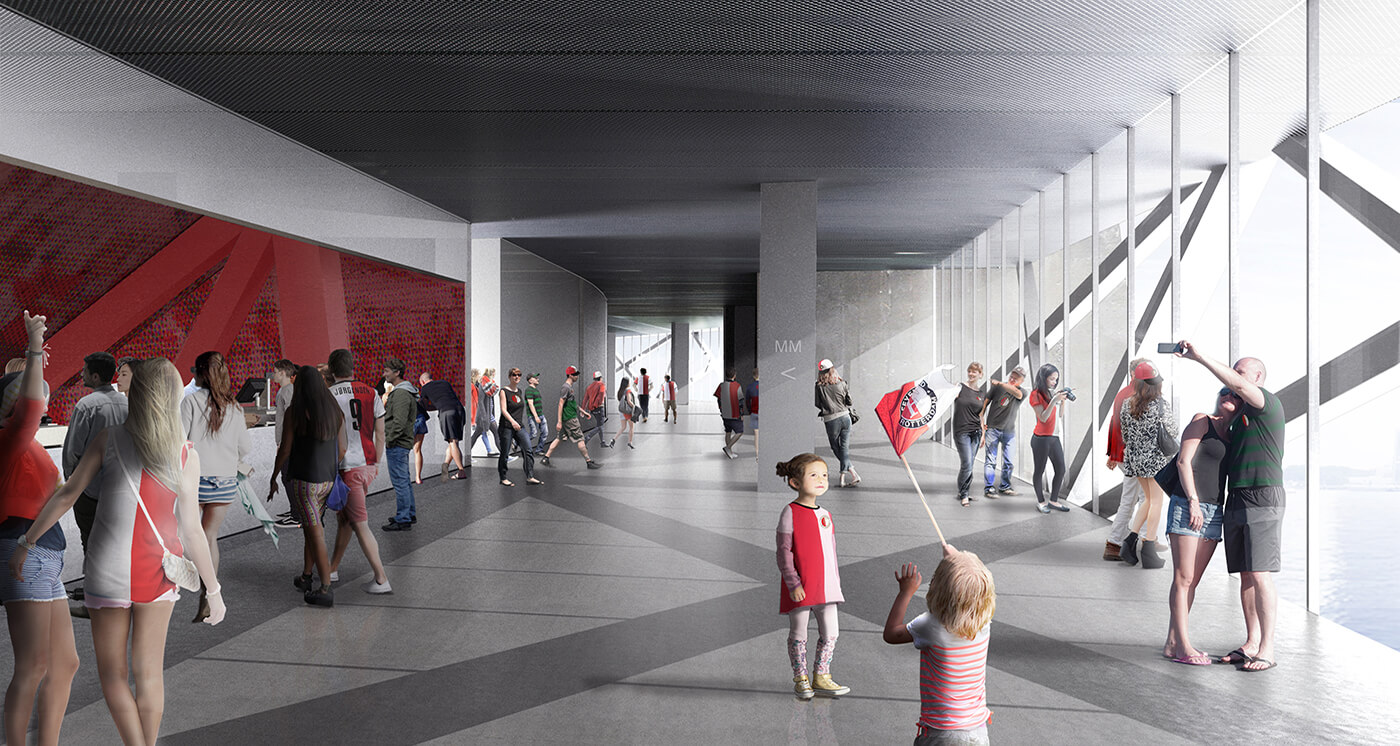
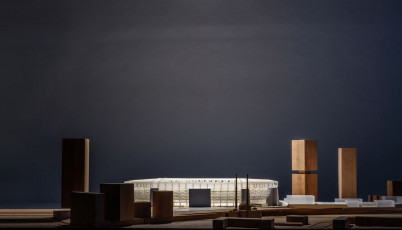
In 2016, Operatie NL, OMA and Feye­noord proposed a diffe­rent approach: the cons­truc­tion of a new stadium combined with the deve­lo­p­ment of the surroun­ding neigh­bor­hood.

Archi­tect

OMA
Office for Metro­po­lian Archi­tec­ture
Heer Bokelweg 149
3032 AD
Rotterdam
Nether­lands
 
Team:
David Gianotten, Kees van Casteren, Shinji Takagi
Andrea Taboc­chini, Andrew Keung, Aris Gkit­zias, Emma Lubbers, Hanna Jurkowska, Lex Lagen­dijk, Max Scherer, Stefano Campisi

Client & User

Feye­noord City Master­plan

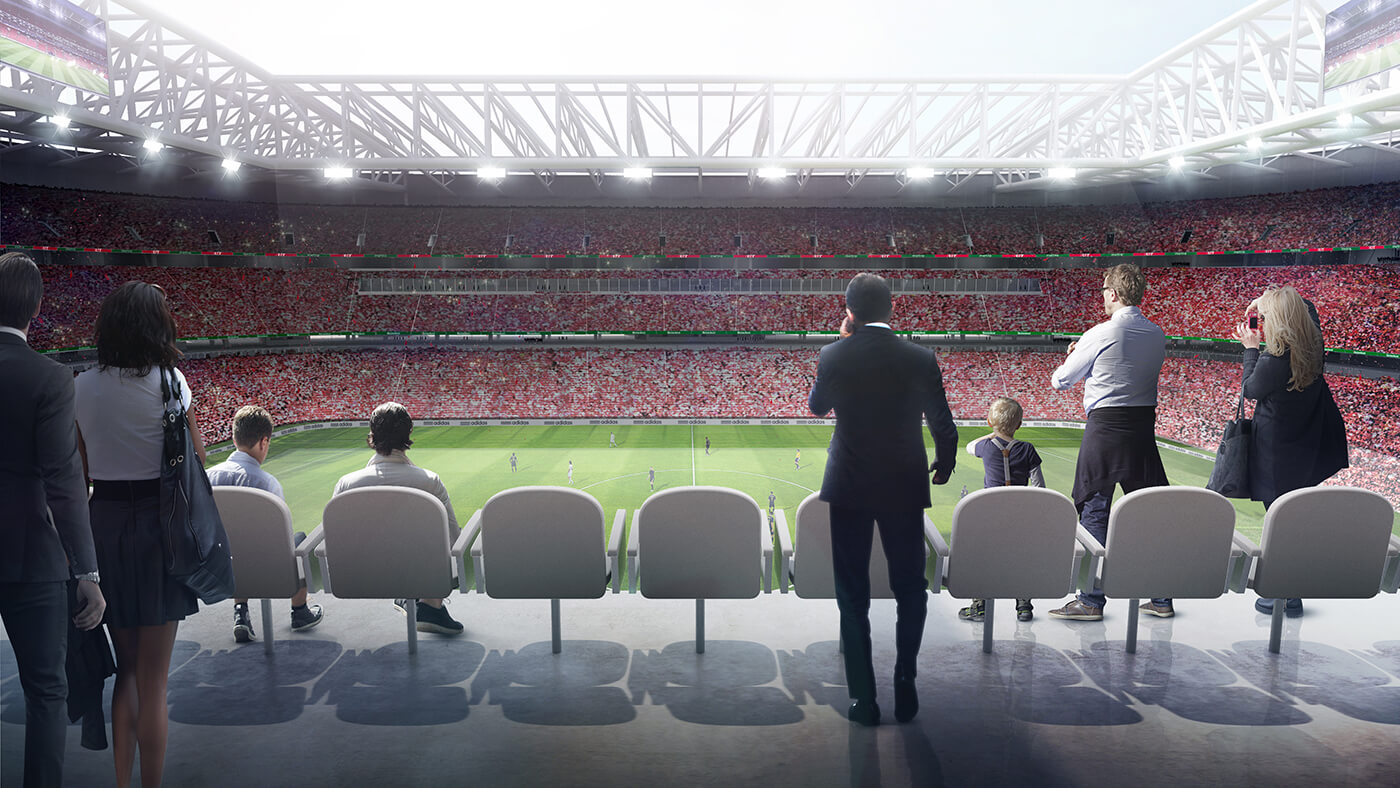
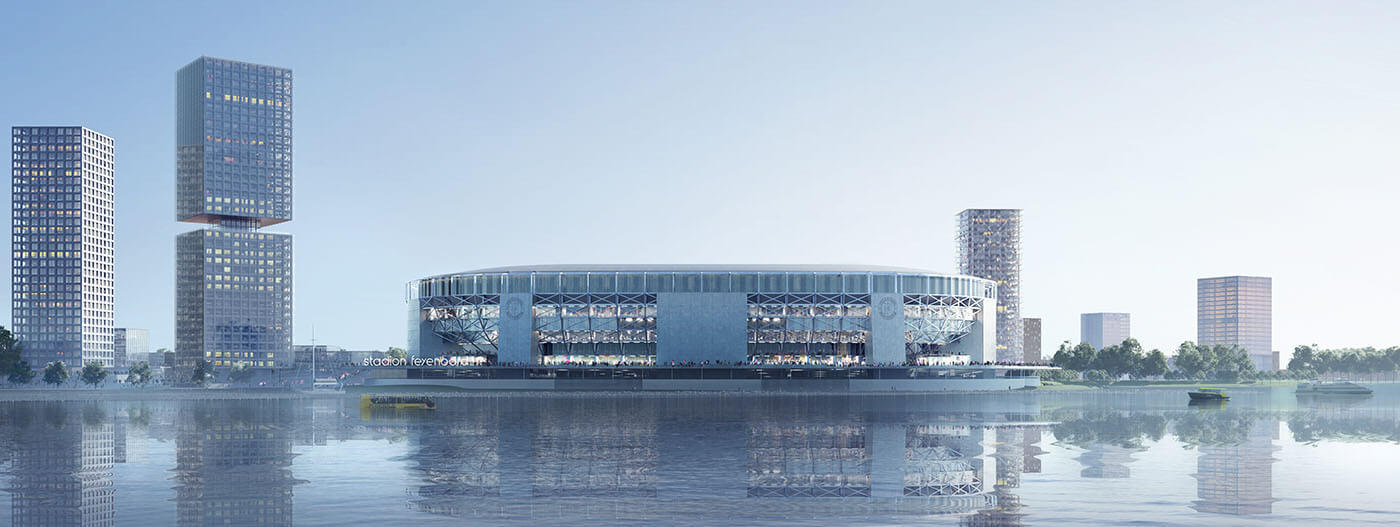
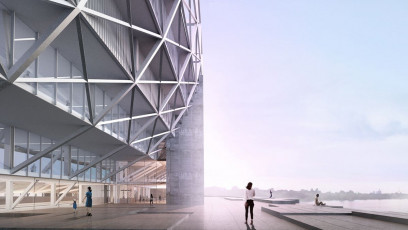
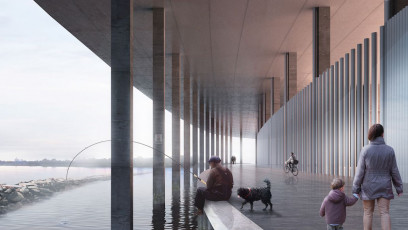
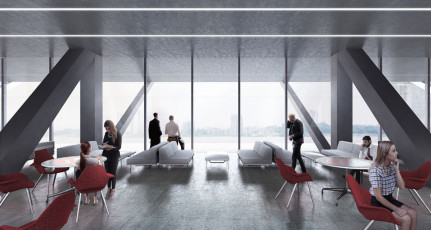
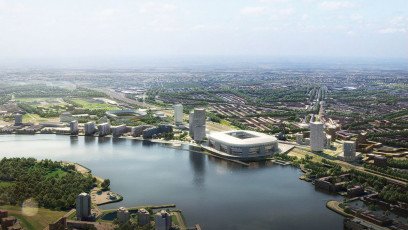
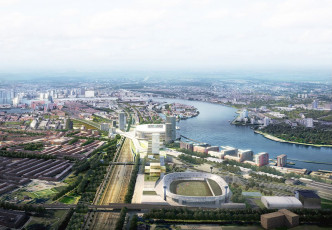
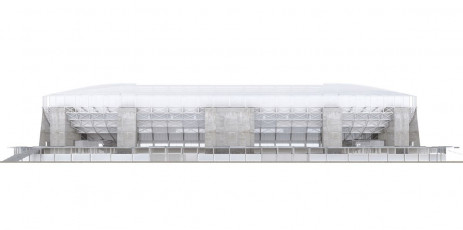
In colla­bo­ra­tion with the foot­ball club and the muni­ci­pa­lity of Rotterdam, OMA has deve­loped the Feye­noord City Master­plan, intro­du­cing a new 63,000-seat stadium that will func­tion as cata­lyst for the urban deve­lo­p­ment of Rotterdam Zuid, one of the neigh­bor­hoods of the city in need of reju­ve­na­tion and economic injec­tion. After careful conside­ra­tion of three poten­tial project sites, a loca­tion at the water­front, northwest to the neigh­bor­hood De Veranda, was selected.

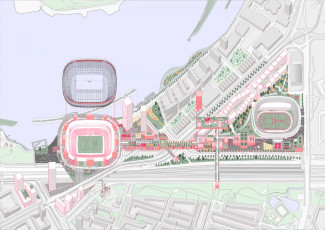
OMA’s master­plan for Feye­noord City consists of five main elements: a new and larger stadium for Feye­noord, reno­va­tion of De Kuip, and deve­lo­p­ment of the Urban Bridge, the Strip and the Kuip Park.

Old vs. new

Address

Feye­noord Stadium
Van Zandvliet­plein 1
3077 AA Rotterdam
Nether­lands

Aerial view

De Kuip

The current stadium De Kuip is to be reno­vated and rede­ve­loped into apart­ments, commer­cial space, an athle­tics sports center and a public square. The area surroun­ding the stadium, de Kuip Park, will offer green space for sports and leisure acti­vi­ties as well as resi­den­tial units.

De Strip, a three-dimen­sional pede­strian walkway, will connect the old stadium with the new stadium and include new public and commer­cial space as well as parking faci­li­ties. Addi­tio­nally, Feye­noord City will be connected to the Laan op Zuid through The Urban Bridge, a prome­nade for slow traffic.

Feed­back

3 + 7 =

Parti­ci­pa­tion

Located between the river Maas, the railway and the highway, the stadium is posi­tioned at an infra­struc­tural node, ensu­ring acces­si­bi­lity by car, bus and public trans­port. The new infra­struc­ture and stadium deve­lo­p­ment is accom­pa­nied by an exten­sive social program with sports at its core.

Feye­noord will set up a new multi sports club for the resi­dents of Rotterdam Zuid, and coope­rate with the surroun­ding neigh­bor­hoods to encou­rage sports parti­ci­pa­tion.

Opening

2024

Photos & illus­tra­tions

OMA
Frans Parthe­sius, Cour­tesy of OMA

Text

OMA

Program

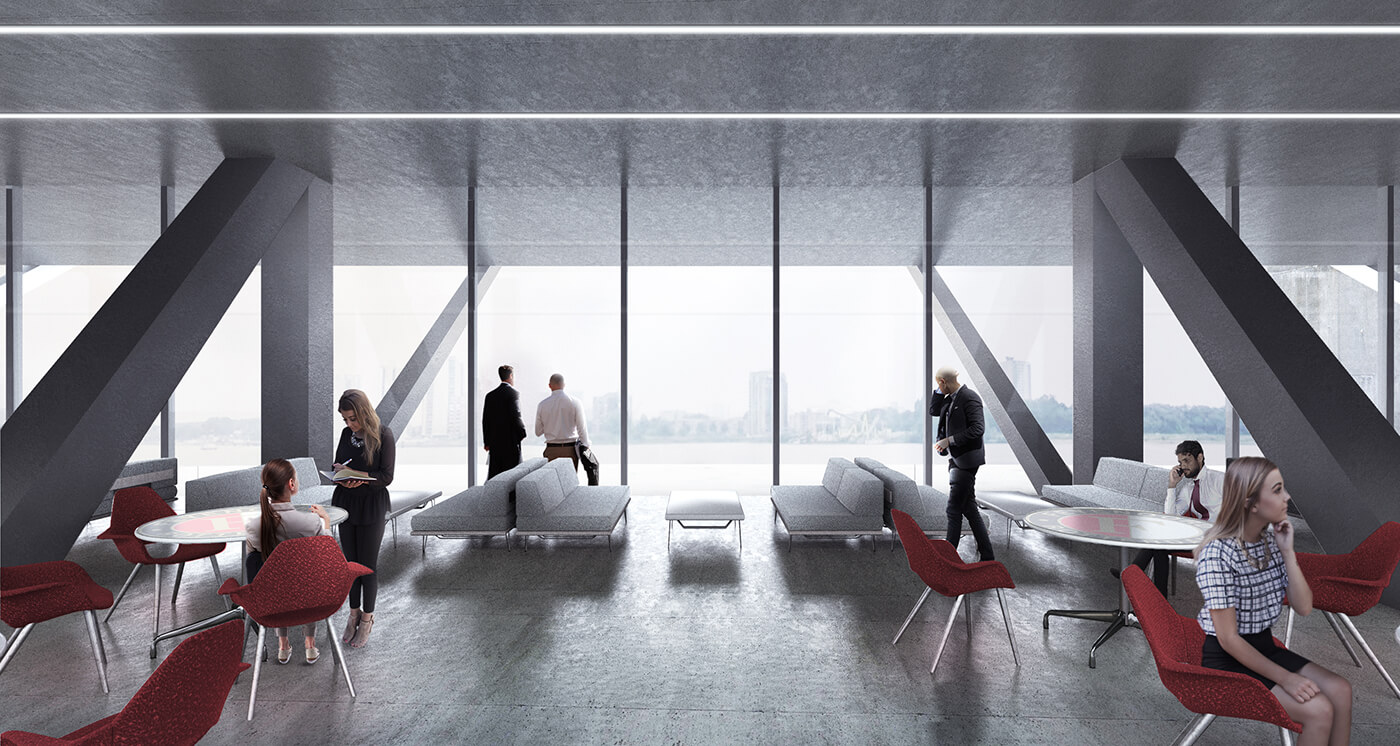
In total, the program of Feye­noord City consists of 255.000m² housing; 64.000m² commer­cial space inclu­ding a new cinema, restau­rants, hotels, and shops and 83.000m² public program inclu­ding a sports expe­ri­ence centre and sports fields.

Besides provi­ding a new home to foot­ball club Feye­noord and reno­vating De Kuip for future uses, OMA’s Feye­noord City master­plan aims to spark the rede­ve­lo­p­ment of Rotterdam Zuid, acti­vate its water­front and to recon­nect this part of the city to the surroun­ding neigh­bor­hoods.

Video

Your project

Are you in need of support when publi­shing your projects?

projects@moresports.network

Or give us a call:

0049 234 5466 0374

PHOTOS

PLANS

What our part­ners say

About us

More Sports Media

Johannes Bühl­be­cker, founder

Johannes Bühl­be­cker is an archi­tect and has worked, among others, for Inter­na­tional Asso­cia­tion for Sports and Leisure Faci­li­ties (IAKS) for 15 years – as edito­rial director of the renowned trade maga­zine “sb”, in the orga­ni­sa­tion and reali­sa­tion of inter­na­tional archi­tec­tural compe­ti­tions with IOC and IPC, in trade fairs and conven­tions, as head of the “NRW Bera­tungs­stelle Sport­stätten“ (“NRW Advice Centre for Sports Faci­li­ties”) and as a lecturer at the German Sport Univer­sity Cologne.

  • Dipl.-Ing. (engi­nee­ring degree) Archi­tect, TU Berlin
  • Long­time edito­rial head with “sb”, an inter­na­tional journal for the archi­tec­ture of sports
  • Trai­ning in web design, online marke­ting, etc.
  • Inter­na­tional archi­tec­tural compe­ti­tions with IOC and IPC
  • Trade fair and congress orga­ni­sa­tion
  • Head of the “NRW Bera­tungs­stelle Sport­stätten“ (“NRW Advice Centre for Sports Venues”)
  • Lecturer at the German Sport Univer­sity Cologne
  • Plan­ning of the Prus­sian Stadium in Münster (for groß­mann engi­neers, Göttingen)
  • Replan­ning a foot­ball stadium in Berlin-Köpe­nick
  • Nume­rous publi­ca­tions, i.a. “From Round Leather to Soap Bubbles – The Deve­lo­p­ment of Foot­ball and its Archi­tec­ture”
  • Board member and youth coach at SV BW Weitmar 09

Contact

Phone

+(49) 234 5466 0374

Mail

contact@moresports.network

Address

More Sports Media
Am Weit­kamp 17
D‑44795 Bochum

Visit us at Insta­gram

Washington Reds­kins Stadium

A walk in the park

Washington Reds­kins Stadium

by BIG

Drive-in amphi­theater

Set at the bottom of a stepped, grass covered drive-in amphi­theater, BIG envi­sions a new Washington Reds­kins Stadium that will expand the game-day expe­ri­ence beyond the building’s walls – turning tradi­tional tail­ga­ting into a communal picnic expe­ri­ence during game days.

Archi­tect

BIG
Bjarke Ingels, Thomas Chris­toff­ersen
Agustin Perez Torres
Alan Tansey, Beat Schenk, Bryan Maddock, Charles Kim, Kai-Uwe Berg­mann, Maureen Rahman, Peter Lee, Phillip MacDou­gall, Sanam Salek

Programme

In the off season, Washington Reds­kins Stadium and its grounds become a public park and concert venue for the commu­nity.
The project will also include over 50,000 sf of exhi­bi­tion space for a Reds­kins Museum as well as 100,000 sf of office space, club rooms and trai­ning faci­li­ties as a part of the 1.4 million sf plan.

The new stadium will be located in the Tri-State Washington D.C. area, the home of the Reds­kins since 1937.

Client

Washington Foot­ball Inc.

User

Bowl

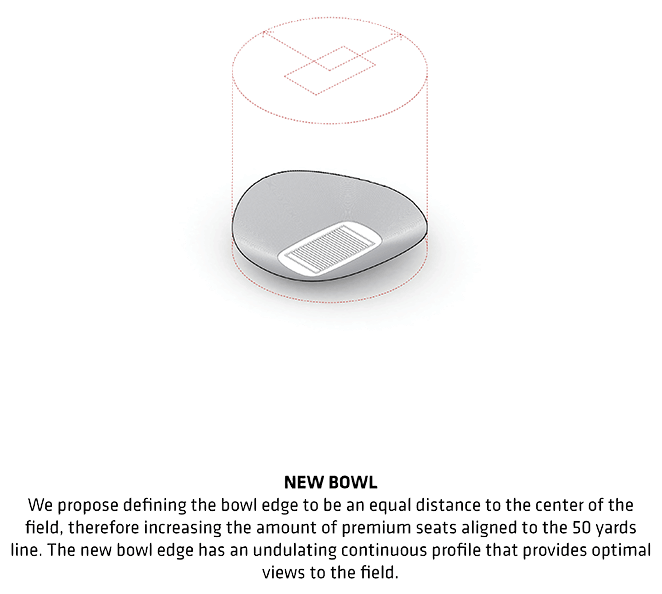
Washington Reds­kins Stadium is desi­gned to opti­mize game days, with a circular layout that is elevated to increase the capa­city of blea­chers at the 50 yard line. BIG’s open arran­ge­ment forgoes the tradi­tional, tiered design of most American Foot­ball stadiums to create one big bowl where all the fans can see each other and cheer on their respec­tive teams in unison. Two 8,000 sf score­board will accom­mo­date display screens and game details, brin­ging crowds across the stadium toge­ther.

Feed­back

3 + 13 =

Bridges vs. fences

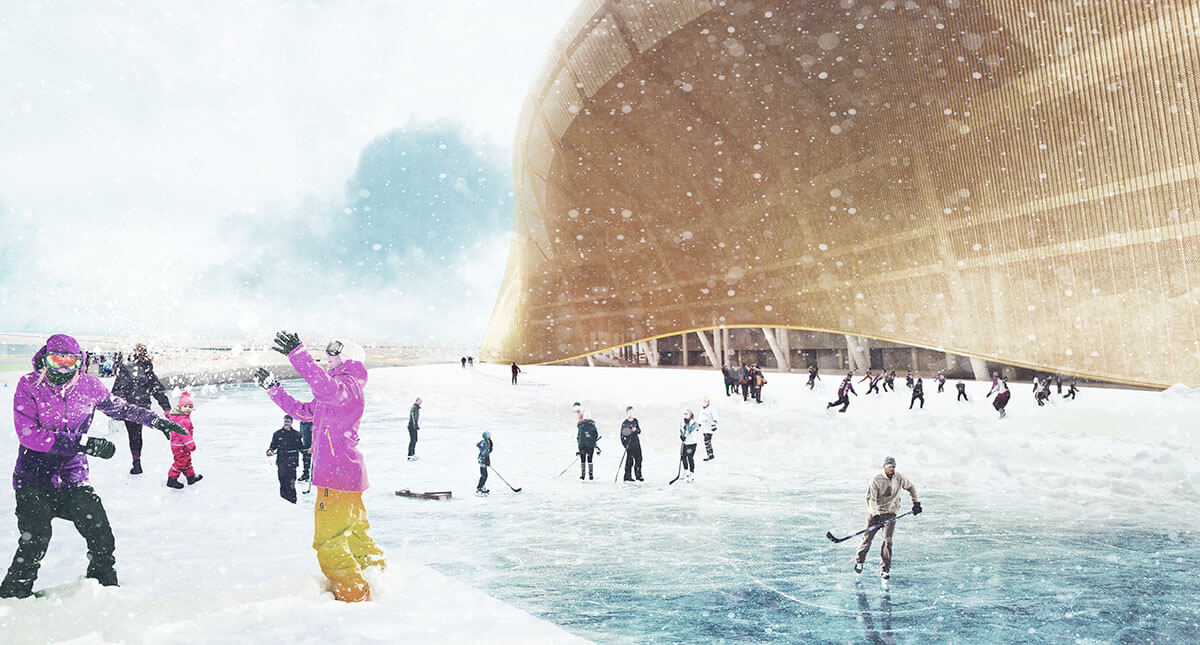
Outside, the stadium is wrapped in a golden metal mesh, which is pushed inwards and outward to create areas for entrances and conces­sions. Around it, a moat will ease access to the stadium through a series of bridges that elimi­nate the need for a stan­dard fences or gates. In the warm months, when not in use, the moat will act as a wave pool and lazy river and during winter, an ice rink.

Illus­tra­tions

BIG

Text

BIG

Tail­ga­ting

The parking amphi­theater will be planted with rein­forced grass, so cars can drive directly up to the stadium while keeping the surroun­ding field lush and green for use as a park.

The raised terrain created by the stepped field will be supported by 5 levels of under­ground parking with space for 25,000 cars. It will also accom­mo­date six areas for conces­sions and VIP tail­ga­ting.

Video

Great gestures

At its highest point, the surroun­ding park is pushed down to create the Reds­kins Museum and the HQ and to accom­mo­date four full-sized trai­ning fields. By night, the green amphi­theater is able to trans­form into a perfor­mance venue with space for 100,000 people.

Even if the imple­men­ta­tion of this project is not certain, Washington Reds­kins Stadium still includes great gestures and ideas that we would very much like to find in other and smaller stadiums and sports grounds as well.

Your project

Are you in need of support when publi­shing your projects?

projects@moresports.network

Or give us a call:

0049 234 5466 0374

Follow us!

That’s what our part­ners say

See more?

Über uns

More Sports Media

Johannes Bühl­be­cker, founder

Johannes Bühl­be­cker is an archi­tect and has worked, among others, for Inter­na­tional Asso­cia­tion for Sports and Leisure Faci­li­ties (IAKS) for 15 years – as edito­rial director of the renowned trade maga­zine “sb”, in the orga­ni­sa­tion and reali­sa­tion of inter­na­tional archi­tec­tural compe­ti­tions with IOC and IPC, in trade fairs and conven­tions, as head of the “NRW Bera­tungs­stelle Sport­stätten“ (“NRW Advice Centre for Sports Faci­li­ties”) and as a lecturer at the German Sport Univer­sity Cologne.

  • Dipl.-Ing. (engi­nee­ring degree) Archi­tect, TU Berlin
  • Long­time edito­rial head with “sb”, an inter­na­tional journal for the archi­tec­ture of sports
  • Trai­ning in web design, online marke­ting, etc.
  • Inter­na­tional archi­tec­tural compe­ti­tions with IOC and IPC
  • Trade fair and congress orga­ni­sa­tion
  • Head of the “NRW Bera­tungs­stelle Sport­stätten“ (“NRW Advice Centre for Sports Venues”)
  • Lecturer at the German Sport Univer­sity Cologne
  • Plan­ning of the Prus­sian Stadium in Münster (for groß­mann engi­neers, Göttingen)
  • Replan­ning a foot­ball stadium in Berlin-Köpe­nick
  • Nume­rous publi­ca­tions, i.a. “From Round Leather to Soap Bubbles – The Deve­lo­p­ment of Foot­ball and its Archi­tec­ture”
  • Board member and youth coach at SV BW Weitmar 09

Contact

Phone

+(49) 234 5466 0374

Mail

contact@moresports.network

Address

More Sports Media
Am Weit­kamp 17
D‑44795 Bochum

Visit us at Insta­gram

GDPR Cookie Consent with Real Cookie Banner