Copen­hagen Islands

Parki­pe­lago

Copen­hagen Islands

Marshall Blecher & Studio Fokstrot

About

The project intro­duces a new arche­type in urban space to the city’s harbour; a “parki­pe­lago” of floa­ting islands, open and free to be used by an incre­asing number of boaters, fishermen, kaya­kers, star­ga­zers and swim­mers.

The islands rein­tro­duce wilder­ness and whimsey to the rapidly gentri­fying harbour, with endemic plants, trees and grasses above and anchor points below provi­ding a habitat for birds and insects, seaweeds, fish and molluscs. the islands offer a constantly chan­ging, gene­rous, green space in the centre of the city. The project also hints at a new type of climate resi­lient urba­nism, inher­ently flexible in its use and only using sustain­ably sourced and recy­cled mate­rials.

Cons­truc­tion

The islands will be cons­tructed by hand in the boat­buil­ding yards in the south habour of Copen­hagen using tradi­tional wooden boat buil­ding tech­ni­ques. They will be moved seaso­nally between unde­r­uti­lised and newly devel­oped parts of the harbour, cata­ly­sing life and acti­vity.

The first proto­type island ‘CPH-Ø1’ was laun­ched in 2018 and became a popular feature in the harbour, moving from place to place, hosting part of a photo­graphy exhi­bi­tion, a series of talks and many seaside picnics. The pro­totype will be followed by three more islands to be laun­ched in 2020, CPH-Ø1, CPH-Ø2 & CPH-Ø3 with plans for even more in the follo­wing years.

Awards

Copen­hagen Islands was awarded the taipei inter­na­tional design awards for public space and the award for social design, It was a fina­list in the Beazley design prize at the London Design Museum and has just been announced as a fina­list in the Danish Design Prize.

Copen­hagen islands is a not for profit initia­tive started by austra­lian archi­tect Marshall Blecher and Danish Design studio Fokstrot, it is supported by køben­havns kommune, by og havn and den gode havneliv.

We did this.

Project data

Illus­tra­tons

Airflix (Aerials)
MIR (Visua­li­sa­tions)

Author

Marshall Blecher

Opening

2018 / 2020

Videos

Our Blog

Rotterdam Rocks!

Rotterdam Rocks!

Can a buil­ding inspire people to act in a more sustainable way?

Our News­letter

Forest Green Rovers Eco Stadium

Knock on wood

​Forest Green Rovers Eco Stadium

Zaha Hadid Archi­tects

Situa­tion

The Forest Green Rovers Eco Stadium is to become more than just a stadium. Users Forest Green Rovers are the ” gree­nest foot­ball club in the world “, their presi­dent is Dale Vince, the founder of Ecot­ri­city. The stadium will be the centre­piece of the £100 million, 40-hectare sports and green tech­no­logy park deve­lo­p­ment funded by Ecot­ri­city.

The Green Rovers Eco Stadium was desi­gned by Zaha Hadid Archi­tects, and their inte­rest in explo­ring new forms, mate­rials and tech­no­lo­gies is – proven.

However, at the moment there is not much that indi­cates that this ambi­tious project will become reality.

Vision

Forest Green Rovers have estab­lished a holi­stic vision for the site to retain its pastoral quali­ties whilst adding new faci­li­ties for the town.

While the stadium will be the centre­piece, the project creates a new public realm with both recrea­tional and occu­pa­tional uses, enab­ling the entire site to contri­bute to the town – not only on match days, but every day of the year.

Design

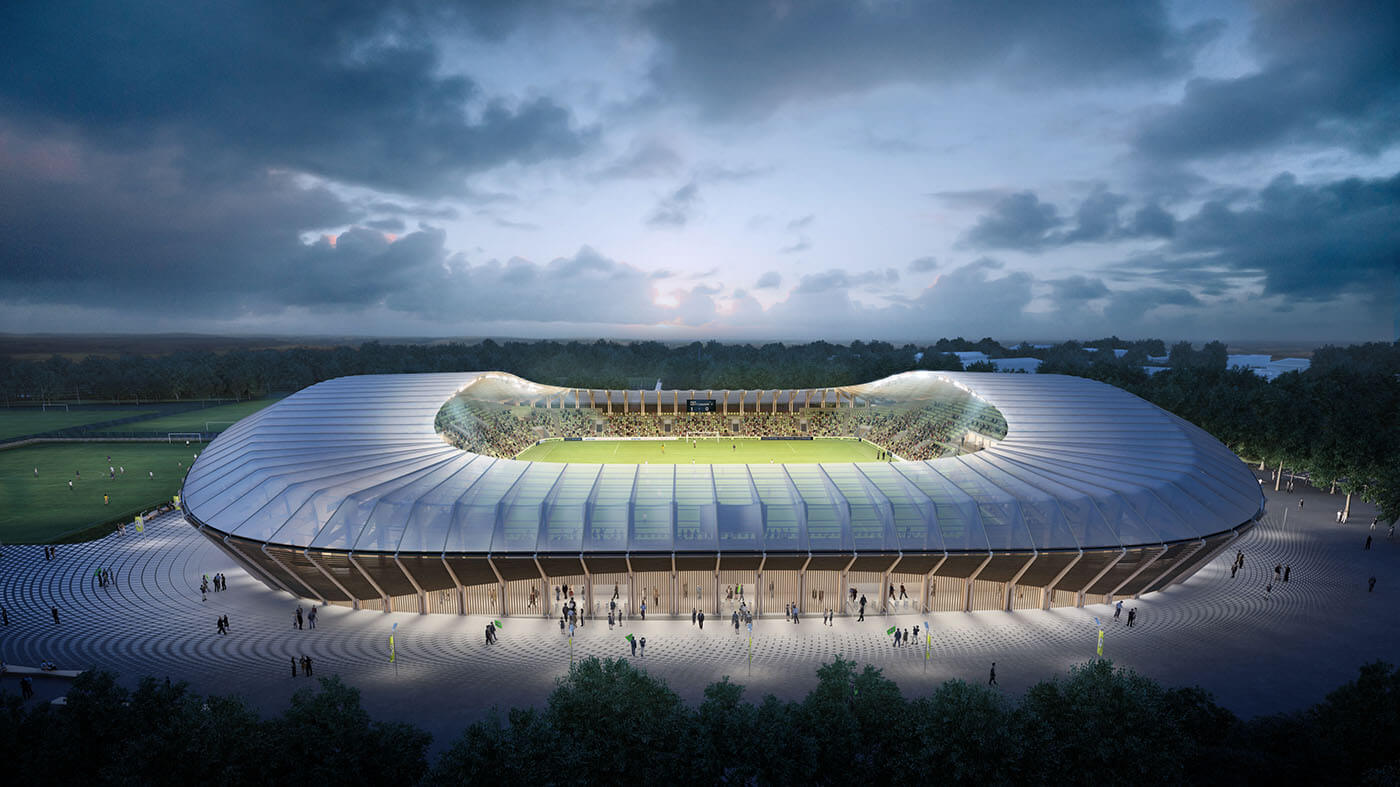
The design retains and enhances the exis­ting meadow land­scape of the site whilst adding the stadium and other func­tions for the town. Embo­dying low carbon cons­truc­tion methods and opera­tional processes, it will be the first all timber foot­ball stadium with almost every element made of sustain­ably sourced timber inclu­ding its struc­ture, roof canti­le­vers and louvered clad­ding.

As a buil­ding mate­rial, timber is highly durable, recy­clable and beau­tiful. The proxi­mity of the stadium’s struc­tural elements to each other has also been deter­mined to enable the seating terraces and floor slab to be made from timber. In most other stadiums, these elements are concrete or steel.

The stadium’s roof is covered with a trans­pa­rent membrane, which contri­butes to turf growth, mini­mizes stark shadows for players and fans and reduces the volu­metric impact of the stadium from distant views in the surroun­ding land­scape.

Atmo­sphere

With the team’s commu­nity and supporters at its core, fans will be as close as five meters from the pitch and the posi­tion of every seat has been calcu­lated to provide excel­lent, unrest­ricted views of the entire field of play. The stadium’s conti­nuous spec­tator bowl surroun­ding the pitch will maxi­mise matchday atmo­sphere.

The stadium’s design incor­po­rates the club’s future growth. Initi­ally for 5,000 spec­ta­tors, incre­asing to 10,000 with the club’s success, expan­sion from phase 1 to phase 2 can be achieved without the costs of major cons­truc­tion works.

Carbon

Forest Green Rovers’ new stadium and Eco Park aims to be carbon neutral or carbon nega­tive, inclu­ding measures such as the provi­sion of on-site rene­wable energy gene­ra­tion.

Dale Vince, Ecot­ri­city founder and Forest Green Rovers chairman, said: “The really standout thing about this stadium is that it’s going to be almost enti­rely made of wood – the first time that will have been done anywhere in the world.

“The importance of wood is not only that it’s natu­rally occur­ring, it has very low embo­died carbon – about as low as it gets for a buil­ding mate­rial.

“And when you bear in mind that around three quar­ters of the life­time carbon impact of any stadium comes from its buil­ding mate­rials, you can see why that’s so important – and it’s why our new stadium will have the lowest embo­died carbon of any stadium in the world.

Eco Park

Half of Eco Park will consist of state-of-the-art sporting faci­li­ties, inclu­ding the new stadium, grass and all-weather trai­ning pitches, publicly acces­sible multi-disci­pli­nary faci­li­ties, and a sports science hub.

The other half will comprise a green tech­no­logy busi­ness park with sustain­ably built commer­cial offices and light indus­trial units, giving Eco Park the poten­tial to create up to 4,000 jobs, inclu­ding room for the continued expan­sion of green energy company Ecot­ri­city, who have submitted the overall proposal and who are already the biggest employer in Stroud with 700 people located across four sites.

The proposal will also see the deve­lo­p­ment of a nature reserve on the site, a poten­tial public trans­port hub, inclu­ding a Stroud Park and Ride, as well as help with the resto­ra­tion of the Stroud­water canal.

Local parish coun­cils initi­ally endorsed the entire project, but rejected it in the summer of 2019.

Whether and how things will continue is curr­ently comple­tely uncer­tain. A shame.

We did this.

Project data and compa­nies involved

Archi­tect

Zaha Hadid Archi­tects (ZHA)

Zaha Hadid, Patrik Schu­ma­cher, Jim Heverin, Sara Klomps, Kart­hi­keyan, Aruna­chalam, Sara Akbari, Muriel Boselli, Avery Chen, Saman Dadgo­star, Cynthia Du, Paulo Flores, Fabian Hecker, Jakub Klaska, Vincent Konaté, Igor Pantic, Edgar Payan, Sven Torres, Theodor Wender, Richard Wase­n­egger

Address

Forest Green Rovers Foot­ball Club
The New Lawn Stadium Another Way
Nails­worth GL6 0FG
Verei­nigtes König­reich

Videos

Our Blog

Rotterdam Rocks!

Rotterdam Rocks!

Can a buil­ding inspire people to act in a more sustainable way?

Our News­letter

Prei­ke­stolen

Do not look down

Infi­nity Pool at Prei­ke­stolen

Hayri Atak

Tom Cruise at 604 m alti­tude

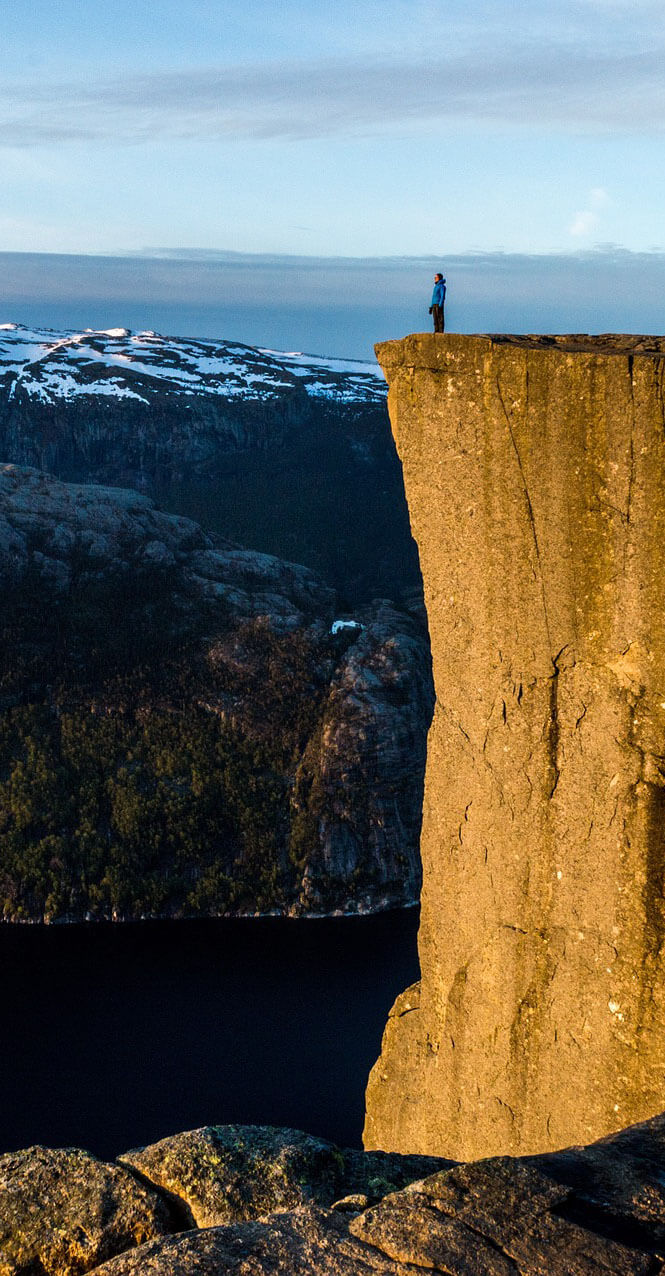
Prei­ke­stolen (“The Pulpit Rock”) is a tourist attrac­tion in Norway, a steep cliff which rises 604 metres above the Lysefjorden. Atop the cliff, there is an almost flat top of appro­xi­m­ately 25 by 25 metres. Prei­ke­stolen is located near the Western part of the fjord, and on its North side. The final fight scene in “Mission: Impos­sible – Fallout“ features Tom Cruise clim­bing the face of the cliff at Prei­ke­stolen.

Nine suites, one pool

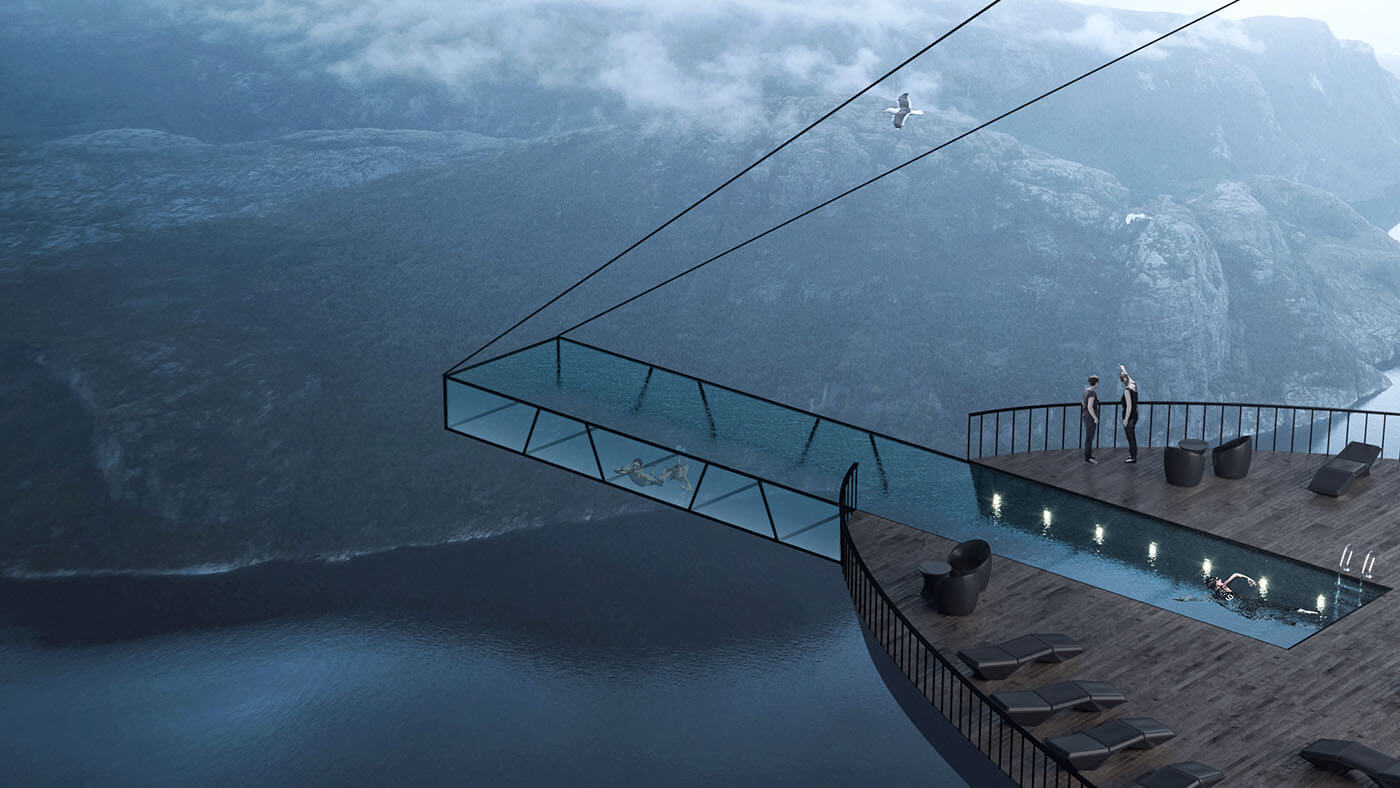
Inspired by this scenic over­look, Hayri Atak Archi­tec­tural Design Studio has desi­gned a spec­ta­cular concept for an infi­nity pool and a boutique hotel. The proposal features the accom­mo­da­tions nestled onto a side of Prei­ke­stolen over the Lysefjorden fjords.

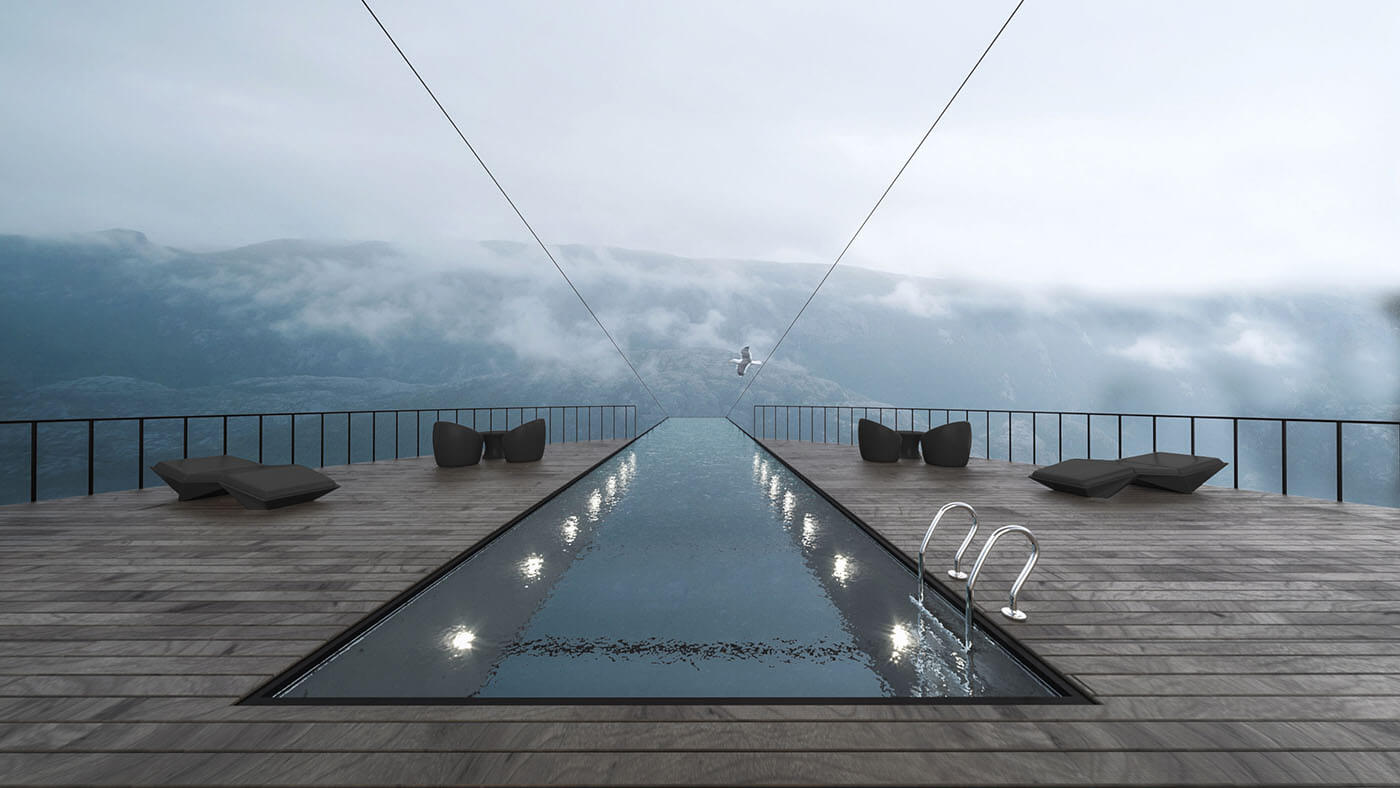
The canti­le­vered glass-bottom pool allows coura­geous swim­mers to enjoy the water while looking down into the fjord. The nine-suite hotel would be entered from the top of the cliff, with a common lounge area and guest rooms nestled into the face of the rock. The upper entryway would double as a scenic over­look, while real adven­ture seekers would want to venture to the pool deck.

Emotions

The entire concept was inspired by a photo­graph sent to studio founder Hayri Atak. Thrilled by the photo a friend took during her vaca­tion to Norway, Atak sought to capture the adre­na­line pumping scene into his archi­tec­ture. “Even though I wasn’t there, I expe­ri­enced the adre­na­line of being on the edge,” Atak said. “Then I dreamed of living on and beyond the edge. Simply, I just wanted to carry this expe­ri­ence beyond the edge and the idea of having this expe­ri­ence inspired me.”

Prei­ke­stolen attracts more than 300,000 visi­tors every year. You usually have to wait a long time to take a picture of the soli­tary crea­ture on the moun­tain plateau. For this reason alone it is hard to imagine that a hotel will ever be built here. It is, however, a lesson about the importance of emotions for archi­tec­ture. And it is a wonderful inspi­ra­tion and moti­va­tion for coura­geous ideas and designs.

We did this.

Archi­tect and address

Archi­tect

Hayri Atak
Ataşehir – İstanbul
Türkei

Address

Prei­ke­stolen
4129 Songe­sand

Norwegen

Videos

Visit our Blog

At “More Sports. More Archi­tec­ture.” you will find func­tional, spec­ta­cular and simply beau­tiful buil­dings and faci­li­ties for sports and leisure.

Rotterdam Rocks!

Rotterdam Rocks!

Can a buil­ding inspire people to act in a more sustainable way?

Infi­nity London

Pool with a view

Infi­nity London

Compass Pool

Ambi­tious

Death defying swim­ming pools are set to become an archi­tec­tural trend in central London, allo­wing visi­tors to float over 200 metres above the capital’s skyline. Pool desi­gners at Compass Pools have deve­loped Infi­nity London, the only buil­ding in the world to incor­po­rate a 360-degree infi­nity pool.

The pool is made from cast acrylic rather than glass, as this mate­rial trans­mits light at a similar wave­length to water so that the pool will look perfectly clear.

The floor of the pool is also trans­pa­rent, allo­wing visi­tors to see the swim­mers and sky above.

Getting into the water

Swim­mers will access the pool through a rota­ting spiral stair­case based on the door of a subma­rine, rising from the pool floor when someone wants to get in or out. A little bit James Bond to boot!”

Normally a simple ladder would suffice, but the desi­gners didn’t want stairs on the outside of the buil­ding or in the pool as it would spoil the view – and obviously they don’t want 600,000 litres of water drai­ning through the buil­ding either.

Buil­ding services

Other advanced tech­nical features include a built-in anemo­meter to monitor the wind speed. This is linked to a computer-controlled buil­ding manage­ment system to ensure the pool stays at the right tempe­ra­ture and water doesn’t get blown down to the streets below.

Boas­ting an inno­va­tive twist on rene­wable energy, the pool’s heating system will use waste energy from the air condi­tion system for the buil­ding. The hot gas that is produced as a by-product of crea­ting cold air in the buil­ding will run through a heat exch­anger to heat the water for the pool.

The pool is also fitted with a full spec­trum of lights which will give the buil­ding the appearance of a spar­k­ling jewel-topped torch at night.

Approach

Compass Pool’s swim­ming pool desi­gner and tech­nical director Alex Kemsley commented: “Archi­tects often come to us to design roof top infi­nity pools, but rarely do we get a say in the buil­ding design because the pool is usually an aftert­hought.

“But on this project, we actually started with the pool design and essen­ti­ally said, ‘how do we put a buil­ding under­neath this?’ “When we desi­gned the pool, we wanted an unin­ter­rupted view, both above and below the water.

It will have a five-star inter­na­tional hotel on the top floors of the buil­ding with the pool used by the guests.

Tammela Stadium

Room with a view

Tammela Stadium in Tampere

Situa­tion

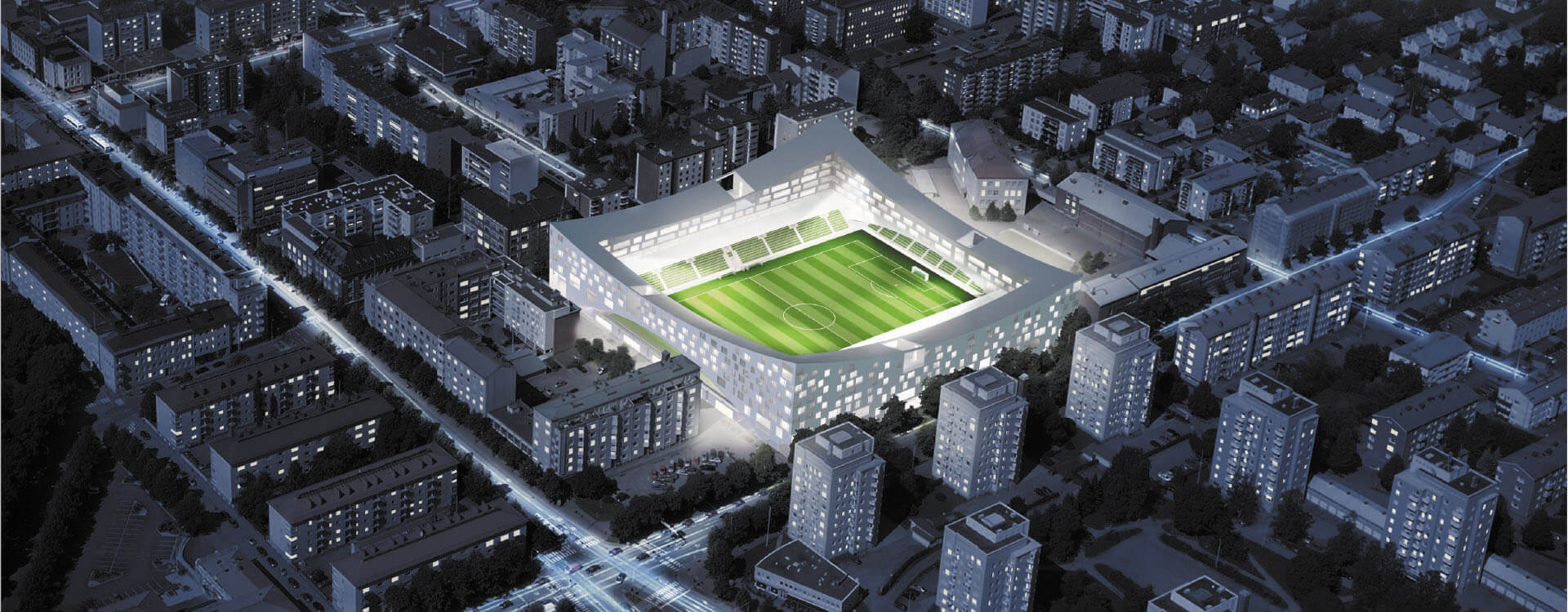
Tammela Stadium is situated in the midst of resi­den­tial buil­dings and is home to the foot­ball club Ilves in the Finnish town of Tampere. It was built in 1931, offers 5,000 seats on two diffe­rent stands and is to be replaced by a new buil­ding.

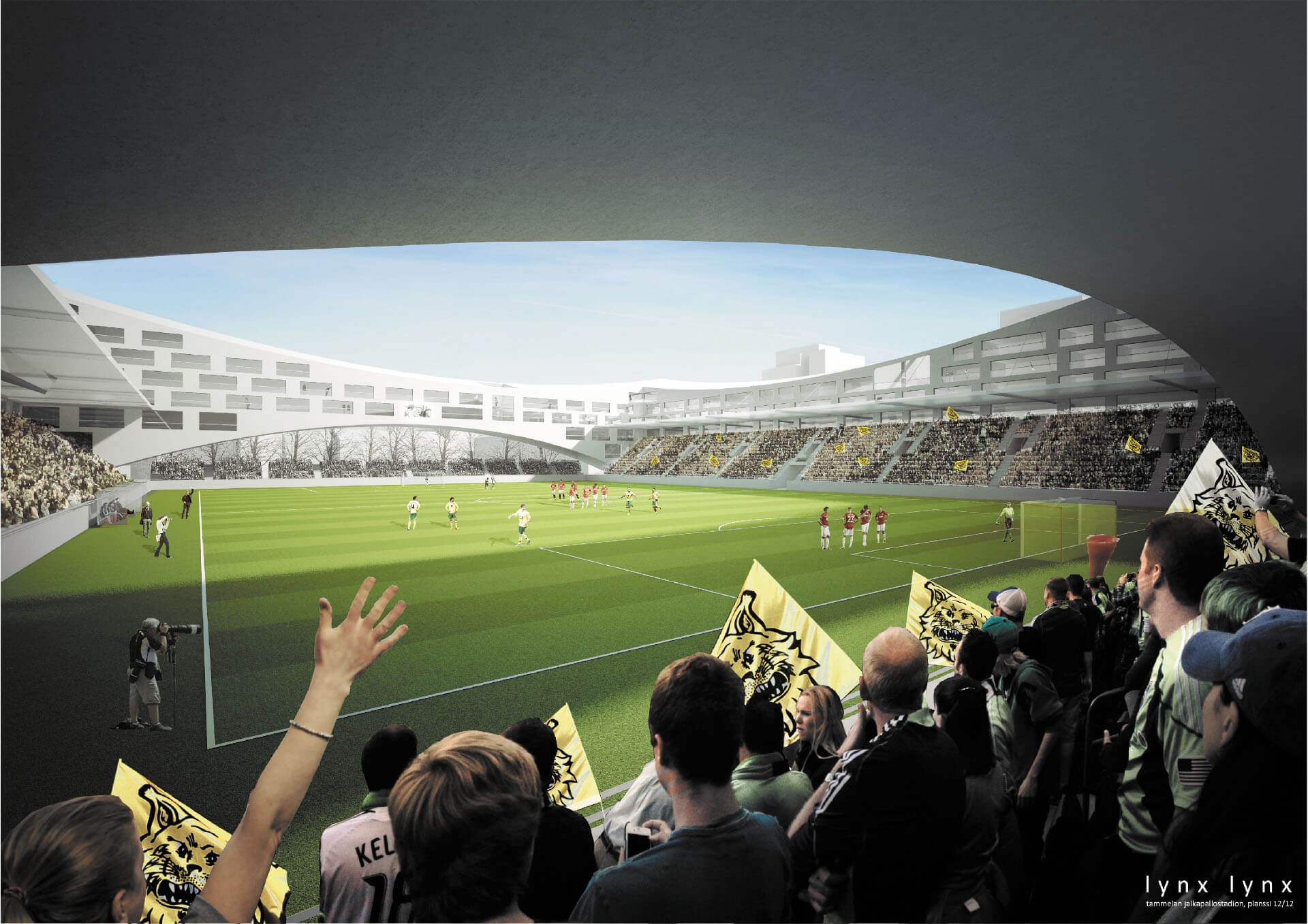
New Tammela Stadium aims to unify the city struc­ture in Tammela by rein­tro­du­cing tradi­tional closed block struc­ture to an area that has become frag­mented and inco­herent. There is a green “cour­tyard” surrounded by a conti­nuous low buil­ding mass housing small shops like in historic city blocks that have mostly been torn down. In the East, the block boar­ders Kaleva Boule­vard in the same line with an old school buil­ding North of the stadium. On the Western side the block is retracted to form a small entrance square for the buil­ding and to leave enough space for the exis­ting housing. This is how the exis­ting row of trees can be preserved. This is important as there are only few green spaces in the area and every tree counts.

Buil­dings from all four sides

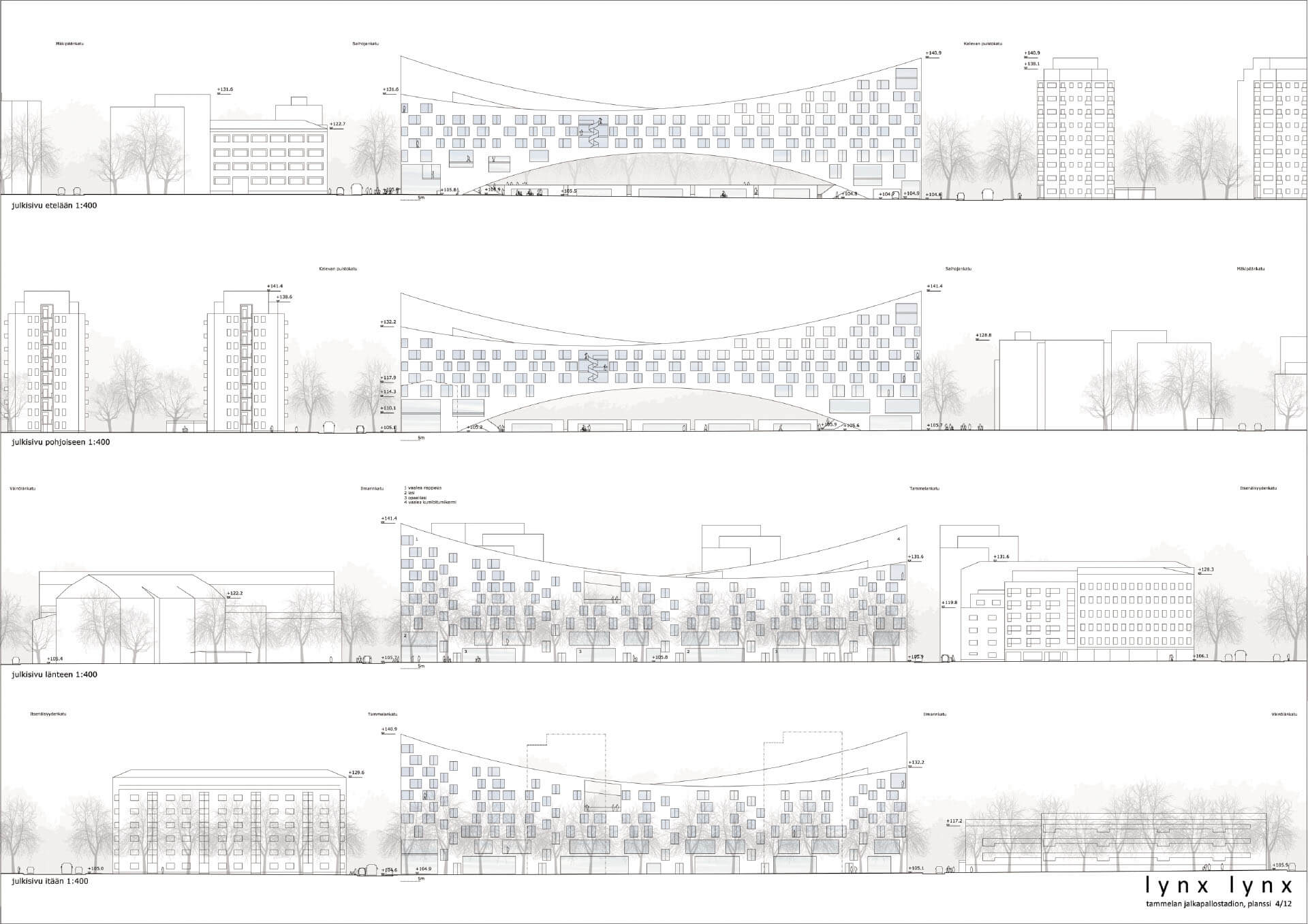
Surroun­ding the pitch with buil­dings from all four sides makes the block effi­cient and finan­ci­ally sustainable without making the stadium too massive in valuable historic setting. The City of Tampere aims to finance the public stadium project by selling the buil­ding right for the housing on top of the stadium. As the audi­ence surrounds players from all four sides the bowl like space is spati­ally very intense. The heights of the crown like block’s tips have been carefully adapted to surroun­ding buil­dings. By pushing down the middle parts of the sides, the neigh­bors’ long views have been preserved and the school cour­tyard still gets direct sunlight. The home team of Tampere is called Ilves meaning lynx. You can see refe­rences to lynx’s ear tufts or the flight path of a foot­ball in the form of the block.

Archi­tect

avanto archi­tects ltd
kale­van­katu 31 a
3 fi – 00100 helsinki
finland

Client

City of Tampere

Address

Kalevan puis­totie 21
33500 Tampere
Finland

Aerial view

Thank you, Google!

Enter from all four corners

You may enter the stadium from all four corners. It is easy to find the entrances that are situated under the vaulted ceiling of buil­ding masses at the ends of the field. As required by UEFA, it is possible to arrange a sepa­rate entrance and stand for a visitor team. The most public func­tions, the restau­rant and the gym, have been placed in the block corners so that they are easy to reach. The idea is to open the buil­ding for the local resi­dents as well. All spaces are flexible and can be used by diffe­rent users during diffe­rent times of the day so that the use ratio of spaces can be raised. The hybrid block housing various func­tions is active 24/7.

The field is oriented North-South and the main stand with TV cameras is on the West side, accor­ding to UEFA instruc­tions. As the bridge like buil­dings on rein­forced concrete arcs on the short ends need no columns, even the end stands have unob­s­tructed views to the field. The stands can tempo­r­a­rily be extended to fill the highest UEFA cate­gory 4.

Living in a stadium

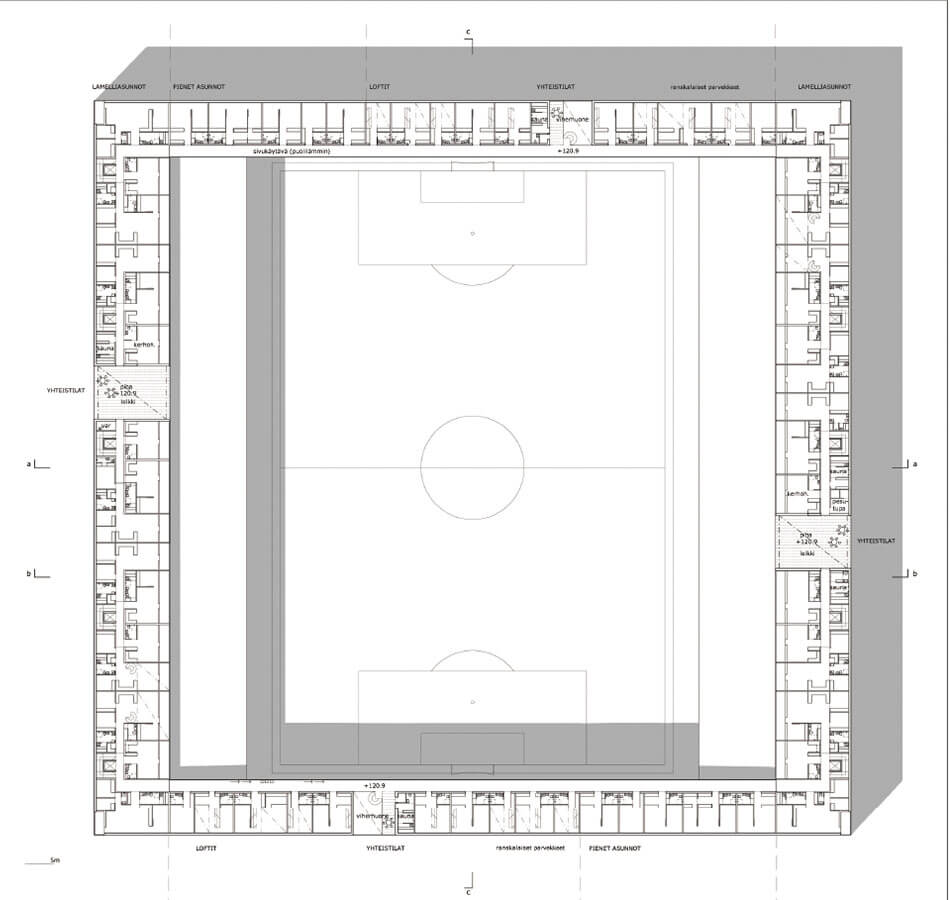
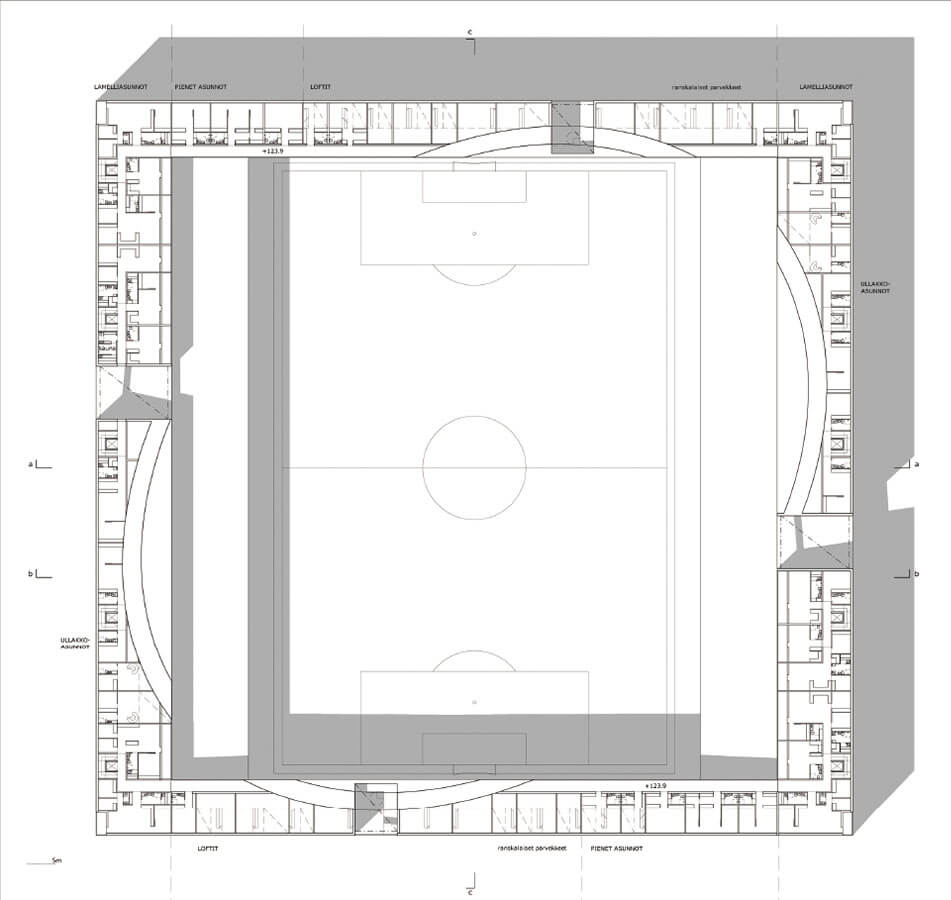
As the buil­ding volume is rela­tively thick, many diffe­rent types of housing can be built. The proposed student flats coun­ter­ba­lance the demo­gra­phic struc­ture of the area with mostly elderly people. Special emphases was put to the social sustaina­bi­lity of the project. The sense of commu­nity is created by intro­du­cing various common spaces like green conser­va­to­ries and saunas with exten­sive roof terraces. The gene­rous side-corridor provides extra space for storing a bicycle, urban gardening or even watching a match inside the stadium with your neigh­bors. The upper­most floor with curved roof houses loft apart­ments with varying ceiling height.

Ground plans

Eleva­tions + Sections

GDPR Cookie Consent with Real Cookie Banner