
Learning from Iceland
SOAK – Rituals of Collective Belonging
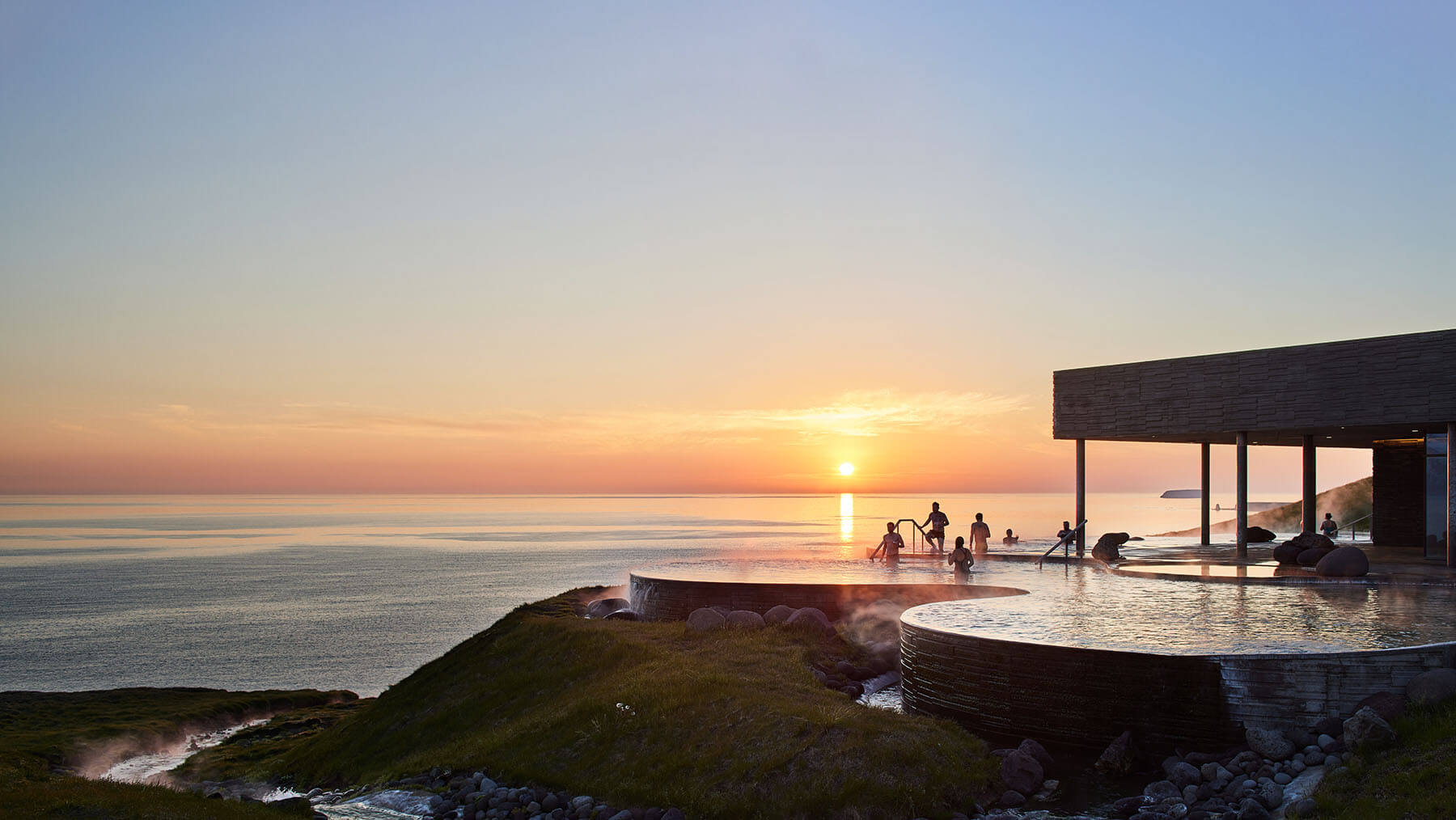
When people talk about swimming pools, the conversation usually revolves around pool sizes, water treatment, energy solutions, or operating costs. Sometimes it’s about architecture. But it’s almost never about what happens between people.
That is precisely where Iceland’s contribution to the 20th Venice Architecture Biennale comes in.

Why Swimming Pools Are More Than Just Swimming Pools
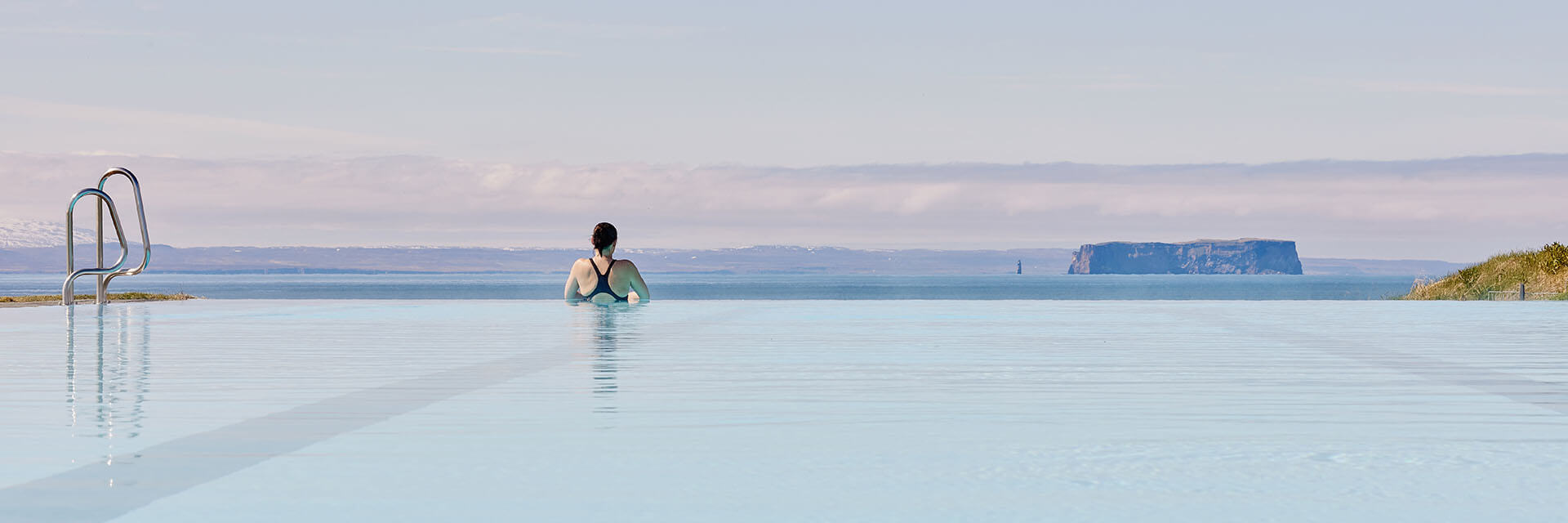
Under the title SOAK – Rituals of Collective Belonging, the pavilion does not focus on spectacular architectural forms or visionary structures. Instead, it centers on an everyday question: Why are public swimming pools among the few places where people still encounter one another as a matter of course?
The answer is surprising because it’s so simple.
A Lesson from Iceland
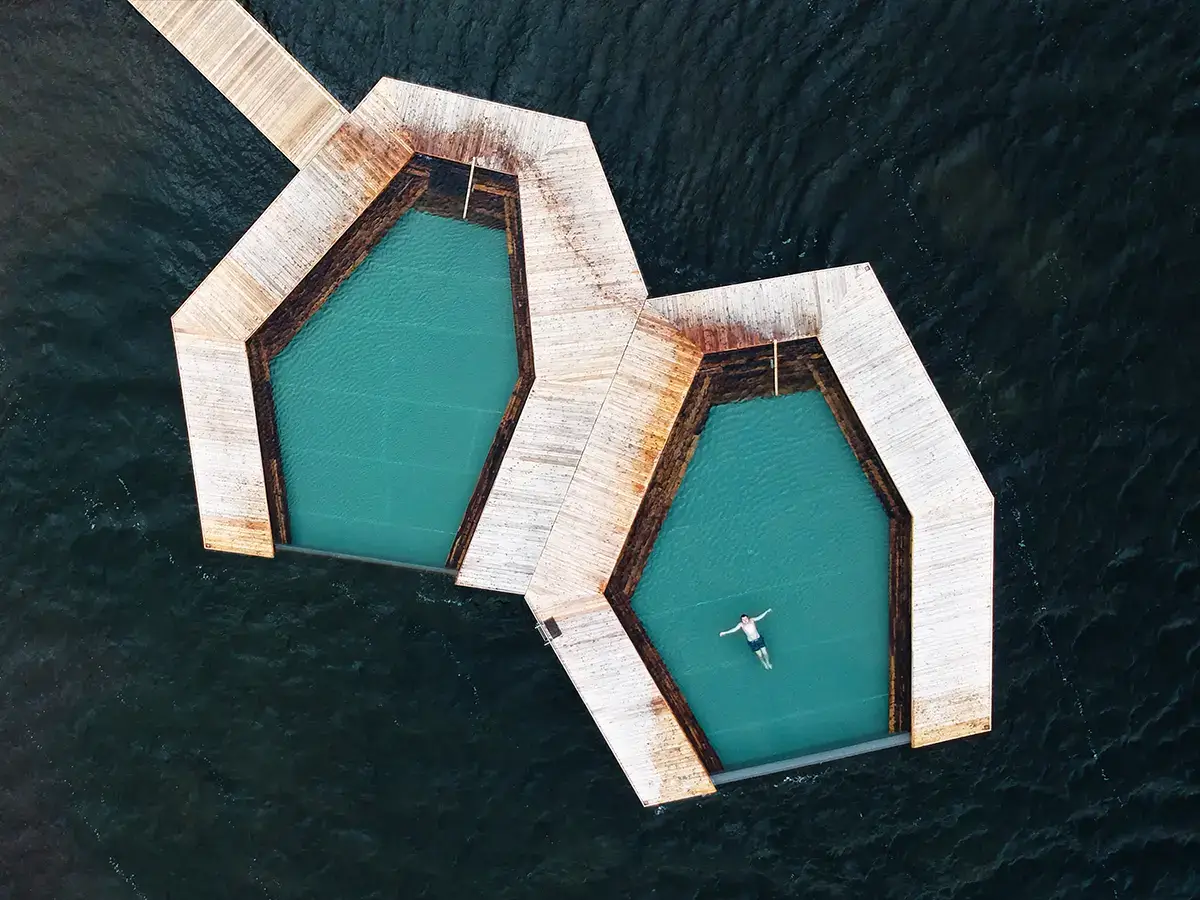
In the water, background, occupation, income, or social status suddenly matter very little. Swim trunks and swimsuits replace uniforms and suits. Children splash around next to retirees, competitive athletes sit next to tourists in the hot tub, and neighbors strike up conversations even though they’ve known each other for years only from passing by in their cars. Swimming pools foster encounters without forcing them.
That is precisely why the Icelandic Pavilion views the bathhouse not as a recreational facility, but as social infrastructure.
When Architecture Brings People Together
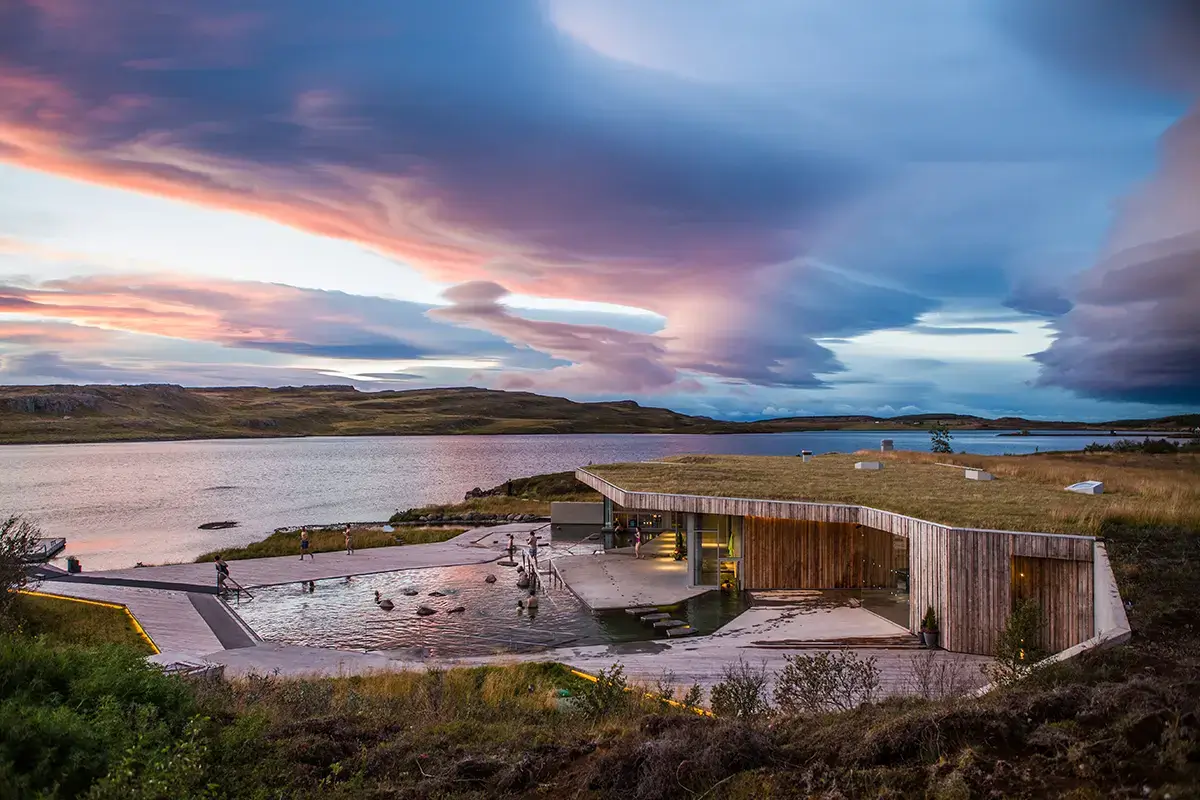
Not every architectural statement requires a spectacular building. Sometimes a pool of warm water is enough.
With SOAK – Rituals of Collective Belonging, Iceland is presenting a contribution to the 20th International Architecture Exhibition of the Venice Biennale that focuses less on architecture as an object and more on its social impact. The focus is on Icelandic bathing culture—and thus on an infrastructure that has been bringing people together for generations.
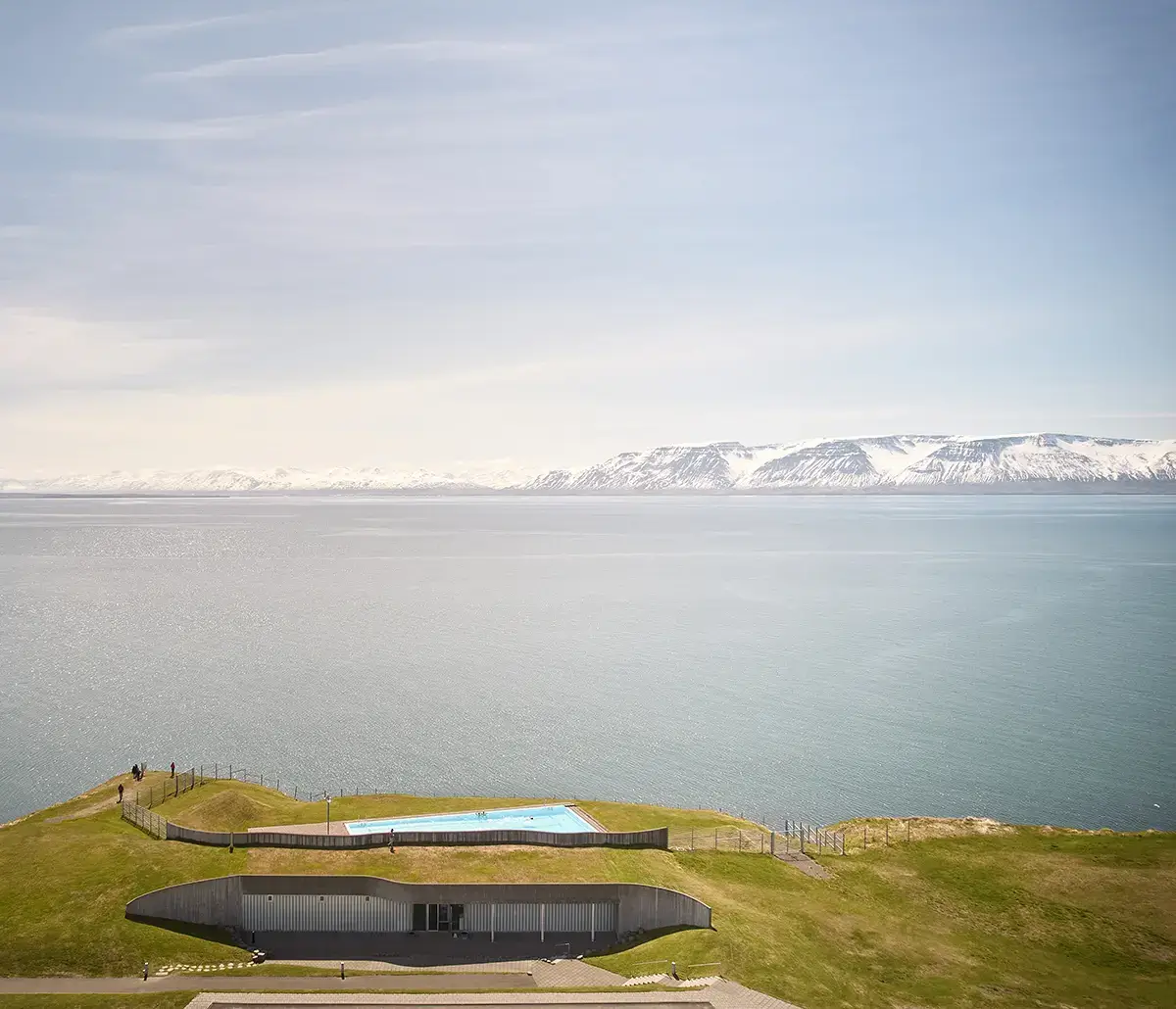
Water as a Public Space
SOAK asks: How can we create spaces where people can reconnect with one another?
This question seems more relevant than ever. Digitalization, remote work, and social polarization are changing the way people live together. In many places, public spaces are losing their traditional role as places of encounter. The Icelandic Pavilion therefore conceives of the geothermally heated indoor swimming pool as a counter-model—as a democratic space where social differences fade into the background for a moment.
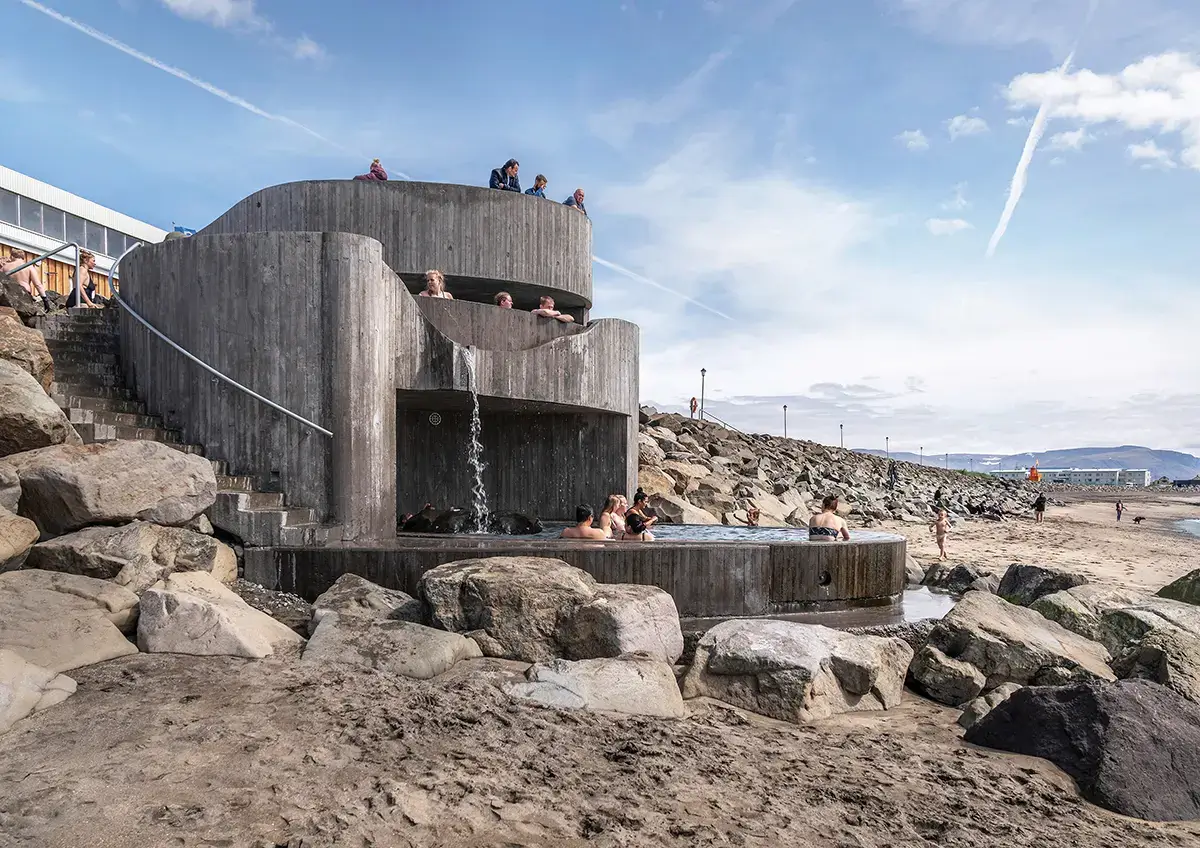
Water as Social Infrastructure
Curator Marcos Zotes developed the exhibition in collaboration with his partners at Basalt Architects, the design studio Gagarin, and illustrator and author Rán Flygenring. Together, they explore not the architecture of individual swimming pools, but the rituals that take place there every day.
Anyone who has ever visited an Icelandic thermal bath knows this special atmosphere. Families, teenagers, retirees, tourists, and working professionals share the same pools, strike up conversations with one another, or simply enjoy the shared tranquility. Swimwear takes the place of status symbols. Age, occupation, and social status lose their significance.
SOAK therefore describes these places as social infrastructure—just as important to the functioning of a society as roads or public transportation. Water becomes a medium for interaction, and architecture a framework for community.
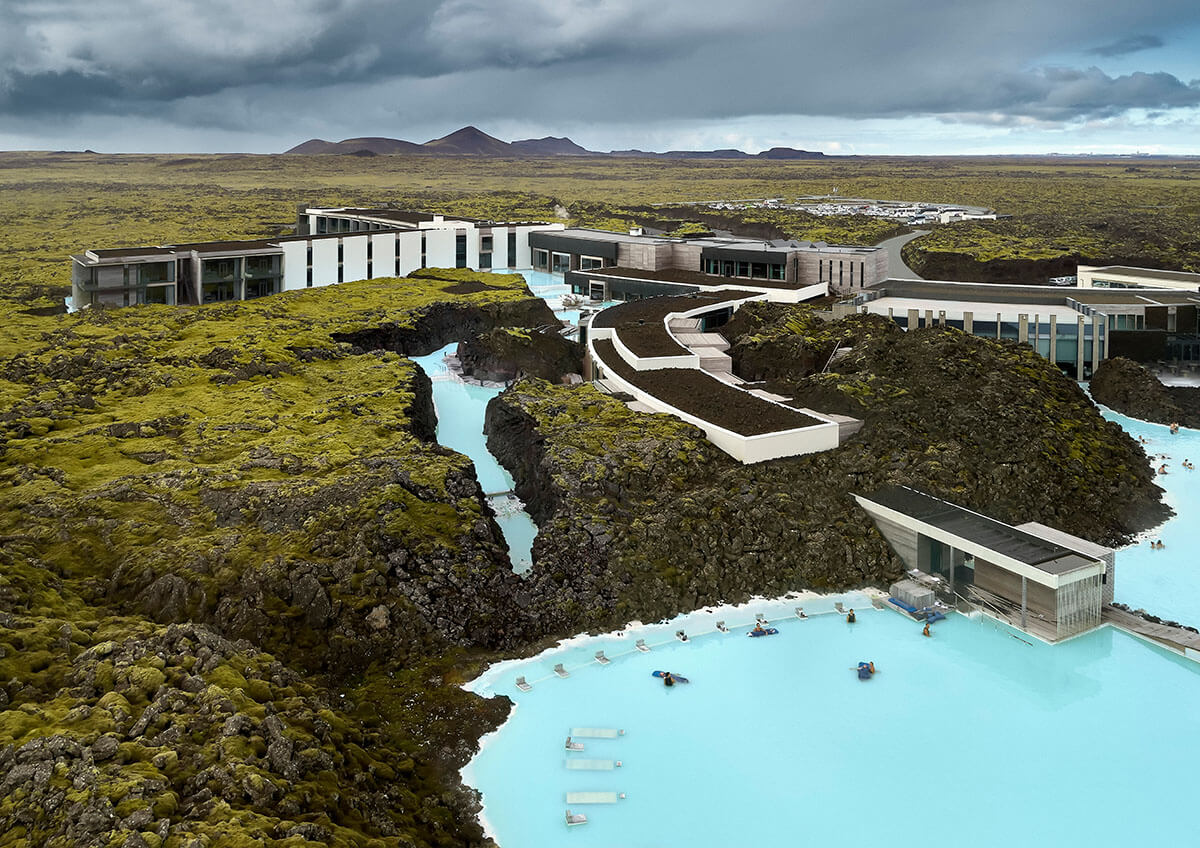
The Message
This shift in perspective is likely to be of particular interest to planners of sports and recreational facilities.
Swimming pools, sports arenas, and sports parks are often described in terms of key metrics: water surface area, visitor numbers, energy consumption, or suitability for competitions. SOAK reminds us that these buildings are always part of the social infrastructure as well. They create places where people come together regardless of their background, age, or income.
In this way, the Icelandic Pavilion directly ties in with the Biennale’s theme, “Do Architecture – The Possibility of Coexistence in the Face of Real Reality.” Architecture is understood here not as a spectacular object, but as a tool for better coexistence.
Project data
(Links are underlined)
Planner
Basalt Architects (Hrólfur Karl Cela, Marcos Zotes, Perla Dís Kristinsdóttir)
Gagarin (Kristín Eva Ólafsdóttir, Nils Wiberg)
Commissioner
Halla Helgadóttir / Iceland Design and Architecture
Curator
Marcos Zotes
Exhibition
May 8 – November 21, 2027
Photos
Basalt Architects
Gagarin
Rán Flygenring
Text
Johannes Bühlbecker
More Sports Media
More exemplary buildings for sport and leisure
Subscribe to our newsletter.
Every three weeks, we inform you about new and exemplary projects and products. With heart, drive and expertise.