
Heat from Wiesental
The Energy Renovation of Wiesentalbad in Bochum
Amenities & Special Features
- 50 × 25 meter competition pool made of coated stainless steel modules
- Teaching pool
- Pool covers
- Air-supported structure
- Heat supply with geothermal energy, ambient air, and heat pumps
Address
Wiesental Outdoor Pool
Am Wiesengrund 18
44795 Bochum
Heat Supply
2026
Photos
SV Blau-Weiß Bochum
Björn Boltz
More Sports Media
Text
Johannes Bühlbecker
More Sports Media
First a new pool, then covers, and finally a new heat supply: SV Blau-Weiß Bochum has renovated its Wiesentalbad over several years in three steps. The first operational comparison shows 74% less gas consumption.
The Future Always Begins Now
Gaining more control over its own energy costs is not an abstract future question for SV Blau-Weiß Bochum as the operator of the year-round Wiesental outdoor pool. The COVID years and the development of gas prices have drastically shown the club how vulnerable operations can be to external crises. In Wiesental, these experiences reinforced a course that the club had already embarked on with the pool renovation in 2021: to keep the pool viable in the long term, step by step.
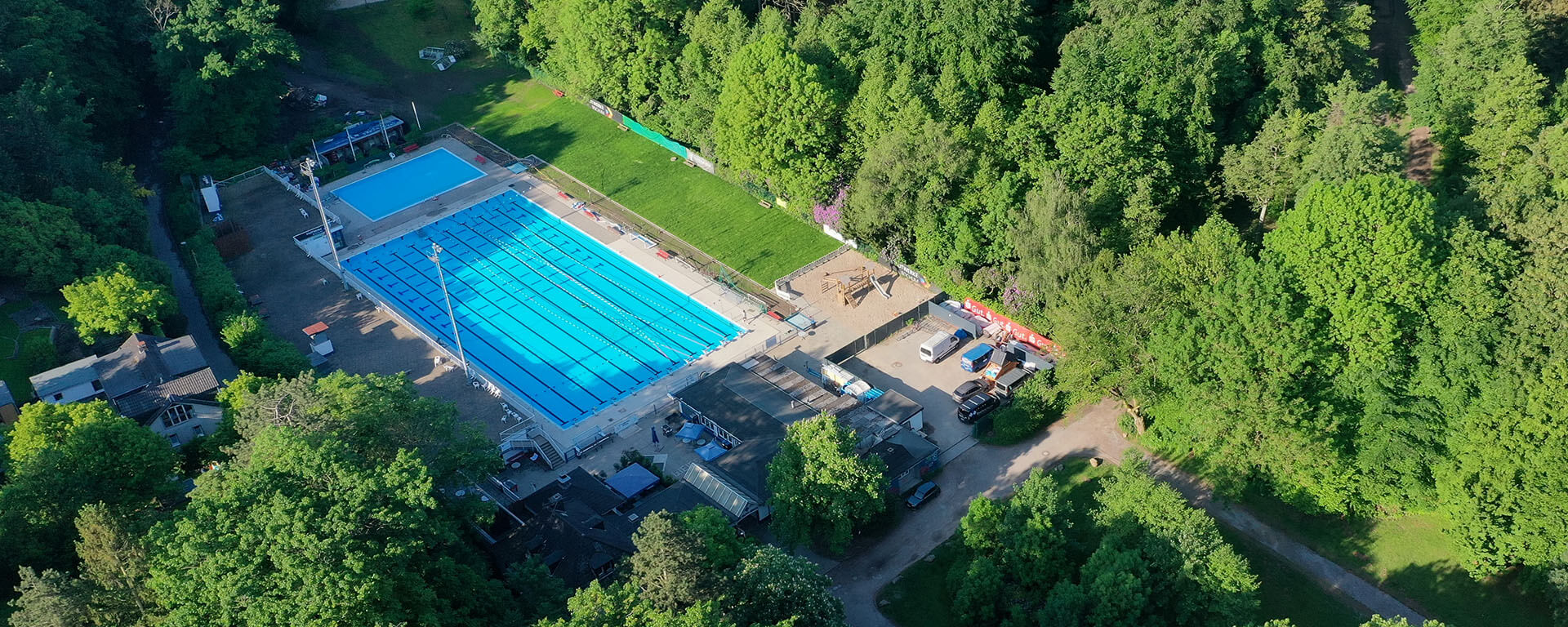
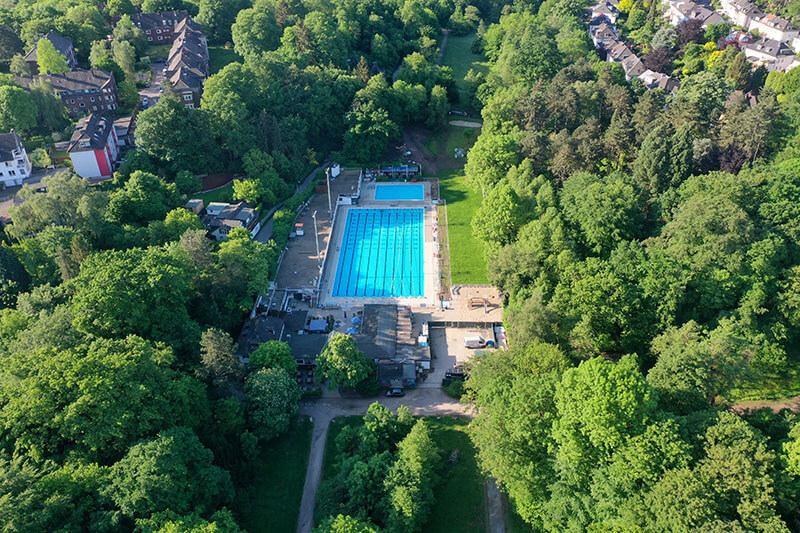
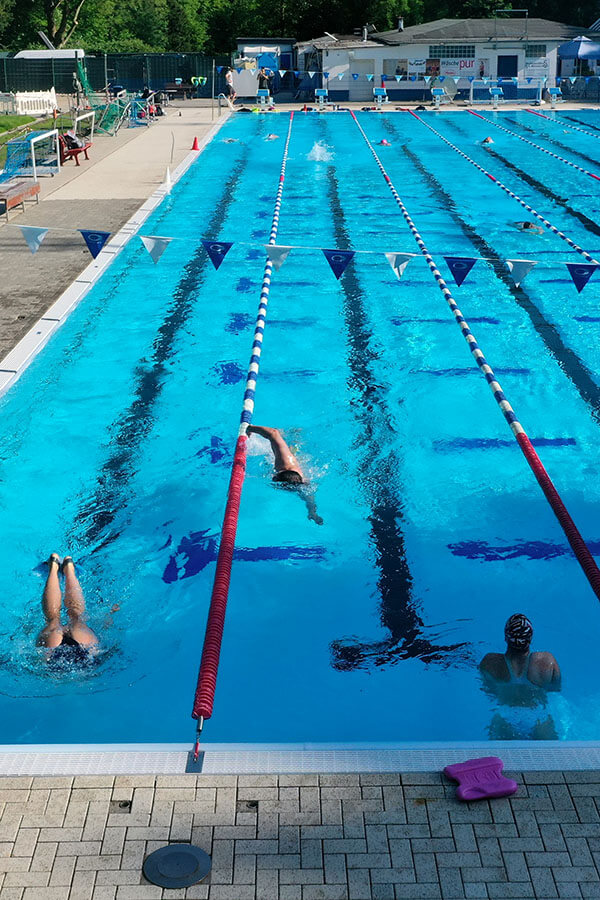
The Wiesentalbad is an outdoor pool only by name. From October to April, an air-supported structure spans the main pool, allowing swim training and water polo to continue in winter. The club estimated its previous annual gas consumption at around 2.5 million kilowatt-hours.
A Pool for Many Years
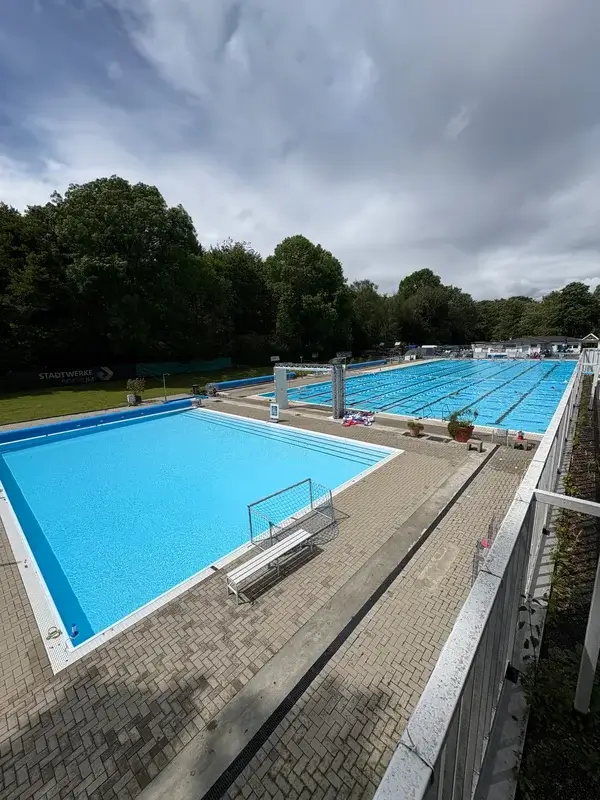
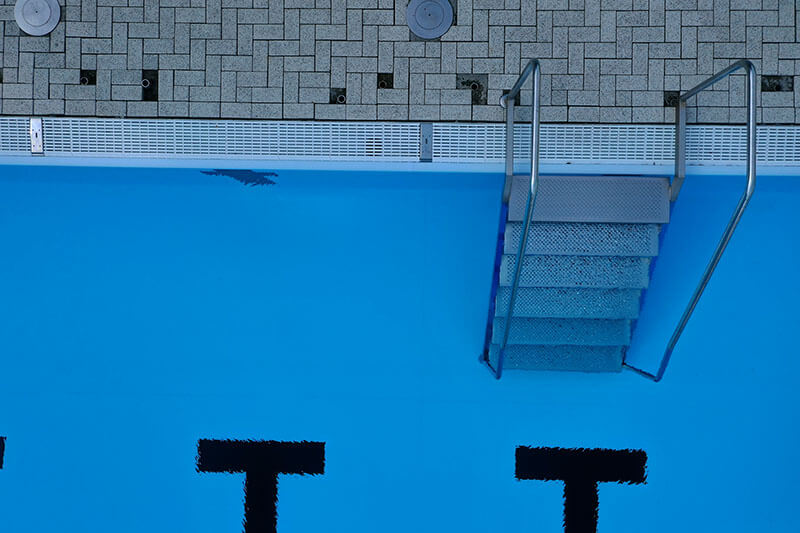
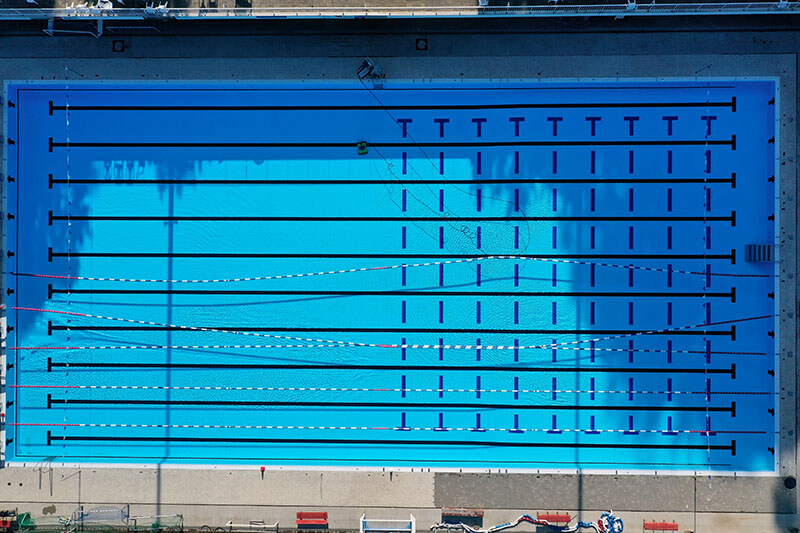
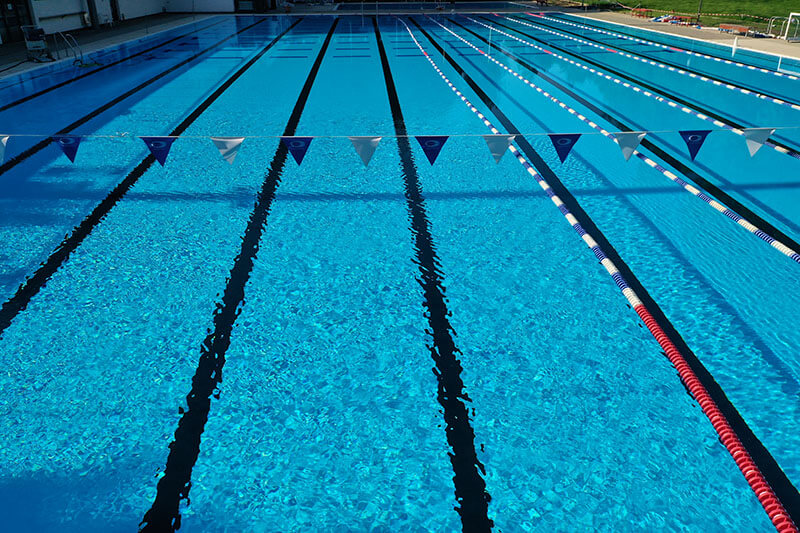
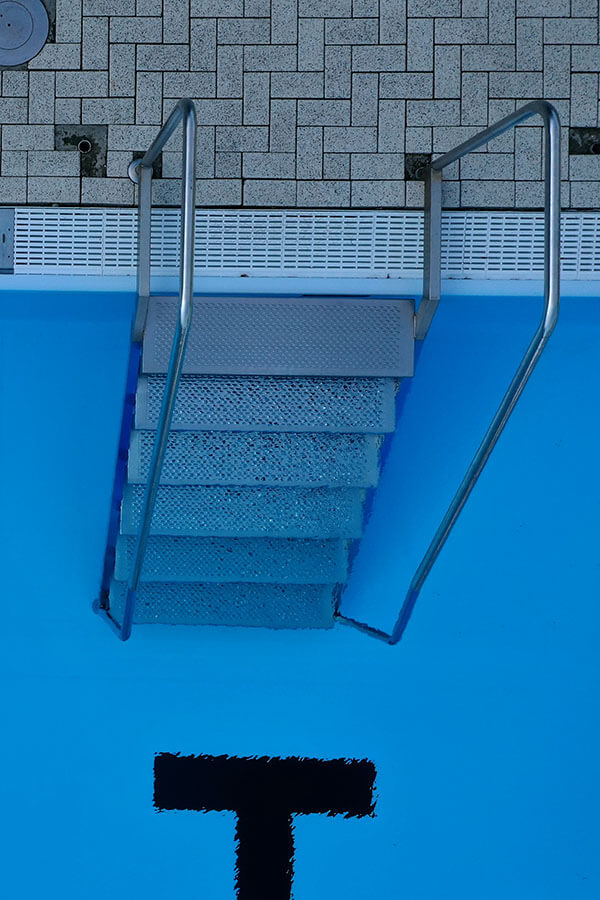
The first stage was the renovation of the 50-meter pool. In 2021, Myrtha Pools replaced the old foil pool with a construction made of coated stainless steel modules. The elements were assembled and sealed on site. This allowed for a short construction period and created a robust competition pool for swimming and water polo. We have already reported on the pool renovation.
The pool technology was future-proofed by the company LEDOS. The company from Mülheim an der Ruhr specializes in swimming pool water technology and works on water treatment, circulation, as well as measurement and control technology, among other things.
The decision for a durable, low-maintenance pool did not significantly reduce gas demand yet. However, it secured the core of the pool, whose operation the club could make less energy-intensive in the next step. Especially for a facility that continues to be used under an air-supported structure in winter, the long-term perspective over many years is crucial.

Covered Heat Stays in the Water
Since 2023, the club has been covering the pools with foils in the evenings and at night. This reduces water evaporation and heat loss. Members cover the pools themselves; it takes about half an hour for both pools. According to the club, this measure alone reduced gas consumption by about 20% in the summer months.
The covers were thus more than an interim solution. They reduced demand before a new system for its supply was planned and built. If you lose less heat, you don't have to generate it expensively in the first place.
Heat from Two Sources
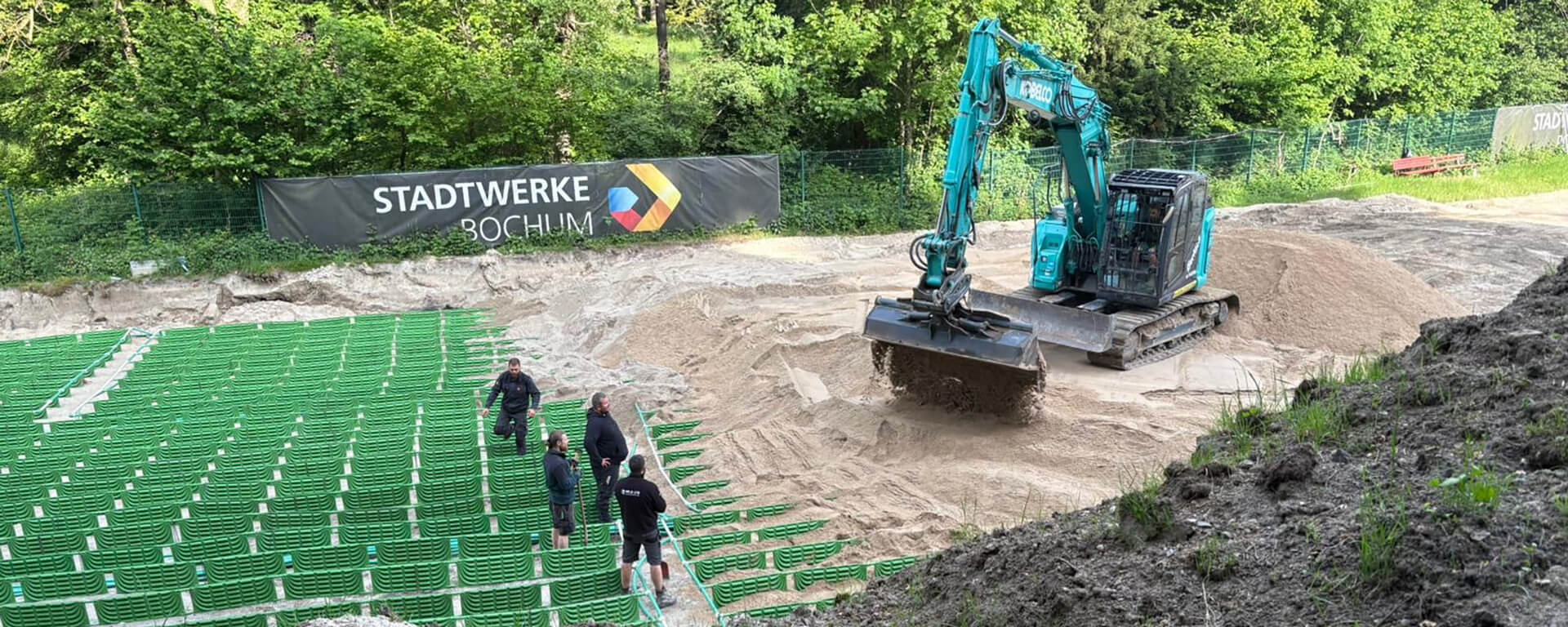
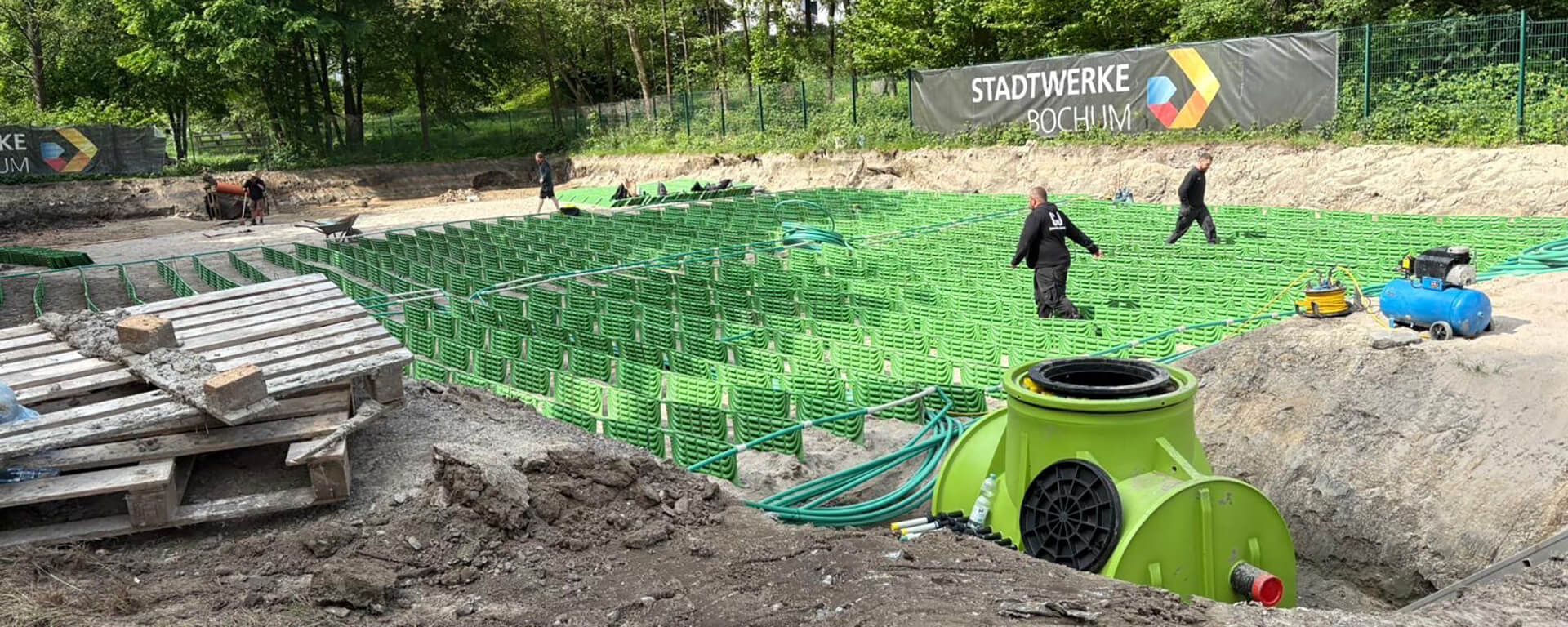
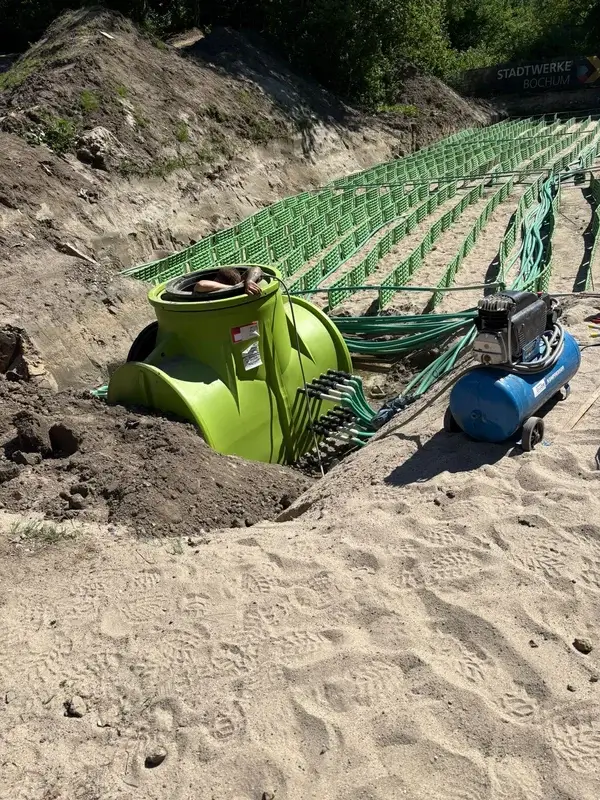
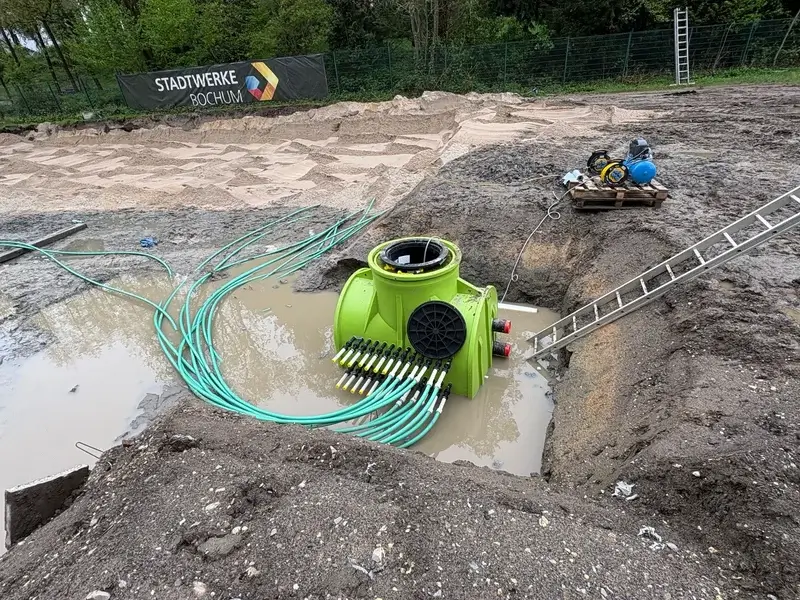
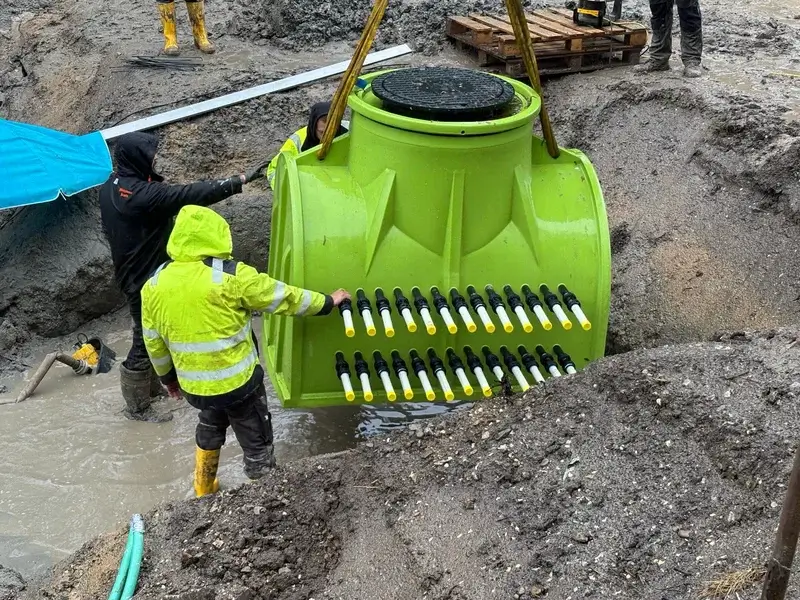
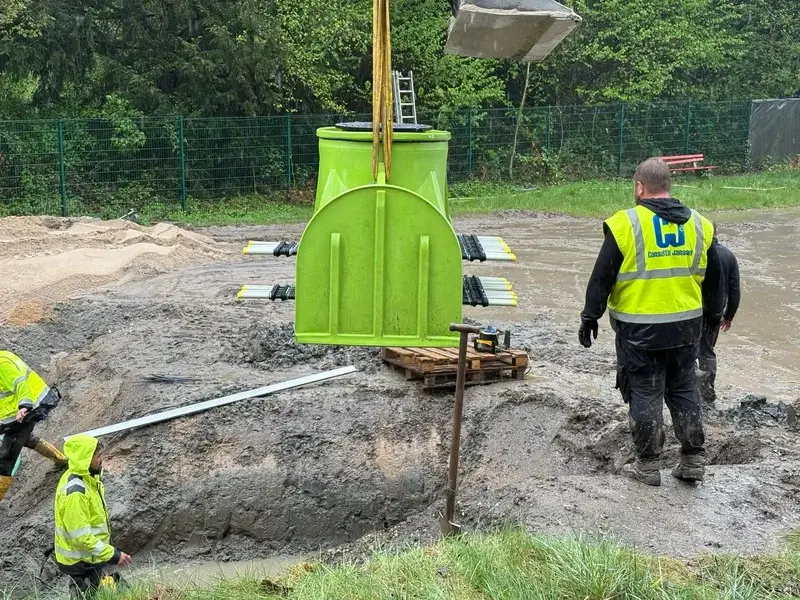
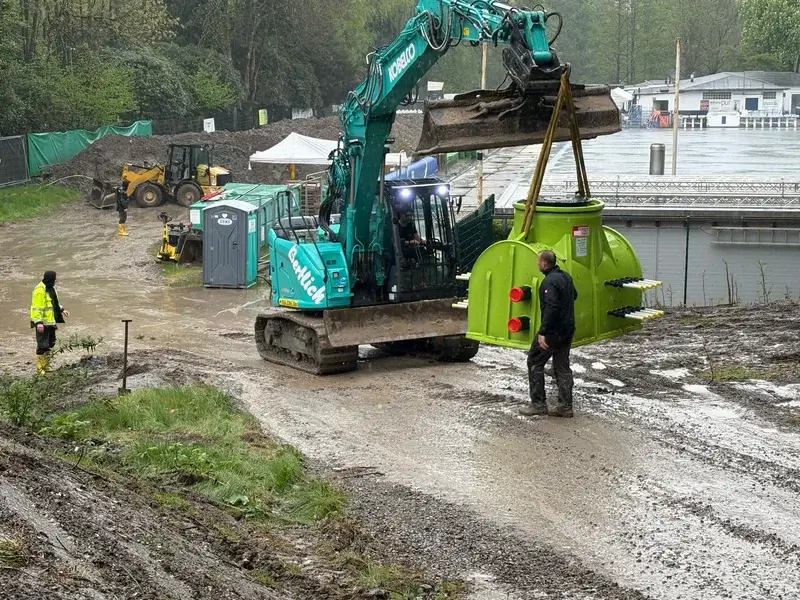
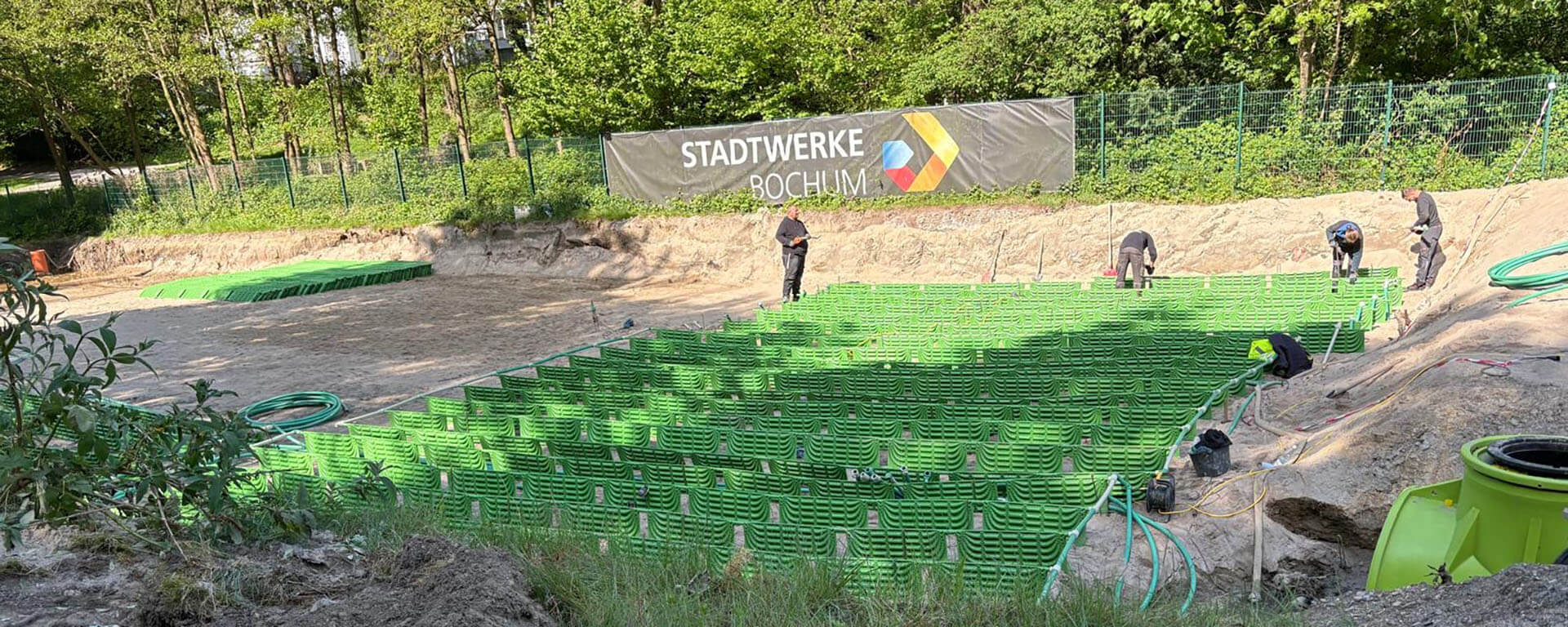
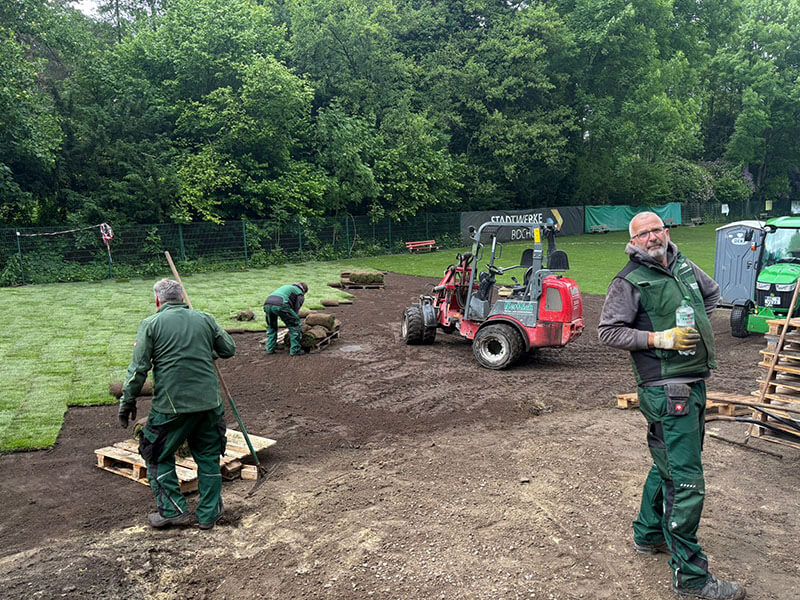
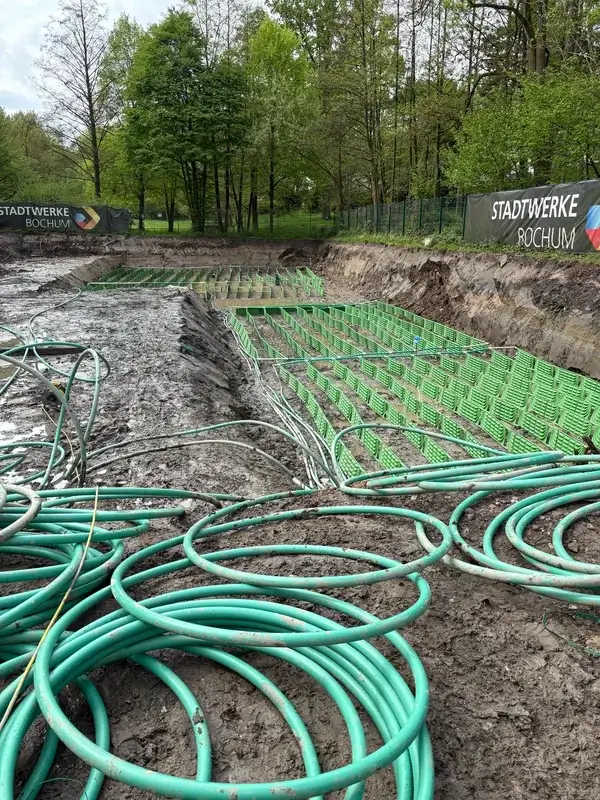
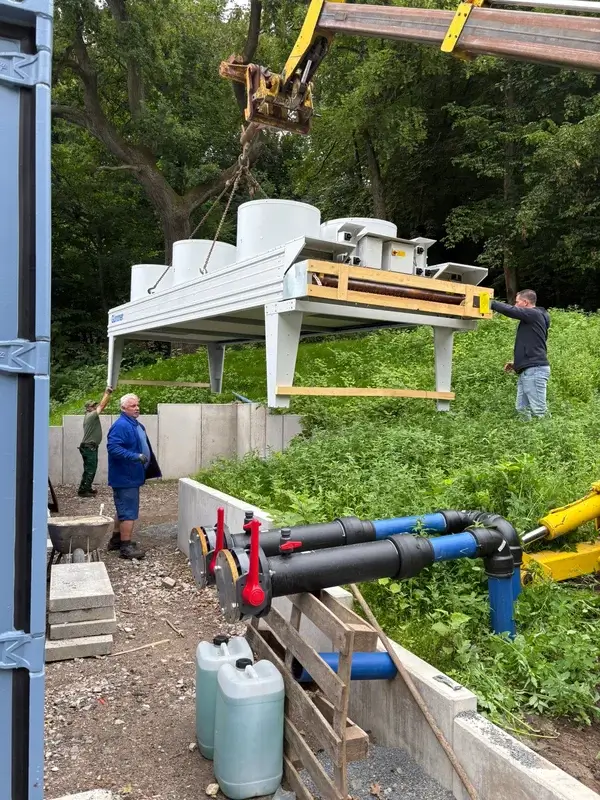
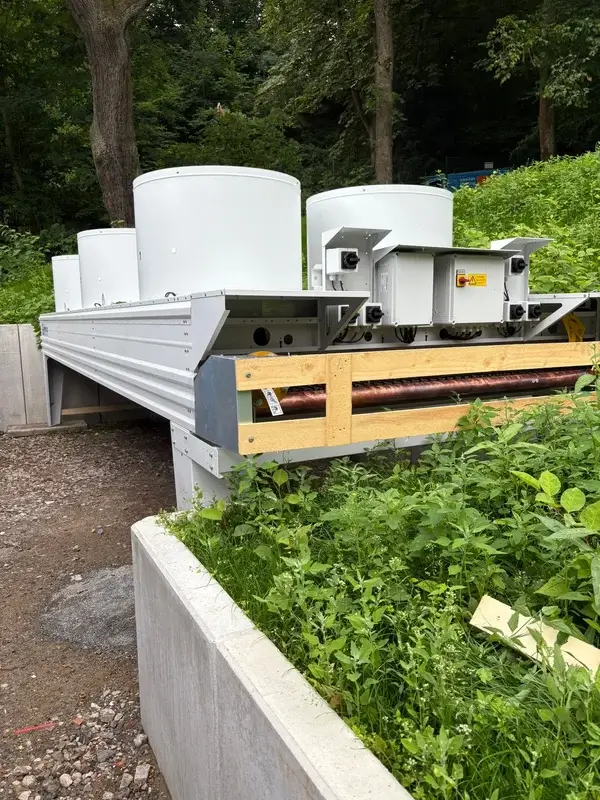
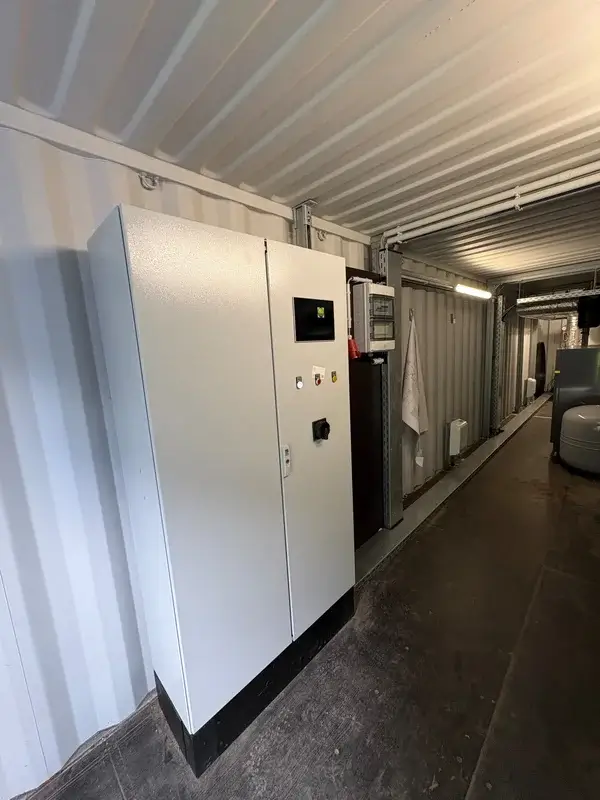
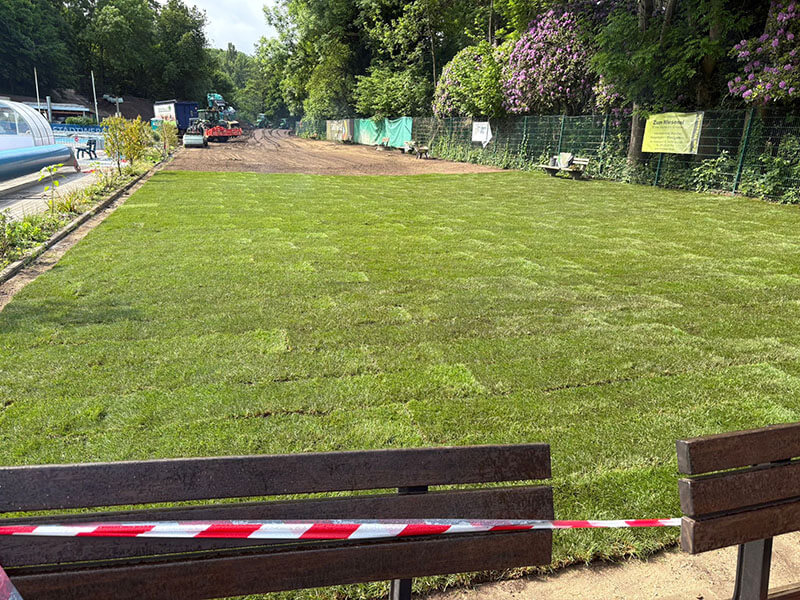
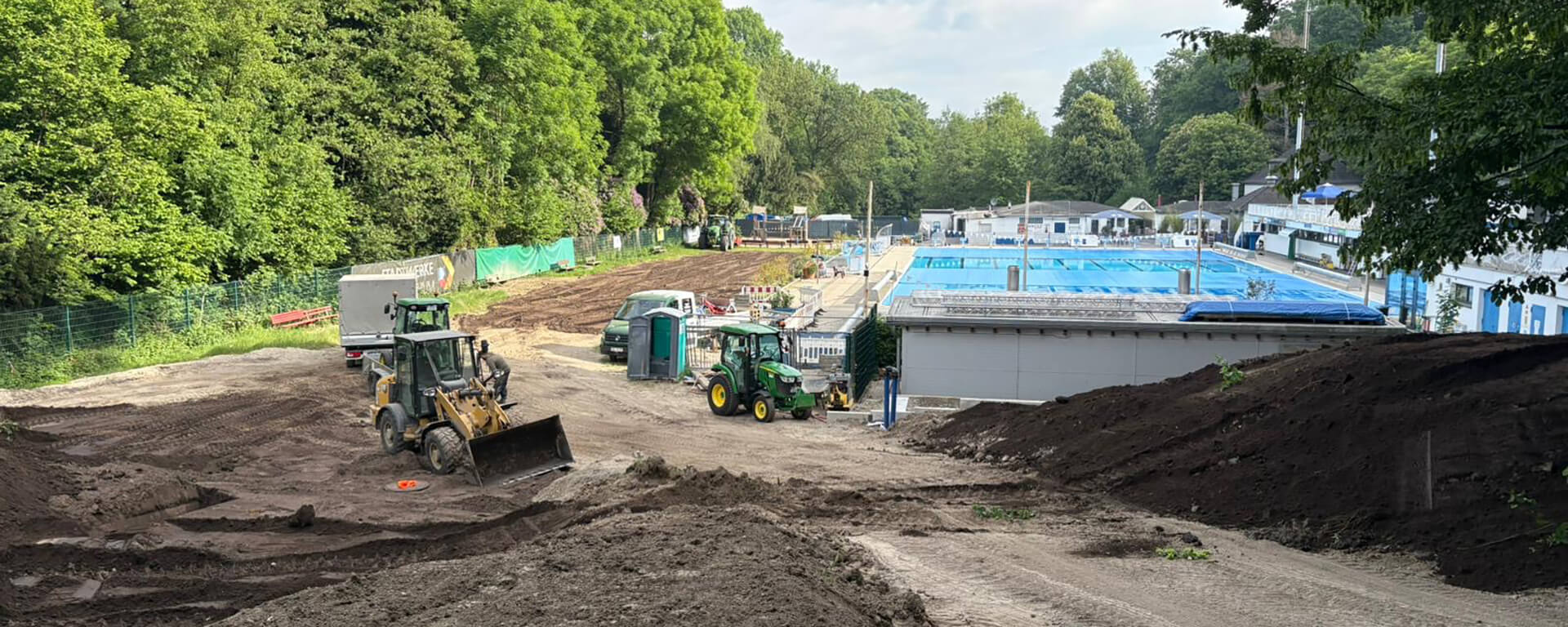
In the third stage, the club has now converted the heating of the main pool. Since April 2026, the new system combines geothermal energy with heat from the ambient air. For the installation of the geothermal collectors, large parts of the outdoor pool's sunbathing lawn were excavated. Only after extensive earthworks could the area be restored and re-sodded. A recooler and a control system integrate both heat sources into the operation of the heat pumps. The system maintains approximately two million liters of water at about 26 degrees Celsius.
For an initial comparison period, the club reports 74% less gas consumption than the average for the corresponding periods in previous years. This also includes the effect of the previously installed covers. While this is not yet an annual balance, it is at least a spectacular indication of how far the Wiesentalbad and the operating club have already come.
The club financed the conversion with subsidies, loans, and its own funds. Around 170 members and people from its environment enabled part of the financing through personal guarantees. Thus, the desire for greater independence became a task supported by many.
Next, the teaching pool is to be connected to the system. It holds only about a tenth of the water volume of the main pool but requires temperatures of 30 degrees Celsius and more. A photovoltaic system with storage is also planned. The path to a less gas-dependent heat supply is thus well advanced, but not yet complete.
What We Learn Here
-
The Wiesentalbad did not become more future-proof with a single technical solution. The club first renewed the structural foundation, then reduced heat loss, and finally changed the heat generation. How the third step affects costs and emissions will be assessed after a full year of operation. However, the initial figures are more than promising.