
EQT Track
One Hit Wonder
PlayLab
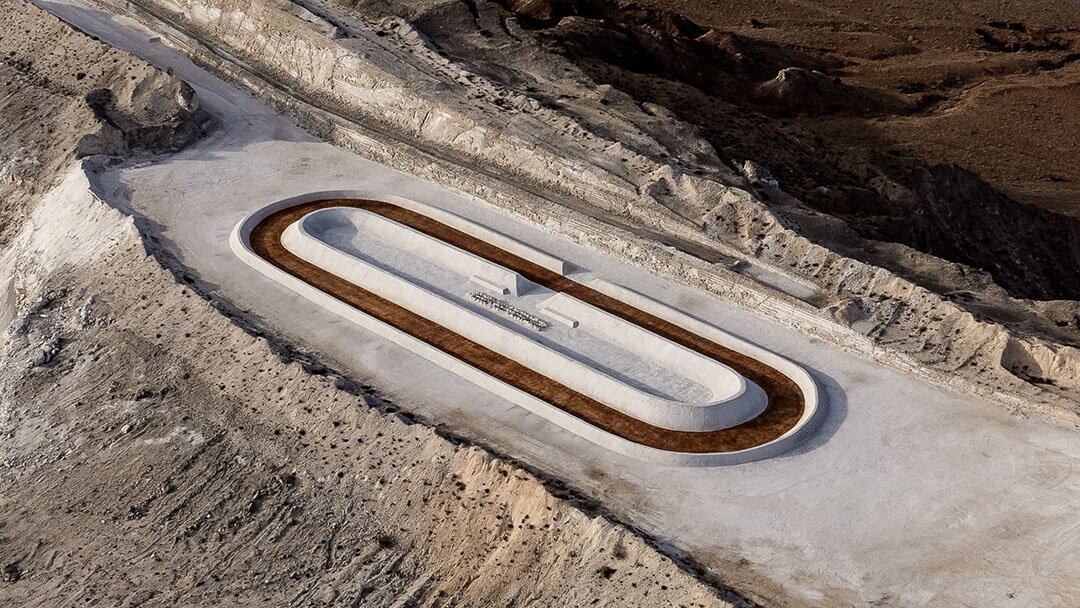
A 200-meter track made of plaster, formed in the desert sand of New Mexico: Adidas and PlayLab transform the relaunch of a running shoe into a temporary ritual of movement, material and transience.
Relaunch
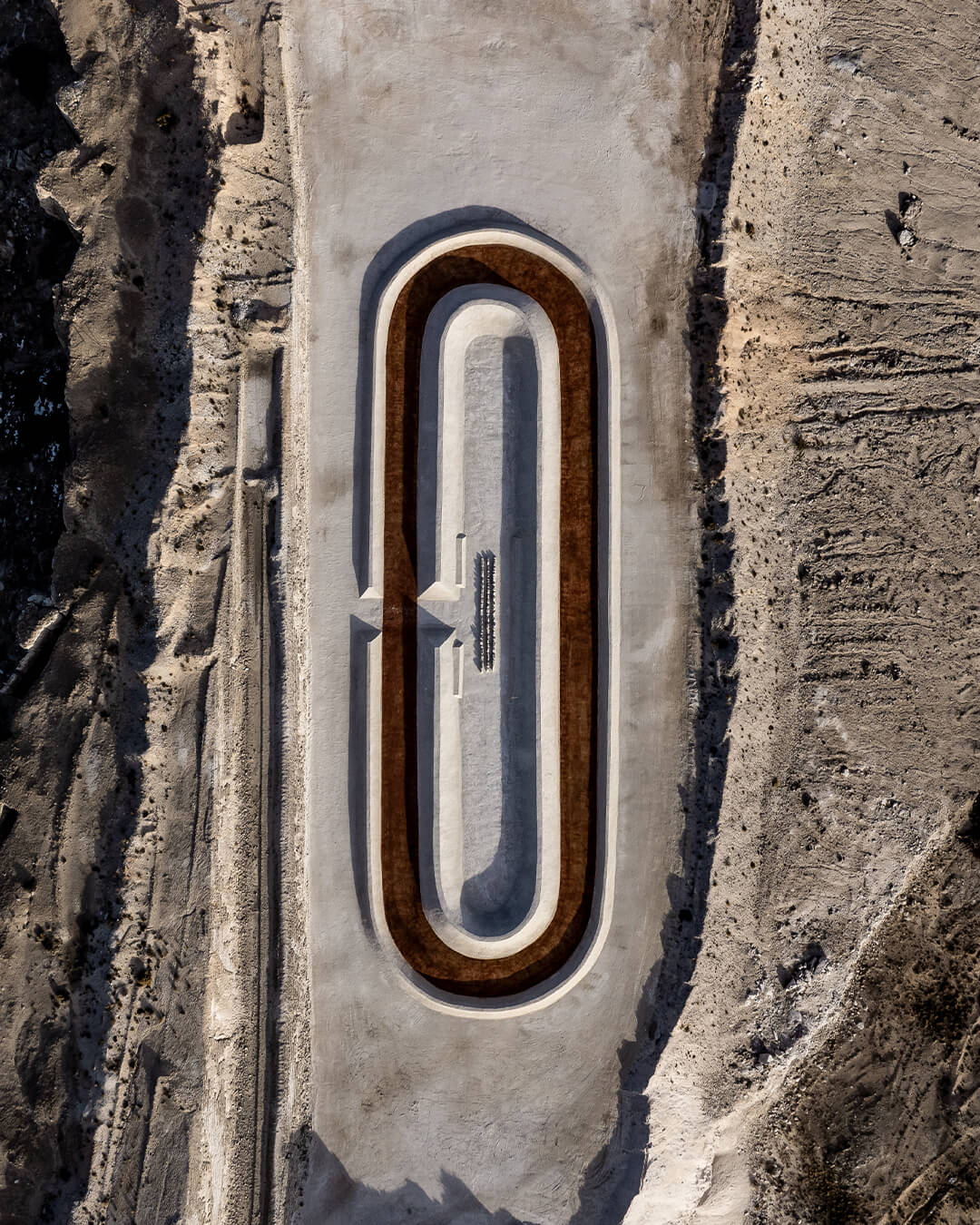
In northern New Mexico, where the sky hangs deep blue over a white landscape covered in plaster dust, a structure was built for a few days at the end of 2024 that was more sculpture than sports facility: a 200-metre-long running track, formed from the earth, born from the place – and destined to return to it: the “EQT Track”.
Adidas and the PlayLab design studio created an installation in an active gypsum quarry near Santa Fe that combines sports architecture and landscape for a short time. The EQT Track is neither a stadium nor a training center, but a landscape intervention; a temporary monument to movement itself.
The occasion was the product (re)launch of a traditional shoe from Adidas: the relaunch of the “Adidas EQT” line.
Architecture made of dust and time
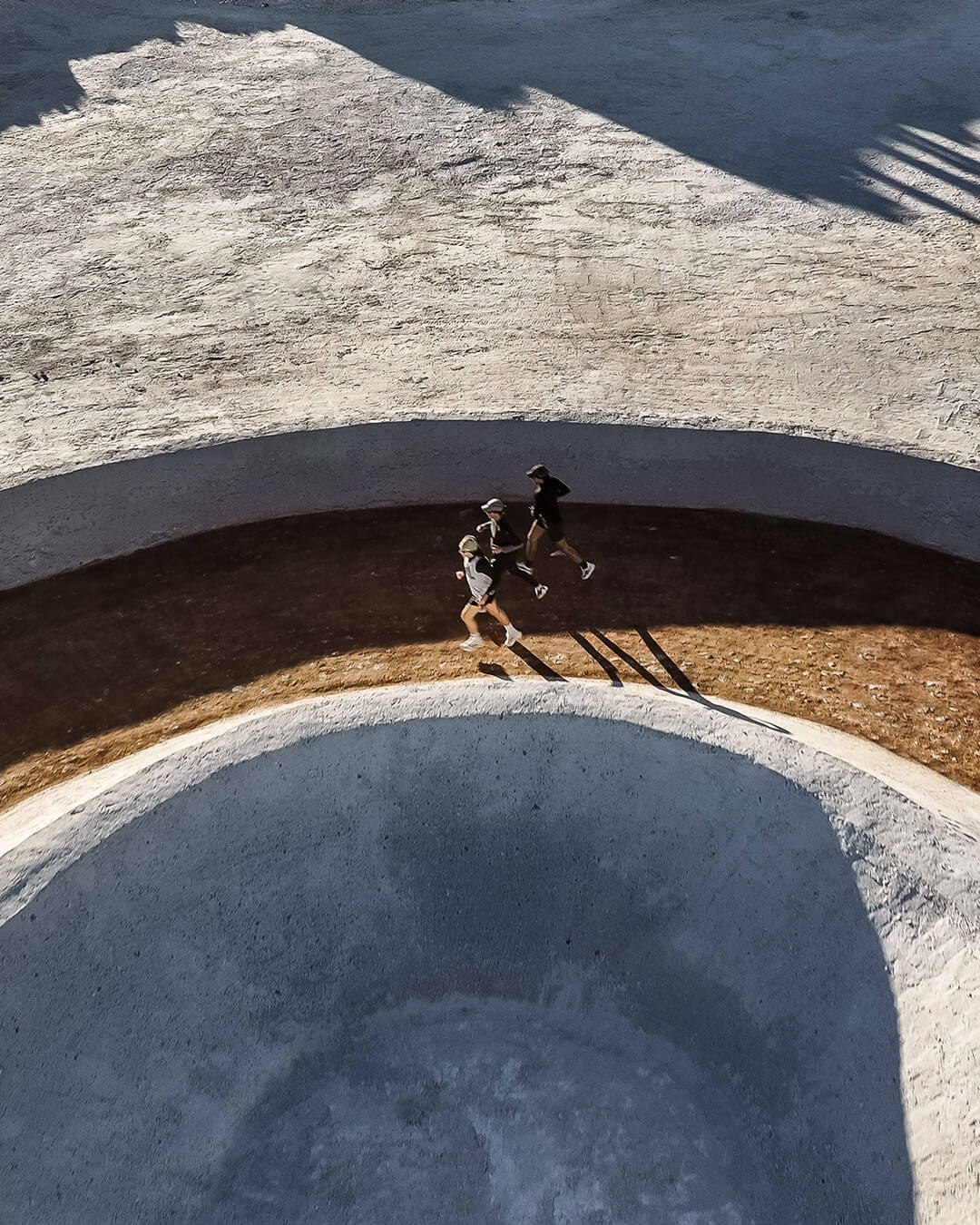
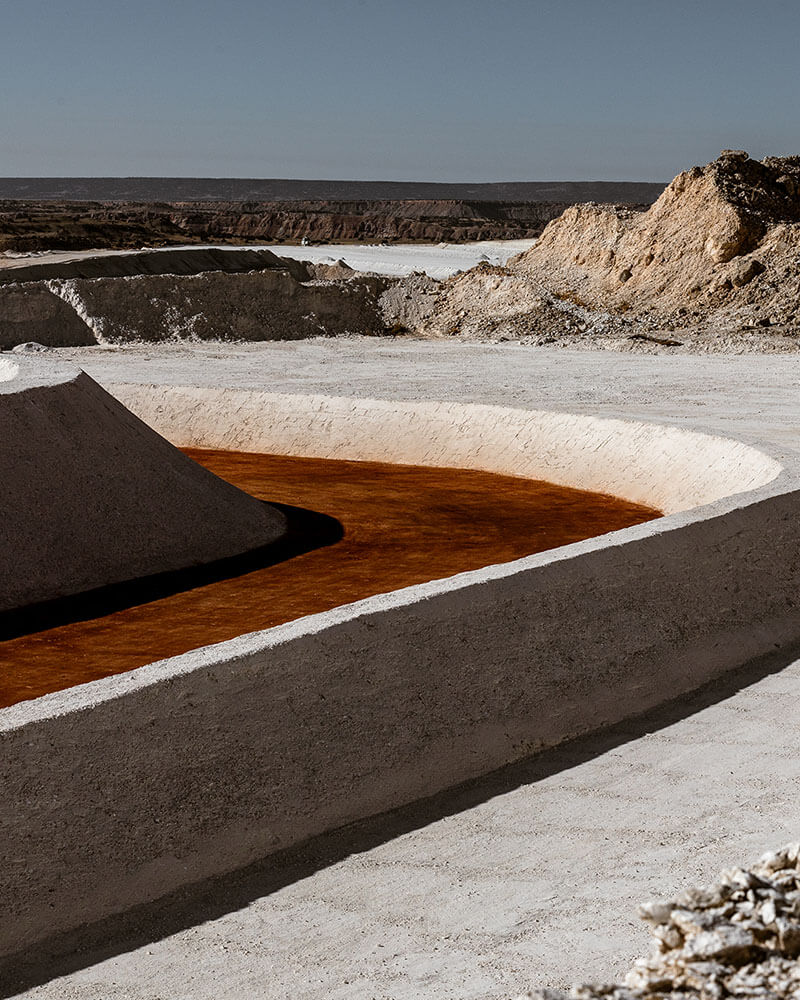
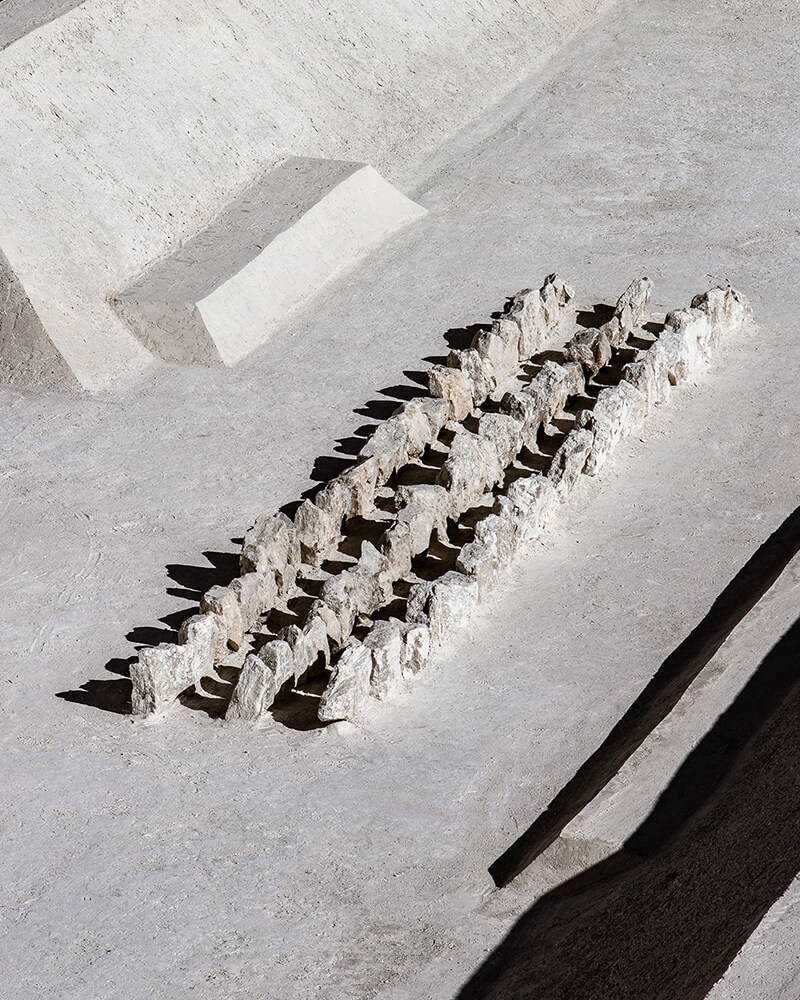
The running track was built entirely from found materials: Plaster, sand, water and biodegradable pigments. No asphalt, no plastic, no imported building materials. The surface was shaped, compacted and given a soft, shimmering white finish that blends almost invisibly into the landscape in the sunlight.
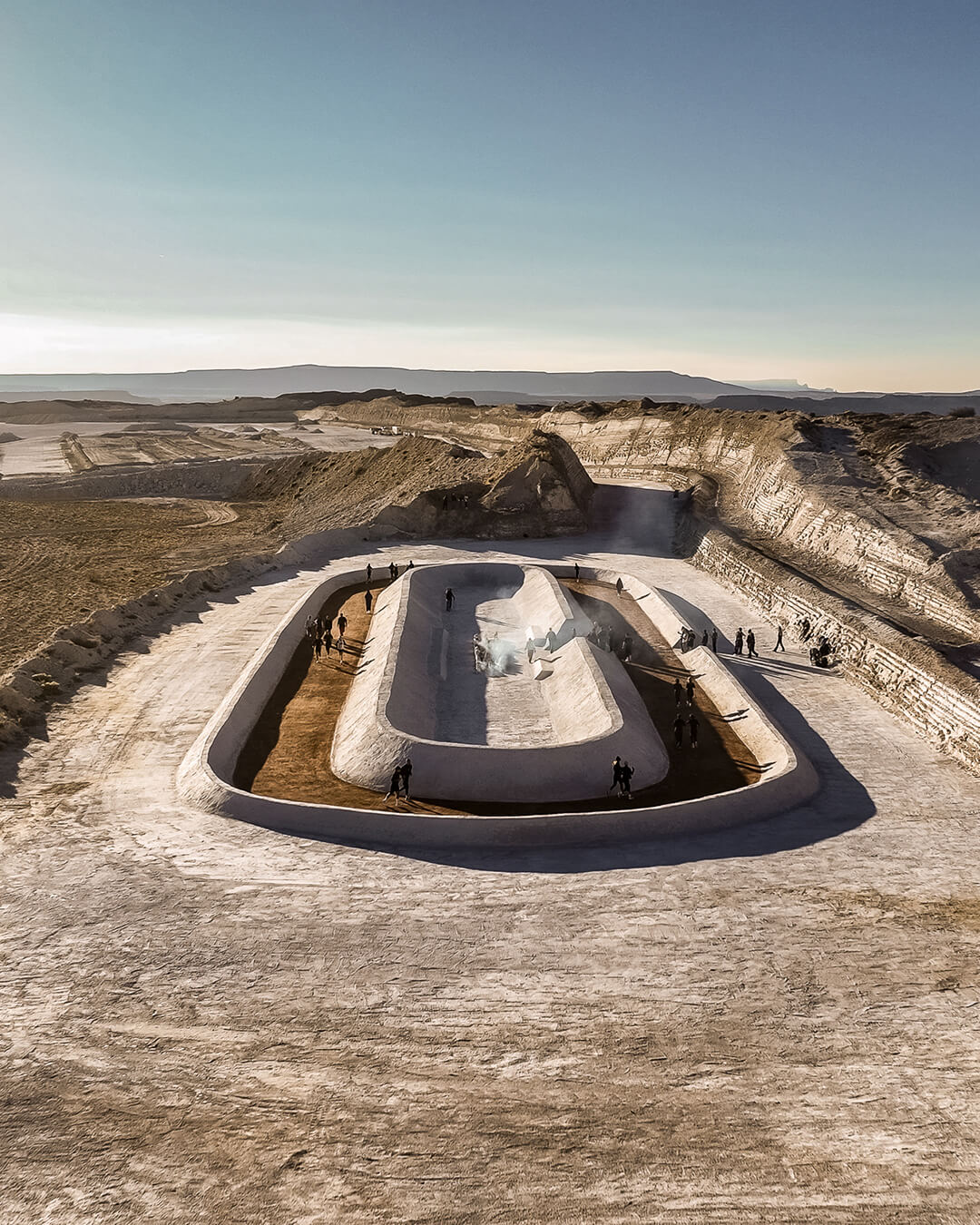
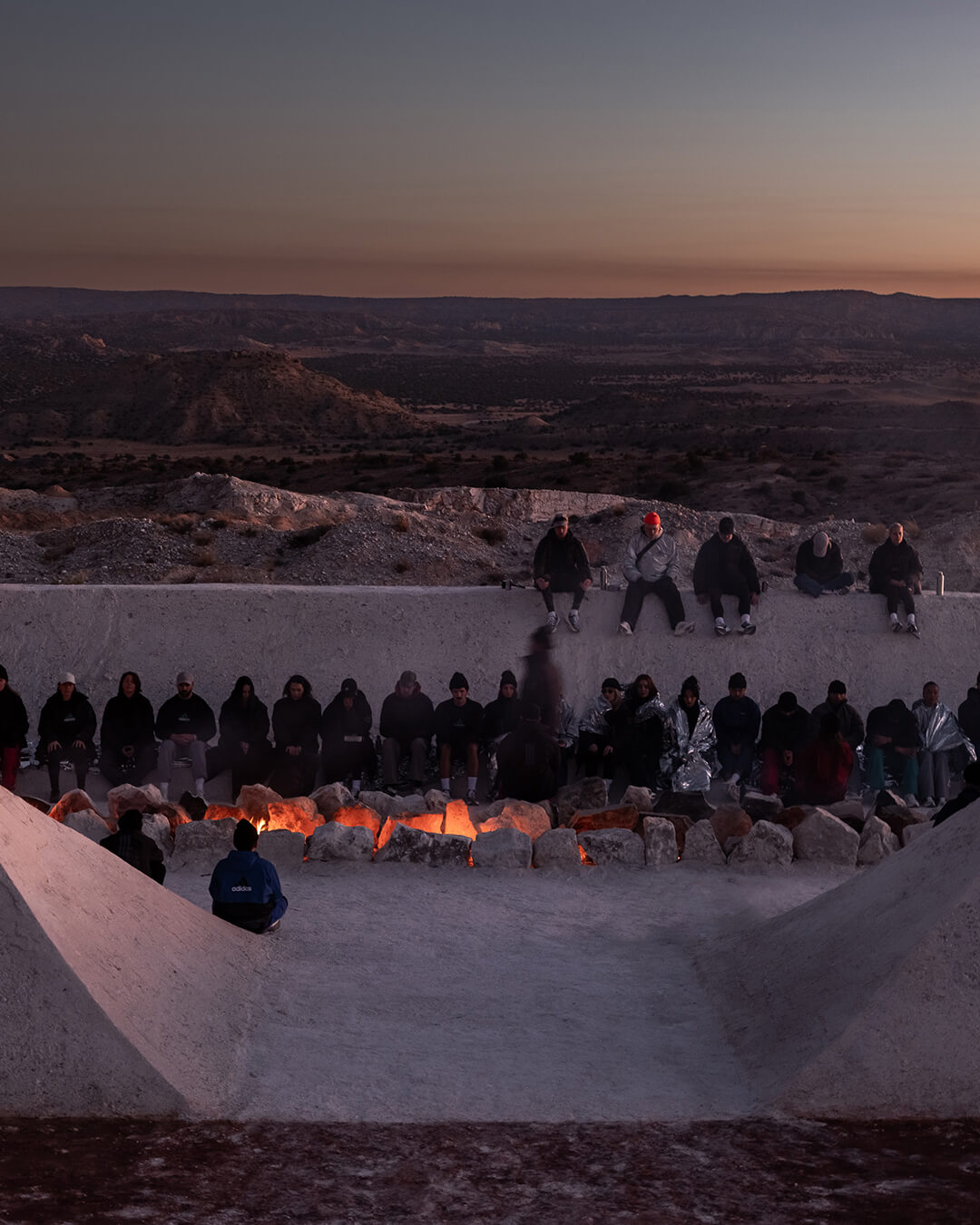
Two walls frame the elliptical track: an outer boundary, only one meter high, which cuts off the horizon and directs the view inwards; and an inner wall, up to two meters high, which forms a sheltered space – a place to take a break with benches made of raw wood and a central fireplace. Here, inside the ring, the running track is transformed into a kind of pavilion. Movement and tranquillity, space and ritual intertwine.
The ephemeral as a design idea
The project was designed to be ephemeral from the outset. The materials used return to the quarry’s production cycle after extraction. The EQT Track resists the idea of disposable architecture, even though it is a highly temporary structure.
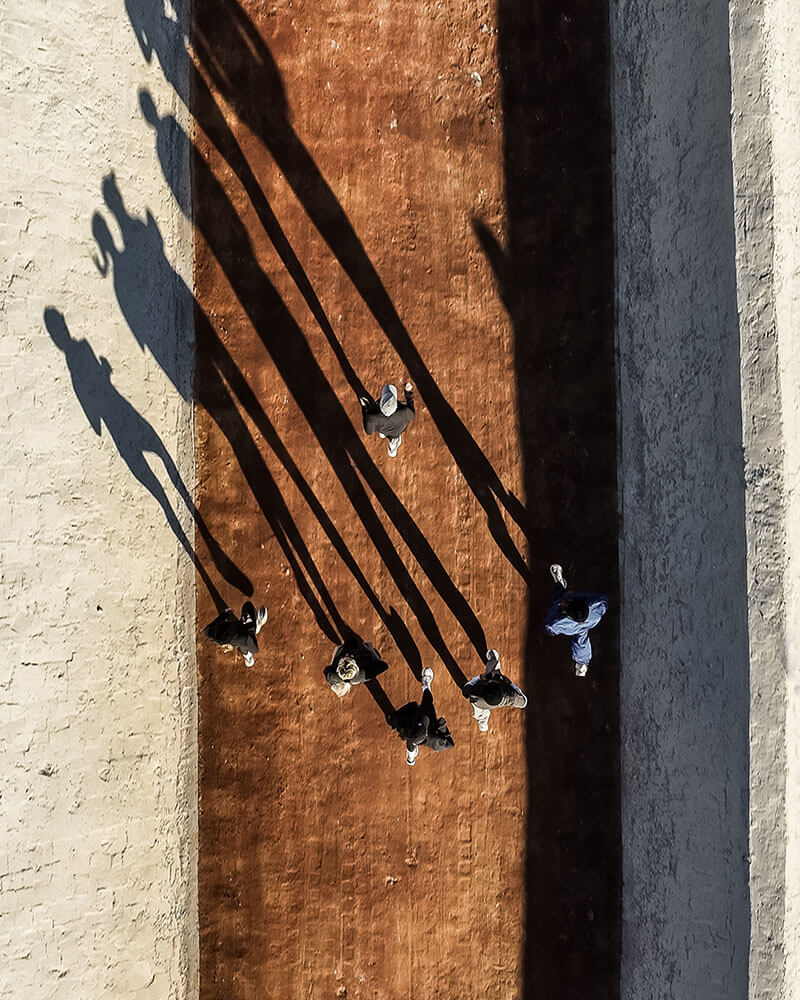
The boundaries between art, installation and architecture are blurred. In any case, the project is walkable. The path follows the natural terrain, dispenses with artificial leveling and preserves the topography as part of the spatial experience.
Viewed from above, it barely stands out against the light background – more of a gesture than a building. Up close, however, it reveals a precise, almost ritualistic order. No start, no finish, no grandstands. The run becomes a circle, a meditation. Movement becomes architecture.
A place between now and never again
The track was only officially used for one day before it began to slowly disintegrate – carried by the wind, smoothed by the rain. But its power lies precisely in this ephemerality. It shows how temporary architecture can be understood not as a loss, but as a conscious form: building as a process, not as a possession.
The EQT Track is an advertising space for a shoe collection, but also a spectacular spatial statement about our perception of a place and the relationship between body and landscape.

Project data
Designer
PlayLab Inc.
Building owner
Adidas
Address
Gypsum Mine
Ojito Wilderness reservation
New Mexico
Opening
2024/25
Photos
Charles Roussel
Text
Johannes Bühlbecker
More Sports Media
Unsere Kategorien
Unser Newsletter
Ihre Bühne
Publizieren Sie Ihr Projekt oder Ihr Produkt hier!